

 プレビュー
プレビュー
 プリントを購入
 シェアする
シェアする シェアする
シェアする
 詳細を見る
詳細を見る

 ダウンロード
 似ている作品
 X線調査
X線調査 スライドショー
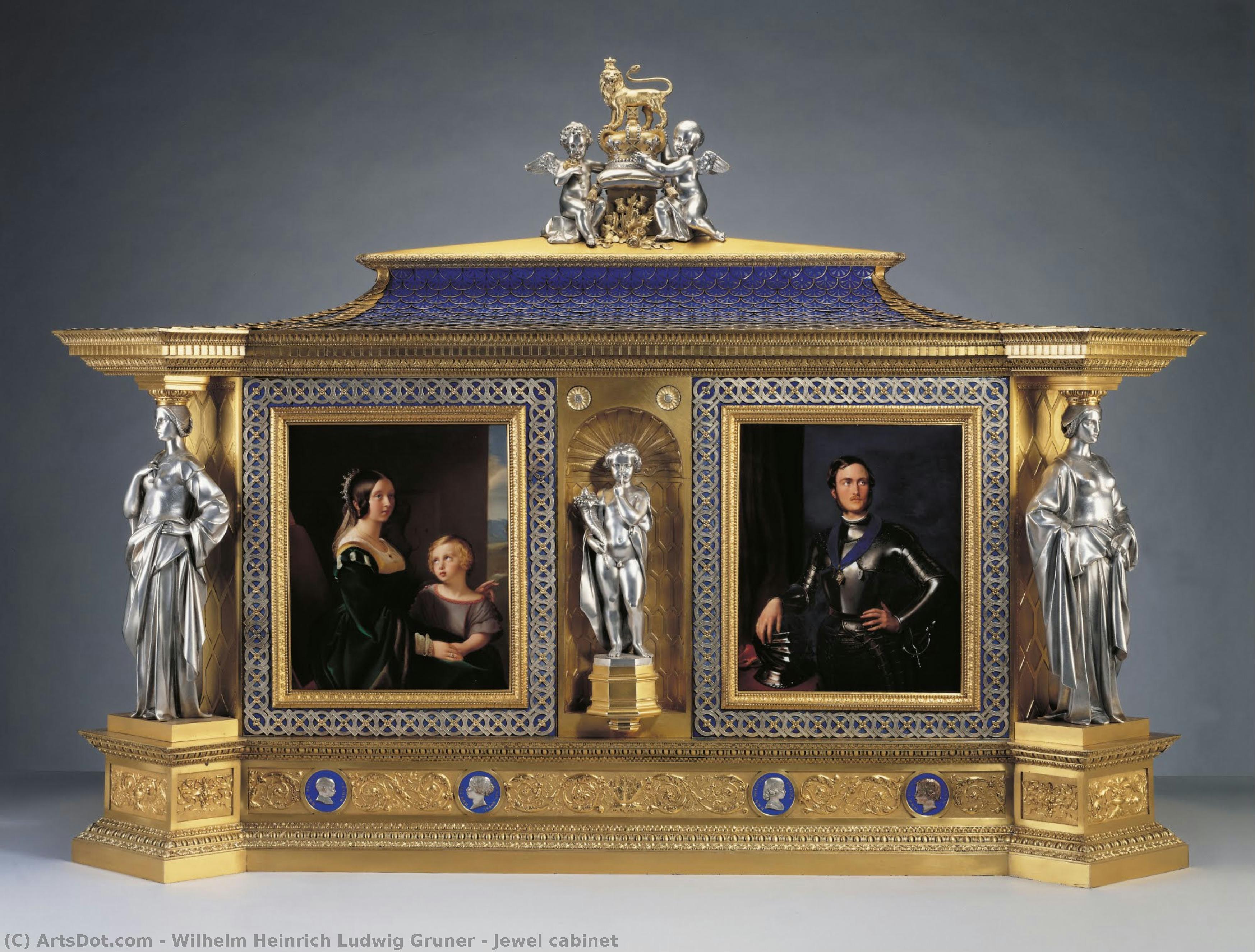
Jewel cabinet
 Acrylic On Canvas
- WallArt
- Romanticism
 1851
1851 97.0 x 81.0 cm
 ロイヤル・コレクション
 詳細を見る
詳細を見る
オンラインプレビューをはるかに凌ぐ、高解像度で鮮明なデジタル画像をご購入いただけます。
各ファイルは、社内の専門家が高度なツールと熟練した手作業によるレタッチを用いて、細心の注意を払って準備されています。すべての画像において、卓越した鮮明度、正確な色彩再現性、そして繊細なディテールを保証いたします。
最終ファイルは、プロフェッショナルな編集・印刷環境ですぐにご利用いただけるよう最適化された状態で、72時間以内にメールにてお届けいたします。これは、一流のデザインスタジオ、出版社、ギャラリーから信頼されているものと同等の品質です。
デジタル画像のご注文に付随する特典
高品質なデジタル画像配信を、確かな品質で。
ArtsDot.com を選ぶことは、単に画像を手に入れることではありません。それは、プロの手によって精密に仕上げられ、満足保証が付いた高品質なデジタルアートワークを受け取ることを意味します。ご注文いただいた際に自動的に付随する内容は、以下の通りです:

メールですぐにお届け
ご注文から72時間以内に、高解像度のデジタル画像ファイルがメールでお手元に届きます。すぐにそのままご利用いただけます。

AI技術で最適化されたデジタルファイル
お客様の作品は、高度なAIツールと専門家による手作業の編集を組み合わせてプロフェッショナルに最適化されており、細部のディテール、鮮明さ、そして正確な色再現性を最大限に引き出しています。

一生涯無料の再送サービス
ファイルを誤って削除したり、紛失してしまったりしましたか?ご安心ください。いつでも無料で再送いたします。

輸入手数料は一切かかりません
関税や手数料、配送料を気にすることなく、お気に入りのアートワークをすぐにお楽しみいただけます。デジタルダウンロードは常に免税です。

色彩再現の保証
プロ仕様のツールとカラーマネジメント技術を用いることで、デジタル画像が元の色を最大限に忠実に再現することを保証いたします。

60日間満足保証
ご購入いただいたデジタル画像にご満足いただけない場合は、60日以内であれば、修正または100%の返金(理由を問う必要はありません)をさせていただきます。

100% 返金保証
ご満足いただけない場合は、デジタルファイルを受け取ってから60日以内であれば、理由を問わず全額返金いたします。

まとめ買い割引
3枚購入で10%OFF - 5枚購入で15%OFF - 10枚以上購入で20%OFF。クリエイティブなプロジェクト、ギャラリー、エージェンシーに最適です。
作品の詳細
The Gilded Echoes of Victoria's Court
Wilhelm Heinrich Ludwig Gruner’s “Jewel Cabinet,” a remarkably detailed porcelain painting from 1851, isn’t merely a depiction of an opulent cabinet; it’s a meticulously constructed window into the heart of Victorian England. Commissioned during Queen Victoria’s reign, this artwork transcends its material form to embody the era's fascination with both historical grandeur and burgeoning industrial wealth. The painting captures a moment of restrained luxury – a dynastic statement carefully curated to project an image of stability and power. The cabinet itself, rendered in exquisite detail, is not simply furniture; it’s a stage for miniature dramas, each door revealing a carefully staged tableau that speaks volumes about the values and aspirations of the Victorian elite.
A Symphony of Portraits and Narrative
Each of the four doors within the cabinet unfolds a distinct narrative, skillfully blending portraiture with symbolic imagery. The leftmost door presents a striking portrait of a woman in somber black, her gaze direct and commanding – a figure embodying Victorian propriety and restraint. Across from her, a second woman, clad in white, offers a contrasting image of grace and serenity, suggesting the duality within the Victorian ideal of femininity. The central door depicts a couple seated together, their interaction hinting at domestic harmony and familial bonds, while the final door showcases a solitary man, perhaps representing the pragmatic side of Victorian society, alongside a woman holding a bowl – a subtle nod to the nurturing role expected of women.
- The Black Portrait: Represents formality, duty, and the established order.
- The White Portrait: Symbolizes elegance, virtue, and domesticity.
- The Couple: Embodies the ideal of a stable family unit.
- The Man and Bowl: Suggests responsibility and care within the household.
The Hand of the Master: Technique and Historical Context
Wilhelm Heinrich Ludwig Gruner, a German artist deeply influenced by Raphael and the Italian Renaissance, was a master of engraving and painting. His meticulous attention to detail is evident in every brushstroke, from the intricate folds of the cabinet’s upholstery to the subtle nuances of expression on the figures' faces. Gruner’s work reflects the prevailing artistic trends of his time – a revival of classical forms combined with a heightened sense of realism. The painting itself demonstrates Gruner’s skill in capturing both individual likenesses and broader symbolic meanings. It is important to note that Gruner was not only an artist but also a significant figure within the Royal Collection, serving as its director and advisor, shaping the aesthetic sensibilities of Queen Victoria herself.
A Legacy of Regal Symbolism
“Jewel Cabinet” offers more than just a visual delight; it’s a potent symbol of Victorian power and prestige. The cabinet's opulent design reflects the era’s fascination with wealth, luxury, and the celebration of royal lineage. The carefully chosen portraits – each representing a specific virtue or role – reinforce the Queen’s image as a benevolent ruler presiding over a prosperous and stable nation. Furthermore, the painting’s creation coincided with a period of significant political upheaval in Europe, making it a powerful statement of Victorian confidence and resilience. Today, reproductions of this remarkable artwork continue to captivate viewers, offering a glimpse into the refined tastes and complex social dynamics of one of Britain's most iconic eras.
関連作品


作家の略歴
a life of artistic devotion
wilhelm heinrich ludwig gruner, a german artist, engraver, architect, and art historian, left an indelible mark on the world of art. born in dresden in 1801, gruner's life was a testament to his passion for the italian renaissance and raphael's works.early life and education
gruner initially aspired to become a decorative painter, commencing his studies in 1815 under max klinger. he later enrolled at the dresden academy under ephraim gottlieb krüger. patrons funded his move to the milan academy in 1825, where he studied under giuseppe longhi and pietro anderloni.artistic journey
- anton raphael mengs's portrait, which gruner engraved, marked a significant milestone in his career.
- his travels through southern france and spain in 1828, including a three-month study of the escorial, broadened his artistic horizons.
- from 1836 to 1843, gruner lived in rome, creating engravings inspired by marcantonio raimondi's techniques, and publishing sets of engravings after raphael's works.
notable works and associations
key highlights:- the exposition of moses, a work by nicolas poussin, influenced gruner's art.
- his life-size charcoal drawings after raphael's cartoons for the tapestries in the sistine chapel were rediscovered at the kupferstich-kabinett of the staatliche kunstsammlungen dresden.
- gruner's unique technique and analysis led to the conclusion that he executed these huge drawings.
legacy and later life
gruner served as director of the kupferstich-kabinett, dresden, receiving a professorship at the academy and becoming a member of the gallery commission. he died in dresden in 1882. relevant links:
wilhelm heinrich ludwig gruner
1801 - 1882 , Germany
プロフィール概要
- Artistic Movement Or Style: Hudson River School
- Artists Or Movements Influenced By This Artist: ['Hudson River School']
- Artists Who Influenced This Artist: ['Francis Wheatley']
- Date Of Birth: February 1, 1801
- Date Of Death: February 11, 1848
- Full Name: Thomas Cole
- Nationality: American
- Notable Artworks:
- The Titan's Goblet
- The Course of Empire
- The Oxbow
- The Voyage of Life
- Place Of Birth: Bolton-le-Moors, England

