

 プレビュー
プレビュー
 プリントを購入
 シェアする
シェアする シェアする
シェアする
 詳細を見る
詳細を見る

 ダウンロード
 似ている作品
 X線調査
X線調査 スライドショー
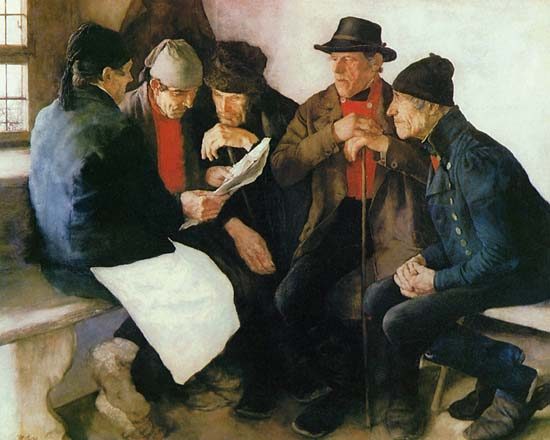
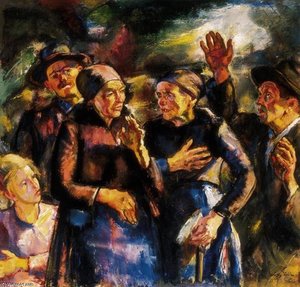
The Village Politicians
 詳細を見る
詳細を見る
オンラインプレビューをはるかに凌ぐ、高解像度で鮮明なデジタル画像をご購入いただけます。
各ファイルは、社内の専門家が高度なツールと熟練した手作業によるレタッチを用いて、細心の注意を払って準備されています。すべての画像において、卓越した鮮明度、正確な色彩再現性、そして繊細なディテールを保証いたします。
最終ファイルは、プロフェッショナルな編集・印刷環境ですぐにご利用いただけるよう最適化された状態で、72時間以内にメールにてお届けいたします。これは、一流のデザインスタジオ、出版社、ギャラリーから信頼されているものと同等の品質です。
デジタル画像のご注文に付随する特典
高品質なデジタル画像配信を、確かな品質で。
ArtsDot.com を選ぶことは、単に画像を手に入れることではありません。それは、プロの手によって精密に仕上げられ、満足保証が付いた高品質なデジタルアートワークを受け取ることを意味します。ご注文いただいた際に自動的に付随する内容は、以下の通りです:

メールですぐにお届け
ご注文から72時間以内に、高解像度のデジタル画像ファイルがメールでお手元に届きます。すぐにそのままご利用いただけます。

AI技術で最適化されたデジタルファイル
お客様の作品は、高度なAIツールと専門家による手作業の編集を組み合わせてプロフェッショナルに最適化されており、細部のディテール、鮮明さ、そして正確な色再現性を最大限に引き出しています。

一生涯無料の再送サービス
ファイルを誤って削除したり、紛失してしまったりしましたか?ご安心ください。いつでも無料で再送いたします。

輸入手数料は一切かかりません
関税や手数料、配送料を気にすることなく、お気に入りのアートワークをすぐにお楽しみいただけます。デジタルダウンロードは常に免税です。

色彩再現の保証
プロ仕様のツールとカラーマネジメント技術を用いることで、デジタル画像が元の色を最大限に忠実に再現することを保証いたします。

60日間満足保証
ご購入いただいたデジタル画像にご満足いただけない場合は、60日以内であれば、修正または100%の返金(理由を問う必要はありません)をさせていただきます。

100% 返金保証
ご満足いただけない場合は、デジタルファイルを受け取ってから60日以内であれば、理由を問わず全額返金いたします。

まとめ買い割引
3枚購入で10%OFF - 5枚購入で15%OFF - 10枚以上購入で20%OFF。クリエイティブなプロジェクト、ギャラリー、エージェンシーに最適です。
作家の略歴
A Life Rooted in Realism: Wilhelm Leibl and the Depiction of Bavarian Existence
Wilhelm Maria Hubertus Leibl, born in Cologne in 1844, emerged as a pivotal figure in German painting during a period grappling with artistic identity. His father’s position as director of the cathedral choir instilled an early appreciation for discipline and form, yet Leibl's path wasn’t immediately destined for canvas. An apprenticeship to a locksmith preceded his formal artistic training under Hermann Becker in 1861, signaling a pragmatic grounding before embracing creative pursuits. This initial experience perhaps contributed to the solidity and directness that would later characterize his work. In 1864, he entered the Munich Academy, immersing himself in the established art world but soon seeking alternatives to prevailing Romantic sensibilities. His studies with artists like Carl Theodor von Piloty provided technical foundation, yet it was the arrival of Gustave Courbet in Munich around 1869 that proved truly transformative.The Influence of Courbet and the Pursuit of ‘Alla Prima’
Courbet's exhibition and demonstrations of *alla prima* painting – working directly from nature with bold, immediate brushstrokes – resonated deeply with Leibl and a cohort of young German artists. This approach liberated them from the meticulous academic style then dominant, encouraging a more visceral connection to their subjects. Leibl’s existing admiration for Dutch Old Masters, particularly their mastery of light and character, found new expression through Courbet's influence. His paintings began to loosen in style, embracing thicker applications of paint against darker backgrounds, capturing fleeting moments with an unprecedented immediacy. A brief sojourn to Paris in 1869, facilitated by Courbet’s suggestion, introduced Leibl to Édouard Manet, further broadening his artistic horizons. However, the outbreak of the Franco-Prussian War forced a premature return to Germany in 1870, curtailing what might have been an extended period of Parisian immersion.Bavarian Landscapes and the Essence of Peasant Life
In 1873, Leibl deliberately retreated from Munich’s artistic center, seeking solitude and authenticity in the isolated Bavarian countryside. This marked a turning point in his career. He dedicated himself to depicting the lives of local peasants, not with romanticized idealization, but with unflinching realism. He eschewed sentimentality or anecdotal storytelling, instead focusing on capturing the dignity and hardship inherent in their daily existence. The sketchlike quality of his earlier works gave way to greater precision and a meticulous attention to drawing. Living in Berbling from 1878 to 1882, he produced some of his most celebrated paintings, including Three Women in Church, now housed at the Kunsthalle Hamburg. This masterpiece exemplifies his intensely realistic style, recalling the clarity and psychological depth of Hans Holbein.A Legacy of Realism: The Leibl Circle and Lasting Impact
Leibl’s commitment to representing reality as he perceived it – without embellishment or pretense – earned him recognition as a leading figure in German art. He became the central influence for a group known as the “Leibl-Kreis” (Leibl Circle), which included artists such as Carl Schuch, Wilhelm Trübner, Otto Scholderer, and Hans Thoma. These artists shared Leibl’s dedication to realism and his rejection of academic conventions. He painted directly with color, without preliminary drawings, a technique paralleling the innovations of Impressionism while remaining firmly rooted in observational accuracy. His later works, created during periods living in Bad Aibling and Kutterling, demonstrated a refined balance between disciplined drawing and a newfound luminosity. Wilhelm Leibl died in Würzburg in 1900, leaving behind a body of work that continues to resonate for its honesty, technical mastery, and profound empathy for the lives of ordinary people. His paintings stand as powerful testaments to the beauty and dignity found within the everyday realities of Bavarian existence.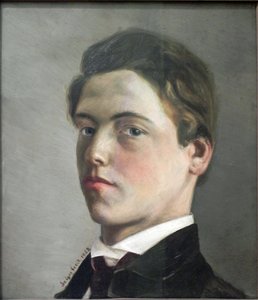
wilhelm maria hubertus leibl
1844 - 1900 , Germany
プロフィール概要
- Artistic Movement Or Style: Realism
- Artists Or Movements Influenced By This Artist: ['Leibl Circle']
- Artists Who Influenced This Artist:
- Gustave Courbet
- Hans Holbein
- Date Of Birth: October 23, 1844
- Date Of Death: December 4, 1900
- Full Name: Wilhelm Maria Hubertus Leibl
- Nationality: German
- Notable Artworks:
- Three Women in Church
- Friedrich rauert
- The spinner
- In der Bauernstube
- Place Of Birth: Cologne, Germany

