

 プレビュー
プレビュー
 プリントを購入
 シェアする
シェアする シェアする
シェアする
 詳細を見る
詳細を見る

 ダウンロード
 似ている作品
 X線調査
X線調査 スライドショー
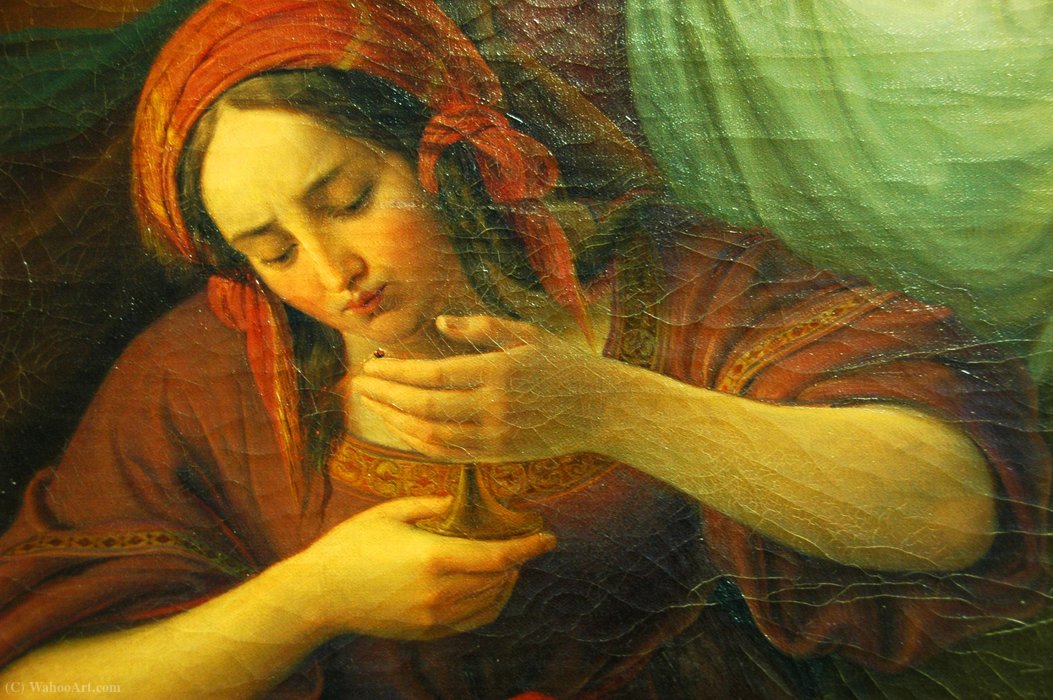
The Parable of the Wise and Foolish Virgins
 詳細を見る
詳細を見る




































作品のオリジナル比率に合わせた、当店の規定サイズからお選びください。

特定のフレームやスペースに合わせて、ご希望のサイズをご入力いただけます。選択されたサイズが元の画像の比率と異なる場合、アートワークをトリミングするか、手描きで要素を追加して絵画を拡張いたします。デジタルモックアップ を制作し、制作開始前にご確認(承認)をいただきます。
画面上のプレビューは、実際のトリミングや拡張を正確に反映しているものではありません。最終的な構図は、モックアップによってのみ正確にご確認いただけます。
カスタムサイズもご利用いただけますが、元の比率を維持するためには、あらかじめ用意されたリストからサイズを選択することをお勧めいたします。
ご注文後、ArtsDot.com チームより詳細な指示をお送りするとともに、仕上がりイメージ(モックアップ)をご提供いたします。


 ガラスオプションは、110cm未満のサイズでのみご利用いただけます。

The Parable of the Wise and Foolish Virgins
複製技法
複製画のサイズ
-


合計金額
$ 263
関連作品

アーティストの略歴
Early Life and Education
- Born: Berlin, Germany, September 7, 1789
- Family Background: Son of the renowned sculptor Johann Gottfried Schadow.
- Early Training: Received initial drawing lessons from his father. Subsequently studied painting under Weitsch.
- Military Service: Served as a soldier in 1806-1807.
The Roman Period and the Nazarene Movement
- Travel to Rome (1810): Traveled with his brother Rudolph to Rome, becoming part of the burgeoning Nazarene movement.
- Religious Conversion: Converted from Lutheranism to Catholicism, a core tenet of the Nazarenes who sought to revive Christian art based on early Italian models.
- Early Commissions in Rome: Received significant commissions, including decorating a room in General Jakob Salomon Bartholdy's house with frescoes depicting scenes from the story of Joseph and his brethren.
Directorship of the Düsseldorf Academy and Artistic Development
- Professor at Berlin Academy (1819): Appointed professor at the prestigious Berlin Academy of the Arts, gaining a reputation as an influential teacher.
- Director of Düsseldorf Academy (1826): Became director of the Kunstakademie Düsseldorf, reorienting its focus towards Christian art.
- Dispute with Heinrich Christoph Kolbe: A significant disagreement led to the departure of Professor Heinrich Christoph Kolbe from the academy in 1832.
- Liturgical Art and Frescoes: Developed paintings for churches and oversaw the decoration of the chapel of St Apollinaris on the Rhine, showcasing a "spiritual side" of the Düsseldorf school. Notable works include *The Wise and Foolish Virgins*.
Later Years, Legacy, and Historical Significance
- Reaction Against His Style: Faced increasing opposition to his spiritual and sacerdotal style, leading to his departure from the Düsseldorf Academy in 1859.
- Death and Memorial: Died at Düsseldorf on March 19, 1862. A monument was erected in a square named after him.
- Influence on the Düsseldorf School: Schadow's most significant legacy lies in the Düsseldorf school he fostered, which became internationally renowned.
- Notable Students: Mentored prominent artists including George Caleb Bingham, Eastman Johnson, and Emmanuel Leutze.
- Author and Theorist: Published influential writings on art theory, notably *Ueber den Einfluss des Christentums auf die bildende Kunst* (About The Influence of Christianity On The Visual Arts) and *Der moderne Vasari*.
Key Themes and Artistic Style
- Religious Focus: Primarily focused on religious themes, reflecting his devout Catholicism.
- Nazarene Influences: Exhibited strong influences from the Nazarene movement, emphasizing spiritual depth and moral instruction in art.
- Detailed Realism: Known for meticulous detail and careful rendering of figures and compositions.
- Emphasis on Narrative: His works often conveyed complex narratives with symbolic meaning.
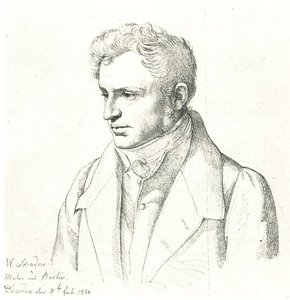
Wilhelm von Schadow
1789 - 1862 , Germany
基本情報
- Artistic Movement Or Style: Romanticism
- Artists Or Movements Influenced By This Artist:
- Heinrich Mucke
- Düsseldorf School
- Artists Who Influenced This Artist:
- Johann Gottfried Schadow
- Johann Friedrich Overbeck
- Date Of Birth: September 7, 1789
- Date Of Death: March 19, 1862
- Full Name: Friedrich Wilhelm von Schadow
- Nationality: German
- Notable Artworks:
- The Daughter of Herodias
- Four Evangelists
- The Wise and Foolish Virgins
- Place Of Birth: Berlin, Germany