

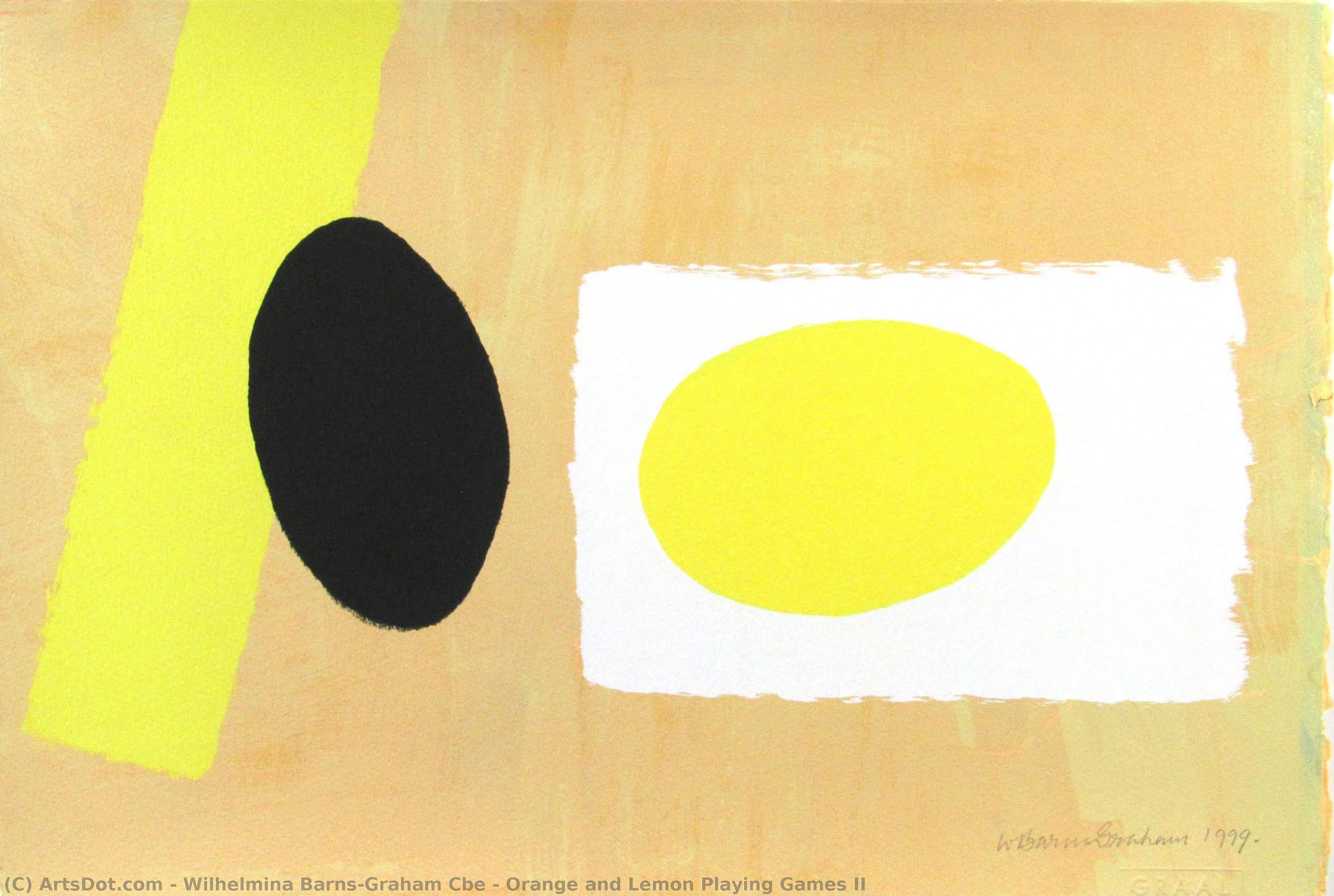
 プレビュー
プレビュー
 シェアする
シェアする シェアする
シェアする
 詳細を見る
詳細を見る

 ダウンロード
 似ている作品
 X線調査
X線調査 スライドショー
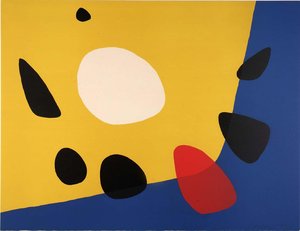
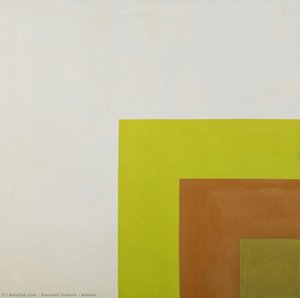
Orange and Lemon Playing Games II


 詳細を見る
詳細を見る
ジークレー/アートプリント
迅速な制作と多彩な仕上げオプションを備えた、ミュージアムクオリティのジークレーまたはキャンバスプリント。 ( 手描きの絵画を購入 画像を購入)




































作品のオリジナル比率に合わせた、当店の規定サイズからお選びください。

特定のフレームやスペースに合わせて、ご自身でサイズを指定することも可能です。選択されたサイズが元の画像の比率と一致しない場合、作品をトリミングするか、鏡面反射または単色での塗りつぶしによって画像を拡張いたします。制作を開始する前に、ご確認用のデジタルモックアップをお送りいたします。
画面上のプレビューには、実際のトリミングや拡張は反映されませんのでご注意ください。最終的な構図を正確に確認できるのは、モックアップのみとなります。
カスタムサイズも承っておりますが、元の比率を維持するためには、あらかじめ用意されたリストからサイズを選択することをお勧めいたします。


 ガラスオプションは、110cm未満のサイズでのみご利用いただけます。

Orange and Lemon Playing Games II
ジークレー/アートプリント
複製画のサイズ
-


合計金額
$ 62
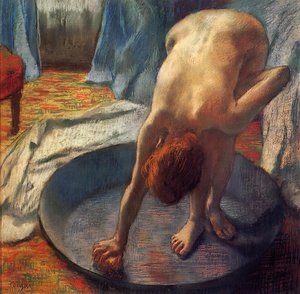
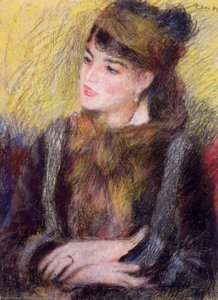
アーティストの略歴
Early Life and Education
Wilhelmina Barns-Graham CBE (8 June 1912 – 26 January 2004) was one of the foremost British abstract artists, a member of the influential Penwith Society of Arts. Born in St Andrews, Fife, she was daughter of Allan Barns-Graham, head of a Scottish landed gentry family—he owned estates named Lymekilns and Cambuslang in Lanarkshire, Kirkhill in Ayrshire, Fereneze in Renfrewshire, and Carbeth Guthrie in Stirlingshire, Scotland—and his wife Wilhelmina Menzies, daughter of Charles Bayne Meldrum, whose family of minor Scottish gentry owned the estates of Dura and Balmungo, Fifeshire. Barns-Graham's parents were second cousins. As a child she showed very early signs of creative ability. It was at school that Wilhelmina decided that she wanted to be an artist after one of her paintings was chosen to be displayed on the wall there; she stated later in life that “painting chose me, not I it”. Her talent and dedication earned her a place at the Penwith Society of Arts, where she honed her skills alongside other notable artists. Early influences included Wilhelm Trübner and Jörg The Elder Breu, whose artistic sensibilities shaped her formative years.Artistic Style and Notable Works
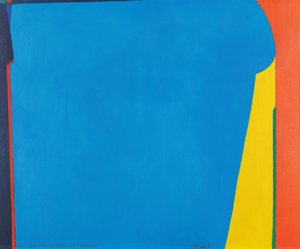
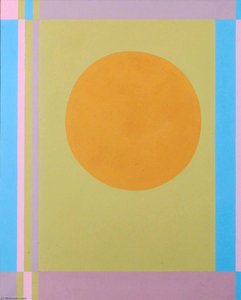
Barns-Graham’s artistic style was characterized by her use of bold colors and abstract shapes. Her paintings often featured expressive brushstrokes and a sense of spontaneity, which set her apart from other artists of her time. She embraced the principles of Color Field Painting, prioritizing large areas of color to evoke emotion and contemplation. Recurring motifs included geometric forms—circles, squares, rectangles—arranged in harmonious compositions that reflected her fascination with mathematics and visual order. Her palette was predominantly vibrant hues—yellows, oranges, reds—combined with cooler tones like blues and greens—creating striking contrasts that captured the essence of Scottish landscapes and atmospheric conditions. Among her most celebrated works is “Orange and Lemon Playing Games II,” a monumental canvas executed in 1963 which exemplifies her mastery of color and form. Other significant pieces include “Untitled” (various dates), reflecting her exploration of textural surfaces and layering techniques, and “The Grey Landscape” (1952), demonstrating her ability to convey mood and emotion through subtle tonal variations.Penwith Society and St Ives
Barns-Graham’s artistic journey gained momentum in 1940 when she relocated to St Ives, Cornwall—a pivotal decision influenced by the encouragement of fellow artists William Gillies and David Foggie. This move coincided with the establishment of the Penwith Society of Arts, where she joined forces with luminaries like Ben Nicholson, Barbara Hepworth, Naum Gabo, and Robert MacBryde. The Society fostered a collaborative environment that nurtured experimentation and challenged conventional artistic norms. Barns-Graham’s studio in St Ives became a hub for creative exchange, attracting artists from across Europe and solidifying her position as a central figure in the burgeoning British Abstract Expressionist movement. Her connection to St Ives extended beyond mere residency; she actively participated in organizing exhibitions and promoting the Society's mission—to champion innovative artistic endeavors and foster dialogue between artists and viewers.Influences and Legacy
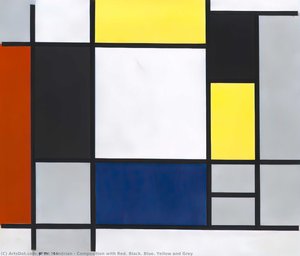
Barns-Graham’s artistic vision drew inspiration from diverse sources, including Piet Mondrian and Josef Albers, whose geometric abstraction profoundly impacted her aesthetic sensibilities. She admired the precision and clarity of Mondrian's compositions—particularly his use of orthogonal lines—and embraced Albers’s exploration of color perception through optical illusions. Furthermore, Barns-Graham was influenced by Surrealist ideas—specifically the concept of automatism—which encouraged her to liberate herself from conscious control and allow subconscious impulses to guide her artistic process. Her legacy continues to inspire artists and art lovers alike; she is remembered as a trailblazing figure who championed abstraction as a means of conveying emotion and exploring fundamental questions about perception and reality. Her artwork resides in prominent museums worldwide, including the Kunstsammlungen und Museen Augsburg and the Lübecker Museen, ensuring that her distinctive style—characterized by bold color fields and geometric forms—remains accessible to future generations. Visit https://ArtsDot.com/@/wilhelmina-barns-graham-cbe to learn more about Wilhelmina Barns-Graham’s life and work. Explore the Kunstsammlungen und Museen Augsburg at /en/art/show/art-d3b449-en/ to discover a wide range of art and historical objects. Check out the Lübecker Museen at /en/art/show/art-d3b26f-en/ to learn about the various museums and their collections. Important works by Wilhelmina Barns-Graham can be found on https://ArtsDot.com, where you can also discover a wide range of art and historical objects. Her legacy continues to inspire artists and art lovers alike.
wilhelmina barns-graham cbe
1912 - 2004 , United Kingdom
基本情報
- Artistic Movement Or Style: Abstract Painting
- Artists Or Movements Influenced By This Artist: ['Scottish Landscape']
- Artists Who Influenced This Artist:
- Wilhelm Trübner
- Jörg The Elder Breu
- Date Of Birth: June 8, 1912
- Date Of Death: January 26, 2004
- Full Name: Wilhelmina Barns-Graham CBE
- Nationality: British
- Notable Artworks: ['Untitled']
- Place Of Birth: St Andrews, United Kingdom