

 プレビュー
プレビュー
 プリントを購入
 シェアする
シェアする シェアする
シェアする
 詳細を見る
詳細を見る

 ダウンロード
 似ている作品
 X線調査
X線調査 スライドショー
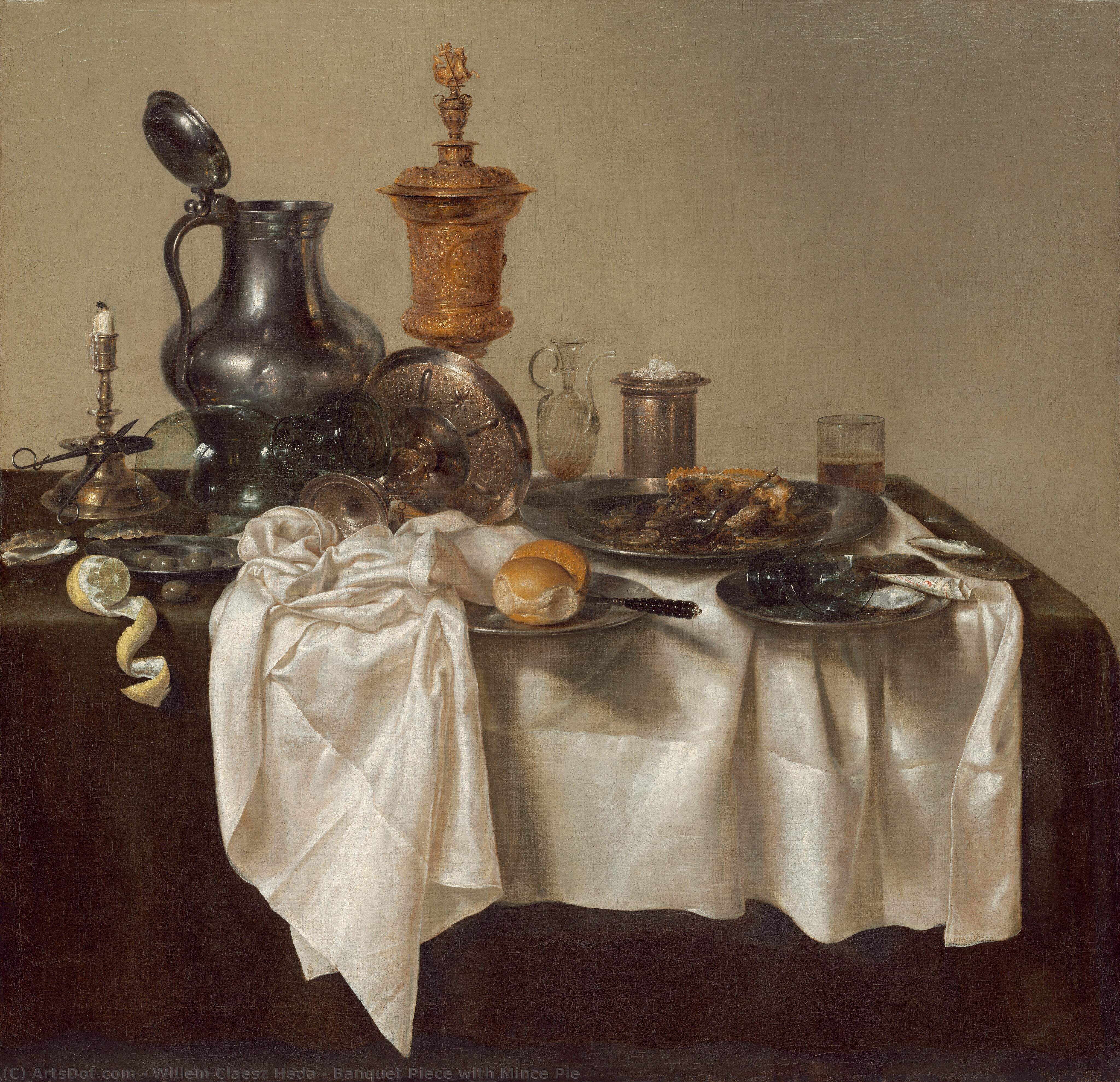
Banquet Piece with Mince Pie
 Oil
Oil- WallArt
- Dutch Golden Age
 1635
1635- Early Modern
 144.0 x 147.0 cm
 詳細を見る
詳細を見る




P118B $10

P118H $10

P118W $10

P438Z $10

P508JH $12

P508YH $12

P805H $10

P805Z $10

P919BZ $10

P919G $10

P919XJ $10

P959ZH $10

P968JZ $12

W106C $8

W218G $10

W218JH $8

W218Y $10

W307PJ $10

W316G $10

W316PJ $8

W316Y $10

W398PJ $8

W4111J $10

W500HY $15

W500JH $15

W692G $12

W849H $8

W940BG $15

W953PJ $8




作品のオリジナル比率に合わせた、当店の規定サイズからお選びください。

特定のフレームやスペースに合わせて、ご希望のサイズをご入力いただけます。選択されたサイズが元の画像の比率と異なる場合、アートワークをトリミングするか、手描きで要素を追加して絵画を拡張いたします。デジタルモックアップ を制作し、制作開始前にご確認(承認)をいただきます。
画面上のプレビューは、実際のトリミングや拡張を正確に反映しているものではありません。最終的な構図は、モックアップによってのみ正確にご確認いただけます。
カスタムサイズもご利用いただけますが、元の比率を維持するためには、あらかじめ用意されたリストからサイズを選択することをお勧めいたします。
ご注文後、ArtsDot.com チームより詳細な指示をお送りするとともに、仕上がりイメージ(モックアップ)をご提供いたします。


 ガラスオプションは、110cm未満のサイズでのみご利用いただけます。

Banquet Piece with Mince Pie
複製技法
複製画のサイズ
-


合計金額
$ 263
作品解説
A Symphony of Stillness: The Art of the Banquet
In the quiet, contemplative realm of the Dutch Golden Age, few masters captured the profound beauty of the mundane as exquisitely as Willem Claesz Heda. His 1635 masterpiece, Banquet Piece with Mince Pie, invites the viewer into a moment frozen in time—a scene that transcends mere decoration to become a meditation on existence itself. At first glance, the canvas presents a seemingly haphazard arrangement of pewter plates, glass goblets, and a golden chalice resting upon a rumpled cream-white tablecloth. Yet, as one lingers before the work, a deliberate and rhythmic composition emerges. The cool grays, burnished golds, and deep browns create a tonal harmony that speaks to the sophisticated restraint characteristic of Heda’s celebrated "breakfast piece" style.
The technical prowess on display is nothing short of breathtaking. Heda demonstrates an unparalleled ability to manipulate light, making the viewer feel the weight of the dented pewter pitcher and the delicate transparency of the upended glass goblet. The way light dances across the textured knubs of a stem or catches the oily sheen of a single olive reveals a painterly virtuosity that continues to captivate collectors today. For the discerning interior designer, this painting offers a masterclass in texture; it provides a sophisticated anchor for a room, bringing a sense of historical depth and tactile richness that modern minimalism often lacks.
Symbolism and the Vanitas Tradition
Beyond its aesthetic splendor, the Banquet Piece with Mince Pie is steeped in the complex symbolism of the seventeenth-century Netherlands. This era was deeply preoccupied with the concept of Vanitas—the idea that earthly pleasures are fleeting and that death is an ever-present reality. Heda weaves these themes into the very fabric of the meal. The remains of a mince pie, the broken goblet, and the nearly extinguished candle serve as poignant reminders of transience. These elements suggest that the feast has ended, leaving behind only the remnants of indulgence. Even the vibrant, spiraling lemon peel, while visually striking, hints at the bittersweet nature of life: beautiful in its zest, yet subject to decay.
This layer of intellectual depth makes the artwork far more than a simple depiction of food; it is a philosophical inquiry. To possess a reproduction of such a piece is to invite a conversation about legacy and the passage of time into one's home. It challenges the viewer to find beauty in the aftermath, in the quiet moments that follow the celebration. The interplay between the opulent gold vessels and the humble bread roll creates a tension between wealth and necessity, making the painting an endlessly evolving subject for contemplation.
A Timeless Addition to the Modern Collection
For art lovers and collectors seeking to infuse their spaces with character, Heda’s work offers a unique bridge between the historical and the contemporary. The muted, earthy palette of this banquet scene is remarkably versatile, complementing both classical period rooms and sleek, modern galleries. It possesses an atmospheric quality that can transform a dining area into a space of scholarly elegance or a study into a sanctuary of quiet thought.
Choosing a high-quality hand-painted reproduction of this masterpiece allows for the appreciation of Heda’s meticulous brushwork and tonal mastery without the constraints of museum acquisitions. Each stroke, recreated with devotion to the original 1635 textures, brings the spirit of Haarlem into the modern era. Whether used as a focal point in a grand hall or a subtle accent in a private library, this painting remains a testament to the enduring power of the still life—a celebration of the small, the broken, and the beautiful.
関連作品


アーティストの略歴
静寂なる瞬間の巨匠:ヴィレム・クラースス・ヘダの生涯と芸術
1594年、オランダのハールレムに生を受けたヴィレム・クラーススゾーン・ヘダは、オランダ黄金時代における極めて重要な人物としてその名を刻んでいます。彼が歴史に名を残したのは、壮大な歴史物語や劇的な寓意を描いたからではありません。むしろ、日常の何気ない風景の中に潜む、深遠な美を見出したからなのです。ヘダはその芸術人生のほぼすべてを静物画に捧げました。一見すると限定的なこのジャンルにおいて、彼は「朝食画(breakfast piece)」として知られる独自の様式を生み出し、驚異的な革新を成し遂げました。彼の作品は決して豪華絢爛な誇示を目的としたものではありません。それは、無常観、富、そして光と質感の繊細な相互作用に対する、静かな瞑想なのです。ハールレムの芸術コミュニティに縁のある家庭に生まれたヘダ――父は市庁舎の建築家であり、叔父のコルネリス・クラースス・ヘダもまた画家でした――にとって、芸術への道は自然な流れであったと思われます。初期の修行に関する詳細は謎に包まれていますが、現存する作品から、彼が1615年頃に画業を開始したと学者は推定しています。朝食画の黎明とトーン・リアリズム
ヴァニタス(空虚)を描いた静物画を含むヘダの初期の作品には、後のキャリアを決定づける卓越した技術の片鱗がすでに現れています。これらの初期作は、細部への緻力的なこだわりと、モノクロームに近いパレットを特徴としており、これはそれ以前のオランダ静物画に見られた鮮やかな色彩構成からの脱却を意味していました。しかし、ヘダが真に独自の芸術的アイデンティティを確立したのは、1620年代の「朝食画」においてでした。無造作に置かれた大量の品々を描く先人たちの手法とは異なり、ヘダの構図は、驚くべき均衡感覚と空間的な効果を備えていました。彼は単に物体を「描写」したのではありません。錫(すず)の輝き、レモンの皮の繊細な曲線、ロマーグラスの微かな光沢――それらをあまりにも写実的に描き出したため、物体はキャンバスから独立してそこに存在しているかのように感じられたのです。この真実への追求は、単なる技術的な熟練に留まりませんでした。それは彼の作品に流れる哲学的な底流と不可分なものでした。半分剥かれたレモン、パン屑、倒れたグラスといった選ばれたモチーフは、現世の快楽の儚さと、避けられない衰退を暗示的に物語っているのです。名声とギルドへの参入
ヘダの才能は、繁栄を極めていたハールレムの芸術界において、決して見過ごされることはありませんでした。彼は、詩を通じて自らの街を讃えたオランダの牧師であり詩人でもあるサミュエル・アンプジングのような著名な人物から、早い段階で認められました。1628年の著書『ホラント国ハールレム市の記述と称賛』の中で、アンプジングはサロモン・デ・ブレイやピーテル・クラエスと共にヘダを熱狂的に称え、彼らの宴会画における類まれな技量を高く評価しました。この公的な支持は、間違いなくヘダの評判を高め、1631年のハールレム聖ルカ・ギルドへの入会を後押しすることとなりました。ギルドの運営を規定する新たな憲章に署名した事実は、彼がコミュニティにおいて尊敬される芸術家としての地位を確立していたことを裏付けています。繊細さと影響力の遺産
キャリアを通じて、ヘダは一貫して静物画に献身し、その技法を磨き上げ、「朝食画」というテーマのバリエーションを追求し続けました。彼は光と影を巧みに操ることで、静かな瞑想の空気感を作り出し、観る者を日常的な品々との親密な対話へと誘いました。時折、より豪華な宴会の場面やヴァニタスの構図を描くなど、朝食のシーンを超えた作品にも挑戦しましたが、彼の最も永続的な遺産は、ありふれた日常を芸術の域へと昇華させたその手腕にあります。後世の静物画家たちへの影響は計り知れません。ピーテル・デ・リングやヤン・ダヴィドッツ・デ・ヘームといった画家たちは、それぞれ独自のスタイルを発展させながらも、ヘダが確立したトーン・リアリズムと構図の均衡から受けた影響を明確に示しています。ヴィレム・クラースス・ヘダは、単に目に見えるものを描いたのではありません。彼は、静止、脆さ、そして時の経過の中に宿る静かな美しさという「感情」を捉えたのです。彼の作品は今日においても響き続け、観る者にオランダ黄金時代の核心を垣間見せ、存在の本質に対する時代を超えた思索を投げかけています。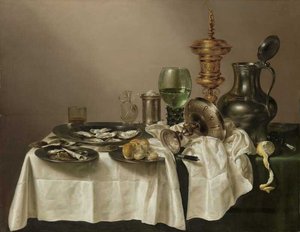
ヴィレム・クラースス・ヘダ
1594 - 1680 , オランダ
基本情報
- Artistic Movement Or Style: 黄金時代絵画
- Artists Or Movements Influenced By This Artist: ['サロモン・デ・ブレイ']
- Artists Who Influenced This Artist:
- ヘレット・ウィレムスゾーン・ヘダ
- ヤン・デ・ブレイ
- Date Of Birth: 1594年12月14日
- Date Of Death: 1680年頃
- Full Name: ウィレム・クラエスゾーン・ヘダ
- Nationality: オランダ
- Notable Artworks:
- ロブスターのある静物画
- 銀のタッツァのある静物画
- 割れたグラスのある静物画
- Place Of Birth: オランダ、ハールレム
関連記事

黄金世紀の巨匠たち:バロック絵画が彩る10選|ArtsDot
オランダ黄金時代の10大傑作を紐解く!レンブラント、フェルメール…バロック絵画の魅力と時代背景を深く探求。ArtsDotで、至高のアートコレクションと空間演出のヒントを見つけよう。高品質なアートプリントで、お部屋を華やかに。

Golden Age Reflections: Dutch Baroque Painting & Cultural Innovation
Explore the Dutch Golden Age of painting! Discover key artists like Vermeer & ter Borch, their innovative techniques, and the rich cultural context behind these Baroque masterpieces. Learn about collecting & appreciating this iconic art period.

Illuminating Innovation: Exploring the Dutch Golden Age of Painting
Explore the Dutch Golden Age of painting with ArtsDot. Discover Rembrandt, Vermeer & other Masters. Learn about key characteristics, iconic artworks, and lasting influence. Expert insights for collectors & enthusiasts.
Illuminating Realism: Exploring the Dutch Golden Age of Painting (1600-1700)
Explore the Dutch Golden Age of painting (1600-1700) with ArtsDot. Discover Rembrandt, Vermeer & other masters. Learn about techniques, history & find museum-quality reproductions.
Willem van de Velde the Elder: Master of Maritime Painting & Chronicler of the Dutch Golden Age
Discover the captivating maritime paintings of Willem van de Velde the Elder, a master chronicler of the Dutch Golden Age. Explore his unparalleled realism and lasting influence on naval art history.

