

 プレビュー
プレビュー
 プリントを購入
 シェアする
シェアする シェアする
シェアする
 詳細を見る
詳細を見る

 ダウンロード
 似ている作品
 X線調査
X線調査 スライドショー
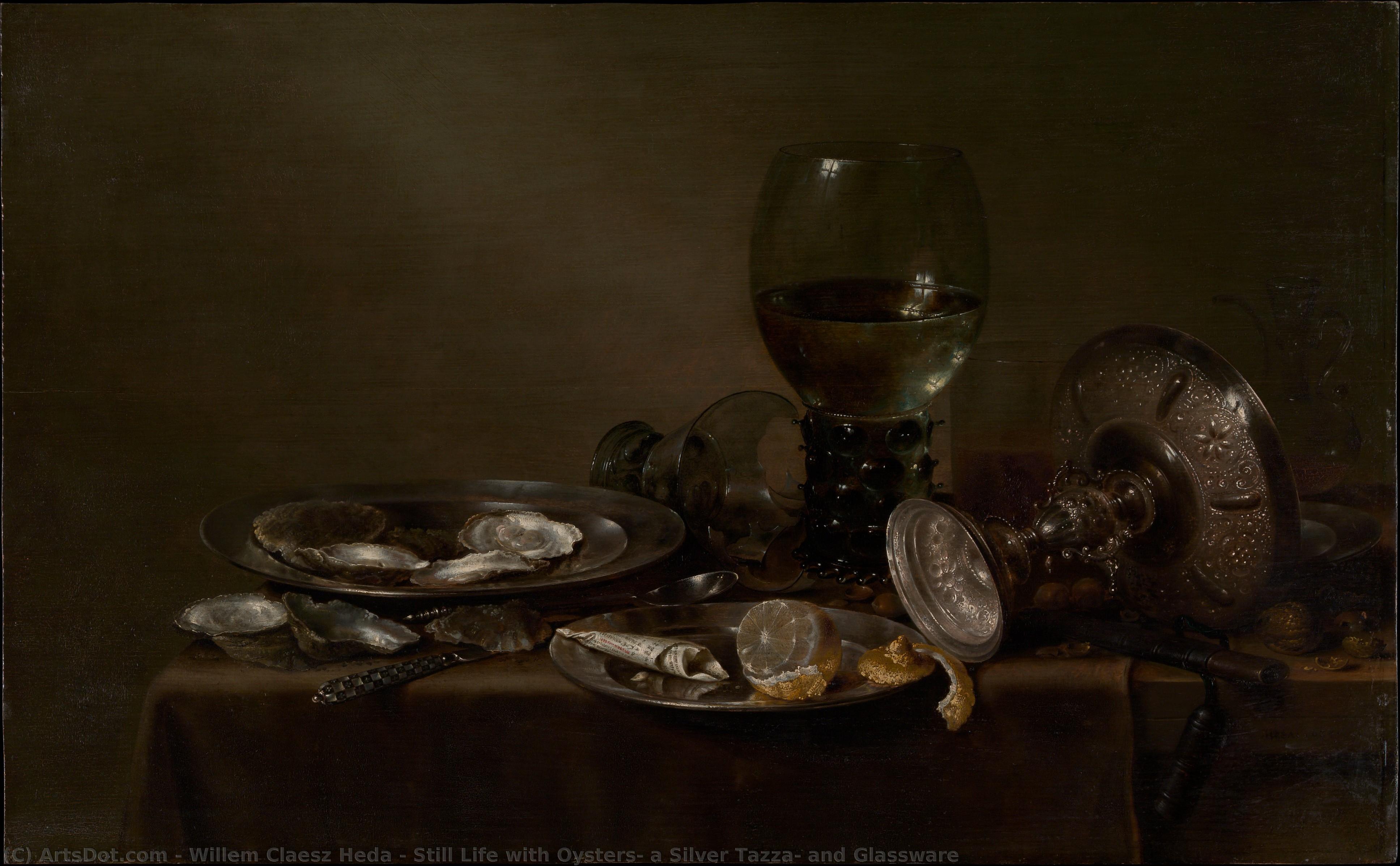
Still Life with Oysters, a Silver Tazza, and Glassware
 Oil On Canvas
- WallArt
- Dutch Golden Age
 1635
1635 50.0 x 81.0 cm
 メトロポリタン美術館
 詳細を見る
詳細を見る
オンラインプレビューをはるかに凌ぐ、高解像度で鮮明なデジタル画像をご購入いただけます。
各ファイルは、社内の専門家が高度なツールと熟練した手作業によるレタッチを用いて、細心の注意を払って準備されています。すべての画像において、卓越した鮮明度、正確な色彩再現性、そして繊細なディテールを保証いたします。
最終ファイルは、プロフェッショナルな編集・印刷環境ですぐにご利用いただけるよう最適化された状態で、72時間以内にメールにてお届けいたします。これは、一流のデザインスタジオ、出版社、ギャラリーから信頼されているものと同等の品質です。
デジタル画像のご注文に付随する特典
高品質なデジタル画像配信を、確かな品質で。
ArtsDot.com を選ぶことは、単に画像を手に入れることではありません。それは、プロの手によって精密に仕上げられ、満足保証が付いた高品質なデジタルアートワークを受け取ることを意味します。ご注文いただいた際に自動的に付随する内容は、以下の通りです:

メールですぐにお届け
ご注文から72時間以内に、高解像度のデジタル画像ファイルがメールでお手元に届きます。すぐにそのままご利用いただけます。

AI技術で最適化されたデジタルファイル
お客様の作品は、高度なAIツールと専門家による手作業の編集を組み合わせてプロフェッショナルに最適化されており、細部のディテール、鮮明さ、そして正確な色再現性を最大限に引き出しています。

一生涯無料の再送サービス
ファイルを誤って削除したり、紛失してしまったりしましたか?ご安心ください。いつでも無料で再送いたします。

輸入手数料は一切かかりません
関税や手数料、配送料を気にすることなく、お気に入りのアートワークをすぐにお楽しみいただけます。デジタルダウンロードは常に免税です。

色彩再現の保証
プロ仕様のツールとカラーマネジメント技術を用いることで、デジタル画像が元の色を最大限に忠実に再現することを保証いたします。

60日間満足保証
ご購入いただいたデジタル画像にご満足いただけない場合は、60日以内であれば、修正または100%の返金(理由を問う必要はありません)をさせていただきます。

100% 返金保証
ご満足いただけない場合は、デジタルファイルを受け取ってから60日以内であれば、理由を問わず全額返金いたします。

まとめ買い割引
3枚購入で10%OFF - 5枚購入で15%OFF - 10枚以上購入で20%OFF。クリエイティブなプロジェクト、ギャラリー、エージェンシーに最適です。
作品の詳細
A Dutch Master’s Still Life of Opulence and Decay
Willem Claesz Heda's "Still Life with Oysters, a Silver Tazza, and Glassware," painted in 1635, is more than just a depiction of a table setting; it’s a meticulously crafted meditation on wealth, mortality, and the fleeting nature of pleasure. Emerging from the vibrant world of Dutch Golden Age painting, Heda wasn't merely an observer of daily life but a deliberate architect of visual experience, employing a sophisticated technique to capture not only the appearance of objects but also their implied narrative. The scene unfolds with a deceptive serenity – a lavish display of oysters, gleaming silver tableware, and delicate glassware arranged upon a dark, richly-colored cloth. Yet, beneath this veneer of abundance lies a subtle tension, hinted at by the broken shards of glass and the discarded cone of paper, remnants of a spice holder, suggesting an interrupted feast and a poignant awareness of time’s relentless passage.
Heda's mastery lay in his ability to render surfaces with astonishing realism. He achieved this through painstaking attention to detail, utilizing layers of thin glazes of oil paint to simulate the textures of polished silver, glistening oysters, and reflective glass. The effect is remarkably convincing – one can almost feel the coolness of the oyster shells and the smooth sheen of the silverware. This meticulous approach was a hallmark of Dutch still life painting, moving beyond simple representation to create an immersive sensory experience for the viewer. His use of light, subtly directional, casts dramatic highlights on these reflective surfaces while leaving much of the composition shrouded in shadow, intensifying their brilliance and drawing attention to their intricate details.
The Symbolism of a Dutch Breakfast
“Still Life with Oysters…” is considered a prime example of Heda’s innovative “breakfast” genre – a relatively new trend within Dutch painting. Unlike earlier still lifes that focused on grand allegorical scenes or portraits, these works depicted the everyday objects associated with a morning meal. This shift reflected a growing interest in domesticity and the appreciation of material comforts during the prosperous 17th century. The oysters themselves are rich with symbolism; traditionally representing fertility, abundance, and prosperity – qualities highly valued within Dutch society at the time. The silver tazza, a shallow dish used for serving sweets, speaks to wealth and refinement, while the glass signifies clarity and beauty. However, the inclusion of broken glass and the discarded spice cone introduces an element of melancholy, subtly reminding us that even the most luxurious displays are ultimately transient.
Furthermore, the almanac fragment adds a layer of intellectual complexity. Almanacs were not merely calendars but contained practical information, including recipes, medicinal remedies, and astrological predictions. Its inclusion suggests a contemplation on human knowledge, its limitations, and the inevitable decay of all things – a concept central to the *vanitas* genre, which often incorporated similar symbolic elements. Heda’s work subtly bridges the gap between the tangible pleasures of the material world and the philosophical questions surrounding mortality and the passage of time.
A Window into 17th-Century Haarlem
Willem Claesz Heda was born in Haarlem, a thriving center of art and commerce during the Dutch Golden Age. His family’s connection to the city's architecture further cemented his position within this artistic community. Heda’s work reflects the values and sensibilities of 17th-century Haarlem – a society characterized by wealth, innovation, and a burgeoning interest in realism and detail. He was known for his ability to capture not just the appearance of objects but also their implied narrative, creating paintings that were both visually stunning and intellectually stimulating.
The painting’s composition is notable for its flattened perspective, a characteristic feature of Dutch Golden Age still lifes. Rather than striving for dramatic spatial recession, Heda focused on meticulously arranging the objects to create a sense of depth through overlapping forms and subtle variations in tone. This approach prioritized clarity and detail over illusionistic realism, allowing the viewer to fully appreciate the intricate textures and reflective surfaces of each object.
Bringing Heda’s Vision Home
A high-quality reproduction of “Still Life with Oysters, a Silver Tazza, and Glassware” offers a remarkable opportunity to experience the artistry and sophistication of Willem Claesz Heda. Whether displayed in a grand salon or a cozy study, this painting will undoubtedly serve as a captivating focal point, sparking conversation and inviting contemplation on themes of wealth, mortality, and the beauty of the everyday. Consider commissioning a hand-painted reproduction from skilled artisans to ensure that you possess an authentic piece of art history – a tangible reminder of Heda’s masterful technique and his profound understanding of the human condition.
関連作品
作家の略歴
静寂なる瞬間の巨匠:ヴィレム・クラースス・ヘダの生涯と芸術
1594年、オランダのハールレムに生を受けたヴィレム・クラーススゾーン・ヘダは、オランダ黄金時代における極めて重要な人物としてその名を刻んでいます。彼が歴史に名を残したのは、壮大な歴史物語や劇的な寓意を描いたからではありません。むしろ、日常の何気ない風景の中に潜む、深遠な美を見出したからなのです。ヘダはその芸術人生のほぼすべてを静物画に捧げました。一見すると限定的なこのジャンルにおいて、彼は「朝食画(breakfast piece)」として知られる独自の様式を生み出し、驚異的な革新を成し遂げました。彼の作品は決して豪華絢爛な誇示を目的としたものではありません。それは、無常観、富、そして光と質感の繊細な相互作用に対する、静かな瞑想なのです。ハールレムの芸術コミュニティに縁のある家庭に生まれたヘダ――父は市庁舎の建築家であり、叔父のコルネリス・クラースス・ヘダもまた画家でした――にとって、芸術への道は自然な流れであったと思われます。初期の修行に関する詳細は謎に包まれていますが、現存する作品から、彼が1615年頃に画業を開始したと学者は推定しています。朝食画の黎明とトーン・リアリズム
ヴァニタス(空虚)を描いた静物画を含むヘダの初期の作品には、後のキャリアを決定づける卓越した技術の片鱗がすでに現れています。これらの初期作は、細部への緻力的なこだわりと、モノクロームに近いパレットを特徴としており、これはそれ以前のオランダ静物画に見られた鮮やかな色彩構成からの脱却を意味していました。しかし、ヘダが真に独自の芸術的アイデンティティを確立したのは、1620年代の「朝食画」においてでした。無造作に置かれた大量の品々を描く先人たちの手法とは異なり、ヘダの構図は、驚くべき均衡感覚と空間的な効果を備えていました。彼は単に物体を「描写」したのではありません。錫(すず)の輝き、レモンの皮の繊細な曲線、ロマーグラスの微かな光沢――それらをあまりにも写実的に描き出したため、物体はキャンバスから独立してそこに存在しているかのように感じられたのです。この真実への追求は、単なる技術的な熟練に留まりませんでした。それは彼の作品に流れる哲学的な底流と不可分なものでした。半分剥かれたレモン、パン屑、倒れたグラスといった選ばれたモチーフは、現世の快楽の儚さと、避けられない衰退を暗示的に物語っているのです。名声とギルドへの参入
ヘダの才能は、繁栄を極めていたハールレムの芸術界において、決して見過ごされることはありませんでした。彼は、詩を通じて自らの街を讃えたオランダの牧師であり詩人でもあるサミュエル・アンプジングのような著名な人物から、早い段階で認められました。1628年の著書『ホラント国ハールレム市の記述と称賛』の中で、アンプジングはサロモン・デ・ブレイやピーテル・クラエスと共にヘダを熱狂的に称え、彼らの宴会画における類まれな技量を高く評価しました。この公的な支持は、間違いなくヘダの評判を高め、1631年のハールレム聖ルカ・ギルドへの入会を後押しすることとなりました。ギルドの運営を規定する新たな憲章に署名した事実は、彼がコミュニティにおいて尊敬される芸術家としての地位を確立していたことを裏付けています。繊細さと影響力の遺産
キャリアを通じて、ヘダは一貫して静物画に献身し、その技法を磨き上げ、「朝食画」というテーマのバリエーションを追求し続けました。彼は光と影を巧みに操ることで、静かな瞑想の空気感を作り出し、観る者を日常的な品々との親密な対話へと誘いました。時折、より豪華な宴会の場面やヴァニタスの構図を描くなど、朝食のシーンを超えた作品にも挑戦しましたが、彼の最も永続的な遺産は、ありふれた日常を芸術の域へと昇華させたその手腕にあります。後世の静物画家たちへの影響は計り知れません。ピーテル・デ・リングやヤン・ダヴィドッツ・デ・ヘームといった画家たちは、それぞれ独自のスタイルを発展させながらも、ヘダが確立したトーン・リアリズムと構図の均衡から受けた影響を明確に示しています。ヴィレム・クラースス・ヘダは、単に目に見えるものを描いたのではありません。彼は、静止、脆さ、そして時の経過の中に宿る静かな美しさという「感情」を捉えたのです。彼の作品は今日においても響き続け、観る者にオランダ黄金時代の核心を垣間見せ、存在の本質に対する時代を超えた思索を投げかけています。
ヴィレム・クラースス・ヘダ
1594 - 1680 , オランダ
プロフィール概要
- Artistic Movement Or Style: 黄金時代絵画
- Artists Or Movements Influenced By This Artist: ['サロモン・デ・ブレイ']
- Artists Who Influenced This Artist:
- ヘレット・ウィレムスゾーン・ヘダ
- ヤン・デ・ブレイ
- Date Of Birth: 1594年12月14日
- Date Of Death: 1680年頃
- Full Name: ウィレム・クラエスゾーン・ヘダ
- Nationality: オランダ
- Notable Artworks:
- ロブスターのある静物画
- 銀のタッツァのある静物画
- 割れたグラスのある静物画
- Place Of Birth: オランダ、ハールレム

