

 プレビュー
プレビュー
 プリントを購入
 シェアする
シェアする シェアする
シェアする
 詳細を見る
詳細を見る

 ダウンロード
 似ている作品
 X線調査
X線調査 スライドショー
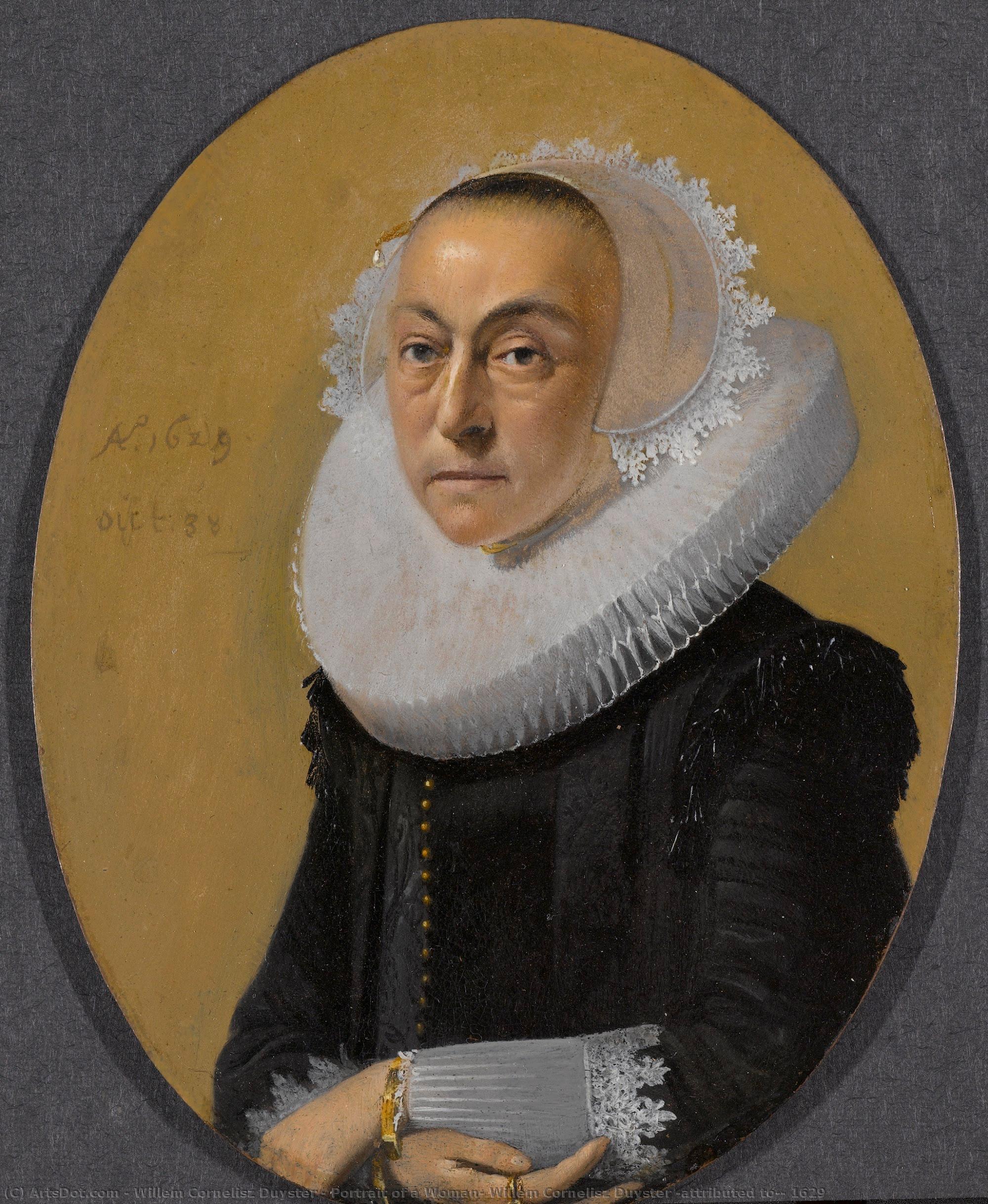
Portrait of a Woman, Willem Cornelisz Duyster (attributed to), 1629
 1629
1629 15.0 x 12.0 cm
 詳細を見る
詳細を見る
オンラインプレビューをはるかに凌ぐ、高解像度で鮮明なデジタル画像をご購入いただけます。
各ファイルは、社内の専門家が高度なツールと熟練した手作業によるレタッチを用いて、細心の注意を払って準備されています。すべての画像において、卓越した鮮明度、正確な色彩再現性、そして繊細なディテールを保証いたします。
最終ファイルは、プロフェッショナルな編集・印刷環境ですぐにご利用いただけるよう最適化された状態で、72時間以内にメールにてお届けいたします。これは、一流のデザインスタジオ、出版社、ギャラリーから信頼されているものと同等の品質です。
デジタル画像のご注文に付随する特典
高品質なデジタル画像配信を、確かな品質で。
ArtsDot.com を選ぶことは、単に画像を手に入れることではありません。それは、プロの手によって精密に仕上げられ、満足保証が付いた高品質なデジタルアートワークを受け取ることを意味します。ご注文いただいた際に自動的に付随する内容は、以下の通りです:

メールですぐにお届け
ご注文から72時間以内に、高解像度のデジタル画像ファイルがメールでお手元に届きます。すぐにそのままご利用いただけます。

AI技術で最適化されたデジタルファイル
お客様の作品は、高度なAIツールと専門家による手作業の編集を組み合わせてプロフェッショナルに最適化されており、細部のディテール、鮮明さ、そして正確な色再現性を最大限に引き出しています。

一生涯無料の再送サービス
ファイルを誤って削除したり、紛失してしまったりしましたか?ご安心ください。いつでも無料で再送いたします。

輸入手数料は一切かかりません
関税や手数料、配送料を気にすることなく、お気に入りのアートワークをすぐにお楽しみいただけます。デジタルダウンロードは常に免税です。

色彩再現の保証
プロ仕様のツールとカラーマネジメント技術を用いることで、デジタル画像が元の色を最大限に忠実に再現することを保証いたします。

100日間満足保証
ご購入いただいたデジタル画像にご満足いただけない場合は、100日以内であれば、理由を問わず修正または100%の返金対応をさせていただきます。

100% 返金保証
ご満足いただけない場合は、デジタルファイルを受け取ってから100日以内であれば、理由を問わず全額返金いたします。

まとめ買い割引
3枚購入で10%OFF - 5枚購入で15%OFF - 10枚以上購入で20%OFF。クリエイティブなプロジェクト、ギャラリー、エージェンシーに最適です。
関連作品









作家の略歴
The Quiet Observer of Dutch Military Life
In the vibrant, bustling atmosphere of Amsterdam during the seventeenth century, a period defined by the luminous heights of the Dutch Golden Age, Willem Cornelisz Duyster (1599–1635) emerged as a master of the intimate. While many of his contemporaries sought to capture the sweeping grandeur of historical epics or the stiff formality of aristocratic portraiture, Duyster turned his gaze toward a much more grounded and human subject: the cortegaarddje, or guardroom scenes. He eschewed the thunder of battlefield glory in favor of the quiet, unvarnable realities of military life, finding profound narrative potential in the pauses between conflicts.A Tapestry of Influence and Technical Brilliance
Duyster’s artistic evolution was a sophisticated blend of inherited tradition and personal innovation. His early training as a portraitist provided him with an essential foundation in anatomical precision, but it was his engagement with the works of contemporaries like Jacob Jansz van Velsen and Gerard ter Borch the Younger that truly refined his vision. From Van Velsen, he drew an ability to orchestrate complex social dynamics within domestic settings, while from Ter Borch, he inherited a devotion to psychological realism and an almost obsessive attention to detail. This synthesis allowed him to transform simple genre paintings into deep explorations of character and human interaction.His technical mastery was perhaps most breathtakingly evident in his treatment of texture. Duyster possessed a singular ability to render the tactile world; under his brush, heavy velvets and shimmering silks seemed to catch the light with a convincing, palpable weight. In works such as A Wedding Feast, the fabrics do not merely serve as costume but act as luminous protagonists, their intricate weaves and lustrous surfaces demonstrating an unparalleled command over color and light that remains captivating to the modern eye.
The Human Heart within the Guardroom
What ultimately secures Duyster’s place in the pantheon of Dutch Masters is his refusal to idealize his subjects. His soldiers are not mere symbols of valorous heroism; they are flesh-and-blood individuals, imbued with palpable emotion and complex interpersonal relationships. Through subtle glances, weary postures, and the quiet intimacy of shared moments, Duyster captured the psychological depth of those living within the barracks. He did not merely paint soldiers; he painted the human condition, ensuring that his guardroom scenes remain as poignant and resonant today as they were in the seventeenth century.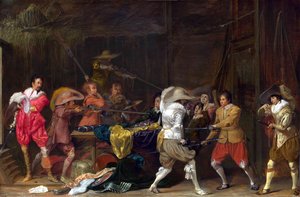
Willem Cornelisz Duyster
1599 - 1635 , Netherlands
プロフィール概要
- Artistic Movement Or Style: Dutch Golden Age
- Artists Or Movements Influenced By This Artist: ['Gerard ter Borch the Younger']
- Artists Who Influenced This Artist: ['Jacob Jansz van Velsen']
- Date Of Birth: Amsterdam, Netherlands (1599)
- Date Of Death: 1635
- Full Name: willem cornelisz duyster
- Nationality: Dutch
- Notable Artworks:
- A Wedding Feast...
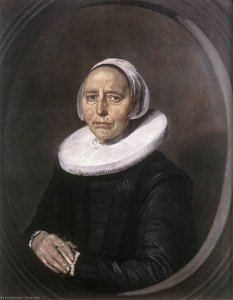
- Portrait of a Woman...
- Portrait of a Man...
- Place Of Birth: Amsterdam