

 プレビュー
プレビュー
 プリントを購入
 シェアする
シェアする シェアする
シェアする
 詳細を見る
詳細を見る

 ダウンロード
 似ている作品
 X線調査
X線調査 スライドショー
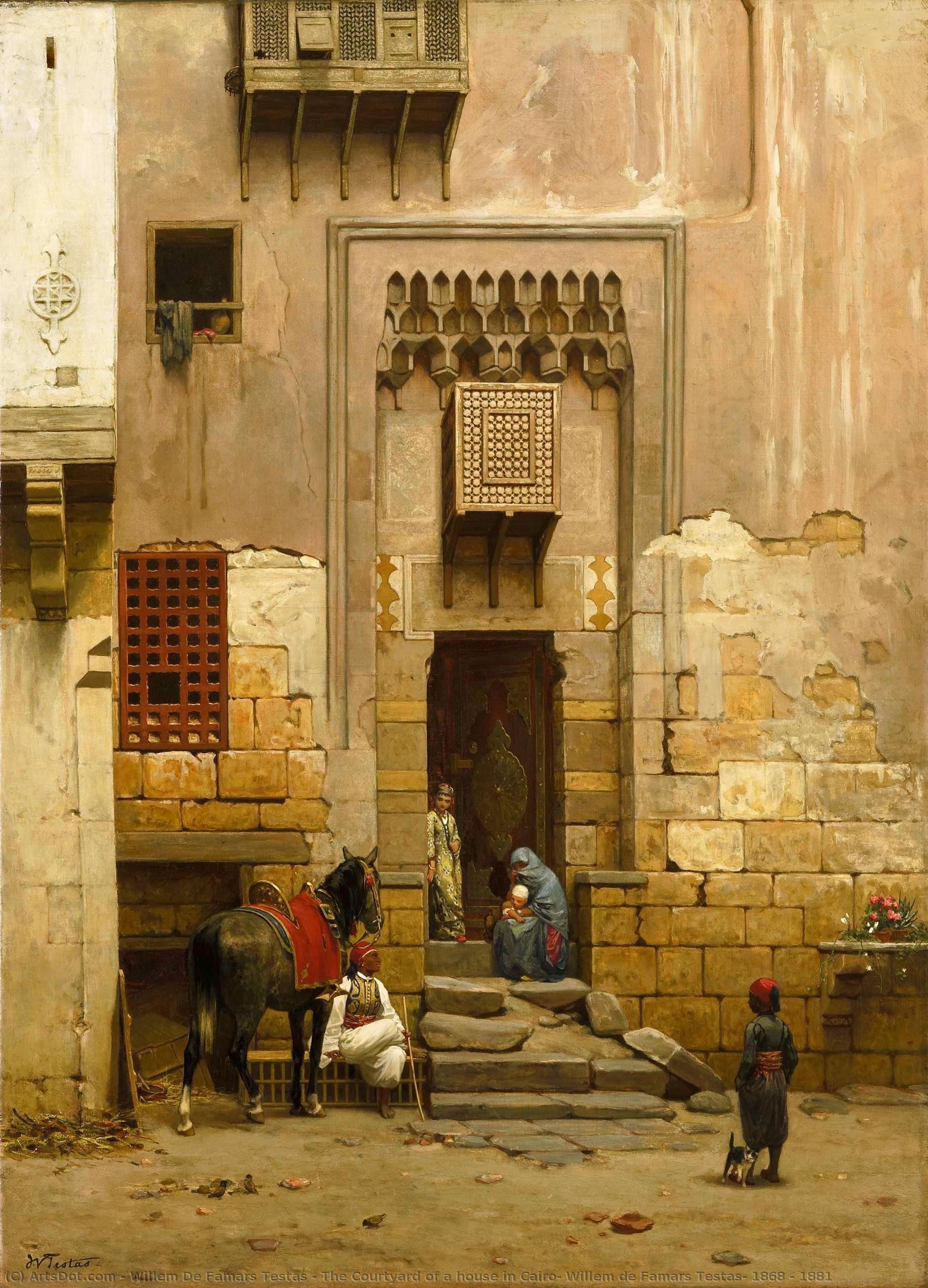
The Courtyard of a house in Cairo, Willem de Famars Testas, 1868 - 1881
 1881
1881 84.0 x 62.0 cm
 詳細を見る
詳細を見る




































作品のオリジナル比率に合わせた、当店の規定サイズからお選びください。

特定のフレームやスペースに合わせて、ご希望のサイズをご入力いただけます。選択されたサイズが元の画像の比率と異なる場合、アートワークをトリミングするか、手描きで要素を追加して絵画を拡張いたします。デジタルモックアップ を制作し、制作開始前にご確認(承認)をいただきます。
画面上のプレビューは、実際のトリミングや拡張を正確に反映しているものではありません。最終的な構図は、モックアップによってのみ正確にご確認いただけます。
カスタムサイズもご利用いただけますが、元の比率を維持するためには、あらかじめ用意されたリストからサイズを選択することをお勧めいたします。
ご注文後、ArtsDot.com チームより詳細な指示をお送りするとともに、仕上がりイメージ(モックアップ)をご提供いたします。


 ガラスオプションは、110cm未満のサイズでのみご利用いただけます。

The Courtyard of a house in Cairo, Willem de Famars Testas, 1868 - 1881
複製技法
複製画のサイズ
-


合計金額
$ 263
関連作品




アーティストの略歴
The Visionary of the Orient: The Life and Art of Willem de Famars Testas
Willem de Famars Testas was a painter who possessed the rare ability to transport his audience across continents through nothing more than pigment and light. Born in 1834 in the historic city of Utrecht, his early artistic foundations were laid within the prestigious halls of the Akademie van beeldende kunsten in The Hague. Under the tutelage of masters like Jacobus Everhardus Josephus van den Berg, he honed a technical precision that would later serve as the bedrock for his expansive, atmospheric explorations of distant lands. While his early training rooted him firmly in the Dutch tradition, his spirit was destined for much warmer, more exotic horizons. The true turning point in his creative evolution arrived not in a studio, but amidst the sun-drenched landscapes of Egypt. In 1858, a serendipitous opportunity arose when he joined an expedition led by the archaeologist Emile Prisse d'Avennes. Originally intended to support the documentation of Arab monuments, Testas found himself thrust into the role of a primary observer of life along the Nile. For two years, he wandered through Egypt, absorbing the vibrant textures of local customs, the rhythmic movement of desert animals, and the stark, beautiful interplay of light and shadow against ancient architecture. This period was transformative; it shifted his focus from mere academic study to a profound, empathetic engagement with the Orientalist subject matter that would define his legacy.A Tapestry of Light and Culture
Upon returning to Europe, Testas did not leave the Orient behind; instead, he meticulously reconstructed its essence upon canvas. His work became a bridge between the familiar landscapes of the Netherlands and the evocative mysteries of the East. He was not merely a documentarian but a storyteller who utilized warm color palettes and intricate details to render the very flavor of Egyptian life. His oeuvre is characterized by a remarkable versatility, ranging from delicate etchings and precise drawings to sweeping oil paintings that capture the bustling energy of Cairo or the quiet solitude of an oasis. His artistic journey continued to expand through further travels, including a significant expedition through Palestine and Syria in 1868. This second encounter with the Levant deepened his repertoire, allowing him to weave even more complex narratives of landscape and humanity into his work. His reputation grew alongside his travels, eventually leading to an invitation from the renowned French Orientalist Jean-Léon Gérôme, a moment that solidified his standing within the international art community. Whether depicting the bustling courtyard of a Cairene house or the serene beauty of a desert well, Testas imbued every scene with a sense of lived reality and atmospheric depth.Legacy and Artistic Significance
The historical significance of Willem de Famars Testas lies in his ability to transcend the often-static tropes of 19th-century Orientalism. While many of his contemporaries focused on the theatrical or the exoticized, Testas brought a sense of ethnographic intimacy to his subjects. His work serves as a vital visual record of a period of intense cultural encounter, capturing the dignity of local dress, the vitality of regional fauna, and the enduring majesty of ancient monuments. His influence extended beyond his own brushstrokes, as seen in the artistic path of his daughter, Marie Madelaine de Famars Testas, who also pursued a career in painting. Today, his works reside in esteemed collections such as the Rijksmuseum and the Teylers Museum, standing as enduring testaments to a life spent chasing the light of distant suns. To view a piece by Testas is to embark on a journey through time and space, experiencing the world through the eyes of a master who found his true voice in the heart of the Orient.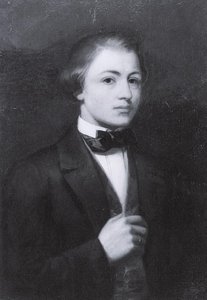
willem de famars testas
1834 - 1896 , Netherlands
基本情報
- Artistic Movement Or Style: Orientalism
- Artists Or Movements Influenced By This Artist: ['Marie de Famars Testas']
- Artists Who Influenced This Artist: ['Jacobus van den Berg']
- Date Of Birth: 1834
- Date Of Death: 1896
- Full Name: Willem de Famars Testas
- Nationality: Dutch
- Notable Artworks:
- The Well in Ezbekieh Square
- Egyptian relief sculpture
- Courtyard in Cairo
- Place Of Birth: Utrecht, Netherlands

