

 プレビュー
プレビュー
 シェアする
シェアする シェアする
シェアする
 詳細を見る
詳細を見る

 ダウンロード
 似ている作品
 X線調査
X線調査 スライドショー
 統計情報
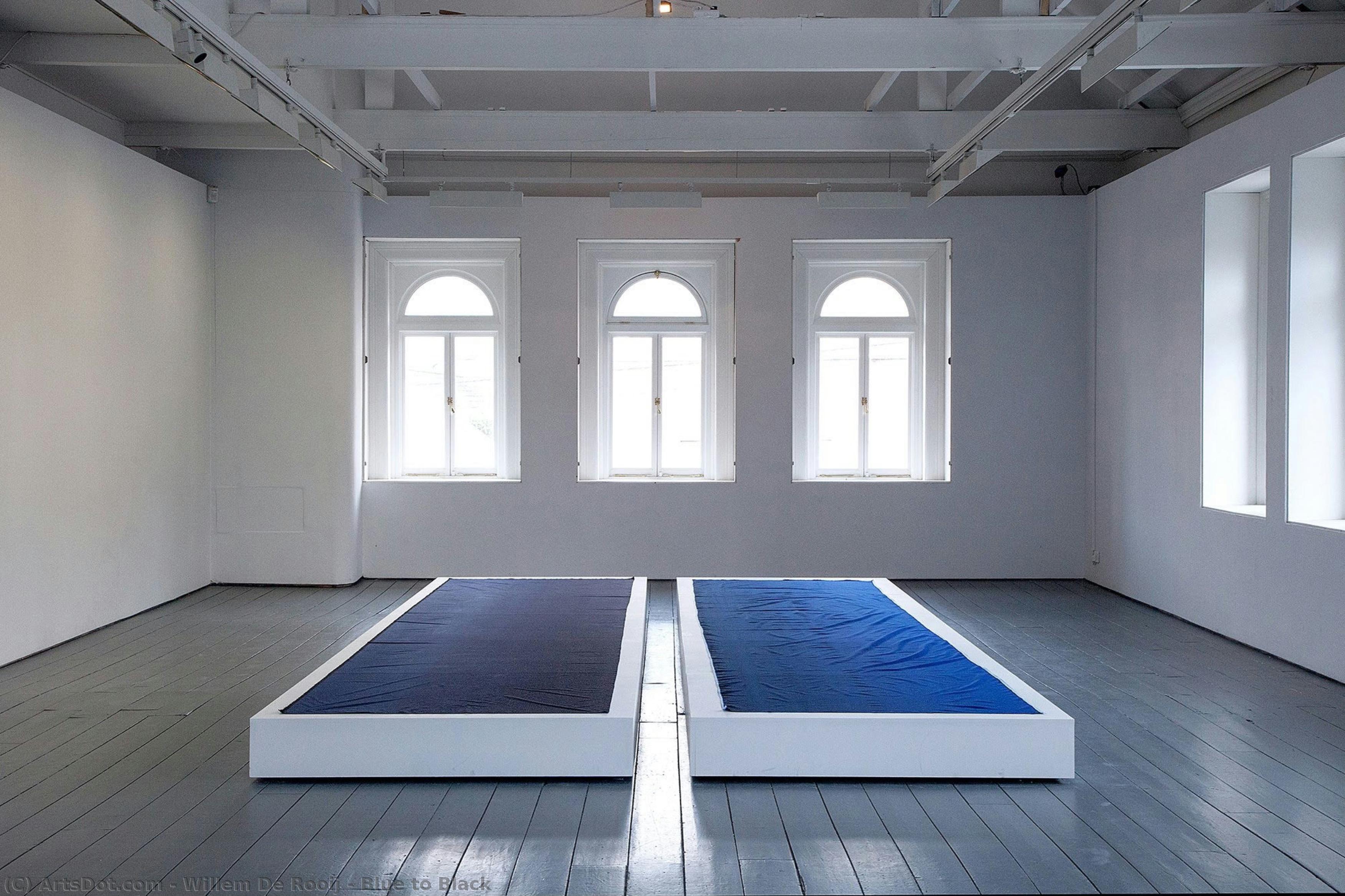
統計情報Blue to Black
 2012
2012 120.0 x 550.0 cm
 EVA International
 詳細を見る
詳細を見る
オンラインプレビューをはるかに凌ぐ、高解像度で鮮明なデジタル画像をご購入いただけます。
各ファイルは、社内の専門家が高度なツールと熟練した手作業によるレタッチを用いて、細心の注意を払って準備されています。すべての画像において、卓越した鮮明度、正確な色彩再現性、そして繊細なディテールを保証いたします。
最終ファイルは、プロフェッショナルな編集・印刷環境ですぐにご利用いただけるよう最適化された状態で、72時間以内にメールにてお届けいたします。これは、一流のデザインスタジオ、出版社、ギャラリーから信頼されているものと同等の品質です。
デジタルアート
個人での鑑賞、印刷、クリエイティブなプロジェクト用に、高解像度ファイルをダウンロードできます。 ( プリント版に切り替え 手描きの絵画を購入)
デジタル画像のご注文に付随する特典
高品質なデジタル画像配信を、確かな品質で。
ArtsDot.com を選ぶことは、単に画像を手に入れることではありません。それは、プロの手によって精密に仕上げられ、満足保証が付いた高品質なデジタルアートワークを受け取ることを意味します。ご注文いただいた際に自動的に付随する内容は、以下の通りです:

メールですぐにお届け
ご注文から72時間以内に、高解像度のデジタル画像ファイルがメールでお手元に届きます。すぐにそのままご利用いただけます。

AI技術で最適化されたデジタルファイル
お客様の作品は、高度なAIツールと専門家による手作業の編集を組み合わせてプロフェッショナルに最適化されており、細部のディテール、鮮明さ、そして正確な色再現性を最大限に引き出しています。

一生涯無料の再送サービス
ファイルを誤って削除したり、紛失してしまったりしましたか?ご安心ください。いつでも無料で再送いたします。

輸入手数料は一切かかりません
関税や手数料、配送料を気にすることなく、お気に入りのアートワークをすぐにお楽しみいただけます。デジタルダウンロードは常に免税です。

色彩再現の保証
プロ仕様のツールとカラーマネジメント技術を用いることで、デジタル画像が元の色を最大限に忠実に再現することを保証いたします。

100日間満足保証
ご購入いただいたデジタル画像にご満足いただけない場合は、100日以内であれば、理由を問わず修正または100%の返金対応をさせていただきます。

100% 返金保証
ご満足いただけない場合は、デジタルファイルを受け取ってから100日以内であれば、理由を問わず全額返金いたします。

まとめ買い割引
3枚購入で10%OFF - 5枚購入で15%OFF - 10枚以上購入で20%OFF。クリエイティブなプロジェクト、ギャラリー、エージェンシーに最適です。
関連作品








作家の略歴
Early Life and Artistic Foundations
Willem de Rooij emerged as a significant voice in contemporary art, born in 1969 in the Dutch town of Beverwijk. His upbringing within the Netherlands—a nation deeply intertwined with histories of reclamation, trade, and floral cultivation—profoundly shaped his artistic trajectory. This early environment instilled in him a complex relationship with nature, one that wasn’t rooted in idyllic pastoralism but rather an awareness of constructed landscapes and commodified beauty. De Rooij's formal education began with studies in Art History at the University of Amsterdam, followed by immersion in the practicalities of art-making at the Gerrit Rietveld Academie and later, a residency at the Rijksakademie—institutions that fostered both intellectual rigor and experimental practice. These formative years laid the groundwork for his distinctive approach: an investigation into the very mechanisms of image production, contextualization, and interpretation. He wasn’t simply interested in *what* images were, but *how* they came to be, how they circulated, and what meanings accrued through their various encounters with audiences and institutions.Collaboration and the Production of Meaning
A defining aspect of de Rooij's early career was his long-term collaboration with Jeroen de Rijke (1970–2006). Together, they challenged conventional notions of authorship and artistic agency. Their work wasn’t about imposing a singular vision but rather initiating a dialogue—a process of exchange that blurred the boundaries between creator and interpreter. This collaborative spirit extended beyond their partnership; De Rooij consistently engages with other practitioners – florists, weavers, writers, photographers – recognizing art as inherently discursive. The famed “Bouquets” series exemplifies this approach. Initiated during his collaboration with de Rijke, these sculptures aren’t merely arrangements of flowers but rather conceptual objects designed to test the malleability of meaning. Each bouquet is meticulously crafted in partnership with florists, becoming a site where cultural codes, aesthetic conventions, and personal narratives intersect. The ongoing “translation” of this series—its continuous evolution and adaptation—underscores De Rooij’s belief that art is never fixed but perpetually open to reinterpretation.Academic Pursuits and Institutional Engagement
Alongside his artistic practice, de Rooij has maintained a dedicated commitment to education. Since 1998, he has taught at various institutions, culminating in his position as Professor of Fine Art at the Staatliche Hochschule für Bildende Künste – Städelschule in Frankfurt am Main since 2006. This academic role isn’t viewed as separate from his art-making but rather as an extension of it—a space for critical discourse and intellectual exchange. He approaches teaching not as a didactic exercise but as a collaborative conversation, fostering independent thought and challenging established norms. His engagement with institutions extends beyond the classroom; he served as a member of the Supervisory Board of the Stedelijk Museum in Amsterdam from 2010 to 2018, actively shaping the landscape of contemporary art through curatorial decisions and policy initiatives. In 2016, he co-founded BPA// Berlin, a program designed to facilitate exchange between emerging and experienced artists, further solidifying his commitment to nurturing artistic communities.Major Achievements and Critical Recognition
De Rooij’s work has garnered significant critical acclaim throughout his career. He received the Bâloise Art Prize in 2000, followed by nominations for the prestigious Hugo Boss Award in 2004 and the Vincent Award in 2014. His representation of the Netherlands at the 2005 Venice Biennale—alongside Jeroen de Rijke—marked a pivotal moment, bringing their collaborative practice to an international audience. Solo exhibitions have been staged at prominent institutions worldwide, including the Gemäldegalerie der Akademie der bildenden Künste in Vienna, Portikus Frankfurt, and the Jewish Museum in New York. These exhibitions showcase the breadth of his artistic vision, encompassing film, installation, sculpture, and photography. His work is held in esteemed collections such as the Stedelijk Museum Amsterdam, MUMOK Vienna, Centre Pompidou Paris, and MoMA New York—testaments to its enduring significance within contemporary art discourse.Historical Significance and Lasting Impact
Willem de Rooij’s contribution to contemporary art lies in his profound interrogation of image production and the power dynamics inherent in visual culture. He doesn't offer definitive answers but rather poses challenging questions—questions about authorship, appropriation, collaboration, and the very nature of representation. His work has stimulated new research in art history and ethnography, prompting a re-evaluation of established narratives and methodologies. His emphasis on exchange and process challenges the traditional notion of the artist as a solitary genius, instead positioning art as a collaborative endeavor deeply embedded within social and political contexts. De Rooij’s legacy extends beyond his individual artworks; it resides in his ability to foster critical dialogue, inspire new generations of artists, and provoke a deeper understanding of the complex relationship between images, power, and meaning. He continues to work and teach in Berlin, pushing boundaries and challenging conventions with unwavering intellectual curiosity.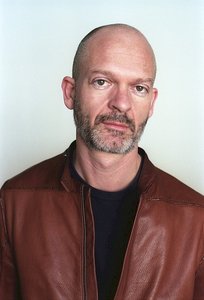
willem de rooij
1969 - , Netherlands
プロフィール概要
- Artistic Movement Or Style: Contemporary art
- Current Status: Living
- Date Of Birth: 1969
- Education: Rietveld Academie
- Full Name: Willem de Rooij
- Nationality: Dutch
- Notable Artworks: ['Bouquets']
- Place Of Birth (City And Country): Beverwijk, Netherlands
- Professor Of Fine Art: Städelschule, Frankfurt