

 プレビュー
プレビュー
 シェアする
シェアする シェアする
シェアする
 詳細を見る
詳細を見る

 ダウンロード
 似ている作品
 X線調査
X線調査 スライドショー
 統計情報
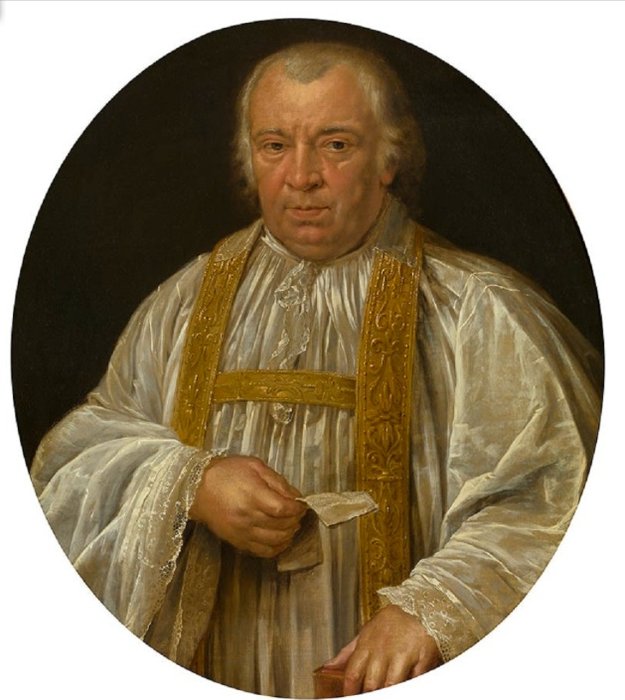
統計情報God the Father
 詳細を見る
詳細を見る
ジークレー/アートプリント
迅速な制作と多彩な仕上げオプションを備えた、ミュージアムクオリティのジークレーまたはキャンバスプリント。 ( 手描きの絵画を購入 デジタル画像販売へ切り替え)




































作品のオリジナル比率に合わせた、当店の規定サイズからお選びください。

特定のフレームやスペースに合わせて、ご自身でサイズを指定することも可能です。選択されたサイズが元の画像の比率と一致しない場合、作品をトリミングするか、鏡面反射または単色での塗りつぶしによって画像を拡張いたします。制作を開始する前に、ご確認用のデジタルモックアップをお送りいたします。
画面上のプレビューには、実際のトリミングや拡張は反映されませんのでご注意ください。最終的な構図を正確に確認できるのは、モックアップのみとなります。
カスタムサイズも承っておりますが、元の比率を維持するためには、あらかじめ用意されたリストからサイズを選択することをお勧めいたします。


 ガラスオプションは、110cm未満のサイズでのみご利用いただけます。

God the Father
ジークレー/アートプリント
複製画のサイズ
-


合計金額
$ 62
関連作品









アーティストの略歴
Willem Herreyns: Antwerp’s Silent Maestro of Faith and Portraiture
Willem Jacob Herreyns (1743 – 1827) remains a figure shrouded in relative obscurity compared to his contemporaries, yet his contribution to the artistic landscape of Antwerp and beyond is undeniable. Born into a family steeped in artistic tradition—his father was also a painter—Herreyns honed his craft amidst the burgeoning Enlightenment, absorbing influences from artists like Rembrandt and Rubens while simultaneously upholding deeply rooted Catholic piety. This duality – intellectual curiosity tempered by spiritual conviction – defines not only his personal ethos but also permeates his oeuvre, resulting in paintings that resonate with both psychological depth and sublime beauty.- Early Life & Training: Herreyns’ formative years were spent studying under Johann Baptist Huysmans, a respected Antwerp artist who instilled in him the principles of classical painting. This grounding in tradition ensured that Herreyns would adhere to meticulous observation and anatomical accuracy – hallmarks of Baroque art – as he embarked on his artistic journey.
- A Painter’s Palette: Herreyns excelled primarily in portraiture, capturing the likenesses of prominent figures from Antwerp society with remarkable sensitivity. However, he wasn't solely devoted to depicting faces; he produced a substantial body of religious paintings, notably “Supper at Emmaus” and “Portrait of Artist A. C. Lens,” demonstrating his profound engagement with theological themes.
- Notable Works & Museums: Herreyns’ canvases grace the collections of museums in The Hague and Antwerp, offering invaluable insights into the artistic tastes and intellectual currents of his era. His meticulous attention to detail—evident in the expressive brushstrokes and luminous color palettes—continues to captivate viewers today.
- Influence & Legacy: While Herreyns’ name may not dominate art historical narratives, he nonetheless exerted considerable influence on subsequent generations of Antwerp painters. His unwavering commitment to classical ideals served as a beacon for artists striving to elevate their craft and imbue it with moral significance.
The Baroque Spirit & Anatomical Precision
Herreyns’ artistic style is firmly rooted in the Baroque tradition, characterized by dramatic chiaroscuro—the interplay of light and shadow—and an emphasis on emotional intensity. Like Rembrandt before him, he skillfully manipulated tonal values to convey psychological states, capturing nuances of expression that transcend mere visual representation. This technique wasn't merely stylistic; it reflected a broader philosophical preoccupation with exploring the human condition – confronting darkness alongside illumination.- Rembrandt’s Shadow Play: Herreyns consciously modeled his approach to painting after Rembrandt’s groundbreaking explorations of light and emotion. He meticulously studied Rembrandt's compositions, analyzing how he utilized chiaroscuro to create a sense of drama and psychological realism.
- Rubensian Grandeur & Color Harmony: Rubens’ influence is equally palpable in Herreyns’ paintings, particularly his monumental religious scenes. Rubens championed opulent color palettes and dynamic movement—principles that Herreyns embraced wholeheartedly, striving to achieve visual grandeur commensurate with the spiritual aspirations conveyed.
Religious Painting: A Reflection of Faith
Herreyns' devotion to Catholicism profoundly shaped his artistic vision. He viewed painting as a vehicle for conveying theological truths – illuminating scripture and inspiring contemplation—rather than merely documenting historical events. “Supper at Emmaus” exemplifies this conviction, depicting the transformative encounter between Jesus and His disciples with breathtaking realism and spiritual resonance.- Symbolism & Narrative: Herreyns’ religious paintings are replete with symbolic imagery – referencing biblical narratives and conveying moral lessons. He skillfully employed compositional devices—such as pyramidal structures—to guide the viewer's gaze and reinforce the narrative arc of each scene.
- Emotional Depth & Spiritual Intensity: Beyond visual splendor, Herreyns’ religious paintings aspire to evoke profound emotional responses – stirring feelings of compassion, humility, and reverence. He achieved this goal through masterful rendering of facial expressions and body postures—capturing the palpable drama of sacred moments.
Portraiture: Capturing Essence
Herreyns' portraits stand apart from many of his contemporaries due to their remarkable psychological insight. Unlike mere likenesses, he endeavored to capture not just physical appearance but also inner character – revealing glimpses of personality through subtle gestures and expressions.- Observation & Anatomical Accuracy: Herreyns’ portraiture demanded meticulous observation—analyzing every detail of his subjects' anatomy and demeanor. He painstakingly reconstructed facial muscles and skeletal structure, striving to achieve anatomical precision that surpassed conventional standards.
- Psychological Portraiture: More than mere visual representation, Herreyns sought to convey psychological states – capturing moods and emotions with nuanced brushstrokes and color harmonies. His portraits are imbued with a palpable sense of immediacy—suggesting that he was attempting to freeze time and preserve the essence of his subjects’ souls.
Historical Significance & Enduring Appeal
Willem Herreyns' legacy extends beyond his artistic achievements; he embodies the spirit of Antwerp during its Golden Age – a period marked by intellectual ferment, artistic innovation, and unwavering faith. His paintings continue to inspire admiration for their technical mastery and emotional depth—serving as enduring reminders of the transformative power of art.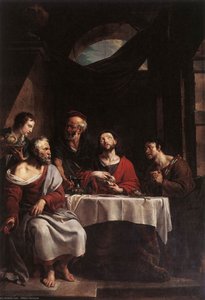
willem herreyns
1743 - 1827 , Netherlands
基本情報
- Artistic Movement Or Style: Portrait Painting
- Artists Or Movements Influenced By This Artist: ['Dutch Golden Age']
- Artists Who Influenced This Artist: ['Hendrik Willem Mesdag']
- Date Of Birth: 1743 Antwerp Netherlands
- Date Of Death: 1827
- Full Name: Willem Jacob Herreyns
- Nationality: Dutch
- Notable Artworks:
- Supper at Emmaus
- Portrait of Artist A. C. Lens
- Place Of Birth: Antwerp Netherlands