

 プレビュー
プレビュー
 プリントを購入
 シェアする
シェアする シェアする
シェアする
 詳細を見る
詳細を見る

 ダウンロード
 似ている作品
 X線調査
X線調査 スライドショー
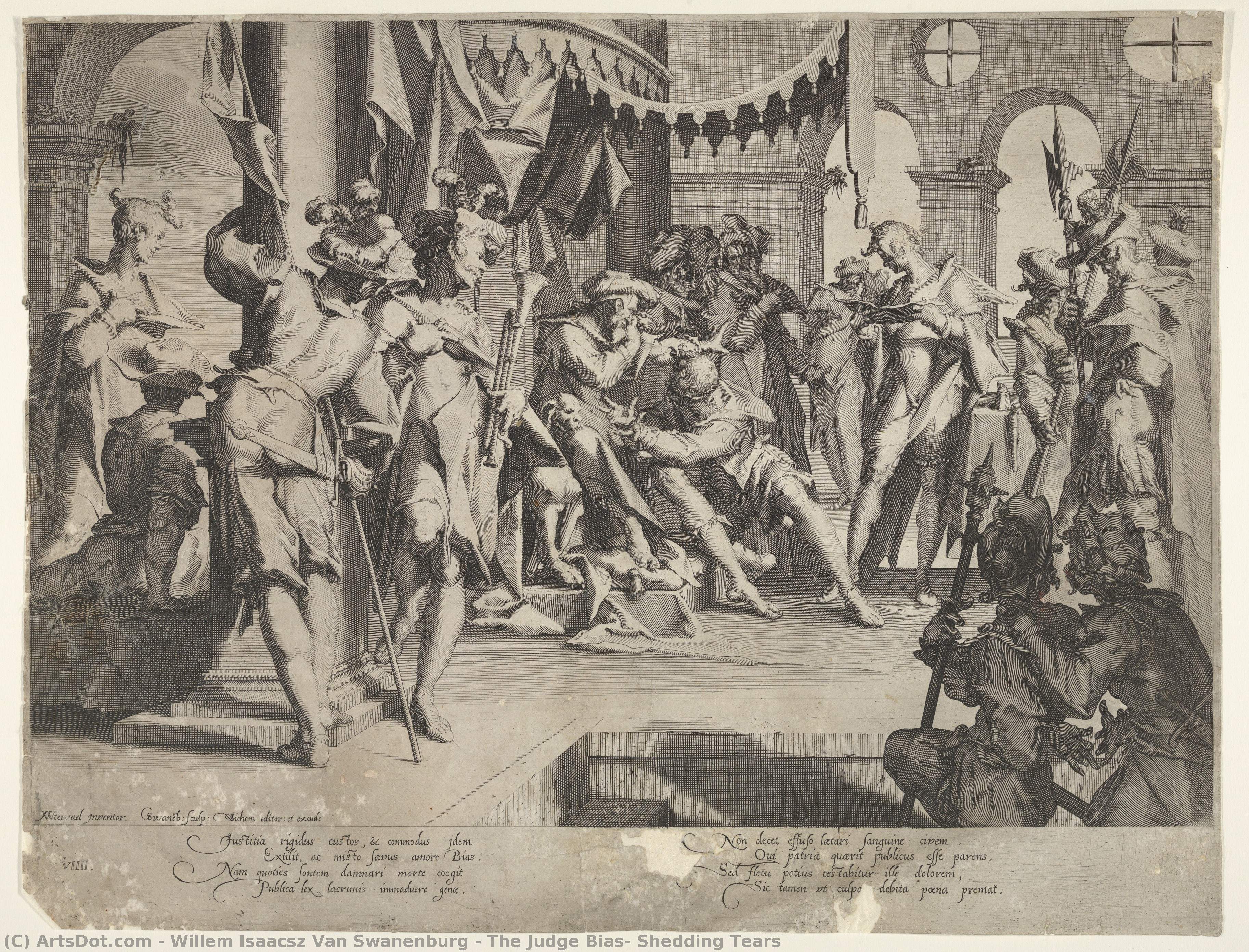
The Judge Bias, Shedding Tears
 Engraving
- WallArt
- Baroque
 1605
1605- Early Modern
 30.0 x 39.0 cm
 メトロポリタン美術館
 詳細を見る
詳細を見る
オンラインプレビューをはるかに凌ぐ、高解像度で鮮明なデジタル画像をご購入いただけます。
各ファイルは、社内の専門家が高度なツールと熟練した手作業によるレタッチを用いて、細心の注意を払って準備されています。すべての画像において、卓越した鮮明度、正確な色彩再現性、そして繊細なディテールを保証いたします。
最終ファイルは、プロフェッショナルな編集・印刷環境ですぐにご利用いただけるよう最適化された状態で、72時間以内にメールにてお届けいたします。これは、一流のデザインスタジオ、出版社、ギャラリーから信頼されているものと同等の品質です。
デジタル画像のご注文に付随する特典
高品質なデジタル画像配信を、確かな品質で。
ArtsDot.com を選ぶことは、単に画像を手に入れることではありません。それは、プロの手によって精密に仕上げられ、満足保証が付いた高品質なデジタルアートワークを受け取ることを意味します。ご注文いただいた際に自動的に付随する内容は、以下の通りです:

メールですぐにお届け
ご注文から72時間以内に、高解像度のデジタル画像ファイルがメールでお手元に届きます。すぐにそのままご利用いただけます。

AI技術で最適化されたデジタルファイル
お客様の作品は、高度なAIツールと専門家による手作業の編集を組み合わせてプロフェッショナルに最適化されており、細部のディテール、鮮明さ、そして正確な色再現性を最大限に引き出しています。

一生涯無料の再送サービス
ファイルを誤って削除したり、紛失してしまったりしましたか?ご安心ください。いつでも無料で再送いたします。

輸入手数料は一切かかりません
関税や手数料、配送料を気にすることなく、お気に入りのアートワークをすぐにお楽しみいただけます。デジタルダウンロードは常に免税です。

色彩再現の保証
プロ仕様のツールとカラーマネジメント技術を用いることで、デジタル画像が元の色を最大限に忠実に再現することを保証いたします。

60日間満足保証
ご購入いただいたデジタル画像にご満足いただけない場合は、60日以内であれば、修正または100%の返金(理由を問う必要はありません)をさせていただきます。

100% 返金保証
ご満足いただけない場合は、デジタルファイルを受け取ってから60日以内であれば、理由を問わず全額返金いたします。

まとめ買い割引
3枚購入で10%OFF - 5枚購入で15%OFF - 10枚以上購入で20%OFF。クリエイティブなプロジェクト、ギャラリー、エージェンシーに最適です。
The Judge Bias Shedding Tears: A Baroque Portrait of Grief and Justice
Joachim Wtewael’s “The Judge Bias Shedding Tears,” created in 1605, stands as a poignant emblem of the Baroque era's preoccupation with emotion and moral contemplation. Executed in etching and engraving on paper by Christoffel van Sichem II, this artwork transcends mere visual representation; it delves into profound psychological depth and invites viewers to grapple with themes of sorrow, righteousness, and divine judgment.
Wtewael’s masterful technique—characterized by meticulous detail and subtle tonal gradations achieved through multiple impressions—captures the solemn dignity of a seated judge. The artist skillfully employs chiaroscuro, manipulating light and shadow to sculpt the figure's form and accentuate its expressive gestures. Notice how the judge’s slumped posture conveys palpable grief, while his downcast gaze embodies humility before God.
The engraving belongs to “Thronus Justitiae,” a monumental series commissioned by Prince Maurice of Orange aimed at glorifying Protestant ideals and commemorating the siege of Maastricht. This ambitious project sought to elevate biblical narratives into grand allegorical representations, reflecting the intellectual fervor of the time—influenced heavily by Rembrandt’s dramatic use of light and shadow.
Symbolically, “The Judge Bias Shedding Tears” speaks volumes about the moral responsibilities inherent in leadership. The judge's weeping signifies repentance for failings and underscores the importance of compassion alongside unwavering adherence to ethical principles. Furthermore, the inclusion of other figures—representing various aspects of human experience—creates a dynamic tableau that encourages contemplation on the complexities of justice and faith.
The artwork’s emotional impact remains remarkably potent centuries later. Its melancholic beauty evokes feelings of empathy and invites viewers to consider the universal human condition—the inescapable confrontation with mortality and the enduring quest for spiritual solace. “The Judge Bias Shedding Tears” serves as a timeless reminder that true righteousness demands not only adherence to law but also profound sensitivity to suffering.
- Artist: Joachim Wtewael
- Date: 1605–6
- Medium: Engraving and Etching
- Series: Thronus Justitiae
- Location: Metropolitan Museum of Art (Met), New York City, NY
This print is from a set of 13 plates depicting “pictures of justice”, with scenes from the Bible, history, and legend. The prints are executed by Willem Swaneburg after designs by Joachim Wtewael. The prints were first published by Christoffel van Sichem I in 1606.
関連作品

作家の略歴
A Legacy Etched in Light and Line
The story of Willem Isaacsz. van Swanenburg is one of profound artistic lineage and the delicate interplay between Northern precision and Southern grandeur. Born into a family where the very air of Leiden breathed creativity, Willem was part of a distinguished dynasty of creators. His father, Isaac Claesz. van Swanengburg, was a master of design and monumental works, providing a foundation of technical excellence that would define Willem's early years. Growing up in an environment steeped in the Arminian faith and the intellectual fervor of the Dutch Golden Age, Willem’s development was not merely a matter of skill, but a spiritual and cultural immersion into the textures of his era.
While his brother Jacob achieved renown as a history painter, Willem carved his own niche within the intricate world of printmaking. His work serves as a vital bridge between the meticulous traditions of the Netherlands and the dramatic, emotive influences of the Italian Renaissance. Through his engravings, he captured the essence of an age caught between the structured devotion of the Reformation and the burgeoning theatricality of the Baroque movement.
The Italian Influence and Stylistic Evolution
The trajectory of Willem’s artistry was irrevocably altered by his exposure to the vibrant artistic currents flowing through Italy. The journey to Venice allowed him to witness firsthand the mastery of Venetian Mannerism, a style defined by its use of dramatic lighting and expressive, fluid brushstrokes. This encounter with the legacy of masters like Tintoretto infused his engravings with a sense of movement and atmospheric depth that was rare in the more rigid Northern traditions. As he moved toward Rome, the weight of classical antiquity and the monumental techniques of the Italian masters began to settle into his line work.
This synthesis of styles allowed him to approach subject matter with a unique duality. He possessed the Dutch capacity for minute, almost microscopic detail—essential for the scholarly and biblical themes of the time—yet he imbued these scenes with a sense of classical drama. His ability to manipulate light and shadow through the medium of engraving created a sense of volume and presence, making his black and white prints feel as though they possessed the weight of oil paintings.
Masterworks and Historical Significance
Willem’s oeuvre is characterized by its remarkable versatility, ranging from the scholarly to the mythological. His engravings often served as windows into the intellectual life of the 17th century, capturing both the grandeur of historical figures and the quiet dignity of academic institutions. Some of his most notable contributions include:
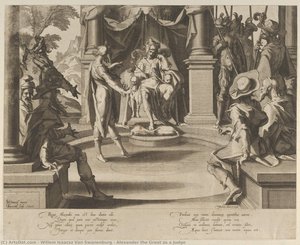
- Alexander the Great as a Judge: A breathtaking Baroque engraving that showcases his ability to depict historical gravity through intricate detail and a commanding composition.
- University Library Leiden: A stunning testament to his skill in architectural rendering, where his fine line work celebrates the scholarly pursuits and the structural beauty of one of Holland's most prestigious institutions.
- Janus Hautenus: A masterful example of classical portraiture, utilizing symbolic elements and precise engraving techniques to evoke the character and complexity of his subject.
Beyond his individual compositions, Willem van Swanenburg holds a unique place in art history due to his connection to the next generation of masters. His role as an early teacher to Rembrandt suggests that the seeds of the Dutch Golden Age's greatest light-master were sown within the technical rigor and atmospheric experimentation practiced by artists like Willem. Though his life was part of a broader family tapestry, his individual contribution remains a vital chapter in the evolution of European printmaking, preserving the fleeting shadows and enduring truths of the 17th century.
willem isaacsz van swanenburg
1571 - 1638 , Netherlands
プロフィール概要
- Artistic Movement Or Style: Dutch Golden Age engraving
- Artists Or Movements Influenced By This Artist: ['Rembrandt']
- Artists Who Influenced This Artist: ['Frans Floris']
- Date Of Birth: January 29, 1580
- Full Name: Jacob Isaacsz. van Swanenburg
- Nationality: Dutch
- Notable Artworks:
- Anatomical Theatre Leiden
- Ernst Casimir of Nassau-Dietz
- Lot and His Daughters
- Place Of Birth: Leiden, Netherlands

