

 プレビュー
プレビュー
 プリントを購入
 シェアする
シェアする シェアする
シェアする
 詳細を見る
詳細を見る

 ダウンロード
 似ている作品
 X線調査
X線調査 スライドショー
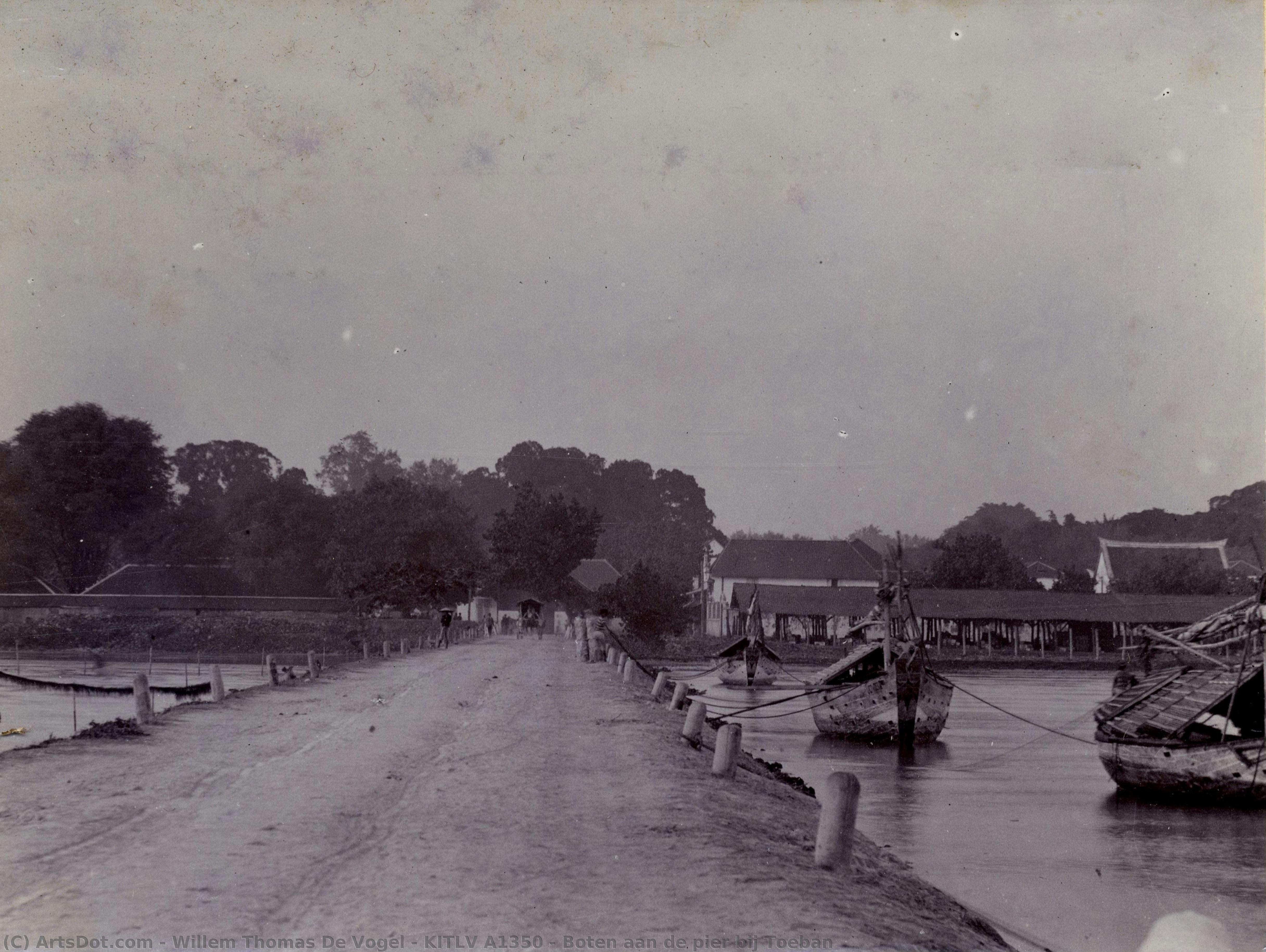
KITLV A1350 - Boten aan de pier bij Toeban


 詳細を見る
詳細を見る




P118B $10

P118H $10

P118W $10

P438Z $10

P508JH $12

P508YH $12

P805H $10

P805Z $10

P919BZ $10

P919G $10

P919XJ $10

P959ZH $10

P968JZ $12

W106C $8

W218G $10

W218JH $8

W218Y $10

W307PJ $10

W316G $10

W316PJ $8

W316Y $10

W398PJ $8

W4111J $10

W500HY $15

W500JH $15

W692G $12

W849H $8

W940BG $15

W953PJ $8




作品のオリジナル比率に合わせた、当店の規定サイズからお選びください。

特定のフレームやスペースに合わせて、ご希望のサイズをご入力いただけます。選択されたサイズが元の画像の比率と異なる場合、アートワークをトリミングするか、手描きで要素を追加して絵画を拡張いたします。デジタルモックアップ を制作し、制作開始前にご確認(承認)をいただきます。
画面上のプレビューは、実際のトリミングや拡張を正確に反映しているものではありません。最終的な構図は、モックアップによってのみ正確にご確認いただけます。
カスタムサイズもご利用いただけますが、元の比率を維持するためには、あらかじめ用意されたリストからサイズを選択することをお勧めいたします。
ご注文後、ArtsDot.com チームより詳細な指示をお送りするとともに、仕上がりイメージ(モックアップ)をご提供いたします。


 ガラスオプションは、110cm未満のサイズでのみご利用いただけます。

KITLV A1350 - Boten aan de pier bij Toeban
複製技法
複製画のサイズ
-


合計金額
$ 263
関連作品

アーティストの略歴
Edvard Munch: A Soul Exposed in Color
Edvard Munch (December 12, 1863 – January 23, 1944) was a Norwegian painter and printmaker whose intensely evocative art profoundly shaped the course of modern art. More than simply depicting scenes, Munch sought to externalize inner emotional states—an obsession with illness, death, anxiety, and love that permeated his entire oeuvre. His most iconic work, *The Scream*, remains a potent symbol of the anxieties inherent in the modern human condition, solidifying his place as one of the pivotal figures bridging Symbolism and Expressionism. Born into a family burdened by tragedy and illness, Munch’s early life profoundly influenced his artistic vision, driving him to explore the darkest corners of the human psyche through bold color and distorted forms.Early Life and Influences: A Cradle of Sorrow
Munch's childhood was marked by profound loss and a pervasive sense of unease. His mother died when he was only five years old, followed by the deaths of his father and an older sister from tuberculosis within a few years. These early traumas instilled in him a lifelong preoccupation with mortality and suffering—themes that would become central to his artistic expression. He also experienced periods of severe illness himself, often confined to bed for extended stretches, which afforded him time for drawing and fostered a deep connection with the natural world. Crucially, Munch’s artistic development was shaped by the Kristiania Bohème, a vibrant circle of artists and writers in Oslo who challenged conventional bourgeois values. This environment exposed him to new ideas about art and life, encouraging him to break free from traditional academic constraints. Influences from French Impressionism, particularly the use of color and light, combined with the raw emotionality of Post-Impressionists like Vincent van Gogh and Paul Gauguin, provided a crucial foundation for his distinctive style.The Development of a Unique Style: Soul Painting
Munch’s artistic journey wasn't linear; he experimented with various styles before arriving at his recognizable aesthetic. Initially influenced by Impressionism, he quickly moved beyond mere representation to explore the subjective experience of emotion. He coined the term “soul painting” ( *sjelmaleri* in Norwegian) to describe his approach—a deliberate attempt to capture not just what he saw but how he felt. This involved distorting reality and employing exaggerated colors and lines to convey psychological states. His early works, such as *The Vampire* (1893), demonstrate this preoccupation with themes of sexuality, guilt, and death. A pivotal moment came in 1893 when Munch experienced a powerful vision during a walk at sunset—an overwhelming sense of “the great scream in nature” that directly inspired *The Scream*. This experience solidified his commitment to expressing inner turmoil through art.Key Works and Recurring Themes
Munch’s body of work is vast and varied, encompassing paintings, prints, drawings, and sculptures. However, certain themes recur consistently throughout his oeuvre: death, illness, anxiety, love, loneliness, and the experience of alienation. *The Scream* (1893), arguably his most famous painting, captures a moment of existential dread—a primal cry against the perceived indifference of the universe. Other significant works include *Madonna*, a deeply personal depiction of motherhood infused with melancholy; *Despair*, a haunting portrayal of isolation and hopelessness; and *Völva* (1893), inspired by Norse mythology and exploring themes of fate and prophecy. His series *The Frieze of Life* (1897-1905) offered a powerful, unflinching exploration of the major stages of human existence—love, joy, suffering, anxiety, and death.Legacy and Historical Significance
Edvard Munch’s influence on 20th-century art is undeniable. His willingness to confront difficult emotions and explore the darker aspects of the human psyche paved the way for Expressionism and other movements that prioritized subjective experience over objective representation. *The Scream*, in particular, has become a universally recognized symbol of modern anxiety—a visual shorthand for feelings of alienation, fear, and despair. Despite facing censorship and personal struggles throughout his life, Munch’s work continues to resonate deeply with audiences today, reminding us of the enduring power of art to illuminate the complexities of the human condition. His legacy extends beyond the realm of painting; he remains a potent symbol of artistic innovation and emotional honesty, forever linked to the anxieties and aspirations of the modern world.
willem thomas de vogel
1863 - 1955 , Indonesia
基本情報
- Artistic Movement Or Style: Expressionism, Symbolism
- Artists Or Movements Influenced By This Artist: ['German Expressionism']
- Artists Who Influenced This Artist:
- Vincent van Gogh
- Paul Gauguin
- Date Of Birth: December 12, 1863
- Date Of Death: January 23, 1944
- Full Name: Edvard Munch
- Nationality: Norwegian
- Notable Artworks:
- The Scream
- Madonna
- Vierge
- Despair
- Place Of Birth: Løten, Norway
関連記事
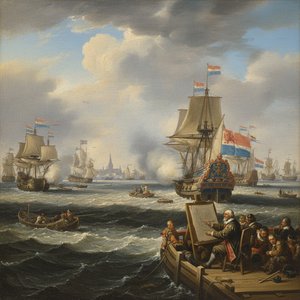
Willem van de Velde the Elder: Master of Maritime Painting & Chronicler of the Dutch Golden Age
Discover the captivating maritime paintings of Willem van de Velde the Elder, a master chronicler of the Dutch Golden Age. Explore his unparalleled realism and lasting influence on naval art history.

黄金世紀の巨匠たち:バロック絵画が彩る10選|ArtsDot
オランダ黄金時代の10大傑作を紐解く!レンブラント、フェルメール…バロック絵画の魅力と時代背景を深く探求。ArtsDotで、至高のアートコレクションと空間演出のヒントを見つけよう。高品質なアートプリントで、お部屋を華やかに。
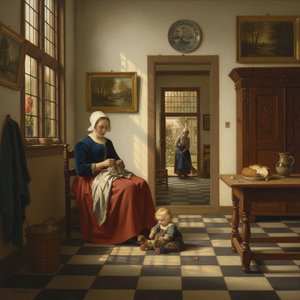
Pieter de Hooch: Illuminating Dutch Domestic Life & Golden Age Charm
Explore the captivating world of Pieter de Hooch, a master of Dutch Golden Age painting. Discover his innovative use of light, intimate domestic scenes, and lasting influence on art history. Learn more at ArtsDot.

Golden Age Reflections: Dutch Baroque Painting & Cultural Innovation
Explore the Dutch Golden Age of painting! Discover key artists like Vermeer & ter Borch, their innovative techniques, and the rich cultural context behind these Baroque masterpieces. Learn about collecting & appreciating this iconic art period.

Illuminating Innovation: Exploring the Dutch Golden Age of Painting
Explore the Dutch Golden Age of painting with ArtsDot. Discover Rembrandt, Vermeer & other Masters. Learn about key characteristics, iconic artworks, and lasting influence. Expert insights for collectors & enthusiasts.

