

 プレビュー
プレビュー
 プリントを購入
 シェアする
シェアする シェアする
シェアする
 詳細を見る
詳細を見る

 ダウンロード
 似ている作品
 X線調査
X線調査 スライドショー
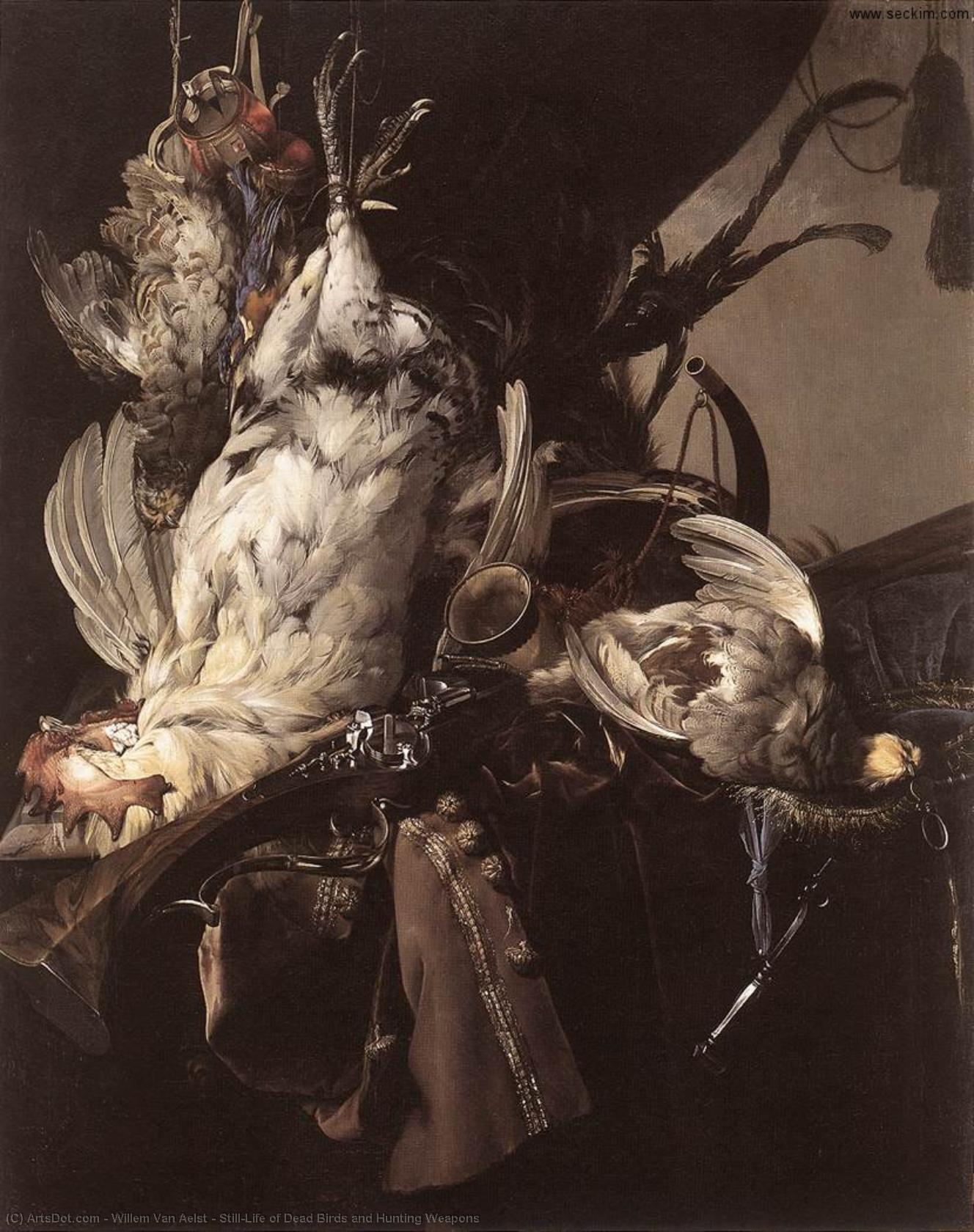
Still-Life of Dead Birds and Hunting Weapons
 Oil On Canvas
- WallArt
- Dutch Golden Age
 1660
1660 86.0 x 68.0 cm
 国立博物館群
 詳細を見る
詳細を見る
オンラインプレビューをはるかに凌ぐ、高解像度で鮮明なデジタル画像をご購入いただけます。
各ファイルは、社内の専門家が高度なツールと熟練した手作業によるレタッチを用いて、細心の注意を払って準備されています。すべての画像において、卓越した鮮明度、正確な色彩再現性、そして繊細なディテールを保証いたします。
最終ファイルは、プロフェッショナルな編集・印刷環境ですぐにご利用いただけるよう最適化された状態で、72時間以内にメールにてお届けいたします。これは、一流のデザインスタジオ、出版社、ギャラリーから信頼されているものと同等の品質です。
デジタル画像のご注文に付随する特典
高品質なデジタル画像配信を、確かな品質で。
ArtsDot.com を選ぶことは、単に画像を手に入れることではありません。それは、プロの手によって精密に仕上げられ、満足保証が付いた高品質なデジタルアートワークを受け取ることを意味します。ご注文いただいた際に自動的に付随する内容は、以下の通りです:

メールですぐにお届け
ご注文から72時間以内に、高解像度のデジタル画像ファイルがメールでお手元に届きます。すぐにそのままご利用いただけます。

AI技術で最適化されたデジタルファイル
お客様の作品は、高度なAIツールと専門家による手作業の編集を組み合わせてプロフェッショナルに最適化されており、細部のディテール、鮮明さ、そして正確な色再現性を最大限に引き出しています。

一生涯無料の再送サービス
ファイルを誤って削除したり、紛失してしまったりしましたか?ご安心ください。いつでも無料で再送いたします。

輸入手数料は一切かかりません
関税や手数料、配送料を気にすることなく、お気に入りのアートワークをすぐにお楽しみいただけます。デジタルダウンロードは常に免税です。

色彩再現の保証
プロ仕様のツールとカラーマネジメント技術を用いることで、デジタル画像が元の色を最大限に忠実に再現することを保証いたします。

60日間満足保証
ご購入いただいたデジタル画像にご満足いただけない場合は、60日以内であれば、修正または100%の返金(理由を問う必要はありません)をさせていただきます。

100% 返金保証
ご満足いただけない場合は、デジタルファイルを受け取ってから60日以内であれば、理由を問わず全額返金いたします。

まとめ買い割引
3枚購入で10%OFF - 5枚購入で15%OFF - 10枚以上購入で20%OFF。クリエイティブなプロジェクト、ギャラリー、エージェンシーに最適です。
作品の詳細
A Haunting Still Life: Willem van Aelst’s ‘Still-Life of Dead Birds and Hunting Weapons’
Willem van Aelst's “Still-Life of Dead Birds and Hunting Weapons,” painted circa 1660, is not merely a depiction of objects; it’s a meticulously crafted tableau brimming with unsettling beauty and layered symbolism. This oil on canvas, currently residing in the Staatliche Museen zu Berlin, offers a profound glimpse into the Dutch Golden Age's fascination with death, honor, and the precarious balance between man and nature. Van Aelst, a master of still life who honed his skills under his uncle Evert van Aelst, elevates the commonplace to an arena of quiet drama, inviting prolonged contemplation on its complex meanings.
The composition itself is strikingly deliberate. The arrangement of the deceased birds – meticulously rendered with varying postures and plumage – immediately draws the eye. They are not presented as tragic victims but rather as trophies, arranged with a studied formality that borders on unsettling. Scattered amongst them are the implements of hunting: a gleaming knife, a finely crafted bow and arrow, and a delicate goblet, all reflecting an aristocratic sensibility. The inclusion of these items speaks to the social context of the painting – a celebration of the Dutch merchant class’s wealth and mastery over both land and wildlife. Van Aelst's skill lies in his ability to imbue even the most mundane objects with a sense of significance; the goblet, for instance, hints at conviviality and perhaps even excess, while the hunting weapons underscore themes of power and control.
The Language of Death and Honor
Van Aelst’s work is deeply rooted in the prevailing cultural attitudes toward death and honor prevalent during the 17th century. The Dutch Republic was a nation built on maritime trade and military prowess, where concepts of status, wealth, and martial valor were paramount. Hunting, particularly big game hunting, was not simply a pastime but a demonstration of skill, courage, and social standing – a ritualistic enactment of masculine ideals. The dead birds, therefore, are not presented as symbols of sorrow but rather as emblems of successful conquest. The positioning of the birds—some lying prone, others upright—suggests a narrative of struggle and triumph, mirroring the values held by Dutch society at the time.
Furthermore, the inclusion of the hunting weapons carries a potent symbolic weight. The knife, often associated with both violence and artistry, represents the skill required to dispatch prey. The bow and arrow symbolize precision and control, while the goblet hints at the celebratory aftermath of a successful hunt – a moment of indulgence and recognition. The overall arrangement creates a carefully constructed dialogue between life and death, suggesting that both are inextricably linked within the framework of Dutch societal values.
A Masterful Technique: Trompe-l'oeil and Atmospheric Depth
Van Aelst’s technical prowess is evident in every detail of this painting. He employs a sophisticated technique known as *trompe l'oeil* – literally “to fool the eye” – to create an illusion of three-dimensionality, making the objects appear to spill out from the canvas and engage with the viewer. The meticulous rendering of textures—the feathers, the metal, the wood—further enhances this effect, drawing the observer into the scene. The artist’s use of light and shadow is equally masterful, creating a sense of atmospheric depth that adds to the painting's realism and drama.
Notably, Van Aelst was influenced by earlier masters such as Jacopo de’ Barbari and Lucas Cranach the Elder, who similarly depicted still lifes featuring dead animals. However, Van Aelst elevates these themes with a distinctly Dutch sensibility, imbuing them with a subtle moral commentary that reflects the values of his time. The painting's rich palette—a blend of earthy browns, deep reds, and shimmering golds—contributes to its overall sense of opulence and sophistication.
Emotional Resonance and Lasting Legacy
Despite its seemingly detached aesthetic, “Still-Life of Dead Birds and Hunting Weapons” possesses a profound emotional resonance. The painting’s unsettling beauty evokes a complex mixture of fascination, melancholy, and perhaps even unease. It serves as a poignant reminder of the transient nature of life and the inevitability of death—themes that have captivated artists and viewers for centuries. Van Aelst's work continues to resonate today, offering a unique window into the cultural values and artistic sensibilities of the Dutch Golden Age.
Reproductions of this iconic painting offer an exceptional opportunity to bring this masterful work into any interior space. The intricate details and evocative atmosphere will undoubtedly serve as a conversation piece, inviting contemplation and adding a touch of timeless elegance to any room.
関連作品


作家の略歴
Jan Steen: A Master of Chaotic Comedy
Jan Steen, born around 1625/1626 and tragically dying in Leiden in 1679, remains one of the most delightfully perplexing figures in Dutch Golden Age painting. More than just a painter, he was a chronicler of everyday life – a mischievous observer who captured the absurdities, follies, and sheer chaos of domestic existence with unparalleled wit and vibrant color. His paintings aren’t simply scenes; they're miniature dramas, brimming with characters caught in moments of deception, drunkenness, foolishness, and unexpected joy. While often categorized as a genre painter, Steen’s work transcends simple categorization, incorporating elements of history painting, portraiture, and even religious themes – all filtered through his uniquely skewed perspective. He was a lifelong Catholic, a detail that subtly informs the moralizing undertones present in many of his works, despite their outwardly comedic nature.Early Life and Influences: Leiden’s Artistic Crucible
Steen's formative years were spent in Leiden, a city renowned for its thriving artistic community during the 17th century. He began his training under the tutelage of two prominent figures: Jan van Goyen, a master of landscape painting known for his serene and atmospheric scenes, and Adriaen van Ostade, whose gritty depictions of peasant life offered a stark contrast to the idealized world of courtly portraiture. These early influences profoundly shaped Steen’s artistic development. Van Goyen instilled in him a meticulous attention to detail and an appreciation for light and shadow, while Van Ostade introduced him to the realities of rural life – poverty, hardship, and the simple pleasures of everyday existence. Furthermore, Steen was deeply inspired by the ‘fine painters’ of Leiden, including Frans van Mieris (known for his dramatic lighting) and Gerard ter Borch (celebrated for his intimate portraits), whose techniques he diligently studied and absorbed. These masters provided him with a foundation in technical skill but it was his own unique sensibility that truly set him apart.The Language of Chaos: Themes and Techniques
Steen’s paintings are instantly recognizable by their chaotic compositions, teeming with figures engaged in a multitude of activities simultaneously. He masterfully employed a technique known as ‘multiple scenes,’ layering several distinct narratives within a single frame – a doctor examining a patient while a child steals an apple, a couple dancing while another argues, and a group of men drinking while a dog chases a chicken. This deliberate complexity reflects Steen’s fascination with the multifaceted nature of human experience, suggesting that life is rarely straightforward or predictable. His use of color was equally striking – he favored rich, saturated hues, particularly reds, blues, and greens, creating a sense of vibrancy and energy. He often employed dramatic lighting to draw attention to key figures and heighten the emotional impact of his scenes. A hallmark of Steen’s style is his ability to render seemingly mundane objects with extraordinary detail – a glistening oyster, a velvet cushion, or a pile of wet straw – imbuing them with an almost tactile quality. He was a master of illusionism, creating the impression that these details were entirely real and immediate.A Household Defined: Proverbs and Social Commentary
Steen’s work is deeply intertwined with the cultural context of 17th-century Holland, where proverbs and folk sayings played a significant role in everyday life. He frequently used these sayings as visual metaphors, illustrating their wisdom or absurdity through humorous scenes. The phrase “A Jan Steen household” became synonymous with a scene of delightful disorder – a place where everyone acted according to his own whims, often leading to chaos and confusion. His paintings offer subtle social commentary, gently mocking the vanity, greed, and foolishness prevalent in all levels of society, from the wealthy elite to the humble peasantry. He wasn’t simply depicting scenes; he was offering a critique of human nature, delivered with a twinkle in his eye.Legacy and Recognition
Despite facing financial difficulties throughout his life – exacerbated by wars and personal misfortunes – Steen remained a remarkably prolific artist, producing an estimated 800 paintings. His work gained considerable popularity during his lifetime, and he was widely regarded as one of the most talented painters in the Netherlands. Arnold Houbraken, a prominent biographer, famously described Steen as “a painter who is like his way of life and his way of life like his paintings,” capturing the essence of his unique artistic vision. While often portrayed as a drunken buffoon by some biographers (a reputation fueled by his own self-deprecating humor), modern scholarship has revealed a more nuanced portrait of Steen – a shrewd observer, a skilled craftsman, and a genuinely gifted artist who left an indelible mark on Dutch painting. His paintings continue to delight audiences today with their wit, charm, and enduring depiction of the human condition.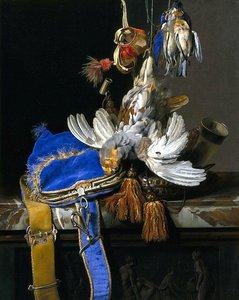
willem van aelst
1626 - 1683

