

 プレビュー
プレビュー
 シェアする
シェアする シェアする
シェアする
 詳細を見る
詳細を見る

 ダウンロード
 似ている作品
 X線調査
X線調査 スライドショー
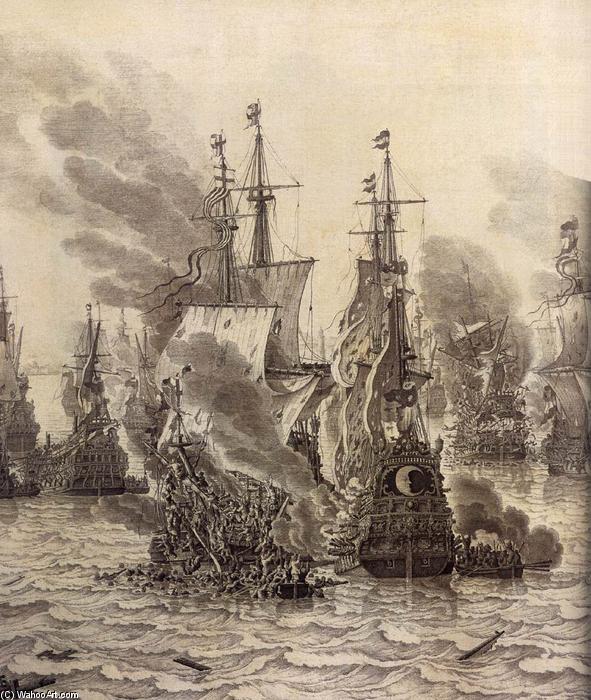
The Battle of Livorno (detail)


 詳細を見る
詳細を見る
ジークレー/アートプリント
迅速な制作と多彩な仕上げオプションを備えた、ミュージアムクオリティのジークレーまたはキャンバスプリント。 ( 手描きの絵画を購入 画像を購入)




P118B $10

P118H $10

P118W $10

P438Z $10

P508JH $12

P508YH $12

P805H $10

P805Z $10

P919BZ $10

P919G $10

P919XJ $10

P959ZH $10

P968JZ $12

W106C $8

W218G $10

W218JH $8

W218Y $10

W307PJ $10

W316G $10

W316PJ $8

W316Y $10

W398PJ $8

W4111J $10

W500HY $15

W500JH $15

W692G $12

W849H $8

W940BG $15

W953PJ $8




作品のオリジナル比率に合わせた、当店の規定サイズからお選びください。

特定のフレームやスペースに合わせて、ご自身でサイズを指定することも可能です。選択されたサイズが元の画像の比率と一致しない場合、作品をトリミングするか、鏡面反射または単色での塗りつぶしによって画像を拡張いたします。制作を開始する前に、ご確認用のデジタルモックアップをお送りいたします。
画面上のプレビューには、実際のトリミングや拡張は反映されませんのでご注意ください。最終的な構図を正確に確認できるのは、モックアップのみとなります。
カスタムサイズも承っておりますが、元の比率を維持するためには、あらかじめ用意されたリストからサイズを選択することをお勧めいたします。


 ガラスオプションは、110cm未満のサイズでのみご利用いただけます。

The Battle of Livorno (detail)
ジークレー/アートプリント
複製画のサイズ
-


合計金額
$ 62
A Dramatic Depiction of Maritime Conflict
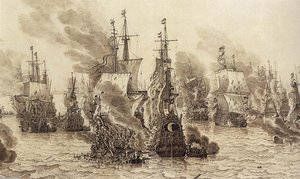
Willem van de Velde the Elder’s “The Battle of Livorno” (detail), a work meticulously rendered in black and white, offers a visceral glimpse into the chaotic drama of 17th-century naval warfare. Housed within the esteemed Rijksmuseum in Amsterdam, this painting transcends mere documentation; it's a powerful testament to the artist’s skill and his ability to capture both the brutal reality and the inherent grandeur of maritime combat. The scene unfolds with an almost frenetic energy – sinking ships spewing smoke, smaller vessels engaged in desperate rescue efforts, and figures caught in the maelstrom of battle. Van de Velde doesn't shy away from depicting the carnage; the damaged hulls, splintered wood, and billowing flames speak volumes about the ferocity of the engagement.

Pen Painting and the Pursuit of Realism
What distinguishes Van de Velde’s work is his pioneering use of “penschilderij,” a technique he largely developed himself. Rather than relying solely on oil paints, he employed meticulously crafted ink drawings on panel or canvas, creating an astonishing level of detail and durability. This method allowed him to achieve the appearance of intricate drawings while ensuring the artwork possessed the longevity typically associated with paintings. The artist’s mastery is evident in the incredibly fine lines that delineate the sails, masts, and rigging – each element rendered with painstaking precision. Cross-hatching techniques are skillfully deployed to convey the movement of water, creating a sense of depth and dynamism within the composition. The shading subtly suggests the texture of wood, metal, and fabric, further enhancing the realism of the scene.
Historical Context: Livorno and the Dutch Golden Age
“The Battle of Livorno” was painted in 1654, a period marked by intense rivalry between England and the Netherlands. The battle depicted took place at Livorno, a strategically important port city on the Tuscan coast. This conflict wasn’t merely about territorial control; it represented a clash of naval ideologies and economic interests. Van de Velde's commission to document this event reflects the Dutch Republic’s commitment to maintaining its maritime dominance. The painting is therefore not just a record of a specific battle, but also a symbol of Dutch power and strategic acumen during the Golden Age. The inclusion of various flags and banners—a visual shorthand for the different nations involved—adds another layer of historical significance.
Symbolism and Emotional Impact
Beyond its historical accuracy, “The Battle of Livorno” evokes a profound sense of drama and human vulnerability. The figures struggling to escape sinking ships represent the chaos and uncertainty inherent in war. The smoke rising from the damaged vessels creates an atmosphere of impending doom, while the dynamic poses of the sailors convey both courage and desperation. Van de Velde doesn’t glorify warfare; instead, he presents it as a brutal and unpredictable event with devastating consequences. The painting's stark monochrome palette further amplifies its emotional impact, forcing the viewer to confront the grim realities of naval combat without the distraction of color.
Bringing History Home: A ArtsDot Reproduction
ArtsDot offers high-quality reproductions of “The Battle of Livorno,” allowing you to bring this remarkable masterpiece into your home or office. Our hand-painted reproductions meticulously recreate Van de Velde’s intricate details and dramatic composition, ensuring that the artwork retains its original power and impact. Choose from a range of sizes to perfectly complement your space. Explore our options for custom sizing and discover how ArtsDot can transform this iconic work into a cherished addition to your collection.
関連作品
アーティストの略歴
初期の生活とキャリア
ウィレム・ファン・デ・フェルデ長老は、17世紀のオランダ黄金時代を代表する海洋画家として知られています。彼は約1611年にオランダのライデンで生まれました。彼の父、ウィレム・ウィレムスゾーン・ファン・デ・フェルデは、フランドルの船長であり、これが息子の海洋絵画への関心を育む大きな影響を与えたと考えられます。幼少期から海に親しみ、その風景や船の描写に才能を発揮し、画家としての道を歩み始めました。初期の作品は、父の影響を受け、写実的な船舶の表現が特徴です。芸術的スタイルと技法
ファン・デ・フェルデの作品は、精密さと細部へのこだわりによって特徴づけられます。彼は「ペン絵画」(penschilderij)という革新的な技法を確立しました。これは、パネルやキャンバスにインクを用いて詳細で耐久性のある作品を作り出すものでした。このユニークなアプローチにより、彼の作品は精巧な素描のようでありながら、絵画としての強度も兼ね備えています。特に、細いペンを使って波の動きや光の反射を表現する技術は、他の画家にはない独特の魅力を生み出しました。彼はインクの濃淡を巧みに操り、海面の微妙な変化や船の構造を鮮やかに描き出しました。主な作品とコラボレーション
* テキセル海戦、1687年(油彩)は、彼の代表作の一つです。この作品は、第二次イングランド・オランダ戦争における重要な海戦を描いており、激しい戦闘の様子を詳細に表現しています。 * ソールベイ海戦におけるロイヤル・ジェームズ号の炎上(素描)は、彼のペン絵画の技術が際立つ作品です。燃え盛る船と混乱した状況を生き生きと描き出しています。 * イングランド王チャールズ2世とのコラボレーションでは、イギリス海軍の船や海戦を描いた多くの作品が制作されました。これは、ファン・デ・フェルデの才能が王室に認められたことを示すものであり、彼のキャリアにおける重要な転換点となりました。美術館とコレクション
ファン・デ・フェルデの作品は、世界中の主要な美術館や個人コレクションで鑑賞することができます。 * マウリッツハイス美術館(オランダ)は、オランダ黄金時代の絵画を多く所蔵しており、ファン・デ・フェルデの作品も展示されています。 * クレマー美術館(ハーグ、オランダ)は、17世紀のオランダとフランドルの絵画に焦点を当てた私立美術館であり、ファン・デ・フェルデの作品もコレクションの一部となっています。- ウィレム・ファン・デ・フェルデ長老の作品をArtsDot.comでご覧ください。
- レンブラント・ファン・レインを含む、他のオランダ黄金時代の画家についても、ArtsDot.comのアーティストページで探求できます。
- ウィレム・ファン・デ・フェルデ長老の作品を所蔵するマウリッツハイス美術館のコレクションについては、ArtsDot.comの美術館ページをご覧ください。
遺産と影響
ウィレム・ファン・デ・フェルデ長老は、オランダ黄金時代の海洋絵画に多大な貢献をしました。彼の革新的な技法、細部へのこだわり、そして著名な人物とのコラボレーションは、美術史における彼の地位を確固たるものにしました。特に、ペン絵画という独自のスタイルは、後世の画家たちに大きな影響を与え、海洋絵画の表現方法に新たな可能性をもたらしました。また、彼の作品は、当時の海運技術や社会情勢を知るための貴重な資料としても評価されています。ライデン大学図書館(オランダ)の包括的なガイドは、ファン・デ・フェルデの作品が生まれた文化的背景についてさらに洞察を提供しています。
ウィレム・ファン・デ・フェルデ1世
1611 - 1693 , 日本
基本情報
- Artistic Movement Or Style: 海洋画、ペン絵
- Artists Or Movements Influenced By This Artist: ['ウィレム・ファン・デ・フェルデ2世']
- Artists Who Influenced This Artist: ['父ウィレム・ウィレムスゾーン']
- Date Of Birth: 1611年頃
- Date Of Death: 1693年
- Full Name: ウィレム・ファン・デ・フェルデ1世
- Nationality: オランダ黄金時代
- Notable Artworks:
- テキセルの海戦
- ロイヤル・ジェームズの炎上
- Place Of Birth (City And Country): オランダ、ライデン
関連記事
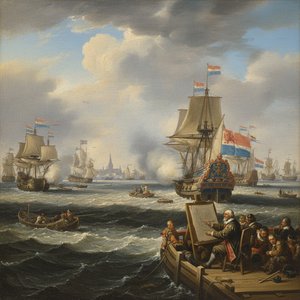
Willem van de Velde the Elder: Master of Maritime Painting & Chronicler of the Dutch Golden Age
Discover the captivating maritime paintings of Willem van de Velde the Elder, a master chronicler of the Dutch Golden Age. Explore his unparalleled realism and lasting influence on naval art history.

ゴヤ傑作25選:スペインの魂を揺さぶる、深遠な芸術の世界 | ArtsDot
ゴヤ傑作25選:ロマン主義を代表するスペインの巨匠、フランシスコ・デ・ゴヤの世界へ。黒衣の女からマハまで、魂を揺さぶる絵画の物語と技法を紐解きます。ArtsDotで高品質なアートレプリカを見つけ、インテリアに深みと風格を。今すぐコレクションをご覧ください。

レンブラント傑作25選:光と影の巨匠、魂を揺さぶる名画の世界 | ArtsDot
レンブラントの傑作25選。光と影の魔術師が描いた魂を揺さぶる名画の世界へ。美術史に残る自画像、夜警、宗教画…ArtsDotで高品質なアートプリントやインテリアアートをお楽しみください。コレクションはこちら→

About Us
Discover our story! We bring world-class art into your life through expert curation, personalized creations, and free previews. Trusted by individuals and businesses since 2000.
Theo van Doesburg: Pioneering De Stijl & the Evolution of Neo-Plasticism
Explore the revolutionary De Stijl movement & Neo-Plasticism with our expert guide. Discover Piet Mondrian, Theo van Doesburg, and the lasting impact of this influential art style. Learn about collecting & investing in De Stijl masterpieces.