

 プレビュー
プレビュー
 シェアする
シェアする シェアする
シェアする
 詳細を見る
詳細を見る

 ダウンロード
 似ている作品
 X線調査
X線調査 スライドショー
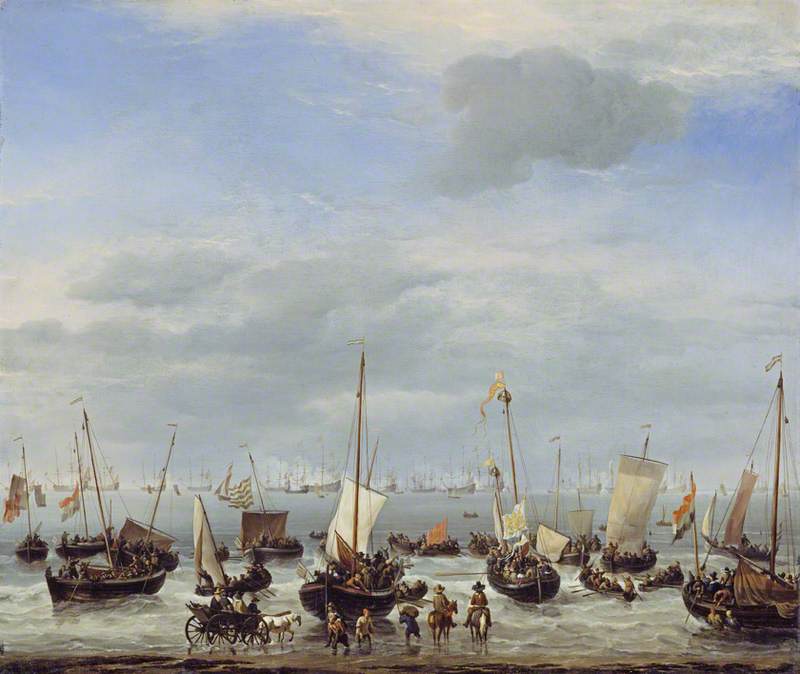
The Embarkation of Charles II at Scheveningen
 Oil On Canvas
- WallArt
 1661
1661 48.0 x 57.0 cm
 ロンドンタワー
 詳細を見る
詳細を見る
ジークレー/アートプリント
迅速な制作と多彩な仕上げオプションを備えた、ミュージアムクオリティのジークレーまたはキャンバスプリント。 ( 手描きの絵画を購入 画像を購入)




P118B $10

P118H $10

P118W $10

P438Z $10

P508JH $12

P508YH $12

P805H $10

P805Z $10

P919BZ $10

P919G $10

P919XJ $10

P959ZH $10

P968JZ $12

W106C $8

W218G $10

W218JH $8

W218Y $10

W307PJ $10

W316G $10

W316PJ $8

W316Y $10

W398PJ $8

W4111J $10

W500HY $15

W500JH $15

W692G $12

W849H $8

W940BG $15

W953PJ $8




作品のオリジナル比率に合わせた、当店の規定サイズからお選びください。

特定のフレームやスペースに合わせて、ご自身でサイズを指定することも可能です。選択されたサイズが元の画像の比率と一致しない場合、作品をトリミングするか、鏡面反射または単色での塗りつぶしによって画像を拡張いたします。制作を開始する前に、ご確認用のデジタルモックアップをお送りいたします。
画面上のプレビューには、実際のトリミングや拡張は反映されませんのでご注意ください。最終的な構図を正確に確認できるのは、モックアップのみとなります。
カスタムサイズも承っておりますが、元の比率を維持するためには、あらかじめ用意されたリストからサイズを選択することをお勧めいたします。


 ガラスオプションは、110cm未満のサイズでのみご利用いただけます。

The Embarkation of Charles II at Scheveningen
ジークレー/アートプリント
複製画のサイズ
-


合計金額
$ 62
The Embarkation of Charles II at Scheveningen – A Dutch Golden Age Masterpiece
Willem van de Velde the Elder’s “The Embarkation of Charles II at Scheveningen,” painted circa 1661, is more than just a maritime scene; it's a meticulously crafted window into a pivotal moment in English and Dutch history. This oil-on-canvas work, now residing within The Wallace Collection in London, captures the vibrant energy of a royal departure – Charles II’s journey to Scheveningen, Netherlands, marking a significant diplomatic maneuver amidst the turbulent political landscape of the 17th century. Van de Velde's skill lies not merely in depicting ships and figures, but in conveying an atmosphere of controlled chaos, formality, and subtle power.
The painting immediately draws the eye with its expansive composition. A horizontal arrangement dominates, mirroring the vastness of the North Sea and the coastline. The foreground is a carefully orchestrated tableau: elegantly dressed dignitaries, identifiable by their elaborate attire and ceremonial flags, mingle with sailors aboard numerous vessels – from stately galleons to smaller, more nimble boats. Horses, likely involved in transporting officials or providing a visual spectacle for the occasion, are strategically placed on land, adding to the scene’s sense of grandeur. The eye is then guided through the middle ground, teeming with activity as ships prepare to set sail, their masts and sails creating dynamic diagonals that inject movement into the otherwise static composition.
Van de Velde's mastery of technique is evident in every brushstroke. He employed a masterful use of linear perspective, subtly diminishing the size of distant ships to create an illusion of depth – a hallmark of Dutch Golden Age painting. The artist’s meticulous attention to detail is particularly striking in the rendering of the sails, which ripple and billow with remarkable realism, capturing both their texture and movement. The muted color palette—a symphony of blues, greys, browns, and beiges—evokes the atmospheric conditions of a cloudy day, lending an air of quiet observation rather than dramatic spectacle. The subtle use of red and orange in the flags provides vital focal points, highlighting the importance of this royal event.
A Window into Dutch-English Relations
“The Embarkation of Charles II at Scheveningen” is inextricably linked to the complex political relationship between England and the Netherlands during the mid-17th century. Following the English Civil War, Charles II sought refuge in Holland, skillfully navigating the precarious balance between loyalty to his father, King James II, and the burgeoning Protestant movement in England. This voyage to Scheveningen was a carefully orchestrated diplomatic mission, designed to secure support from Dutch merchants and officials. Van de Velde’s painting serves as a visual record of this pivotal moment, capturing not just the event itself but also the underlying tensions and strategic considerations that shaped Anglo-Dutch relations.
The inclusion of Charles II himself, though perhaps subtly rendered, is significant. The King's presence underscores the importance of the occasion and highlights his carefully cultivated image as a symbol of stability and legitimacy. Furthermore, the painting reflects the prevailing artistic trends of the Dutch Golden Age – a period characterized by an unparalleled commitment to realism, meticulous detail, and a fascination with maritime subjects. Van de Velde’s work stands alongside other celebrated Dutch marine paintings, such as those by Jan van de Cappelle and Pieter Claesz, demonstrating the Netherlands' position as a leading center for artistic innovation.
The Art of “Penschilderij” – A Unique Technique
Van de Velde the Elder was renowned for his pioneering technique known as "penschilderij" (pen painting). Unlike traditional oil painting methods, which rely on layering thin glazes to build up color and texture, penschilderij involved creating detailed, durable artworks using ink on panel or canvas. This innovative approach allowed Van de Velde to achieve an astonishing level of precision and detail, mimicking the appearance of elaborate drawings while maintaining the durability of a painted work. The fine lines and sharp edges visible in “The Embarkation of Charles II at Scheveningen” are testament to this unique technique.
This meticulous approach is particularly evident in the rendering of the ships’ rigging, sails, and figures – each element rendered with painstaking accuracy. The artist's use of a fine brush and carefully controlled ink allowed him to create incredibly detailed textures and patterns, capturing the subtle nuances of light and shadow. “Penschilderij” was not merely a technical innovation; it also reflected Van de Velde’s artistic philosophy – a commitment to realism and an appreciation for the beauty of detail.
Symbolism and Emotional Resonance
While “The Embarkation of Charles II at Scheveningen” is primarily a historical record, it also carries subtle symbolic weight. The orderly arrangement of figures and ships suggests a sense of control and authority – reflecting the King’s carefully managed diplomatic strategy. The cloudy sky and muted color palette evoke a feeling of quiet contemplation, suggesting that this event was not merely a political maneuver but also a moment of significant historical consequence.
Despite its formal composition, the painting possesses an undeniable emotional resonance. The bustling activity of the harbor, the presence of dignitaries and sailors, and the anticipation of departure all contribute to a sense of vibrant energy. “The Embarkation of Charles II at Scheveningen” is not simply a depiction of a historical event; it’s a powerful evocation of a specific time and place – a testament to the skill and artistry of Willem van de Velde the Elder.
関連作品

アーティストの略歴
初期の生活とキャリア
ウィレム・ファン・デ・フェルデ長老は、17世紀のオランダ黄金時代を代表する海洋画家として知られています。彼は約1611年にオランダのライデンで生まれました。彼の父、ウィレム・ウィレムスゾーン・ファン・デ・フェルデは、フランドルの船長であり、これが息子の海洋絵画への関心を育む大きな影響を与えたと考えられます。幼少期から海に親しみ、その風景や船の描写に才能を発揮し、画家としての道を歩み始めました。初期の作品は、父の影響を受け、写実的な船舶の表現が特徴です。芸術的スタイルと技法
ファン・デ・フェルデの作品は、精密さと細部へのこだわりによって特徴づけられます。彼は「ペン絵画」(penschilderij)という革新的な技法を確立しました。これは、パネルやキャンバスにインクを用いて詳細で耐久性のある作品を作り出すものでした。このユニークなアプローチにより、彼の作品は精巧な素描のようでありながら、絵画としての強度も兼ね備えています。特に、細いペンを使って波の動きや光の反射を表現する技術は、他の画家にはない独特の魅力を生み出しました。彼はインクの濃淡を巧みに操り、海面の微妙な変化や船の構造を鮮やかに描き出しました。主な作品とコラボレーション
* テキセル海戦、1687年(油彩)は、彼の代表作の一つです。この作品は、第二次イングランド・オランダ戦争における重要な海戦を描いており、激しい戦闘の様子を詳細に表現しています。 * ソールベイ海戦におけるロイヤル・ジェームズ号の炎上(素描)は、彼のペン絵画の技術が際立つ作品です。燃え盛る船と混乱した状況を生き生きと描き出しています。 * イングランド王チャールズ2世とのコラボレーションでは、イギリス海軍の船や海戦を描いた多くの作品が制作されました。これは、ファン・デ・フェルデの才能が王室に認められたことを示すものであり、彼のキャリアにおける重要な転換点となりました。美術館とコレクション
ファン・デ・フェルデの作品は、世界中の主要な美術館や個人コレクションで鑑賞することができます。 * マウリッツハイス美術館(オランダ)は、オランダ黄金時代の絵画を多く所蔵しており、ファン・デ・フェルデの作品も展示されています。 * クレマー美術館(ハーグ、オランダ)は、17世紀のオランダとフランドルの絵画に焦点を当てた私立美術館であり、ファン・デ・フェルデの作品もコレクションの一部となっています。- ウィレム・ファン・デ・フェルデ長老の作品をArtsDot.comでご覧ください。
- レンブラント・ファン・レインを含む、他のオランダ黄金時代の画家についても、ArtsDot.comのアーティストページで探求できます。
- ウィレム・ファン・デ・フェルデ長老の作品を所蔵するマウリッツハイス美術館のコレクションについては、ArtsDot.comの美術館ページをご覧ください。
遺産と影響
ウィレム・ファン・デ・フェルデ長老は、オランダ黄金時代の海洋絵画に多大な貢献をしました。彼の革新的な技法、細部へのこだわり、そして著名な人物とのコラボレーションは、美術史における彼の地位を確固たるものにしました。特に、ペン絵画という独自のスタイルは、後世の画家たちに大きな影響を与え、海洋絵画の表現方法に新たな可能性をもたらしました。また、彼の作品は、当時の海運技術や社会情勢を知るための貴重な資料としても評価されています。ライデン大学図書館(オランダ)の包括的なガイドは、ファン・デ・フェルデの作品が生まれた文化的背景についてさらに洞察を提供しています。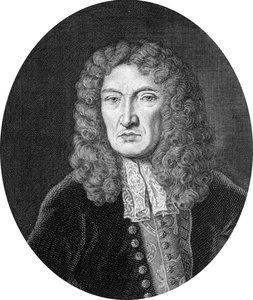
ウィレム・ファン・デ・フェルデ1世
1611 - 1693 , 日本
基本情報
- Artistic Movement Or Style: 海洋画、ペン絵
- Artists Or Movements Influenced By This Artist: ['ウィレム・ファン・デ・フェルデ2世']
- Artists Who Influenced This Artist: ['父ウィレム・ウィレムスゾーン']
- Date Of Birth: 1611年頃
- Date Of Death: 1693年
- Full Name: ウィレム・ファン・デ・フェルデ1世
- Nationality: オランダ黄金時代
- Notable Artworks:
- テキセルの海戦
- ロイヤル・ジェームズの炎上
- Place Of Birth (City And Country): オランダ、ライデン
関連記事

黄金世紀の巨匠たち:バロック絵画が彩る10選|ArtsDot
オランダ黄金時代の10大傑作を紐解く!レンブラント、フェルメール…バロック絵画の魅力と時代背景を深く探求。ArtsDotで、至高のアートコレクションと空間演出のヒントを見つけよう。高品質なアートプリントで、お部屋を華やかに。
Charles Leickert: Capturing the Dutch Golden Age Light – A Comprehensive Study of Technique, Context, and Legacy
Explore the captivating winter landscapes of Charles Leickert, a master of Dutch Golden Age light & atmosphere. Discover his techniques, symbolism, and lasting legacy – a comprehensive study for art enthusiasts and collectors.
Abraham Hulk Senior: Pioneering Maritime Topography of the Dutch Golden Age
Explore the captivating seascapes of Abraham Hulk Senior, a leading Anglo-Dutch marine painter of the 19th century. Discover his signature style, family legacy & collectable artworks at ArtsDot.
Willem van de Velde the Elder: Master of Maritime Painting & Chronicler of the Dutch Golden Age
Discover the captivating maritime paintings of Willem van de Velde the Elder, a master chronicler of the Dutch Golden Age. Explore his unparalleled realism and lasting influence on naval art history.

Illuminating Innovation: Exploring the Dutch Golden Age of Painting
Explore the Dutch Golden Age of painting with ArtsDot. Discover Rembrandt, Vermeer & other Masters. Learn about key characteristics, iconic artworks, and lasting influence. Expert insights for collectors & enthusiasts.

