

 プレビュー
プレビュー
 シェアする
シェアする シェアする
シェアする
 詳細を見る
詳細を見る

 ダウンロード
 似ている作品
 X線調査
X線調査 スライドショー
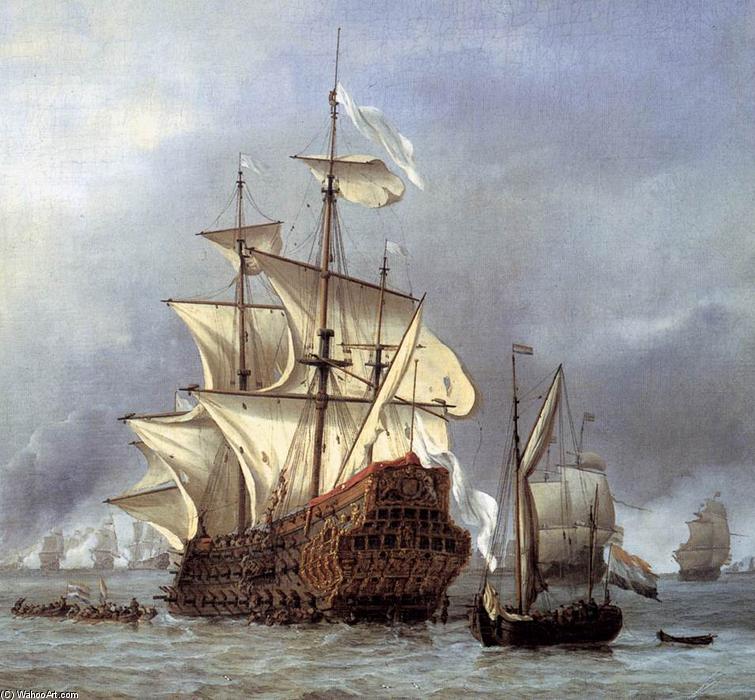
The Taking of the English Flagship the Royal Prince (detail)


 詳細を見る
詳細を見る
ジークレー/アートプリント
迅速な制作と多彩な仕上げオプションを備えた、ミュージアムクオリティのジークレーまたはキャンバスプリント。 ( 手描きの絵画を購入 画像を購入)




P118B $10

P118H $10

P118W $10

P438Z $10

P508JH $12

P508YH $12

P805H $10

P805Z $10

P919BZ $10

P919G $10

P919XJ $10

P959ZH $10

P968JZ $12

W106C $8

W218G $10

W218JH $8

W218Y $10

W307PJ $10

W316G $10

W316PJ $8

W316Y $10

W398PJ $8

W4111J $10

W500HY $15

W500JH $15

W692G $12

W849H $8

W940BG $15

W953PJ $8




作品のオリジナル比率に合わせた、当店の規定サイズからお選びください。

特定のフレームやスペースに合わせて、ご自身でサイズを指定することも可能です。選択されたサイズが元の画像の比率と一致しない場合、作品をトリミングするか、鏡面反射または単色での塗りつぶしによって画像を拡張いたします。制作を開始する前に、ご確認用のデジタルモックアップをお送りいたします。
画面上のプレビューには、実際のトリミングや拡張は反映されませんのでご注意ください。最終的な構図を正確に確認できるのは、モックアップのみとなります。
カスタムサイズも承っておりますが、元の比率を維持するためには、あらかじめ用意されたリストからサイズを選択することをお勧めいたします。


 ガラスオプションは、110cm未満のサイズでのみご利用いただけます。

The Taking of the English Flagship the Royal Prince (detail)
ジークレー/アートプリント
複製画のサイズ
-


合計金額
$ 62
A Moment Frozen in Fury: Willem van de Velde’s ‘The Taking of the English Flagship’
Willem van de Velde the Elder's “The Taking of the English Flagship, the Royal Prince” is not merely a depiction of naval combat; it’s a visceral plunge into the heart of 17th-century warfare. Painted in 1666, this remarkable work captures a pivotal moment during the Anglo-Dutch Wars – specifically, the desperate struggle for control of the English Channel. The scene unfolds with brutal immediacy: a towering Dutch vessel, its sails billowing with defiance, is locked in deadly embrace with an English ship, already crippled and listing precariously. The composition isn’t one of heroic grandeur; instead, it's a study in chaos, a carefully orchestrated tableau of destruction and desperate resistance. Van de Velde masterfully utilizes light and shadow to heighten the drama, focusing on the churning water, the splintering wood, and the faces of the sailors – etched with fear, determination, and the grim acceptance of fate.
Van de Velde’s genius lies in his pioneering technique of “penschilderij,” or pen painting. Rejecting the traditional reliance on color, he employed meticulously detailed lines drawn with ink to create an astonishingly realistic effect. This method, developed by Van de Velde himself, allowed him to achieve a level of precision and durability rarely seen in oil paintings of the period. The result is a work that possesses both the immediacy of a drawing and the lasting quality of a painting – a testament to his innovative approach. The incredible detail extends to every element: the rigging, the weaponry, the expressions on the faces of the men engaged in combat—all rendered with painstaking accuracy.
The Context of Conflict: Anglo-Dutch Wars and Naval Power
To fully appreciate “The Taking of the English Flagship,” it’s crucial to understand the historical context. The 17th century witnessed a fierce rivalry between England and the Netherlands, fueled by economic competition and naval dominance. Both nations invested heavily in building powerful fleets, resulting in a series of protracted and bloody conflicts – the Anglo-Dutch Wars. These weren't simply land battles; they were fought relentlessly at sea, shaping the course of European history. The Dutch Republic, despite its smaller size, posed a formidable challenge to England’s maritime supremacy. Battles like this one, representing key moments in these wars, became symbols of national pride and strategic importance.
Van de Velde's commission reflects this intense rivalry. He was employed by Charles II of England to document the Royal Navy’s successes, providing invaluable records for posterity. The painting itself serves as a propaganda piece, glorifying English naval prowess while simultaneously acknowledging the brutal realities of war. The scene is not romanticized; it’s presented with unflinching honesty – a stark reminder of the human cost of conflict.
Symbolism and Emotional Resonance
Beyond its historical significance, “The Taking of the English Flagship” resonates deeply on an emotional level. The painting isn't simply about ships colliding; it’s about courage in the face of overwhelming odds, the sacrifice of individuals for a cause, and the devastating consequences of war. Notice the figures clustered near the foreground – these are not idealized heroes but ordinary sailors, caught in the maelstrom of battle. Their expressions convey a mixture of fear, resolve, and perhaps even resignation. The swirling water, rendered with remarkable dynamism, symbolizes the chaos and unpredictability of naval warfare.
The captured flag itself represents a strategic victory – a symbol of control and dominance. However, Van de Velde doesn’t celebrate this triumph; instead, he focuses on the immediate aftermath—the destruction, the suffering, and the enduring human cost. The overall mood is one of intense drama and palpable tension, inviting the viewer to contemplate the complexities of war and its impact on those who fight it.
A Masterpiece Reproduced: Bringing History Home
ArtsDot offers meticulously crafted hand-painted reproductions of “The Taking of the English Flagship,” allowing you to bring this iconic artwork into your home or office. Our skilled artists replicate Van de Velde’s innovative penschilderij technique with exceptional precision, capturing every detail and nuance of the original painting. Each reproduction is created on high-quality canvas using archival pigments, ensuring that it will retain its beauty and vibrancy for generations to come. Whether you're an art enthusiast, a history buff, or simply seeking a stunning piece of décor, our “The Taking of the English Flagship” reproduction offers a unique opportunity to own a tangible connection to this remarkable moment in naval history.
関連作品



アーティストの略歴
初期の生活とキャリア
ウィレム・ファン・デ・フェルデ長老は、17世紀のオランダ黄金時代を代表する海洋画家として知られています。彼は約1611年にオランダのライデンで生まれました。彼の父、ウィレム・ウィレムスゾーン・ファン・デ・フェルデは、フランドルの船長であり、これが息子の海洋絵画への関心を育む大きな影響を与えたと考えられます。幼少期から海に親しみ、その風景や船の描写に才能を発揮し、画家としての道を歩み始めました。初期の作品は、父の影響を受け、写実的な船舶の表現が特徴です。芸術的スタイルと技法
ファン・デ・フェルデの作品は、精密さと細部へのこだわりによって特徴づけられます。彼は「ペン絵画」(penschilderij)という革新的な技法を確立しました。これは、パネルやキャンバスにインクを用いて詳細で耐久性のある作品を作り出すものでした。このユニークなアプローチにより、彼の作品は精巧な素描のようでありながら、絵画としての強度も兼ね備えています。特に、細いペンを使って波の動きや光の反射を表現する技術は、他の画家にはない独特の魅力を生み出しました。彼はインクの濃淡を巧みに操り、海面の微妙な変化や船の構造を鮮やかに描き出しました。主な作品とコラボレーション
* テキセル海戦、1687年(油彩)は、彼の代表作の一つです。この作品は、第二次イングランド・オランダ戦争における重要な海戦を描いており、激しい戦闘の様子を詳細に表現しています。 * ソールベイ海戦におけるロイヤル・ジェームズ号の炎上(素描)は、彼のペン絵画の技術が際立つ作品です。燃え盛る船と混乱した状況を生き生きと描き出しています。 * イングランド王チャールズ2世とのコラボレーションでは、イギリス海軍の船や海戦を描いた多くの作品が制作されました。これは、ファン・デ・フェルデの才能が王室に認められたことを示すものであり、彼のキャリアにおける重要な転換点となりました。美術館とコレクション
ファン・デ・フェルデの作品は、世界中の主要な美術館や個人コレクションで鑑賞することができます。 * マウリッツハイス美術館(オランダ)は、オランダ黄金時代の絵画を多く所蔵しており、ファン・デ・フェルデの作品も展示されています。 * クレマー美術館(ハーグ、オランダ)は、17世紀のオランダとフランドルの絵画に焦点を当てた私立美術館であり、ファン・デ・フェルデの作品もコレクションの一部となっています。- ウィレム・ファン・デ・フェルデ長老の作品をArtsDot.comでご覧ください。
- レンブラント・ファン・レインを含む、他のオランダ黄金時代の画家についても、ArtsDot.comのアーティストページで探求できます。
- ウィレム・ファン・デ・フェルデ長老の作品を所蔵するマウリッツハイス美術館のコレクションについては、ArtsDot.comの美術館ページをご覧ください。
遺産と影響
ウィレム・ファン・デ・フェルデ長老は、オランダ黄金時代の海洋絵画に多大な貢献をしました。彼の革新的な技法、細部へのこだわり、そして著名な人物とのコラボレーションは、美術史における彼の地位を確固たるものにしました。特に、ペン絵画という独自のスタイルは、後世の画家たちに大きな影響を与え、海洋絵画の表現方法に新たな可能性をもたらしました。また、彼の作品は、当時の海運技術や社会情勢を知るための貴重な資料としても評価されています。ライデン大学図書館(オランダ)の包括的なガイドは、ファン・デ・フェルデの作品が生まれた文化的背景についてさらに洞察を提供しています。
ウィレム・ファン・デ・フェルデ1世
1611 - 1693 , 日本
基本情報
- Artistic Movement Or Style: 海洋画、ペン絵
- Artists Or Movements Influenced By This Artist: ['ウィレム・ファン・デ・フェルデ2世']
- Artists Who Influenced This Artist: ['父ウィレム・ウィレムスゾーン']
- Date Of Birth: 1611年頃
- Date Of Death: 1693年
- Full Name: ウィレム・ファン・デ・フェルデ1世
- Nationality: オランダ黄金時代
- Notable Artworks:
- テキセルの海戦
- ロイヤル・ジェームズの炎上
- Place Of Birth (City And Country): オランダ、ライデン
関連記事
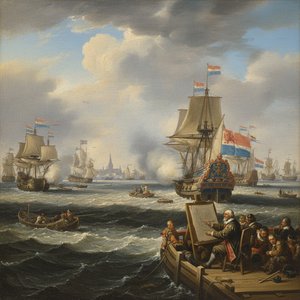
Willem van de Velde the Elder: Master of Maritime Painting & Chronicler of the Dutch Golden Age
Discover the captivating maritime paintings of Willem van de Velde the Elder, a master chronicler of the Dutch Golden Age. Explore his unparalleled realism and lasting influence on naval art history.

配送と返品
APS は、博物館級のケア、完全な追跡、そして30日間の返金保証を備えた、世界規模のアート輸送の専門サービスを提供します。関税サポートから Priority Production まで、透明性の高いサービス、安全な梱包、そしてコレクター、デザイナー、ギャラリー向けの信頼性の高い配送をお届けします。

ゴヤ傑作25選:スペインの魂を揺さぶる、深遠な芸術の世界 | ArtsDot
ゴヤ傑作25選:ロマン主義を代表するスペインの巨匠、フランシスコ・デ・ゴヤの世界へ。黒衣の女からマハまで、魂を揺さぶる絵画の物語と技法を紐解きます。ArtsDotで高品質なアートレプリカを見つけ、インテリアに深みと風格を。今すぐコレクションをご覧ください。

レンブラント傑作25選:光と影の巨匠、魂を揺さぶる名画の世界 | ArtsDot
レンブラントの傑作25選。光と影の魔術師が描いた魂を揺さぶる名画の世界へ。美術史に残る自画像、夜警、宗教画…ArtsDotで高品質なアートプリントやインテリアアートをお楽しみください。コレクションはこちら→
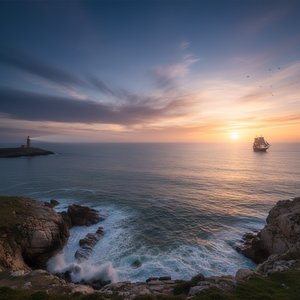
The Allure of the Horizon: A Comprehensive Exploration of Seascape Art Through History & Emotion
Explore the captivating world of seascape art! Discover its history, key artists & movements – from Dutch Masters to Impressionism. Expert insights for collectors and enthusiasts at ArtsDot.

