

 プレビュー
プレビュー
 プリントを購入
 シェアする
シェアする シェアする
シェアする
 詳細を見る
詳細を見る

 ダウンロード
 似ている作品
 X線調査
X線調査 スライドショー
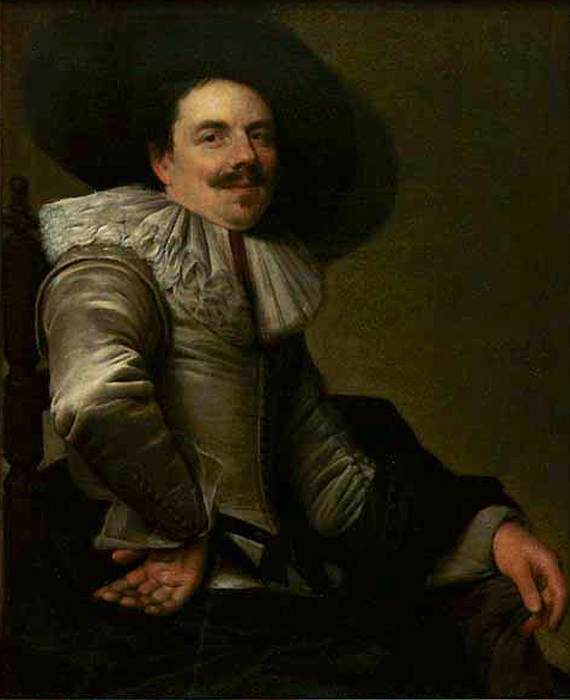
Portrait of a Man
 Oil On Canvas
- WallArt
- Dutch Golden Age
 1636
1636- Early Modern
 85.0 x 69.0 cm
 ルーブル美術館
 詳細を見る
詳細を見る
オンラインプレビューをはるかに凌ぐ、高解像度で鮮明なデジタル画像をご購入いただけます。
各ファイルは、社内の専門家が高度なツールと熟練した手作業によるレタッチを用いて、細心の注意を払って準備されています。すべての画像において、卓越した鮮明度、正確な色彩再現性、そして繊細なディテールを保証いたします。
最終ファイルは、プロフェッショナルな編集・印刷環境ですぐにご利用いただけるよう最適化された状態で、72時間以内にメールにてお届けいたします。これは、一流のデザインスタジオ、出版社、ギャラリーから信頼されているものと同等の品質です。
デジタル画像のご注文に付随する特典
高品質なデジタル画像配信を、確かな品質で。
ArtsDot.com を選ぶことは、単に画像を手に入れることではありません。それは、プロの手によって精密に仕上げられ、満足保証が付いた高品質なデジタルアートワークを受け取ることを意味します。ご注文いただいた際に自動的に付随する内容は、以下の通りです:

メールですぐにお届け
ご注文から72時間以内に、高解像度のデジタル画像ファイルがメールでお手元に届きます。すぐにそのままご利用いただけます。

AI技術で最適化されたデジタルファイル
お客様の作品は、高度なAIツールと専門家による手作業の編集を組み合わせてプロフェッショナルに最適化されており、細部のディテール、鮮明さ、そして正確な色再現性を最大限に引き出しています。

一生涯無料の再送サービス
ファイルを誤って削除したり、紛失してしまったりしましたか?ご安心ください。いつでも無料で再送いたします。

輸入手数料は一切かかりません
関税や手数料、配送料を気にすることなく、お気に入りのアートワークをすぐにお楽しみいただけます。デジタルダウンロードは常に免税です。

色彩再現の保証
プロ仕様のツールとカラーマネジメント技術を用いることで、デジタル画像が元の色を最大限に忠実に再現することを保証いたします。

60日間満足保証
ご購入いただいたデジタル画像にご満足いただけない場合は、60日以内であれば、修正または100%の返金(理由を問う必要はありません)をさせていただきます。

100% 返金保証
ご満足いただけない場合は、デジタルファイルを受け取ってから60日以内であれば、理由を問わず全額返金いたします。

まとめ買い割引
3枚購入で10%OFF - 5枚購入で15%OFF - 10枚以上購入で20%OFF。クリエイティブなプロジェクト、ギャラリー、エージェンシーに最適です。
作品の詳細
A Glimpse into Dutch Authority: The Portrait of a Man
To stand before Willem van der Vliet’s Portrait of a Man is to step directly into the opulent, shadowed drawing rooms of the Dutch Golden Age. This 1636 masterpiece does more than merely record a likeness; it captures an entire persona—one steeped in authority, considerable wealth, and quiet self-assurance. The subject, presented in a commanding three-quarter view while seated in an ornate chair, exudes a palpable dignity that seems to emanate from the very folds of his dark attire. Van der Vliet masterfully centers the composition on this figure, ensuring that every element—from the severe line of the hat to the texture of the fur collar—serves to draw the viewer into an intimate yet formal encounter with its sitter.
Mastery in Shadow and Light: Technique and Texture
Technically, the painting is a breathtaking study in chiaroscuro. Van der Vliet employs dramatic lighting that carves the man out of the surrounding darkness, allowing the light to selectively illuminate key areas—the sheen on the leather jacket, the crisp white ruffle of the shirt, and the planes of the face. This high contrast is not merely decorative; it is structural. Observe how the artist defines form through shadow, giving weight and reality to the rich textures: the deep nap of the fur against the smooth gleam of polished leather. The brushwork, while detailed enough to suggest the weave of fabric, remains controlled and deliberate, characteristic of the period’s commitment to realistic depiction on canvas.
The Symbolism of Status in Delft
Within the context of 17th-century Dutch society, portraiture was a potent statement. The subject's elaborate clothing—the dark jacket, the fur trim, and the imposing hat—speaks volumes about his standing. These are not just garments; they are symbols of mercantile success and established status within Delft. While the background remains indistinct, serving only to push the figure forward, it forces our attention entirely onto the man’s bearing. His confident expression suggests a life lived with purpose and considerable means, inviting us to contemplate the social structures that allowed such opulence to be captured on canvas.
An Enduring Emotional Resonance
What lingers most powerfully after viewing this work is its emotional weight. It evokes a sense of contained power—a self-possession that feels both magnificent and slightly guarded. For collectors or those seeking art for an interior space, this piece offers more than decoration; it provides an anchor of historical gravitas. Reproducing the depth and drama of Portrait of a Man allows one to bring the sophisticated atmosphere of the Dutch Golden Age into a modern setting, adding an undeniable layer of cultured authority to any room.
関連作品


作家の略歴
The Master of Delft: The Life and Legacy of Willem van der Vliet
Willem van der Vliet was a painter whose brush captured the very essence of the Dutch Golden Age, an era defined by unparalleled cultural flourishing and artistic innovation. Born in the historic city of Delft around 1584, Van der Vliet lived and breathed the atmosphere of a Netherlands finding its voice on the global stage. His life, which concluded in his beloved birthplace in 1642, was deeply intertwined with the artistic traditions of his region. While history sometimes places him in the shadow of more famous contemporaries, his contributions to the genres of historical allegory and portraiture remain a testament to his technical mastery and his ability to weave complex narratives through paint. The foundations of Van der Vliet’s artistry were laid through a lineage of mentorship and familial connection. He served as a mentor to his nephew, Hendrick Cornelisz. van Vliet, an artist who would later become renowned for his architectural perspectives. This relationship suggests a workshop environment where the principles of spatial depth and structural accuracy were passed down with great care. Through this lineage, one can trace the influence of masters like Michiel Jansz van Mierevelt, whose expertise in portraiture likely informed the refined manner in which Willem approached the human face and the social standing of his subjects.A Symphony of Light and Perspective
To encounter a work by Van der Vliet is to experience a profound command over the illusion of space. He was a master of architectural perspective, utilizing linear techniques to construct environments that felt remarkably tangible. His ability to render buildings and landscapes with such precision allowed him to create more than just scenery; he built stages for moral and allegorical dramas. These compositions were never merely decorative; they were carefully staged scenes designed to transport the viewer into a world where grandeur and meaning coexisted. This sense of depth was further heightened by his sophisticated use of chiaroscuro. Van der Vliet possessed a rare ability to manipulate dramatic lighting, using sharp contrasts between light and shadow to carve figures out of the darkness. In his portraits, this technique served a dual purpose: it provided a structural weight to the subjects, giving them a palpable presence, and it highlighted the luxurious textures of the era—the soft sheen of leather, the crispness of a linen collar, or the heavy warmth of fur. This interplay of light and shadow did not just illuminate the canvas; it breathed life into the very fabric of his subjects' identities.The Soul of the Dutch Golden Age
Beyond the technical brilliance of his brushwork, Van der Vliet’s work serves as a vital historical window into the social fabric of seventeenth-century Delft. His portraits were potent instruments of status and self-assurance. When he painted a man seated in an ornate chair, draped in dark, expensive attire, he was recording much more than a likeness; he was documenting the mercantile success and the quiet authority of a rising class of Dutch citizens. Every fold of fabric and every carefully placed shadow spoke to the wealth and dignity of the era. The historical significance of Willem van der Vliet lies in his role as a bridge between the rigid traditions of the past and the expressive innovations of the Golden Age. His works, ranging from intimate portraits like Portrait of a Man to complex allegories, continue to captivate art historians by offering a glimpse into a period of immense transformation. Through his meticulous attention to detail and his mastery of light, Van der Vliet ensured that the spirit of Delft would endure, leaving behind a legacy of evocative beauty that remains as striking today as it was in the seventeenth century.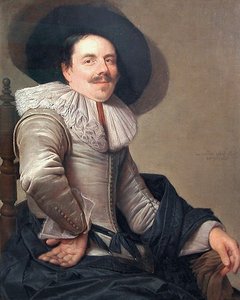
Willem van der Vliet
1584 - 1642 , Netherlands
プロフィール概要
- Artistic Movement Or Style: Golden Age Art
- Artists Or Movements Influenced By This Artist: ['Hugo van der Goes']
- Artists Who Influenced This Artist: ['Michiel van Mierevelt']
- Date Of Birth: ca. 1584
- Date Of Death: 1642
- Full Name: Willem van der Vliet
- Nationality: Dutch
- Notable Artworks:
- Portrait of a Man
- An Allegory
- Portrait of an Unknown Boy
- Place Of Birth: Delft, Netherlands

