

 プレビュー
プレビュー
 プリントを購入
 シェアする
シェアする シェアする
シェアする
 詳細を見る
詳細を見る

 ダウンロード
 似ている作品
 X線調査
X線調査 スライドショー
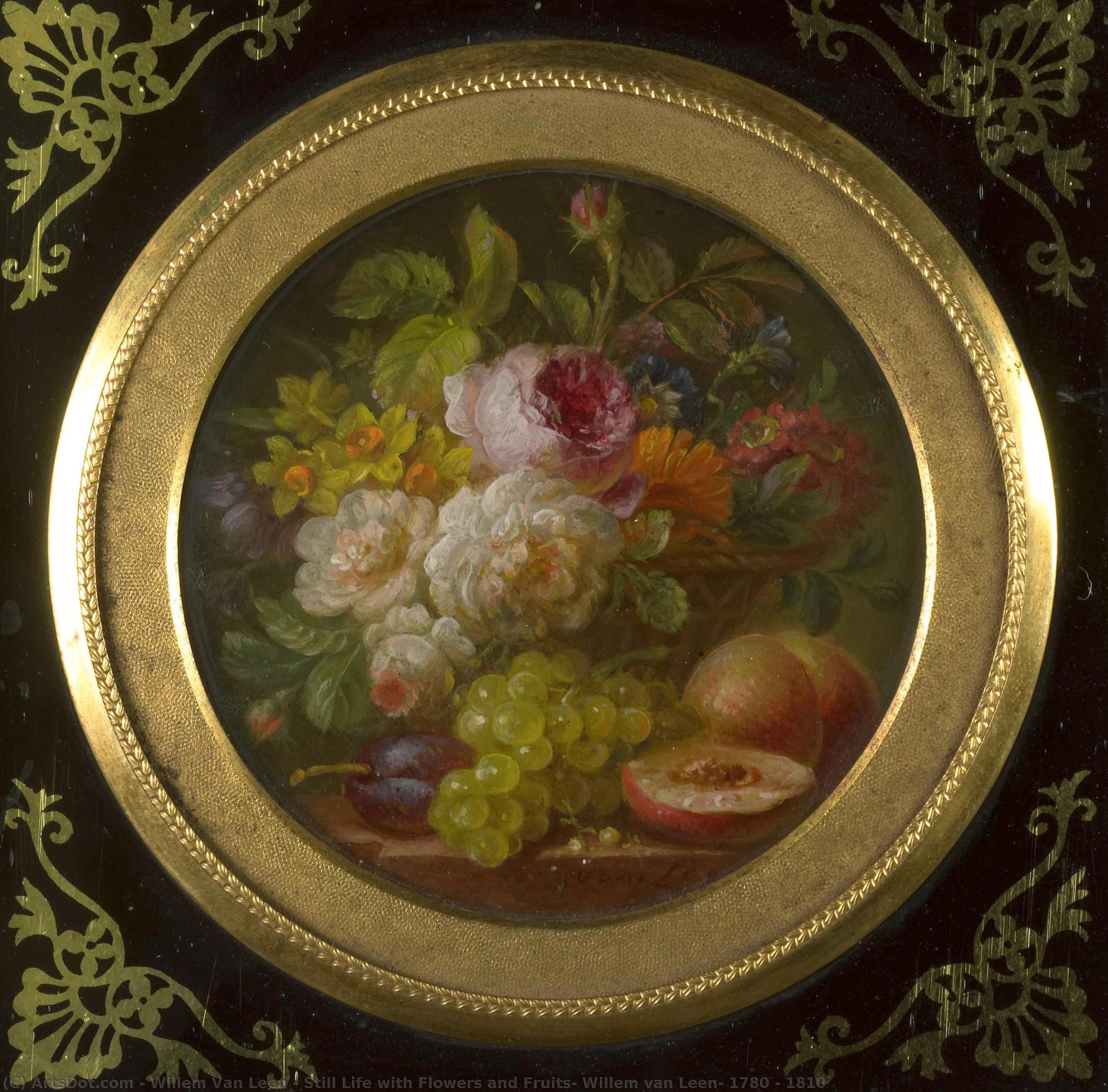
Still Life with Flowers and Fruits, Willem van Leen, 1780 - 1810
 1810
1810 6.0 x 11.0 cm
 詳細を見る
詳細を見る




































作品のオリジナル比率に合わせた、当店の規定サイズからお選びください。

特定のフレームやスペースに合わせて、ご希望のサイズをご入力いただけます。選択されたサイズが元の画像の比率と異なる場合、アートワークをトリミングするか、手描きで要素を追加して絵画を拡張いたします。デジタルモックアップ を制作し、制作開始前にご確認(承認)をいただきます。
画面上のプレビューは、実際のトリミングや拡張を正確に反映しているものではありません。最終的な構図は、モックアップによってのみ正確にご確認いただけます。
カスタムサイズもご利用いただけますが、元の比率を維持するためには、あらかじめ用意されたリストからサイズを選択することをお勧めいたします。
ご注文後、ArtsDot.com チームより詳細な指示をお送りするとともに、仕上がりイメージ(モックアップ)をご提供いたします。


 ガラスオプションは、110cm未満のサイズでのみご利用いただけます。

Still Life with Flowers and Fruits, Willem van Leen, 1780 - 1810
複製技法
複製画のサイズ
-


合計金額
$ 263
関連作品









アーティストの略歴
A Discreet Eye for Dutch Society: The Life and Art of Willem van Leen
Willem van Leen, born in Dordrecht in 1753, occupies a fascinating, if often understated, position within the landscape of 18th-century Dutch art. While not achieving the widespread renown of some contemporaries, his work provides an intimate glimpse into the lives and tastes of Amsterdam’s burgeoning middle class during a period of remarkable prosperity and cultural refinement. Van Leen wasn't a painter of grand historical narratives or sweeping landscapes; instead, he cultivated a niche specializing in cabinet pictures – small-scale portraits and still lifes designed for private enjoyment and domestic display. This focus reveals much about the values and aspirations of his clientele, who sought art that reflected their own comfortable existence rather than lofty ideals. His career unfolded during a time when the Dutch Republic was transitioning from its Golden Age zenith, yet retained a strong appreciation for artistic skill and meticulous detail.Early Training and Influences
Details regarding Van Leen’s formal training remain somewhat scarce, but it is known he received instruction in Dordrecht before relocating to Amsterdam, the vibrant heart of Dutch commerce and culture. The influence of earlier masters is readily apparent in his work. He became particularly adept at replicating the styles of Peter Paul Rubens and Anthony van Dyck, producing copies that were highly sought after by collectors. However, Van Leen wasn’t merely a copyist; he absorbed the techniques and compositional principles of these artists, adapting them to suit his own aesthetic sensibilities and the preferences of his patrons. The rich color palettes and dynamic brushwork characteristic of Rubens are evident in some of his still lifes, while the elegant poses and refined portraiture reflect Van Dyck’s influence. This ability to synthesize established styles with a distinctly Dutch sensibility became a hallmark of his oeuvre. He skillfully balanced imitation with originality, creating works that were both respectful of tradition and uniquely his own.The World of Cabinet Pictures: Portraits and Still Lifes
Van Leen’s artistic output primarily consisted of two genres: portraits and still lifes. His portraits, typically small in scale, depict members of Amsterdam society – merchants, their wives, and other affluent citizens. These are not imposing statements of power or status; rather, they offer intimate portrayals of individuals within the context of their homes and daily lives. He possessed a keen eye for capturing likenesses, but also imbued his subjects with a sense of personality and quiet dignity. His still lifes, often featuring arrangements of flowers and fruits, demonstrate an exceptional level of technical skill. He meticulously rendered textures, light, and shadow, creating compositions that are both visually appealing and symbolic. The inclusion of specific flowers or fruits could carry hidden meanings, reflecting the virtues or aspirations of the patron. For example, a pomegranate might symbolize fertility, while lilies often represented purity.Technique and Style: A Master of Detail
Van Leen’s technique was characterized by meticulous attention to detail and a masterful command of oil paint. He employed a smooth, refined brushstroke, creating surfaces that are remarkably lifelike. His color palettes were typically rich and vibrant, reflecting the influence of Rubens and other Baroque masters. He excelled at capturing the play of light on different textures – the velvety petals of flowers, the glossy skin of fruit, the delicate fabrics of clothing. This attention to detail wasn’t merely a matter of technical virtuosity; it also served to enhance the symbolic meaning of his works. The realism of his still lifes, for example, underscored the abundance and prosperity enjoyed by his patrons. His portraits, while small in scale, were nonetheless imbued with a sense of presence and individuality.Legacy and Historical Significance
While Willem van Leen may not be a household name today, his work offers valuable insights into the cultural values and artistic tastes of 18th-century Amsterdam. He was a skilled craftsman who successfully catered to the demands of a discerning clientele. His copies of Rubens and Van Dyck demonstrate his technical prowess and appreciation for earlier masters, while his original portraits and still lifes provide an intimate glimpse into the lives of Dutch society during a period of transition.- His cabinet pictures reflect the growing importance of domestic life and private enjoyment.
- He skillfully blended imitation with originality, creating works that were both respectful of tradition and uniquely his own.
- Van Leen’s attention to detail and mastery of oil paint make him a significant figure in Dutch portraiture and still life painting.
willem van leen
1753 - 1825 , Netherlands
基本情報
- Artistic Movement Or Style: Flower Painting
- Artists Or Movements Influenced By This Artist: ['Van Dyck']
- Artists Who Influenced This Artist:
- Jan van Goyen
- Rubens
- Date Of Birth: 1753, Dordrecht
- Date Of Death: 1825, Delfshaven
- Full Name: Willem van Leen
- Nationality: Dutch
- Notable Artworks: ['Flowers in a Blue Vase']
- Place Of Birth: Dordrecht, Netherlands

