

 プレビュー
プレビュー
 プリントを購入
 シェアする
シェアする シェアする
シェアする
 詳細を見る
詳細を見る

 ダウンロード
 似ている作品
 X線調査
X線調査 スライドショー
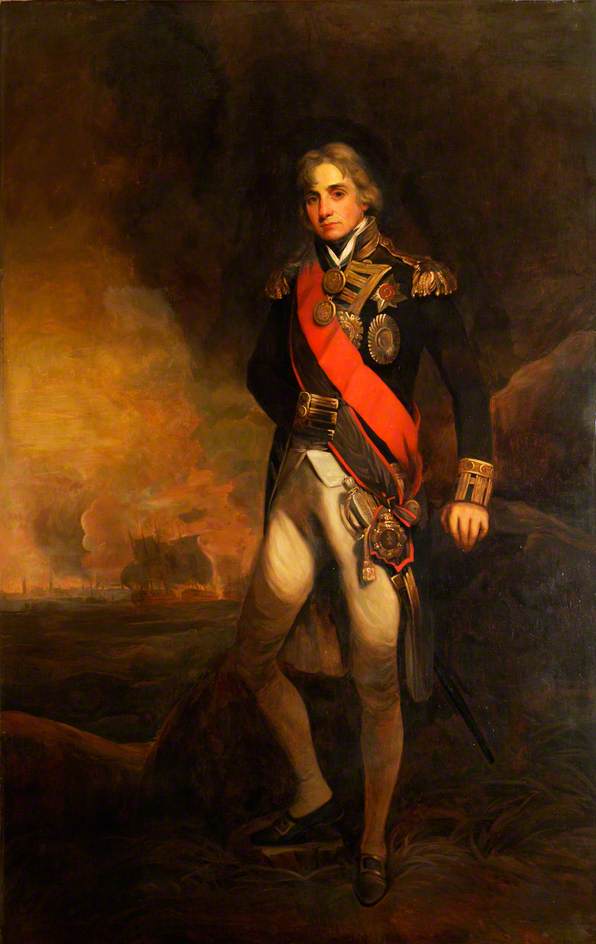
Horatio Nelson, 1st Viscount Nelson (1758–1805), Vice Admiral and Victor of Trafalgar (copy of John Hoppner)
 1910
1910 230.0 x 145.0 cm
 Government Art Collection
 詳細を見る
詳細を見る
オンラインプレビューをはるかに凌ぐ、高解像度で鮮明なデジタル画像をご購入いただけます。
各ファイルは、社内の専門家が高度なツールと熟練した手作業によるレタッチを用いて、細心の注意を払って準備されています。すべての画像において、卓越した鮮明度、正確な色彩再現性、そして繊細なディテールを保証いたします。
最終ファイルは、プロフェッショナルな編集・印刷環境ですぐにご利用いただけるよう最適化された状態で、72時間以内にメールにてお届けいたします。これは、一流のデザインスタジオ、出版社、ギャラリーから信頼されているものと同等の品質です。
デジタル画像のご注文に付随する特典
高品質なデジタル画像配信を、確かな品質で。
ArtsDot.com を選ぶことは、単に画像を手に入れることではありません。それは、プロの手によって精密に仕上げられ、満足保証が付いた高品質なデジタルアートワークを受け取ることを意味します。ご注文いただいた際に自動的に付随する内容は、以下の通りです:

メールですぐにお届け
ご注文から72時間以内に、高解像度のデジタル画像ファイルがメールでお手元に届きます。すぐにそのままご利用いただけます。

AI技術で最適化されたデジタルファイル
お客様の作品は、高度なAIツールと専門家による手作業の編集を組み合わせてプロフェッショナルに最適化されており、細部のディテール、鮮明さ、そして正確な色再現性を最大限に引き出しています。

一生涯無料の再送サービス
ファイルを誤って削除したり、紛失してしまったりしましたか?ご安心ください。いつでも無料で再送いたします。

輸入手数料は一切かかりません
関税や手数料、配送料を気にすることなく、お気に入りのアートワークをすぐにお楽しみいただけます。デジタルダウンロードは常に免税です。

色彩再現の保証
プロ仕様のツールとカラーマネジメント技術を用いることで、デジタル画像が元の色を最大限に忠実に再現することを保証いたします。

60日間満足保証
ご購入いただいたデジタル画像にご満足いただけない場合は、60日以内であれば、修正または100%の返金(理由を問う必要はありません)をさせていただきます。

100% 返金保証
ご満足いただけない場合は、デジタルファイルを受け取ってから60日以内であれば、理由を問わず全額返金いたします。

まとめ買い割引
3枚購入で10%OFF - 5枚購入で15%OFF - 10枚以上購入で20%OFF。クリエイティブなプロジェクト、ギャラリー、エージェンシーに最適です。
関連作品










作家の略歴
William Alan Menzies: The Architect of Regal Portraits
William Alan Menzies, a British artist working primarily during the late 19th and early 20th centuries, remains an enigmatic yet profoundly influential figure in the history of portraiture. More than simply a painter, Menzies was a meticulous craftsman, a master of historical detail, and a pioneer in capturing not just likeness but also the very essence – the dignity, gravitas, and narrative weight – of his subjects. His work, often commissioned by royalty and nobility, transcends mere representation; it’s an exercise in controlled elegance, a deliberate construction of visual authority that cemented his place as one of the most sought-after portrait artists of his time.
Born in 1865 in London, Menzies's early life was steeped in artistic tradition. His father, Peter Menzies, was a BBC radio producer, and his family’s connections to the art world were significant – his uncle Hugh was a Member of Parliament, and another uncle, Sydney Sampson, had served as a Liberal MP. This environment fostered an appreciation for both public service and aesthetic refinement. He studied at the Royal Academy of Dramatic Art, honing not just acting skills but also a keen eye for composition and dramatic lighting—qualities that would prove invaluable in his portraiture. His early exposure to theatrical design likely contributed to his ability to imbue his paintings with a sense of staged grandeur, as if each portrait were a carefully orchestrated tableau.
The Rise of the Historical Portraitist
Menzies’s career gained momentum during a period of significant artistic and social change. The late Victorian and Edwardian eras witnessed a renewed interest in historical subjects, fueled by burgeoning nationalism and a desire to connect with the past. Simultaneously, advancements in printing and photography created a wider demand for portraits—a means of documenting status, commemorating achievements, and projecting an image of power. Menzies expertly capitalized on this confluence of trends. He wasn’t merely replicating existing images; he was actively constructing narratives through his paintings, carefully selecting poses, costumes, and settings to evoke specific historical periods or social roles.
His early work, particularly the portraits of figures like William Pitt (a copy of John Hoppner) and Hardinge Stanley Giffard (an imitation of John Collier), demonstrated a remarkable ability to capture both physical likeness and psychological depth. These weren’t simply flattering depictions; they were studies in character—Pitt radiating authority, Giffard projecting an air of dignified composure. Menzies's meticulous attention to detail – the texture of fabrics, the gleam of armor, the subtle expressions on his subjects’ faces – created a sense of immediacy and realism that was rare for portraits of the era. He employed a sophisticated understanding of light and shadow, using chiaroscuro techniques to sculpt forms and draw the viewer's eye to key features.
Technicolor and the Art of Dramatic Mood
A pivotal moment in Menzies’s career arrived with his work on *Gone With the Wind* (1939). Working under the direction of David O. Selznick, he was tasked with transforming a sprawling historical epic into a visually compelling experience. Recognizing the potential of Technicolor to heighten emotional impact, Menzies championed its use and developed innovative techniques for layering colors to create depth and atmosphere. His bold color choices—the fiery reds of Scarlett’s dresses, the somber blues of the Confederate uniforms—were instrumental in shaping the film's iconic visual style. It was this work that earned him an Honorary Academy Award, a testament to his groundbreaking contribution to cinematic art.
Beyond Technicolor, Menzies’s mastery extended to set design and costume creation. He collaborated closely with designers to ensure that every element of the paintings—from the furniture in the background to the jewelry worn by the subjects—was historically accurate and contributed to the overall narrative. His meticulous approach ensured that each portrait wasn't just a likeness but a carefully constructed world, inviting the viewer to step into the past.
Legacy and Influence
William Alan Menzies’s influence on portraiture extends far beyond his own lifetime. He established many of the conventions of historical portraiture—the emphasis on detail, the use of dramatic lighting, and the integration of narrative elements—that continue to inform artists today. His work served as a model for generations of portrait painters, and his legacy is particularly evident in the works of later British artists who sought to capture the grandeur and dignity of their subjects. His meticulous approach and dedication to historical accuracy have ensured that his portraits remain timeless examples of artistic skill and cultural significance.
Today, Menzies’s paintings are housed in prestigious collections around the world, including the William Evans Bequest at Bangor University and the Williams College Museum of Art. His work continues to be studied and admired for its beauty, its historical insight, and its enduring power to transport viewers to another time and place.
william alan menzies
1865 - 1929
プロフィール概要
- Artistic Movement Or Style: Portraiture
- Artists Or Movements Influenced By This Artist:
- Tobias Menzies
- Robert Menzies
- Artists Who Influenced This Artist:
- John Hoppner
- John Collier
- John Singer Sargent
- Date Of Birth: 1865
- Date Of Death: 1929
- Full Name: William Alan Menzies
- Nationality: British
- Notable Artworks:
- Pitt (1759–1806)
- Hardinge Stanley Giffard
- Field Marshall Connaught
- Place Of Birth: Wahoo, Nebraska

