 プレビュー
プレビュー
 プリントを購入
 シェアする
シェアする シェアする
シェアする
 詳細を見る
詳細を見る

 ダウンロード
 似ている作品
 X線調査
X線調査 スライドショー
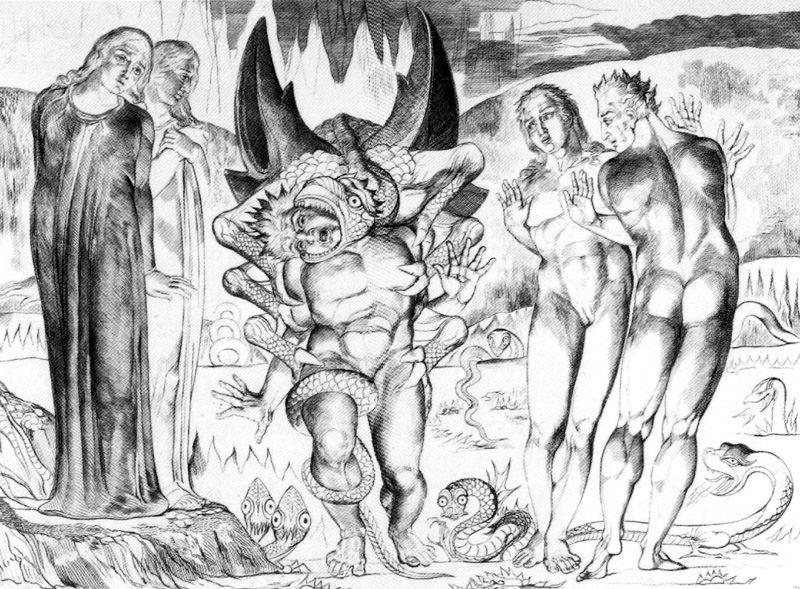
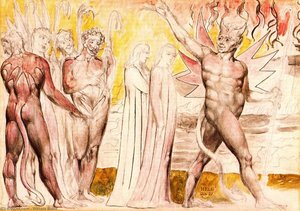
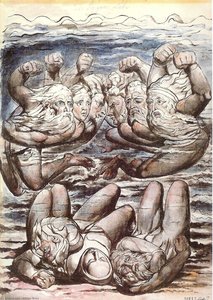
La serpiente de seis pies ataca a Agnelo dei Brunelleschi


 詳細を見る
詳細を見る




P118B $10

P118H $10

P118W $10

P438Z $10

P508JH $12

P508YH $12

P805H $10

P805Z $10

P919BZ $10

P919G $10

P919XJ $10

P959ZH $10

P968JZ $12

W106C $8

W218G $10

W218JH $8

W218Y $10

W307PJ $10

W316G $10

W316PJ $8

W316Y $10

W398PJ $8

W4111J $10

W500HY $15

W500JH $15

W692G $12

W849H $8

W940BG $15

W953PJ $8




作品のオリジナル比率に合わせた、当店の規定サイズからお選びください。

特定のフレームやスペースに合わせて、ご希望のサイズをご入力いただけます。選択されたサイズが元の画像の比率と異なる場合、アートワークをトリミングするか、手描きで要素を追加して絵画を拡張いたします。デジタルモックアップ を制作し、制作開始前にご確認(承認)をいただきます。
画面上のプレビューは、実際のトリミングや拡張を正確に反映しているものではありません。最終的な構図は、モックアップによってのみ正確にご確認いただけます。
カスタムサイズもご利用いただけますが、元の比率を維持するためには、あらかじめ用意されたリストからサイズを選択することをお勧めいたします。
ご注文後、ArtsDot.com チームより詳細な指示をお送りするとともに、仕上がりイメージ(モックアップ)をご提供いたします。


 ガラスオプションは、110cm未満のサイズでのみご利用いただけます。

La serpiente de seis pies ataca a Agnelo dei Brunelleschi
複製技法
複製画のサイズ
-


合計金額
$ 313
作品解説
A Descent into Dante’s Inferno: William Blake's “La serpiente de seis pies ataca a Agnelo dei Brunelleschi”
This striking monochrome engraving by William Blake plunges the viewer directly into a harrowing scene from Dante Alighieri’s *Inferno*. The artwork, titled “La serpiente de seis pies ataca a Agnelo dei Brunelleschi,” is not merely an illustration of a literary passage; it's a powerful visual interpretation of sin, temptation, and divine retribution rendered with Blake’s signature intensity.Subject & Narrative
The engraving depicts a dramatic confrontation within the depths of Hell. A monstrous serpent, possessing six legs – a deliberate distortion of natural form to emphasize its demonic nature – aggressively attacks Agnelo dei Brunelleschi, a Florentine nobleman condemned in Dante’s eighth circle for simony (the buying and selling of ecclesiastical privileges). Surrounding figures react with varying degrees of horror, despair, and resignation. Blake doesn't offer a serene depiction of punishment; instead, he captures the raw emotional turmoil and chaotic energy of this infernal landscape.Style & Technique
Blake’s style in this work is firmly rooted in the late medieval/early Renaissance tradition of engraving, yet infused with his uniquely Romantic sensibility. The composition is densely packed, creating a claustrophobic atmosphere that mirrors the confinement of Hell itself. Strong diagonal lines dominate the scene, directing the eye and amplifying the sense of movement and struggle. He masterfully employs hatching and cross-hatching – meticulously layered parallel lines – to build form, create texture, and suggest dramatic lighting emanating from an unseen source. This technique lends a sculptural quality to the figures despite the two-dimensional medium. The engraving was created using a burin on a copper plate, then inked and printed—a process demanding precision and artistic control.Historical Context & Blake’s Vision
William Blake (1757-1827) was a pivotal figure of the Romantic era, renowned not only as an artist but also as a poet and printmaker. Unlike many artists of his time who focused on classical or historical subjects, Blake frequently turned to literature – particularly the works of Milton and Dante – for inspiration. His engagement with *The Divine Comedy* reflects his own deeply held beliefs about morality, spirituality, and the human condition. Blake’s interpretation of Dante is not a literal translation but rather a visionary reimagining, filtered through his unique symbolic language.Symbolism & Emotional Impact
The serpent itself is a potent symbol of temptation and evil, echoing the biblical story of Adam and Eve. Its six legs further emphasize its unnatural and monstrous quality, signifying corruption and deviation from divine order. The flames that engulf the scene represent both punishment and purification, while the expressions of anguish on the faces of the condemned underscore the devastating consequences of sin. The overall effect is one of profound foreboding and impending doom. Blake’s work doesn't simply depict Hell; it evokes a visceral emotional response in the viewer – a sense of unease, fear, and perhaps even empathy for those suffering eternal torment.Collecting & Interior Design
“La serpiente de seis pies ataca a Agnelo dei Brunelleschi” is a compelling piece for collectors interested in Romantic art, literary illustration, or works exploring themes of morality and the sublime. Its monochrome palette and dramatic composition make it surprisingly versatile for interior design. It would be particularly striking in a study, library, or dining room—spaces that invite contemplation and conversation. A high-quality reproduction allows one to appreciate Blake’s masterful technique and powerful vision without the constraints of acquiring an original engraving, which are rare and highly valued.関連作品
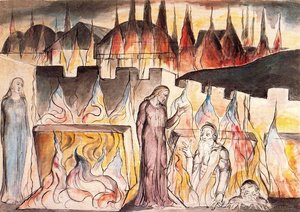
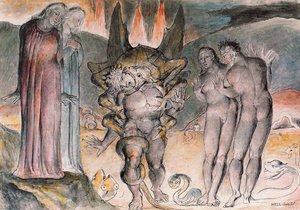
アーティストの略歴
ヴィジョンと革新の世界:ウィリアム・ブレイクの生涯と芸術
ウィリアム・ブレイクは1757年11月28日にロンドンで生まれ、その生涯は時代遅れでありながらも、ロマン主義時代の最も称賛される詩人にして画家の一人となる運命にありました。彼の人生は、急速に変貌を遂げるイギリスの背景の中で展開しました—産業化、政治的混乱、そして変化する精神的な信念と向き合う世界です。ホサイヤーの息子というさえない身分から始まり、ブレイクの初期の年々には、強烈な想像力と、彼の芸術的な軌跡を深く形作った神秘体験への傾向が特徴でした。正式な学問では主に独学でしたが、若い頃に描画指導を受け、並外れた才能を示しました。ジェームズ・バサィアとの見習い期間は、技術的な熟練だけでなく、彼が後に革命を起こすことになる版画技法についての理解をもたらしました。これらの初期の影響—ウェストミンスター寺院のゴシック様式の壮大さ、ラファエルとミケランジェロの古典的な形態—彼の発展する美学の基礎となりましたが、ブレイクは決して慣習に縛られることはありませんでした。「照らされた印刷」:革新的な技法
ブレイクの芸術的革新は主題だけではありませんでした。それは彼がどのように作品を創造したかに根ざしていました。従来の版画方法に不満を感じた彼は、「照らされた印刷」と呼ばれる独自のプロセスを開発しました。このプロセスでは、銅板にテキストとイラストをエッチングし、その後、結果のプリントを手彩色します—勤勉ですが、深く個人的なアプローチであり、完全な芸術的コントロールを可能にします。「単なる詩を補完する挿絵ではなく、イメージと詩が不可分に結びついた統合された芸術形式でした。それぞれの要素が互いの意味を高めます。」彼のレリーフ版画技術は、兄弟の死後の神秘体験から生まれたものであり、伝統的な方法よりも大きな芸術的自由度をもたらす、独特の質感を与えました。版画以外にも、ブレイクは水彩やテンペラ絵具を使用し、象徴的な重みを帯びた聖書の場面や幻想的な主題を描きました。彼のスタイルを特徴づける重要な点は、線形遠近法を拒否し、より感情的で象徴的な表現—彼の神秘的な世界に鑑賞者を誘い込む空間の平坦化を採用したことです。無邪気さ、経験、そして反逆のテーマ
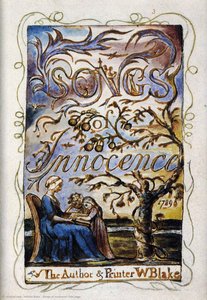
ブレイクの芸術作品の中核は、深遠なテーマを探求することにあります:無邪気さと経験という二面性、理性制約に対する想像力の解放力、そして社会規範への激しい批判です。《無邪気さと経験の歌》(1794) は、おそらく彼の最もアクセスしやすい作品であり、詩と芸術における彼の卓越した才能を示しています。ブレイクは自身でこのコレクションを印刷し、「照らされた印刷」と呼ばれる革新的な技術を使用しました。まず、銅板にテキストとイメージを裏向きに同時に加え、耐酸性のインクを使用して行間にスペースを作りました。最初の印刷後、水彩を使って本の個々の版に追加の詳細が加えられました。彼は自身の作品が国家的に重要であり、彼の同時代の多くの人が理解できると信じていました。ブレイクは芸術家としての彼の業績だけではなく、創造的な自由への揺るぎないコミットメント—理性や制約に支配されがちな世界において、想像力の永続的な力に対する証なのです。再発見された遺産:ブレイクの持続的な影響
生涯の間、ウィリアム・ブレイクは主に軽視され、多くの同時代人に誤解されていました。彼の作品はしばしば風変わりまたは狂気と見なされました。彼は人生の多くを経済的に苦労し、コミッションや小さなパトロングループの支援に頼っていました。しかし、彼の死後数十年が経過するにつれて、ブレイクの名声は着実に高まりました。「前ラファエル派兄弟」は、彼のビジョナリーなスタイルと象徴的なイメージに魅了され、彼を同志として受け入れました。その後の運動—象徴主義と現代主義—彼の想像力、主観的経験、そして精神的なテーマへの重点において共鳴を見出しました。今日、ウィリアム・ブレイクはロマン主義運動における重要な人物として認識されています。彼の作品は詩人、画家、学者の分野を超えて、今もなお多くの人にインスピレーションを与え続けています。彼の複雑な哲学および宗教的なアイデアを芸術を通して探求することは、依然として非常に重要であり、私たちに従来の知恵に疑問を持ち、個人のビジョンの力を受け入れるよう促しています。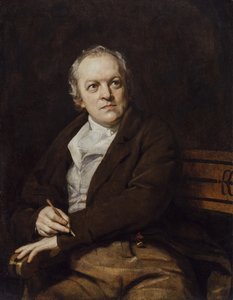
ウィリアム・ブレイク
1757 - 1827 , イギリス
基本情報
- フルネーム: ウィリアム・ブレイク
- 主な作品:
- 無垢なる歌と経験の歌
- 天と地獄の結婚
- トラ
- 出生地: ロンドン、イギリス
- 国籍: イギリス人
- 影響を与えたアーティスト:
- プレ・ラファエル派
- 象徴主義
- モダニズム
- 影響を受けたアーティスト:
- ラファエロ
- ミケランジェロ
- 没年月日: 1827年8月12日
- 生年月日: 1757年11月28日
- 芸術運動またはスタイル: ロマン主義
関連記事
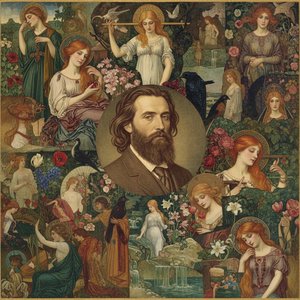
ダンテ・ガブリエル・ロセッティ傑作25選:美と象徴が織りなす芸術の世界 | ArtsDot
ダンテ・ガブリエル・ロセッティの傑作25選。プレラファエライトの象徴主義、美しい女性画の世界へ。油絵やアートプリントで、リビングや寝室を彩るインテリアアートを見つけましょう。ArtsDot.comで名画コレクションを探索。
Engraving's Golden Age: 10 Masterpieces That Redefined Art | ArtsDot
Journey through art history with our Top 10 Legendary Engravings! Explore masterpieces by Dürer, Rembrandt & Goya. Discover the stories behind these iconic prints and find museum-quality reproductions for your home at ArtsDot.com.

William Blake: Romantic Visionary & Mystical Genius of the Imagination
Explore the mystical art & poetic genius of William Blake (1757-1827). Discover his revolutionary illuminated printing, rich symbolism, and lasting influence on Romanticism. Find handmade reproductions at ArtsDot.
Engraving: A Historical Survey of Technique, Artistic Expression & Enduring Legacy
Explore the rich history of engraving with ArtsDot. Discover techniques, iconic artists like Dürer & Callot, collecting tips, and expert guidance for preserving your art investment. Learn about intaglio printing & more!
The Intricate World of Engraving: A Historical Survey of Technique, Artistic Expression & Enduring Legacy
Explore the rich history of engraving with ArtsDot. Discover techniques, iconic artists like Dürer & Callot, collecting tips, and expert guidance for preserving your art investment. Learn about intaglio printing & more!