 プレビュー
プレビュー
 シェアする
シェアする シェアする
シェアする
 詳細を見る
詳細を見る

 ダウンロード
 似ている作品
 X線調査
X線調査 スライドショー
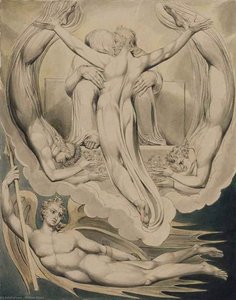
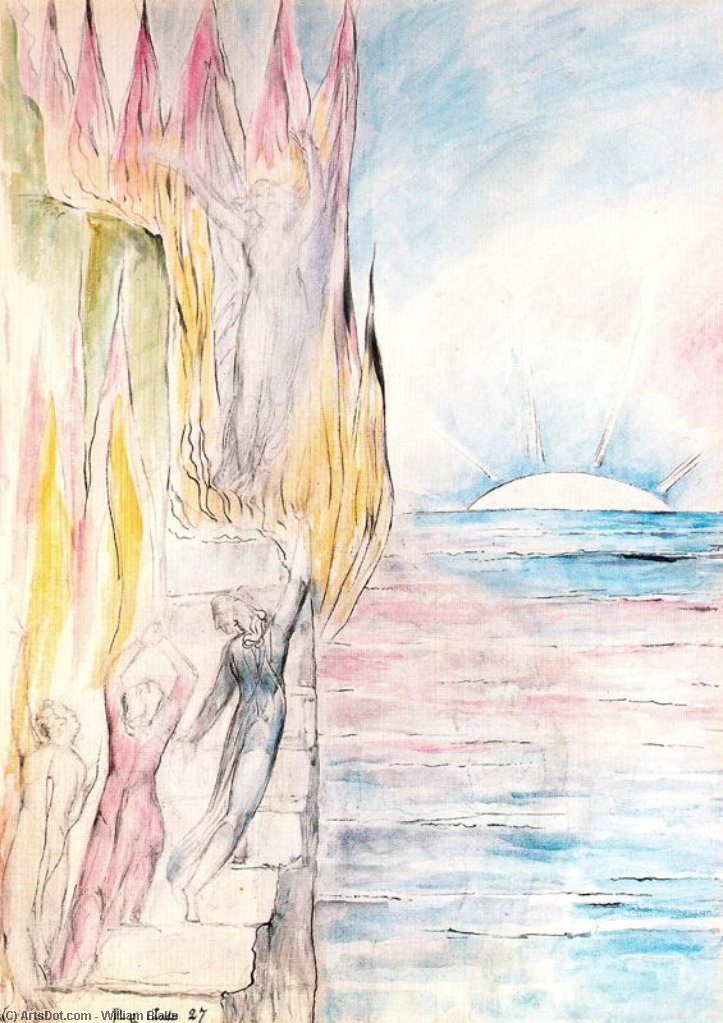
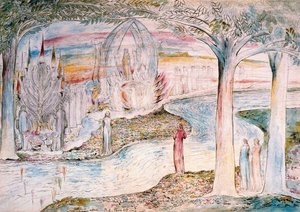
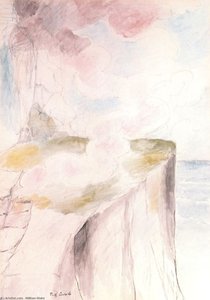
The angel invites Dante to enter into flames

 詳細を見る
詳細を見る
ジークレー/アートプリント
迅速な制作と多彩な仕上げオプションを備えた、ミュージアムクオリティのジークレーまたはキャンバスプリント。 ( 手描きの絵画を購入 画像を購入)




































作品のオリジナル比率に合わせた、当店の規定サイズからお選びください。

特定のフレームやスペースに合わせて、ご自身でサイズを指定することも可能です。選択されたサイズが元の画像の比率と一致しない場合、作品をトリミングするか、鏡面反射または単色での塗りつぶしによって画像を拡張いたします。制作を開始する前に、ご確認用のデジタルモックアップをお送りいたします。
画面上のプレビューには、実際のトリミングや拡張は反映されませんのでご注意ください。最終的な構図を正確に確認できるのは、モックアップのみとなります。
カスタムサイズも承っておりますが、元の比率を維持するためには、あらかじめ用意されたリストからサイズを選択することをお勧めいたします。


 ガラスオプションは、110cm未満のサイズでのみご利用いただけます。

The angel invites Dante to enter into flames
ジークレー/アートプリント
複製画のサイズ
-


合計金額
$ 62
William Blake’s “The Angel Invites Dante Into Flames”: A Symphony of Visionary Romanticism
William Blake’s “The Angel Invites Dante Into Flames,” painted circa 1820, stands as a cornerstone of Romantic art—a testament to the era's preoccupation with spiritual exploration and its rejection of Enlightenment rationalism. More than just a depiction of Dante Alighieri’s journey through Hell, Blake transforms Virgil’s epic into a profound meditation on divine grace and human redemption, rendered in breathtaking watercolor.
Style and Technique: Watercolor Alchemy
Blake eschewed the polished realism favored by his contemporaries, opting instead for a technique characterized by loose washes of color—a masterful manipulation of watercolor that captures the ethereal beauty of twilight. The artist’s deliberate disregard for meticulous detail serves not to diminish the scene's impact but rather to amplify its emotional resonance. Instead of striving for photographic accuracy, Blake prioritized conveying feeling; he sought to distill the essence of Dante’s experience onto canvas.
Historical Context: Echoes of Virgil and Revelation
Blake drew inspiration from Virgil’s “Aeneid,” reimagining the Roman poet's heroic narrative as a symbolic representation of humanity’s confrontation with mortality. However, Blake transcends Virgilian grandeur by injecting Christian iconography—the angel Gabriel and Dante—into the landscape, elevating the scene to a realm of divine revelation. This juxtaposition underscores the Romantic conviction that truth resides beyond empirical observation, accessible only through intuition and imaginative engagement.
Symbolism: Fire, Light, and Divine Invitation
"The Angel Invites Dante Into Flames" is replete with symbolic imagery. The fiery sunset serves as a visual metaphor for Hell’s torment—yet Blake deftly balances this darkness with the luminescence of approaching dawn, representing God's promise of salvation. Dante himself embodies humanity’s yearning for spiritual enlightenment, while Gabriel symbolizes divine compassion and grace. The birds circling above the water symbolize hope and transcendence, suggesting that even amidst suffering, beauty and redemption persist.
Emotional Impact: A Landscape of Grace
Blake’s watercolor captures not merely a visual spectacle but also an emotional landscape—a poignant portrayal of Dante's perilous pilgrimage and his ultimate acceptance of God’s love. The painting compels viewers to contemplate the complexities of faith, fear, and forgiveness. Its quiet grandeur speaks to the enduring power of imagination and its capacity to illuminate the deepest recesses of human experience. “The Angel Invites Dante Into Flames” remains a captivating masterpiece—a timeless reminder that true beauty lies not in flawless representation but in conveying profound spiritual truths.
関連作品
アーティストの略歴
ヴィジョンと革新の世界:ウィリアム・ブレイクの生涯と芸術
ウィリアム・ブレイクは1757年11月28日にロンドンで生まれ、その生涯は時代遅れでありながらも、ロマン主義時代の最も称賛される詩人にして画家の一人となる運命にありました。彼の人生は、急速に変貌を遂げるイギリスの背景の中で展開しました—産業化、政治的混乱、そして変化する精神的な信念と向き合う世界です。ホサイヤーの息子というさえない身分から始まり、ブレイクの初期の年々には、強烈な想像力と、彼の芸術的な軌跡を深く形作った神秘体験への傾向が特徴でした。正式な学問では主に独学でしたが、若い頃に描画指導を受け、並外れた才能を示しました。ジェームズ・バサィアとの見習い期間は、技術的な熟練だけでなく、彼が後に革命を起こすことになる版画技法についての理解をもたらしました。これらの初期の影響—ウェストミンスター寺院のゴシック様式の壮大さ、ラファエルとミケランジェロの古典的な形態—彼の発展する美学の基礎となりましたが、ブレイクは決して慣習に縛られることはありませんでした。「照らされた印刷」:革新的な技法
ブレイクの芸術的革新は主題だけではありませんでした。それは彼がどのように作品を創造したかに根ざしていました。従来の版画方法に不満を感じた彼は、「照らされた印刷」と呼ばれる独自のプロセスを開発しました。このプロセスでは、銅板にテキストとイラストをエッチングし、その後、結果のプリントを手彩色します—勤勉ですが、深く個人的なアプローチであり、完全な芸術的コントロールを可能にします。「単なる詩を補完する挿絵ではなく、イメージと詩が不可分に結びついた統合された芸術形式でした。それぞれの要素が互いの意味を高めます。」彼のレリーフ版画技術は、兄弟の死後の神秘体験から生まれたものであり、伝統的な方法よりも大きな芸術的自由度をもたらす、独特の質感を与えました。版画以外にも、ブレイクは水彩やテンペラ絵具を使用し、象徴的な重みを帯びた聖書の場面や幻想的な主題を描きました。彼のスタイルを特徴づける重要な点は、線形遠近法を拒否し、より感情的で象徴的な表現—彼の神秘的な世界に鑑賞者を誘い込む空間の平坦化を採用したことです。無邪気さ、経験、そして反逆のテーマ
ブレイクの芸術作品の中核は、深遠なテーマを探求することにあります:無邪気さと経験という二面性、理性制約に対する想像力の解放力、そして社会規範への激しい批判です。《無邪気さと経験の歌》(1794) は、おそらく彼の最もアクセスしやすい作品であり、詩と芸術における彼の卓越した才能を示しています。ブレイクは自身でこのコレクションを印刷し、「照らされた印刷」と呼ばれる革新的な技術を使用しました。まず、銅板にテキストとイメージを裏向きに同時に加え、耐酸性のインクを使用して行間にスペースを作りました。最初の印刷後、水彩を使って本の個々の版に追加の詳細が加えられました。彼は自身の作品が国家的に重要であり、彼の同時代の多くの人が理解できると信じていました。ブレイクは芸術家としての彼の業績だけではなく、創造的な自由への揺るぎないコミットメント—理性や制約に支配されがちな世界において、想像力の永続的な力に対する証なのです。再発見された遺産:ブレイクの持続的な影響
生涯の間、ウィリアム・ブレイクは主に軽視され、多くの同時代人に誤解されていました。彼の作品はしばしば風変わりまたは狂気と見なされました。彼は人生の多くを経済的に苦労し、コミッションや小さなパトロングループの支援に頼っていました。しかし、彼の死後数十年が経過するにつれて、ブレイクの名声は着実に高まりました。「前ラファエル派兄弟」は、彼のビジョナリーなスタイルと象徴的なイメージに魅了され、彼を同志として受け入れました。その後の運動—象徴主義と現代主義—彼の想像力、主観的経験、そして精神的なテーマへの重点において共鳴を見出しました。今日、ウィリアム・ブレイクはロマン主義運動における重要な人物として認識されています。彼の作品は詩人、画家、学者の分野を超えて、今もなお多くの人にインスピレーションを与え続けています。彼の複雑な哲学および宗教的なアイデアを芸術を通して探求することは、依然として非常に重要であり、私たちに従来の知恵に疑問を持ち、個人のビジョンの力を受け入れるよう促しています。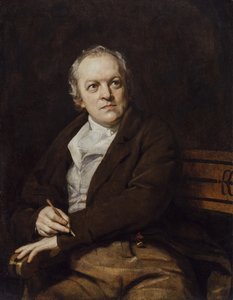
ウィリアム・ブレイク
1757 - 1827 , イギリス
基本情報
- フルネーム: ウィリアム・ブレイク
- 主な作品:
- 無垢なる歌と経験の歌
- 天と地獄の結婚
- トラ
- 出生地: ロンドン、イギリス
- 国籍: イギリス人
- 影響を与えたアーティスト:
- プレ・ラファエル派
- 象徴主義
- モダニズム
- 影響を受けたアーティスト:
- ラファエロ
- ミケランジェロ
- 没年月日: 1827年8月12日
- 生年月日: 1757年11月28日
- 芸術運動またはスタイル: ロマン主義
関連記事

Watercolor Wonders: 10 Masterpieces That Redefined Art History | ArtsDot
Journey through 10 legendary watercolor masterpieces by Sargent, Turner & Homer! Explore iconic landscapes, portraits & floral art that redefined history. Find museum-quality reproductions and curated decor ideas at ArtsDot.com.

ロマン派ランドスケープ:時代を彩る巨匠の10選|アートとインテリアの世界
ロマン派絵画の時代を彩る10選。巨匠たちの風景が織りなす感動の世界へ。ターナー、ルーベンスなど、名作の裏話と高精細複製でアートをお部屋に。ArtsDot.comで至福のアート体験を。

Ephemeral Visions: Exploring the Artistic Legacy & Contemporary Practice of Watercolor Painting
Explore the captivating world of watercolor painting! Discover its rich history, essential techniques, influential artists & collecting tips. A comprehensive guide for art enthusiasts from ArtsDot.

Ephemeral Visions: Exploring the History & Emotional Resonance of Watercolor Painting
Explore the captivating history of watercolor painting, from ancient techniques to modern masters like Kandinsky & Blake. Discover essential artists, collecting tips & the emotional power of this luminous medium. Expert insights for art enthusiasts.

Ephemeral Visions: Exploring the Artistic Legacy & Nuances of Watercolor Painting
Explore the captivating world of watercolor painting! Discover its rich history, essential techniques, influential artists & collecting tips from art experts. A comprehensive guide for enthusiasts.