

 プレビュー
プレビュー
 プリントを購入
 シェアする
シェアする シェアする
シェアする
 詳細を見る
詳細を見る

 ダウンロード
 似ている作品
 X線調査
X線調査 スライドショー
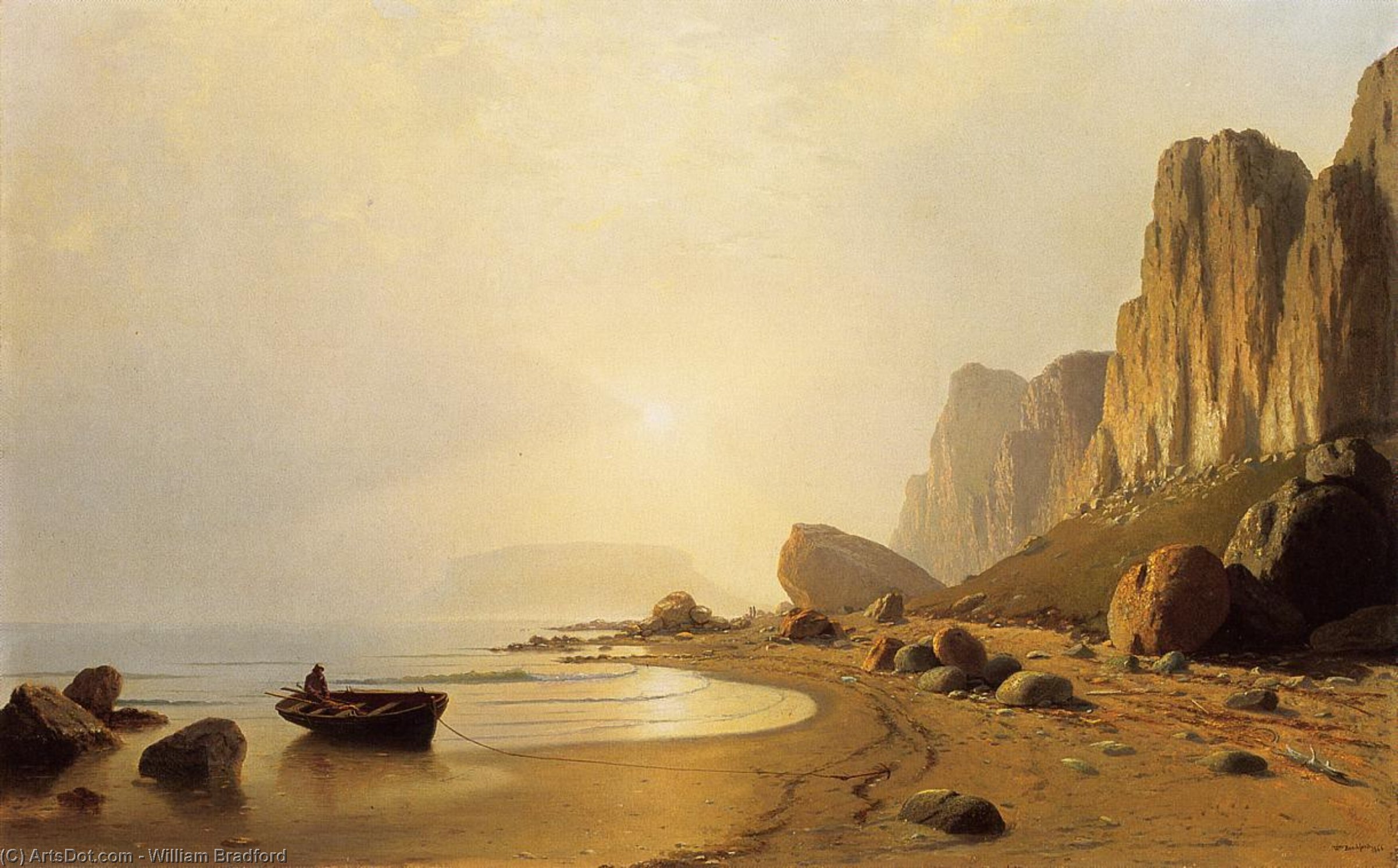
The Coast of Labrador


 詳細を見る
詳細を見る




P118B $10

P118H $10

P118W $10

P438Z $10

P508JH $12

P508YH $12

P805H $10

P805Z $10

P919BZ $10

P919G $10

P919XJ $10

P959ZH $10

P968JZ $12

W106C $8

W218G $10

W218JH $8

W218Y $10

W307PJ $10

W316G $10

W316PJ $8

W316Y $10

W398PJ $8

W4111J $10

W500HY $15

W500JH $15

W692G $12

W849H $8

W940BG $15

W953PJ $8




作品のオリジナル比率に合わせた、当店の規定サイズからお選びください。

特定のフレームやスペースに合わせて、ご希望のサイズをご入力いただけます。選択されたサイズが元の画像の比率と異なる場合、アートワークをトリミングするか、手描きで要素を追加して絵画を拡張いたします。デジタルモックアップ を制作し、制作開始前にご確認(承認)をいただきます。
画面上のプレビューは、実際のトリミングや拡張を正確に反映しているものではありません。最終的な構図は、モックアップによってのみ正確にご確認いただけます。
カスタムサイズもご利用いただけますが、元の比率を維持するためには、あらかじめ用意されたリストからサイズを選択することをお勧めいたします。
ご注文後、ArtsDot.com チームより詳細な指示をお送りするとともに、仕上がりイメージ(モックアップ)をご提供いたします。


 ガラスオプションは、110cm未満のサイズでのみご利用いただけます。

The Coast of Labrador
複製技法
複製画のサイズ
-


合計金額
$ 263
作品解説
A Frozen Symphony: Unveiling William Bradford’s “The Coast of Labrador”
William Bradford's "The Coast of Labrador," painted in 1866, isn’t merely a depiction of a rugged coastline; it’s a visceral encounter with the sublime. This canvas captures not just the physical landscape of Labrador – a realm of granite cliffs, icy waters, and brooding mountains – but also the profound emotional response evoked by its stark beauty. Bradford, a pivotal figure bridging Romanticism and scientific observation, possessed an almost preternatural ability to translate the raw power of nature onto linen. He wasn’t simply recording; he was channeling the spirit of the Arctic into a visual language that resonates with both awe and melancholy.
The painting immediately draws the eye to the tumultuous sea, rendered in layers of meticulously applied oil paint – a technique characteristic of Bradford's meticulous approach. Notice how he doesn’t shy away from depicting the churning foam and the dark, brooding depths, suggesting an underlying sense of danger and unpredictability. The jagged coastline, sculpted by centuries of relentless waves, is presented with astonishing detail; each rock face, each crevice, feels palpably real. Yet, despite this realism, Bradford employs a muted palette – predominantly blues, greys, and browns – that contributes to the painting’s overall atmosphere of quiet contemplation.
The Pioneer of Romantic Observation
Bradford's journey into the Arctic was far more than an artistic expedition. He accompanied the British naval explorer Captain Robert Peary on his 1864-66 expedition, documenting the landscape and its inhabitants with a dedication that bordered on obsession. This experience profoundly shaped his art, imbuing it with a sense of scientific curiosity tempered by deep respect for the natural world. Unlike many artists of the era who romanticized the wilderness as an escape from societal constraints, Bradford sought to understand its fundamental nature – its geological forces, its climatic patterns, and its impact on human perception.
His background as a ship portraitist initially focused on capturing the precise details of vessels navigating treacherous waters. This skill translated seamlessly into his landscape paintings, allowing him to render the movement of water with remarkable accuracy. However, it was his encounter with the Arctic that truly transformed his artistic vision, pushing him beyond mere representation and towards an exploration of emotional truth. Bradford’s work stands as a testament to the burgeoning Romantic interest in capturing subjective experience alongside objective observation – a crucial shift in art history.
Symbolism of Ice and Light
The painting is rich with symbolic elements, most notably the pervasive presence of ice. It isn't simply depicted as frozen water; it embodies resilience, permanence, and the unforgiving nature of the Arctic environment. The light, too, plays a crucial role in conveying Bradford’s message. He masterfully captures the interplay of sunlight on the icy surfaces, creating an ethereal glow that illuminates the scene while simultaneously hinting at the coldness and isolation of the landscape. The small boat with its two figures represents humanity's tentative presence within this vast, indifferent wilderness – a poignant reminder of our vulnerability in the face of nature’s power.
A Legacy of Arctic Vision
“The Coast of Labrador” is more than just a beautiful painting; it’s a window into a pivotal moment in American art history. Bradford's work foreshadowed the later developments of Impressionism and Luminism, demonstrating a remarkable ability to capture fleeting moments of light and atmosphere. His dedication to scientific observation combined with his profound emotional sensitivity resulted in images that continue to captivate viewers today. Reproductions of this iconic piece offer a chance to experience the raw beauty and haunting power of the Arctic – a timeless testament to the enduring legacy of William Bradford.
関連作品



アーティストの略歴
アメリカ・ロマン主義の先駆者
1590年頃、イギリスのオースターフィールドに生まれたウィリアム・ブラッドフォードは、アメリカ美術史の物語において、比類なき極めて重要な地位を占めています。彼は単なる画家ではありませんでした。科学的探検が求める緻密な記録と、勃興しつつあったロマン主義の感情的な潮流を繋ぐ、変革の時代の記録者だったのです。その生涯は、不屈の精神の証であり、慎ましい田舎での始まりから、人類の営みと自然界の崇高な力――特に北極圏の氷の威容――を視覚的に解釈する表現者へと至る、壮大なオデッセイ(叙事詩)でした。ブラッドフォードの旅は、単なる芸術的技術の追求に留まりませんでした。それは、海や、後にキャンバスに永遠に刻むことになる風景との間に築かれた深い絆の物語です。彼は、ただ「何を見たか」だけでなく、その場の空気感、光、そして自然の圧倒的な壮大さが「どのように感じられたか」を捉えたいという、本能的な渇望に突き動かされていたのです。当初はニューベドフォード港に停泊する船の細密な描写に焦点を当てていましたが、これらの情景が持つ感情的な響きを伝えたいという切実な願いによって、彼の芸術的ビジョンは急速に拡大していきました。海洋風景から北極のヴィジョンへ
ブラッドフォードの初期の作品には、細部への鋭い眼差しと、海洋主題における卓越した習熟が見て取れます。これらの絵画は単なる地形的な記録ではなく、捕鯨の主要な港として発展を遂げていたニューベドフォードの商業的関心と深く共鳴するような、リアリズムに満ちていました。しかし、彼の芸術的軌道を決定づけたのは、アイザック・イスラエル・ヘイズ博士との交流と、それに続く北極探検でした。北極の凍てつく領域へと足を踏み入れ、それを描き出した最初のアメリカ人画家となったブラッドフォードは、地理的にも芸術的にも未踏の領域へと踏み出したのです。これらの航海は、単なる科学的観察の機会ではありませんでした。それは、光、色彩、そして形態に対する彼の認識を根本から変えてしまうような、没入的な体験だったのです。北極圏は彼に特有の挑戦を突きつけました。白夜の下で輝く氷山の空霊な美しさ、広大な流氷の広がり、そして水面下に潜む固有の危険を、いかにして伝えるか。ブラッドマグは驚くべき技術でこの難題に応え、自らの直接的な観察を、科学的に正確でありながら感情を揺さぶる絵画へと昇華させました。彼はこれらの探検を丹念に記録し、写真とともに詳細な記録である『北極圏(The Arctic Regions)』を出版することで、探検家画家としての地位をさらに確固たるものにしました。この出版物は単なる科学報告書ではなく、視覚的な物語が持つ力を証明するものであり、遠く離れた北極の姿を、故郷の人々の目の前に鮮やかに蘇らせたのです。影響と芸術的スタイル
ウィリアム・ブラッドフォードは、ハドソン・リバー派に正式に所属していたわけではありませんが、その核心的な理念、特に水と大気の相互作用を描写することへの重点を吸収していました。この影響は彼の作品に顕著に表れており、繊細な色彩の階調と巧みなキアロスクーロ(明暗法)の使用が、奥行きとリアリズムを生み出しています。しかし、ブラッドフォードのスタイルは単なる模倣を超越しています。彼は北極での経験によって形作られた独自の感性を、作品に吹き込んだのです。彼の構図はしばしば主題を慎重に配置し、光と影を戦略的に用いることで、観る者の視線を誘導し、感情的なインパクトを高めています。彼の絵画の特徴的な技法の一つは、画面の縁に暗い色を用いることで、中心となる主題を縁取り、劇的な焦点を生み出すことです。「バトル・ハーバーの展望」(187なる)のような作品はこの技法の好例であり、観る者を情景へと引き込む構図のバランスを示しながら、同時にその場に漂う孤独感を強調しています。また、劇的な自然環境の中での海洋活動を描き出す技術は、「ラブラドル海岸付近の捕鯨船と漁船」(1880年頃)において見事に披露されています。彼は単に見えたものを描いていたのではありません。畏怖、脆弱性、そして自然の崇高な力といった「感情」を伝えていたのです。遺産と永続的な影響
ウィリアム・ブラッドフォードの芸術的遺産は、北極の風景や海洋情景の素晴らしい描写を遥かに超えて広がっています。1874年に全米デザインアカデミーの準会員に選出されたことで、彼はアメリカ美術への貢献に対して高い評価を得ました。彼の絵画は単なる審美的な創作物ではなく、急速に変化する世界の視覚的な記録でした。科学的探検を記録し、探検精神を捉え、自然環境への理解を深める役割を果たしたのです。「夕暮れ時のニューベドフォード港」のような主要作品は彼の初期の習熟を示し、「白夜の下の流氷」は彼が北極で見出した空霊な美しさを凝縮しています。そしておそらく最も力強く、「メルヴィル湾の氷山の中の『パンサー号』」のような作品は、極地探検の壮大さと危うさの両方を伝え、自然と人類との脆い関係を観る者に思い起こさせます。ブラッドフォードが発表した北極旅行の記録は、これらの遠隔地の知識をさらに広め、後の世代の芸術家や探検家たちにインスピレーションを与えました。彼はアメリカ美術史における重要な人物であり続けています。未知の世界へと踏み出し、その驚異をキャンバスへと翻訳しようと挑んだロマン主義の先駆者として、彼の作品は今日においても人々を魅了し、刺激を与え続けているのです。主要作品
- 北極の氷山(1882年):氷河形成の美しさと危険を捉えた劇的な海景画。
- 白夜の下の流氷:北極の風景の空霊な光と広大さを描き出す。
- メイン州バスのスクーナー船「ジェーン号」:自然環境の中における海洋船舶を描写する技術を示す。
- バトル・ハーバーの展望(1877年):構図のバランスと、光と影の劇的な使用を体現している。
- ラブラドル海岸付近の捕鯨船と漁船(1880年頃):ダイナミックな自然環境の中での海洋活動を描き出す能力を際立たせている。
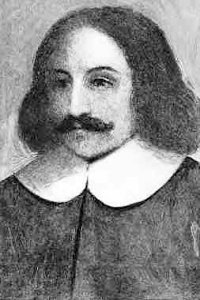
ウィリアム・ブラッドフォード
1590 - 1657
基本情報
- Artistic Movement Or Style: ロマン主義
- Artists Or Movements Influenced By This Artist: ['アメリカ・ロマン主義']
- Artists Who Influenced This Artist: ['ハドソン・リバー派の画家']
- Date Of Birth: 1590年頃
- Date Of Death: 1657年
- Full Name: ウィリアム・ブラッドフォード
- Nationality: アメリカ
- Notable Artworks:
- バトル・ハーバーの展望
- 白夜の流氷
- ラブラドル海岸付近の捕鯨船
- 夕暮れ時のニューベドフォード港
- 氷山の中の『パンサー号』
- Place Of Birth: イギリス、オースターフィールド
関連記事
William Bradford: Navigating Faith, Landscape & Artistic Innovation in Early American Painting
Explore the captivating world of William Bradford, American Romanticist painter renowned for his dramatic Arctic seascapes & ship portraits. Discover his artistic evolution, influences, and lasting legacy with ArtsDot.

ロマン派ランドスケープ:時代を彩る巨匠の10選|アートとインテリアの世界
ロマン派絵画の時代を彩る10選。巨匠たちの風景が織りなす感動の世界へ。ターナー、ルーベンスなど、名作の裏話と高精細複製でアートをお部屋に。ArtsDot.comで至福のアート体験を。

ジョン・コンスタブルの傑作25選:英国風景画の巨匠が描く自然と光の詩 | ArtsDot
ジョン・コンスタブルの傑作25選。英国風景画の巨匠が描く自然と光の詩の世界へ。ロマン主義を代表する絵画、デダム・ヴェールやヘイ・ウェインなど、ArtsDotで高品質なアートプリントをお楽しみください。インテリアに深みと感動を。コレクションはこちら。

Evocations of Place: A Historical Journey Through Landscape Art
Explore the rich history of landscape art with ArtsDot. Discover renowned artists, movements like Impressionism & Romanticism, and expert guidance for collecting timeless pieces. Find your perfect serene escape today!
Evoking Nature's Sublime: A Comprehensive Exploration of 19th-Century Landscape Painting
Explore the captivating world of 19th-century landscape painting! Discover renowned artists like Friedrich & Monet, key movements, and find the perfect artwork to bring nature's serenity into your home. Expert insights at ArtsDot.

