

 プレビュー
プレビュー
 プリントを購入
 シェアする
シェアする シェアする
シェアする
 詳細を見る
詳細を見る

 ダウンロード
 似ている作品
 X線調査
X線調査 スライドショー
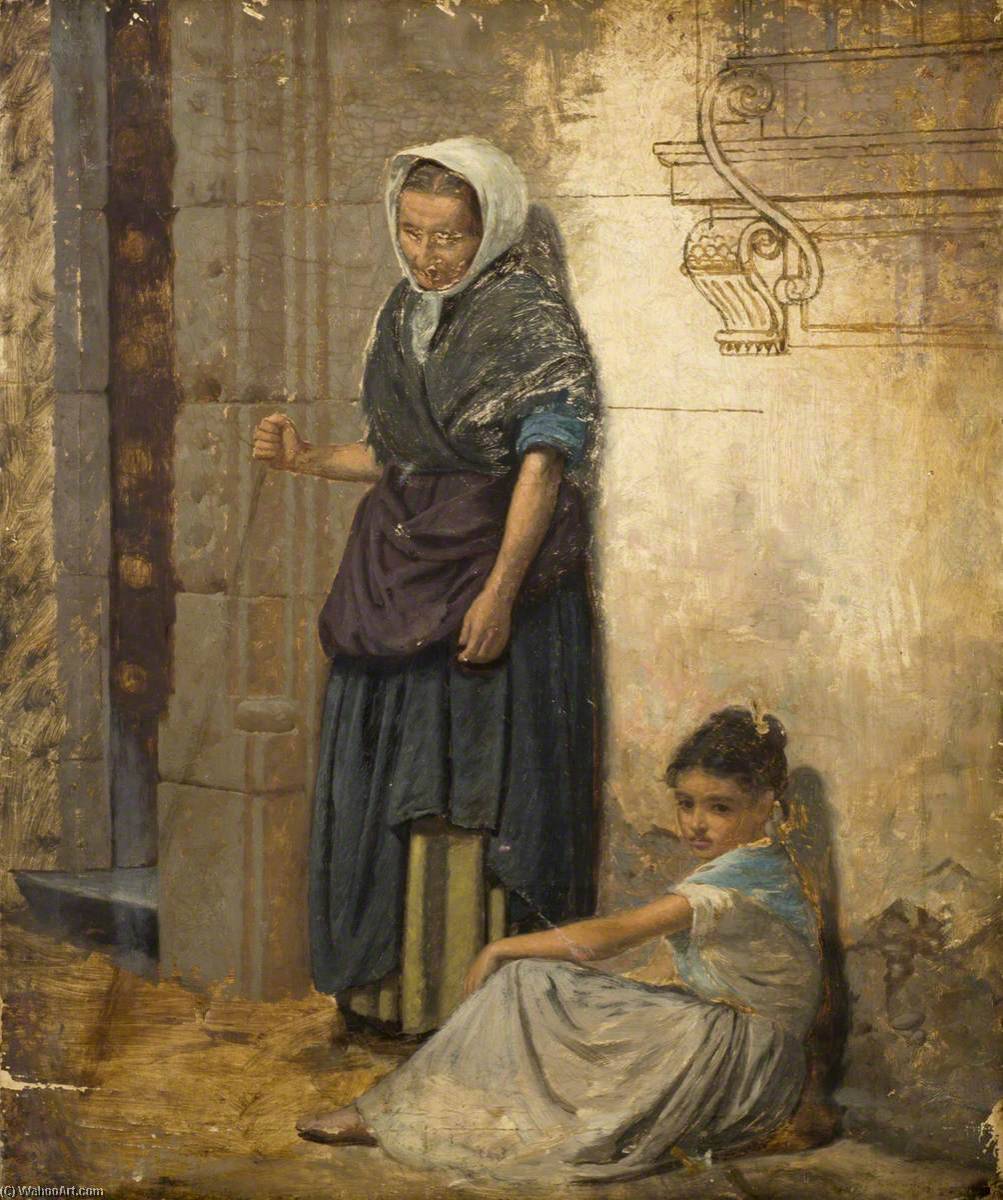
Peasant Woman and a Girl
 Contemporary Realism
 1880
1880 62.0 x 52.0 cm
 詳細を見る
詳細を見る
オンラインプレビューをはるかに凌ぐ、高解像度で鮮明なデジタル画像をご購入いただけます。
各ファイルは、社内の専門家が高度なツールと熟練した手作業によるレタッチを用いて、細心の注意を払って準備されています。すべての画像において、卓越した鮮明度、正確な色彩再現性、そして繊細なディテールを保証いたします。
最終ファイルは、プロフェッショナルな編集・印刷環境ですぐにご利用いただけるよう最適化された状態で、72時間以内にメールにてお届けいたします。これは、一流のデザインスタジオ、出版社、ギャラリーから信頼されているものと同等の品質です。
デジタル画像のご注文に付随する特典
高品質なデジタル画像配信を、確かな品質で。
ArtsDot.com を選ぶことは、単に画像を手に入れることではありません。それは、プロの手によって精密に仕上げられ、満足保証が付いた高品質なデジタルアートワークを受け取ることを意味します。ご注文いただいた際に自動的に付随する内容は、以下の通りです:

メールですぐにお届け
ご注文から72時間以内に、高解像度のデジタル画像ファイルがメールでお手元に届きます。すぐにそのままご利用いただけます。

AI技術で最適化されたデジタルファイル
お客様の作品は、高度なAIツールと専門家による手作業の編集を組み合わせてプロフェッショナルに最適化されており、細部のディテール、鮮明さ、そして正確な色再現性を最大限に引き出しています。

一生涯無料の再送サービス
ファイルを誤って削除したり、紛失してしまったりしましたか?ご安心ください。いつでも無料で再送いたします。

輸入手数料は一切かかりません
関税や手数料、配送料を気にすることなく、お気に入りのアートワークをすぐにお楽しみいただけます。デジタルダウンロードは常に免税です。

色彩再現の保証
プロ仕様のツールとカラーマネジメント技術を用いることで、デジタル画像が元の色を最大限に忠実に再現することを保証いたします。

60日間満足保証
ご購入いただいたデジタル画像にご満足いただけない場合は、60日以内であれば、修正または100%の返金(理由を問う必要はありません)をさせていただきます。

100% 返金保証
ご満足いただけない場合は、デジタルファイルを受け取ってから60日以内であれば、理由を問わず全額返金いたします。

まとめ買い割引
3枚購入で10%OFF - 5枚購入で15%OFF - 10枚以上購入で20%OFF。クリエイティブなプロジェクト、ギャラリー、エージェンシーに最適です。
関連作品
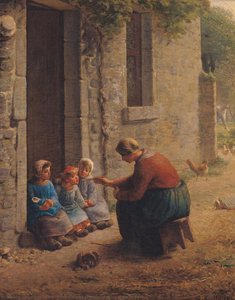
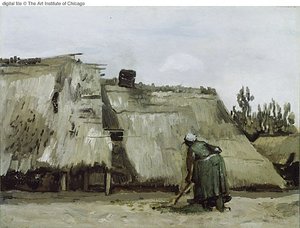
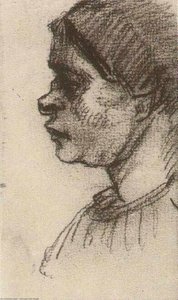
作家の略歴
William Bright Morris: A Weaver of Dreams and Shadows
The world of late nineteenth-century British art was undergoing a profound shift, moving away from the rigid formalism of academic painting towards a vibrant embrace of folklore, mythology, and craftsmanship. Within this dynamic landscape emerged William Bright Morris (1844–1912), an artist whose work transcended mere representation to become imbued with a potent blend of Romantic idealism, Pre-Raphaelite aesthetics, and a deep fascination with the mystical and the medieval. More than just a painter, Morris was a multifaceted creative force – a draughtsman, illustrator, designer, and ultimately, a key figure in the Arts and Crafts movement, shaping not only his own artistic trajectory but also profoundly influencing generations of artists to come.
Born in King’s Lynn, Norfolk, into a family steeped in artistic tradition (his father was a captain in the Royal Navy), Morris's early life provided him with an unparalleled exposure to both the practicalities of art and the romantic ideals championed by his uncle, William Morris. This familial connection proved pivotal; it instilled within him a reverence for craftsmanship, a deep appreciation for the beauty of nature, and a critical perspective on the dehumanizing effects of industrialization – themes that would become central to his artistic vision. Morris’s formal training was somewhat unconventional, largely self-directed, honed through diligent study and tireless practice. He initially apprenticed as a draughtsman in London, absorbing the techniques of various masters before establishing himself as an independent artist.
A Palette of Myth and Memory
Morris's artistic style is immediately recognizable for its rich color palette, often dominated by deep blues, greens, and browns – colors evocative of twilight forests, ancient ruins, and the mysteries of the natural world. He employed a meticulous draughtsmanship, rendering details with astonishing precision, yet always imbuing his subjects with an atmosphere of dreamlike intensity. His paintings rarely depict straightforward narratives; instead, they present fragmented glimpses into emotional states, symbolic landscapes, and fleeting moments of beauty. He frequently explored themes of loss, memory, and the enduring power of myth – drawing inspiration from Celtic legends, Norse sagas, and the writings of his uncle.
His subjects ranged widely: portraits of friends and family, evocative landscapes, scenes of rural life, and fantastical allegorical compositions. Notable works such as “Spanish Beggars” (1879) and “Tiger, Tiger Burning Bright” (1880), both depicting scenes of poverty and hardship, demonstrate his ability to capture the dignity and resilience of marginalized individuals. The latter, a dramatic stage play adaptation, showcases his talent for storytelling through visual imagery, blending elements of folklore, tragedy, and social commentary.
The Echoes of William Morris
Morris’s artistic development was inextricably linked to that of his uncle, William Morris, the celebrated textile designer and socialist visionary. As a young man, Morris had purchased many of Morris's books, including his fantasies, poetry, and translations. Both men shared a deep skepticism towards industrialization and a fascination with medieval art and literature. This intellectual kinship profoundly influenced Morris’s artistic choices, shaping his subject matter, his stylistic preferences, and his overall aesthetic sensibility. The influence is particularly evident in his illustrations for the Völsunga Saga, a Norse epic that he meticulously studied and translated, capturing its heroic grandeur and tragic pathos with remarkable skill.
Furthermore, Morris’s work reflects the core tenets of the Arts and Crafts movement, which sought to revive traditional crafts and reject mass-produced goods. His meticulous attention to detail, his commitment to handcraftsmanship, and his celebration of beauty in everyday objects align perfectly with this broader artistic and social philosophy. The legacy of William Morris's influence on J. R. R. Tolkien is also significant, demonstrating the enduring power of Morris’s vision across generations.
A Lasting Legacy
Despite facing financial challenges throughout his career, William Bright Morris remained a dedicated artist until his death in 1912. His work continues to resonate with viewers today, not only for its technical brilliance and evocative imagery but also for its profound exploration of human emotion, mythic themes, and the enduring beauty of the natural world. Morris’s legacy extends beyond his individual paintings; he played a crucial role in shaping the artistic landscape of late nineteenth-century Britain, inspiring countless artists to embrace craftsmanship, explore the power of symbolism, and celebrate the richness of cultural heritage. His art serves as a poignant reminder of the importance of preserving tradition while simultaneously embracing innovation.
Key Works
- Spanish Beggars (1879)
- Tiger, Tiger Burning Bright (1880)
- The Icelandic Journals (Illustrations, 1871)
- Portrait of Charlotte Bronte (after George Richmond, 1895)
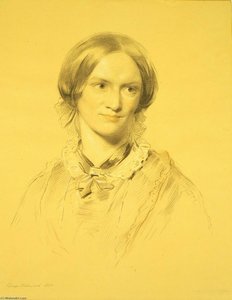
william bright morris
1844 - 1912
プロフィール概要
- Artistic Movement Or Style: Arts and Crafts
- Artists Or Movements Influenced By This Artist:
- J.R.R. Tolkien
- Alan Lee
- Artists Who Influenced This Artist:
- William Blake
- John Bright
- Date Of Birth: 1844
- Date Of Death: 1912
- Full Name: William Bright Morris
- Nationality: British
- Notable Artworks:
- Spanish Beggars
- Tiger, Tiger...
- Place Of Birth: King's Lynn, England

