

 プレビュー
プレビュー
 プリントを購入
 シェアする
シェアする シェアする
シェアする
 詳細を見る
詳細を見る

 ダウンロード
 似ている作品
 X線調査
X線調査 スライドショー
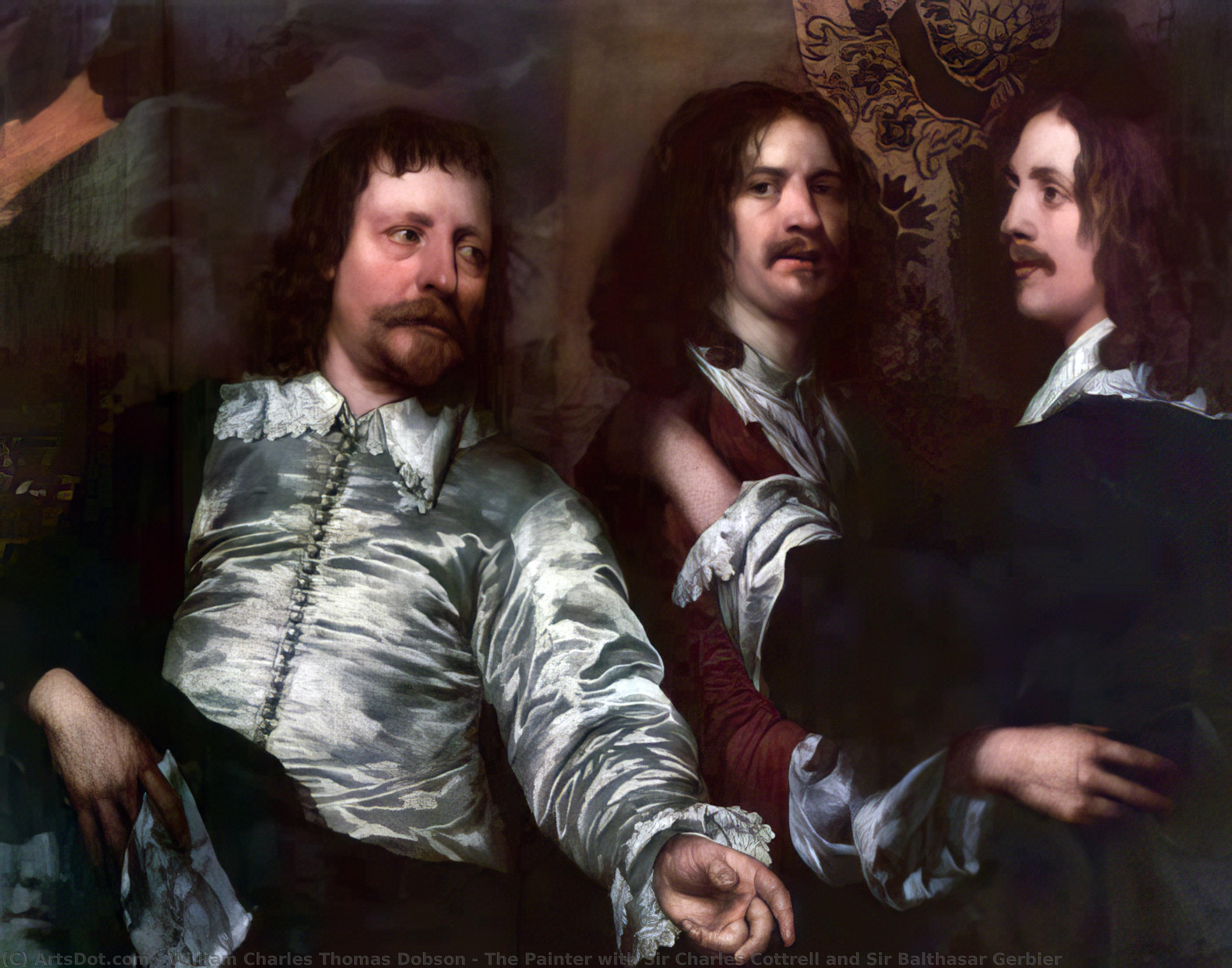
The Painter with Sir Charles Cottrell and Sir Balthasar Gerbier

 詳細を見る
詳細を見る




































作品のオリジナル比率に合わせた、当店の規定サイズからお選びください。

特定のフレームやスペースに合わせて、ご希望のサイズをご入力いただけます。選択されたサイズが元の画像の比率と異なる場合、アートワークをトリミングするか、手描きで要素を追加して絵画を拡張いたします。デジタルモックアップ を制作し、制作開始前にご確認(承認)をいただきます。
画面上のプレビューは、実際のトリミングや拡張を正確に反映しているものではありません。最終的な構図は、モックアップによってのみ正確にご確認いただけます。
カスタムサイズもご利用いただけますが、元の比率を維持するためには、あらかじめ用意されたリストからサイズを選択することをお勧めいたします。
ご注文後、ArtsDot.com チームより詳細な指示をお送りするとともに、仕上がりイメージ(モックアップ)をご提供いたします。


 ガラスオプションは、110cm未満のサイズでのみご利用いただけます。

The Painter with Sir Charles Cottrell and Sir Balthasar Gerbier
複製技法
複製画のサイズ
-


合計金額
$ 263
作品解説
The Story Behind the Painting
The story behind the creation of this festive picture is quite unusual. Cardinal Aldobrandini commissioned it as a sequel to Titian's Bacchanals, which he had recently added to his collection. The comparison with such an illustrious model brought out the best in Domenichino, especially his ability to handle light, and spurred him to take a fresh approach. Unlike Titian, the Emilian painter was willing to avoid explosive use of color and movement. Instead, he seemed content to concentrate on a serene contemplation of the beauty of girls, animals, and the countryside.Artistic Techniques and Influences
In capturing nature in clear compositions that predominate over the use of color, Domenichino nonetheless adopts Venetian tones now and then in the flowing draperies. There are extraordinary passages from green to yellow, white to blue, and various shades of purple. What opens up a new chapter in the rendering of atmosphere are his gradual and calculated changes in tone towards the pale blue mountains by using increasingly subtle glazings, which indicate a new interest in Leonardo's theories on aerial perspective.Image Information
The painting is a portrait of three men in suits and ties, with one man wearing a white shirt. The men appear to be dressed for formal occasions or business meetings. They are all standing next to each other, posing for the picture. One of the men has a mustache, which adds character to his appearance.Relevance to Albury Park
Albury Park, located in Guildford, Surrey, England, is a historic estate that has been transformed into a museum showcasing an impressive collection of artworks. The estate's history dates back to the 18th century when it was owned by the Duke of Northumberland. Today, Albury Park is home to numerous significant paintings, including "The Painter with Sir Charles Cottrell and Sir Balthasar Gerbier" by William Charles Thomas Dobson.Conclusion
"The Painter with Sir Charles Cottrell and Sir Balthasar Gerbier" is a testament to the artistic prowess of William Charles Thomas Dobson. This painting, housed in Albury Park, Guildford, United Kingdom, is a must-see for art enthusiasts. For those interested in exploring more artworks from this region, consider visiting Discovering the Artworks of Albury Park, Guildford, United Kingdom on ArtsDot. Additionally, you can find more information about William Charles Thomas Dobson and his works at Painting by 'William Charles Thomas Dobson' | William Charles Thomas Dobson:The Painter with Sir Charles Cottrell and Sir Balthasar Gerbier.関連作品
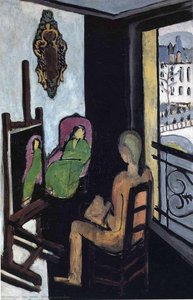
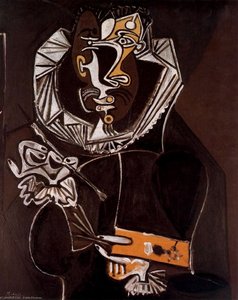
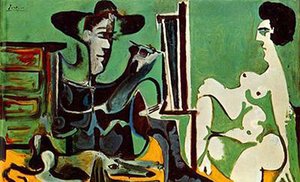
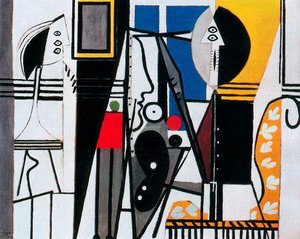
アーティストの略歴
William Dobson: The Venetian Echoes of English Portraiture
William Dobson (4 March 1611 (baptised); 28 October 1646 (buried)) stands as a pivotal figure in the early history of English painting, recognized by contemporaries like John Aubrey as “the most excellent painter that England has yet bred.” His legacy resides not merely in his output—approximately sixty surviving portraits—but in establishing a distinctly Venetian aesthetic within British artistic circles during the turbulent years of the Restoration. Dobson’s career began amidst the burgeoning Nazarene school movement, which championed a return to classical ideals and a rejection of Mannerist excesses. He received formal training under William Peake and Francis Cleyn, absorbing stylistic cues from established masters like Titian and Anthony van Dyck—the latter serving as court painter for King Charles I.- Early Life & Training: Dobson was born in London, the son of a lawyer, shaping his artistic sensibilities within a privileged intellectual environment. His apprenticeship under Peake and Cleyn provided invaluable experience in mastering technical skills and understanding compositional principles.
- Venetian Influence: Dobson’s formative years coincided with the ascendancy of Venetian art, profoundly impacting his visual vocabulary. Unlike van Dyck, who largely eschewed direct imitation, Dobson actively studied Titian's techniques—particularly his masterful use of color and glazing—incorporating these innovations into his own canvases.
- Royal Commissions & Artistic Flourishing: Dobson’s fortunes shifted dramatically with Charles I’s reign, securing lucrative commissions from the royal court. He became Serjeant Painter to the King and Groom of the Privy Chamber, cementing his position as a leading artist of the era.
The Cromwellian Years & Cavalier Portraits
Dobson's artistic output during the English Civil War is marked by an unwavering commitment to portraying the nobility—primarily cavaliers—who defended the monarchy against Parliamentarian forces. His depictions capture not only physical likeness but also psychological nuance, reflecting the anxieties and aspirations of a nation embroiled in conflict. Notable portraits include those of Charles Lucas and John Byron, Prince Rupert of the Rhine, demonstrating Dobson’s ability to convey character through subtle gestures and expressions.- Oxford & The Cromwellian Court: Dobson established his studio at Oxford during the siege, immersing himself in the artistic milieu of the royalist stronghold.
- Notable Commissions: He undertook numerous commissions documenting the lives of prominent figures on both sides of the divide—a testament to his reputation and versatility as an artist.
Dobson's Finest Work & Legacy
Dobson’s artistic zenith arrived during Charles II’s restoration, securing prestigious roles within the royal court and producing arguably his most celebrated masterpiece: a portrait of Prince Charles at around twelve years old. This ambitious composition exemplifies Dobson’s mastery of Baroque technique—characterized by dramatic lighting, rich color palettes, and an opulent textural surface—establishing him as one of England's foremost painters. His oeuvre includes portraits of Duke of York and other influential cavaliers, securing his place in art history as a pioneer of Venetian influence in British painting.- The Portrait of Prince Charles: Considered Dobson’s magnum opus, this portrait showcases exceptional detail and psychological insight—a hallmark of his artistic style.
Concluding Thoughts
Dobson's contribution to English art transcends mere stylistic imitation; he fostered a dialogue between Venetian tradition and British sensibility, shaping the visual landscape of the Restoration and securing his enduring reputation as “the most excellent painter that England has yet bred.” His work continues to inspire admiration for its beauty, technical prowess, and profound understanding of human character.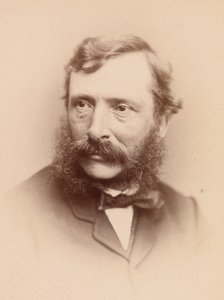
william charles thomas dobson
1610 - 1646 , Germany
基本情報
- Artistic Movement Or Style: Venetian Art Influence
- Artists Or Movements Influenced By This Artist:
- Titian
- Anthony van Dyck
- Artists Who Influenced This Artist:
- William Peake
- Francis Cleyn
- Date Of Birth: December 8, 1610
- Date Of Death: January 30, 1646
- Full Name: William Charles Thomas Dobson
- Nationality: German
- Notable Artworks:
- Portrait of Sir Edward Dering
- Jacob hall, rope dancer
- The Painter with Sir Charles Cottrell and Sir Balthasar Gerbier
- Place Of Birth: Hamburg, Germany

