

 プレビュー
プレビュー
 プリントを購入
 シェアする
シェアする シェアする
シェアする
 詳細を見る
詳細を見る

 ダウンロード
 似ている作品
 X線調査
X線調査 スライドショー
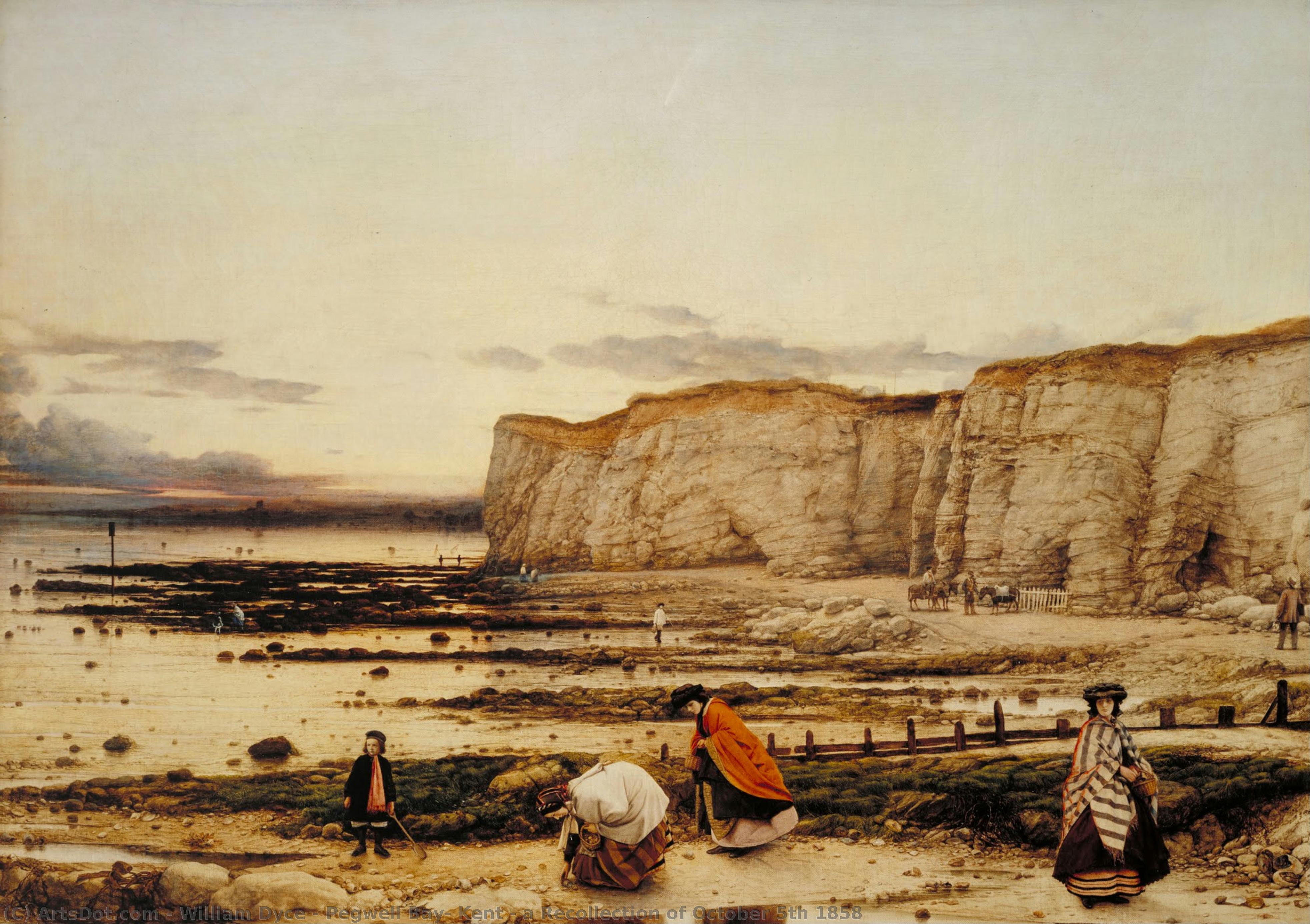
Pegwell Bay, Kent - a Recollection of October 5th 1858
 Acrylic On Canvas
- WallArt
- Pre-Raphaelite Revival
 1858
1858 88.0 x 63.0 cm
 テート・ブリテン
 詳細を見る
詳細を見る
オンラインプレビューをはるかに凌ぐ、高解像度で鮮明なデジタル画像をご購入いただけます。
各ファイルは、社内の専門家が高度なツールと熟練した手作業によるレタッチを用いて、細心の注意を払って準備されています。すべての画像において、卓越した鮮明度、正確な色彩再現性、そして繊細なディテールを保証いたします。
最終ファイルは、プロフェッショナルな編集・印刷環境ですぐにご利用いただけるよう最適化された状態で、72時間以内にメールにてお届けいたします。これは、一流のデザインスタジオ、出版社、ギャラリーから信頼されているものと同等の品質です。
デジタル画像のご注文に付随する特典
高品質なデジタル画像配信を、確かな品質で。
ArtsDot.com を選ぶことは、単に画像を手に入れることではありません。それは、プロの手によって精密に仕上げられ、満足保証が付いた高品質なデジタルアートワークを受け取ることを意味します。ご注文いただいた際に自動的に付随する内容は、以下の通りです:

メールですぐにお届け
ご注文から72時間以内に、高解像度のデジタル画像ファイルがメールでお手元に届きます。すぐにそのままご利用いただけます。

AI技術で最適化されたデジタルファイル
お客様の作品は、高度なAIツールと専門家による手作業の編集を組み合わせてプロフェッショナルに最適化されており、細部のディテール、鮮明さ、そして正確な色再現性を最大限に引き出しています。

一生涯無料の再送サービス
ファイルを誤って削除したり、紛失してしまったりしましたか?ご安心ください。いつでも無料で再送いたします。

輸入手数料は一切かかりません
関税や手数料、配送料を気にすることなく、お気に入りのアートワークをすぐにお楽しみいただけます。デジタルダウンロードは常に免税です。

色彩再現の保証
プロ仕様のツールとカラーマネジメント技術を用いることで、デジタル画像が元の色を最大限に忠実に再現することを保証いたします。

60日間満足保証
ご購入いただいたデジタル画像にご満足いただけない場合は、60日以内であれば、修正または100%の返金(理由を問う必要はありません)をさせていただきます。

100% 返金保証
ご満足いただけない場合は、デジタルファイルを受け取ってから60日以内であれば、理由を問わず全額返金いたします。

まとめ買い割引
3枚購入で10%OFF - 5枚購入で15%OFF - 10枚以上購入で20%OFF。クリエイティブなプロジェクト、ギャラリー、エージェンシーに最適です。
作品の詳細
Pegwell Bay, Kent – A Recollection of October 5th 1858
William Dyce’s “Pegwell Bay, Kent – A Recollection of October 5th 1858” isn't merely a depiction of a coastal landscape; it’s a meticulously crafted meditation on observation and memory, embodying the core tenets of Pre-Raphaelite art. Painted in 1860, this oil-on-canvas masterpiece resides within the Tate Gallery’s collection, offering viewers an unparalleled glimpse into Dyce's artistic vision and his fascination with capturing fleeting moments of beauty. The Scene: The painting transports us to Pegwell Bay, Kent – a tranquil inlet nestled between Ramsgate and Sandwich – on a crisp October day. Dyce meticulously rendered the shoreline, dominated by rugged cliffs rising majestically against the muted hues of the sea and sky. Scattered amongst the rocks are figures—a family group strolling along the beach—engaged in what appears to be a leisurely pursuit of pleasure amidst nature’s grandeur. The artist's keen eye captures not just the visual elements but also the palpable atmosphere of serenity and contemplation. Style & Technique: Dyce’s approach aligns perfectly with the Pre-Raphaelite movement, rejecting the idealized conventions prevalent in academic art of his time. Instead, he champions a style characterized by heightened realism—a deliberate departure from the polished surfaces favored by earlier artists—and an astonishing level of detail. Every stone, every ripple of water, every strand of grass is rendered with painstaking precision, demonstrating Dyce’s mastery of technique and his unwavering commitment to capturing the essence of his subject matter. The artist utilizes a glazing technique, layering thin washes of color over underpaintings to achieve luminous effects that imbue the landscape with an ethereal glow. Notably, Dyce incorporated a comet—a celestial body visible during October—into the composition as a subtle nod to scientific observation and a reflection of the era’s burgeoning interest in astronomy. Historical Context: Created amidst the intellectual fervor of Victorian England, “Pegwell Bay” reflects the Pre-Raphaelites' broader preoccupation with reviving artistic ideals rooted in medieval art – specifically rejecting the artificiality of Renaissance painting. The Dyce family undertook this excursion to Pegwell Bay as a deliberate act of scientific observation, documenting the natural world with meticulous detail and integrating it into their artwork. This juxtaposition underscores the movement’s belief that beauty could be found not only in idealized representations but also in honest portrayals of reality informed by scientific inquiry. Symbolism & Emotional Impact: Beyond its technical brilliance, “Pegwell Bay” resonates deeply with viewers on an emotional level. The depiction of a family enjoying a peaceful day at the coast speaks to themes of domestic tranquility and appreciation for the natural world—values central to Victorian sensibilities. Dyce’s masterful use of color – predominantly muted blues and greens – evokes feelings of calm and contemplation, inviting the viewer to immerse themselves in the scene's serene beauty. The inclusion of the comet serves as a reminder of the vastness of the universe and prompts reflection on humanity’s place within it—a subtle yet powerful symbolic gesture that elevates the painting beyond mere landscape depiction. Conclusion: “Pegwell Bay, Kent – A Recollection of October 5th 1858” stands as a testament to William Dyce's artistic prowess and his unwavering dedication to Pre-Raphaelite principles. It’s more than just a beautiful image; it’s an invitation to contemplate the intersection of observation, memory, and artistic expression—a timeless masterpiece that continues to captivate audiences today.関連作品



作家の略歴
初期の生涯と芸術的修練
ウィリアム・ダイス(1806–1864)は、スコットランドのアバディーンに、王立協会フェローであり医師でもあったウィリアム・ダイス博士と、裕福な銀行家の娘マーガット・チャルマーズとの間に生まれました。学問と文化を尊ぶ家庭環境に育まれた彼は、その豊かな素養を糧として、後の芸術的探求への強固な礎を築きました。アバディーンの大学であるマリシャル・カレッジに入学した彼は、わずか16歳という若さで修士号を取得するという、当時としては驚くべき快挙を成し遂げます。デザインにおける類まれな才能を見出されたダイスは、エディンバラとロンドンの王立アカデミー校にて正式な訓練を受け、古典芸術の研究に没頭しました。そこで培われた技法は、彼の後のキャリアにおいて不可欠なものとなります。形成期におけるスコットランドやイングランドの潮流的な芸術思想との出会いは、彼の審美眼を形作り、芸術的卓越性を追求する真摯な学生としての地位を確立させたのです。イタリアの影響と芸術的発展
ダイスの芸術人生を決定づけたのは、1825年のローマへの旅でした。この海外への初の大旅行は、彼の芸術的軌道を不可逆的に変える極めて重要な転換点となりました。ルネサンス芸術の壮大さに触れ、「ナザレ派」の画家たちが持つ精神性に魅了されたダイスは、9ヶ月もの間、ティツィアーノやプッサンらの作品を熱心に研究しました。彼らは構図の原理を吸収し、色彩の卓越した用法を習得していったのです。イタリアの芸術伝統への没入は、彼の画風に深い影響を与え、細部への緻密な観察眼と、深遠な精神的瞑想を伝える表現スタイルを育みました。これらは後に、彼の作品の代名詞となる特徴です。1826年にアバディーンへ帰還した後も、彼は画家としての研鑽を怠らず、『ニサのニンフに育てられるバッカス』をはじめとする数々の注目すべき作品を発表し、大きな称賛を浴たえました。エディンバラ時代と肖像画
1830年代半ば、ダイスはエディンバラにおいて肖像画家としての地位を確立し、スコットランド社会の著名な人物たちから依頼を受けるようになります。細部への細やかな注意力、とりわけ微細な表情や心理的なニュアンスを捉えるその卓越した能力は、彼に多大な名声をもたらしました。古典的な影響とロマン主義的な感性を巧みに融合させた彼の肖像画は、審美的な洗練さと感情的な共鳴を兼ね備えたものでした。同時に、彼は芸術教育の推進者としても活動し、エディンバラにおけるデザイン学校の設立を提唱しました。1843年までその職に就いた彼は、学校の拡張と近代化を指揮し、教育の発展に尽力しました。ロンドンでの活躍と建築への貢献
1837年、ダイスはロンドンへと拠点を移し、サマセット・ハウスのデザイン・スクールのマスター(校長)という重責を担うことになります。これは彼のキャリアにおける重大な転換点となり、ヴィクトリア朝の芸術的議論の中心へと彼を押し上げました。また、アルバート公をはじめとする有力なパトロンとの接点を得る機会にもなりました。彼は海外の芸術教育の実践について広範な調査を行い、その成果は、その後数十年にわたりイギリスの美術教育を支配することとなる「サウス・ケンジントン・システム」の構築に反映されました。ダイスの関わりは教育的な試みに留まりませんでした。彼は建築プロジェクトのコンサルタントとしても活動し、新国会議事堂のデザインにも携わりました。このプロジェクトにおいて披露されたフレスコ画の技法は、彼の卓越した技術を証明し、イギリス屈指の芸術家としての名声を不動のものとしたのです。主要な業績と遺産
ダイスの芸術的遺産は、主に二つの記念碑的な事業に根ざしています。それはウェストミンスター寺院の装飾と、国会議事堂の創造です。ウェストミンスター寺院におけるフレスコ画、特に『ブリタニアに降伏するネプチューン』は、ヴィクトリア朝の野心と芸術的ビジョンの勝利を象徴しており、大英帝国の壮麗さを体現するとともに、ダイスの比類なきフレスコ技法を示しています。しかし、彼の最も称賛される作品は、今なお『ケント州ペグウェル・ベイ』として語り継がれています。この風景画は、自然に対するダイスの緻密な観察眼と、深い感情の奥行きを伝える能力を見事に体現した傑作です。さらに、ロイヤル・カレッジ・オブ・アート(王立芸術大学)の設立や革新的な教育手法の提唱といった彼の教育への貢献は、芸術訓練が持つ変革の力を信じ続けた彼の揺るぎない信念の証として、今もなお受け継がれています。ウィリアム・ダイスは、知的好奇心、道徳的な真摯さ、そして人間文化を高めようとする熱烈な献身を特徴とする、ヴィクトリア朝イギリスの精神を体現した芸術家であり続けています。
ウィリアム・ダイス
1806 - 1864 , イギリス
プロフィール概要
- Artistic Movement Or Style: プリラファエル派
- Artists Or Movements Influenced By This Artist: ['ナザレ派']
- Artists Who Influenced This Artist:
- フリードリヒ・オーバーベック
- ジョン・ラスキン
- Date Of Birth: 1806-09-19
- Date Of Death: 1864-02-14
- Full Name: ウィリアム・ダイス
- Nationality: スコットランド人
- Notable Artworks:
- ケント州ペグウェル・ベイ
- 聖母子
- エドウィとエルギヴァを分かつダンスタン
- Place Of Birth: イギリス、アバディーン

