

 プレビュー
プレビュー
 シェアする
シェアする シェアする
シェアする
 詳細を見る
詳細を見る

 ダウンロード
 似ている作品
 X線調査
X線調査 スライドショー
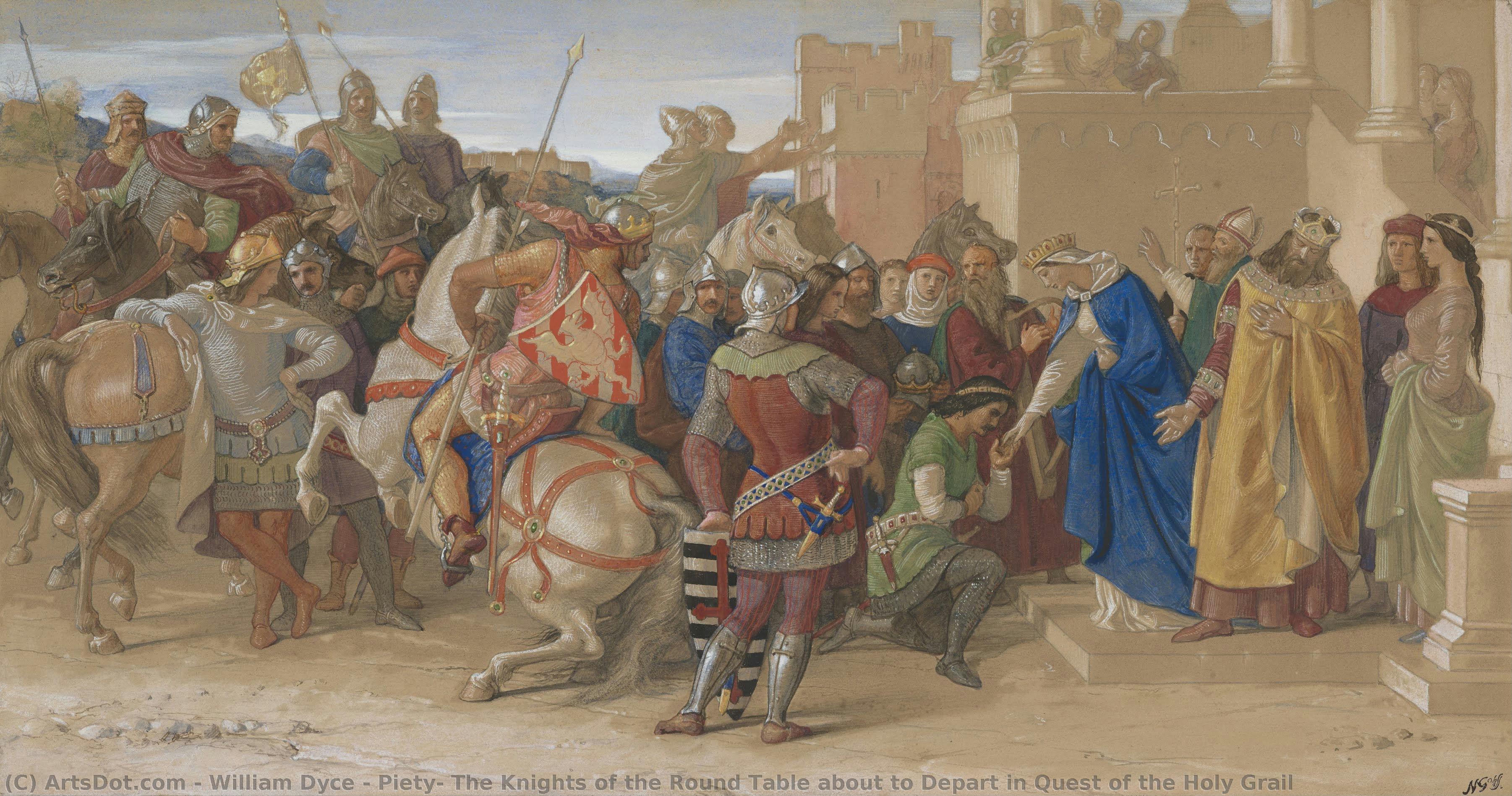
Piety: The Knights of the Round Table about to Depart in Quest of the Holy Grail


 詳細を見る
詳細を見る
ジークレー/アートプリント
迅速な制作と多彩な仕上げオプションを備えた、ミュージアムクオリティのジークレーまたはキャンバスプリント。 ( 手描きの絵画を購入 画像を購入)




P118B $10

P118H $10

P118W $10

P438Z $10

P508JH $12

P508YH $12

P805H $10

P805Z $10

P919BZ $10

P919G $10

P919XJ $10

P959ZH $10

P968JZ $12

W106C $8

W218G $10

W218JH $8

W218Y $10

W307PJ $10

W316G $10

W316PJ $8

W316Y $10

W398PJ $8

W4111J $10

W500HY $15

W500JH $15

W692G $12

W849H $8

W940BG $15

W953PJ $8




作品のオリジナル比率に合わせた、当店の規定サイズからお選びください。

特定のフレームやスペースに合わせて、ご自身でサイズを指定することも可能です。選択されたサイズが元の画像の比率と一致しない場合、作品をトリミングするか、鏡面反射または単色での塗りつぶしによって画像を拡張いたします。制作を開始する前に、ご確認用のデジタルモックアップをお送りいたします。
画面上のプレビューには、実際のトリミングや拡張は反映されませんのでご注意ください。最終的な構図を正確に確認できるのは、モックアップのみとなります。
カスタムサイズも承っておりますが、元の比率を維持するためには、あらかじめ用意されたリストからサイズを選択することをお勧めいたします。


 ガラスオプションは、110cm未満のサイズでのみご利用いただけます。

Piety: The Knights of the Round Table about to Depart in Quest of the Holy Grail
ジークレー/アートプリント
複製画のサイズ
-


合計金額
$ 62
A Vision of Heroic Faith: William Dyce’s Piety
William Dyce's "Piety: The Knights of the Round Table About to Depart in Quest of the Holy Grail" stands as a cornerstone of Victorian Romanticism, capturing not merely a historical moment but also the profound spiritual yearning that defined its era. Painted in 1849, this monumental canvas transcends mere depiction; it aspires to embody the ideals of chivalry and Christian piety – concepts central to British culture at the time. Dyce’s ambition was to elevate the narrative of Arthurian legend beyond simple adventure into a meditation on faith and duty.The Scene Unfolds: Composition and Detail
The painting depicts the knights preparing for their perilous journey to Glastonbury Tor, where they hoped to find evidence of Christ's presence – an audacious attempt to reconcile pagan myth with Christian dogma. Dyce meticulously crafted a dynamic composition, utilizing triangular structuring to convey movement and urgency. At the apex is Arthur himself, radiating authority and solemn resolve, flanked by Percival, Galahad, Bors, Tristan, Gawaine, Bertilak, Lamorak, Kayode, Gareth, Geraint, Agravaine, Bohors and Mordred. Each knight is rendered with impressive realism, capturing subtle expressions of apprehension and determination. The horses are positioned strategically to emphasize the knights’ readiness for action, their muscular forms conveying strength and nobility. Noticeably, Dyce included a book—likely referencing scripture—placed prominently in the center of the composition, symbolizing the guiding force of faith on this spiritual quest.A Masterful Blend of Technique: Romantic Impressionism
Dyce employed a technique that skillfully blended elements of Romantic idealism with burgeoning Impressionistic influences. He utilized broad brushstrokes to establish tonal values and create atmospheric depth—a hallmark of Romantic painting—yet he incorporated finer details, particularly in the depiction of facial expressions and textures, demonstrating an awareness of emerging artistic trends. The palette is rich and luminous, dominated by earthy tones punctuated by splashes of vibrant color – primarily reds and golds – reflecting the grandeur of Arthurian legend and symbolizing divine illumination. Dyce’s masterful handling of light contributes significantly to the painting's emotional impact, capturing the solemn mood of anticipation as the knights prepare for their sacred mission.Symbolism Rooted in Medieval Tradition
Beyond its visual splendor, “Piety” is laden with symbolic significance. The quest itself represents humanity’s yearning for spiritual transcendence—a desire to reconnect with divine grace amidst worldly concerns. Arthur embodies leadership and moral fortitude, representing the virtues expected of kingship and embodying Christian ideals of righteousness and compassion. The inclusion of Glastonbury Tor underscores the importance of pilgrimage and contemplation – practices central to medieval Christianity. Furthermore, the book symbolizes enlightenment and divine revelation, reinforcing the overarching theme of faith guiding noble endeavor.Emotional Resonance: Capturing the Spirit of Victorian Faith
“Piety” succeeds in conveying a palpable sense of solemn grandeur and spiritual conviction. Dyce’s portrayal captures not just the physical preparations for pilgrimage but also the inner turmoil and unwavering devotion of these knights—men grappling with profound questions about faith, duty, and purpose. The painting resonates deeply with viewers today because it speaks to universal themes of courage, idealism, and the enduring power of belief. It serves as a testament to Dyce’s artistic vision and his ability to transform myth into a powerful expression of Victorian spiritual sensibilities—a legacy that continues to inspire admiration for its beauty and intellectual depth.関連作品
アーティストの略歴
初期の生涯と芸術的修練
ウィリアム・ダイス(1806–1864)は、スコットランドのアバディーンに、王立協会フェローであり医師でもあったウィリアム・ダイス博士と、裕福な銀行家の娘マーガット・チャルマーズとの間に生まれました。学問と文化を尊ぶ家庭環境に育まれた彼は、その豊かな素養を糧として、後の芸術的探求への強固な礎を築きました。アバディーンの大学であるマリシャル・カレッジに入学した彼は、わずか16歳という若さで修士号を取得するという、当時としては驚くべき快挙を成し遂げます。デザインにおける類まれな才能を見出されたダイスは、エディンバラとロンドンの王立アカデミー校にて正式な訓練を受け、古典芸術の研究に没頭しました。そこで培われた技法は、彼の後のキャリアにおいて不可欠なものとなります。形成期におけるスコットランドやイングランドの潮流的な芸術思想との出会いは、彼の審美眼を形作り、芸術的卓越性を追求する真摯な学生としての地位を確立させたのです。イタリアの影響と芸術的発展
ダイスの芸術人生を決定づけたのは、1825年のローマへの旅でした。この海外への初の大旅行は、彼の芸術的軌道を不可逆的に変える極めて重要な転換点となりました。ルネサンス芸術の壮大さに触れ、「ナザレ派」の画家たちが持つ精神性に魅了されたダイスは、9ヶ月もの間、ティツィアーノやプッサンらの作品を熱心に研究しました。彼らは構図の原理を吸収し、色彩の卓越した用法を習得していったのです。イタリアの芸術伝統への没入は、彼の画風に深い影響を与え、細部への緻密な観察眼と、深遠な精神的瞑想を伝える表現スタイルを育みました。これらは後に、彼の作品の代名詞となる特徴です。1826年にアバディーンへ帰還した後も、彼は画家としての研鑽を怠らず、『ニサのニンフに育てられるバッカス』をはじめとする数々の注目すべき作品を発表し、大きな称賛を浴たえました。エディンバラ時代と肖像画
1830年代半ば、ダイスはエディンバラにおいて肖像画家としての地位を確立し、スコットランド社会の著名な人物たちから依頼を受けるようになります。細部への細やかな注意力、とりわけ微細な表情や心理的なニュアンスを捉えるその卓越した能力は、彼に多大な名声をもたらしました。古典的な影響とロマン主義的な感性を巧みに融合させた彼の肖像画は、審美的な洗練さと感情的な共鳴を兼ね備えたものでした。同時に、彼は芸術教育の推進者としても活動し、エディンバラにおけるデザイン学校の設立を提唱しました。1843年までその職に就いた彼は、学校の拡張と近代化を指揮し、教育の発展に尽力しました。ロンドンでの活躍と建築への貢献
1837年、ダイスはロンドンへと拠点を移し、サマセット・ハウスのデザイン・スクールのマスター(校長)という重責を担うことになります。これは彼のキャリアにおける重大な転換点となり、ヴィクトリア朝の芸術的議論の中心へと彼を押し上げました。また、アルバート公をはじめとする有力なパトロンとの接点を得る機会にもなりました。彼は海外の芸術教育の実践について広範な調査を行い、その成果は、その後数十年にわたりイギリスの美術教育を支配することとなる「サウス・ケンジントン・システム」の構築に反映されました。ダイスの関わりは教育的な試みに留まりませんでした。彼は建築プロジェクトのコンサルタントとしても活動し、新国会議事堂のデザインにも携わりました。このプロジェクトにおいて披露されたフレスコ画の技法は、彼の卓越した技術を証明し、イギリス屈指の芸術家としての名声を不動のものとしたのです。主要な業績と遺産
ダイスの芸術的遺産は、主に二つの記念碑的な事業に根ざしています。それはウェストミンスター寺院の装飾と、国会議事堂の創造です。ウェストミンスター寺院におけるフレスコ画、特に『ブリタニアに降伏するネプチューン』は、ヴィクトリア朝の野心と芸術的ビジョンの勝利を象徴しており、大英帝国の壮麗さを体現するとともに、ダイスの比類なきフレスコ技法を示しています。しかし、彼の最も称賛される作品は、今なお『ケント州ペグウェル・ベイ』として語り継がれています。この風景画は、自然に対するダイスの緻密な観察眼と、深い感情の奥行きを伝える能力を見事に体現した傑作です。さらに、ロイヤル・カレッジ・オブ・アート(王立芸術大学)の設立や革新的な教育手法の提唱といった彼の教育への貢献は、芸術訓練が持つ変革の力を信じ続けた彼の揺るぎない信念の証として、今もなお受け継がれています。ウィリアム・ダイスは、知的好奇心、道徳的な真摯さ、そして人間文化を高めようとする熱烈な献身を特徴とする、ヴィクトリア朝イギリスの精神を体現した芸術家であり続けています。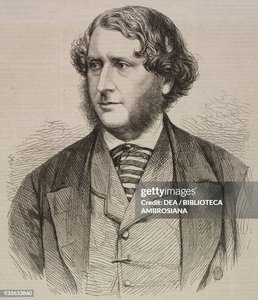
ウィリアム・ダイス
1806 - 1864 , イギリス
基本情報
- Artistic Movement Or Style: プリラファエル派
- Artists Or Movements Influenced By This Artist: ['ナザレ派']
- Artists Who Influenced This Artist:
- フリードリヒ・オーバーベック
- ジョン・ラスキン
- Date Of Birth: 1806-09-19
- Date Of Death: 1864-02-14
- Full Name: ウィリアム・ダイス
- Nationality: スコットランド人
- Notable Artworks:
- ケント州ペグウェル・ベイ
- 聖母子
- エドウィとエルギヴァを分かつダンスタン
- Place Of Birth: イギリス、アバディーン
関連記事

Giclée Prints: Archival Quality & Aesthetic Nuances for the Discerning Collector
Explore the world of giclée prints with ArtsDot. Learn about archival quality, aesthetic nuances & investment potential. Expert guidance for discerning art collectors seeking museum-quality reproductions and lasting value.

The Enduring Legacy of Fine Art Prints: Technique, History & Aesthetic Impact
Explore the rich history & techniques of fine art prints. Discover investment potential, assess authenticity, and learn how to preserve your collection with expert guidance. Trusted insights for discerning collectors.

Echoes of Time: Exploring the Enduring Appeal & Historical Context of Vintage Art Prints
Explore the captivating world of vintage art prints! Discover their history, collecting tips & enduring appeal. Expert insights on chromolithography and building a legacy collection with ArtsDot.
R.A. Benjamin Williams: Victorian Genre Painting & Social Commentary
Explore the captivating world of Benjamin Williams Leader's Victorian genre paintings. Discover his mastery of naturalism, social commentary & lasting influence on British art. Expert insights at ArtsDot.
William Powell Frith: Narratives of Victorian Society & the Rise of Realist Painting
Explore the life & works of William Powell Frith, the 'greatest British painter of social scenes.' Discover his iconic Victorian genre paintings and learn about his lasting impact on realist art. Hand-painted reproductions available.

