

 プレビュー
プレビュー
 プリントを購入
 シェアする
シェアする シェアする
シェアする
 詳細を見る
詳細を見る

 ダウンロード
 似ている作品
 X線調査
X線調査 スライドショー
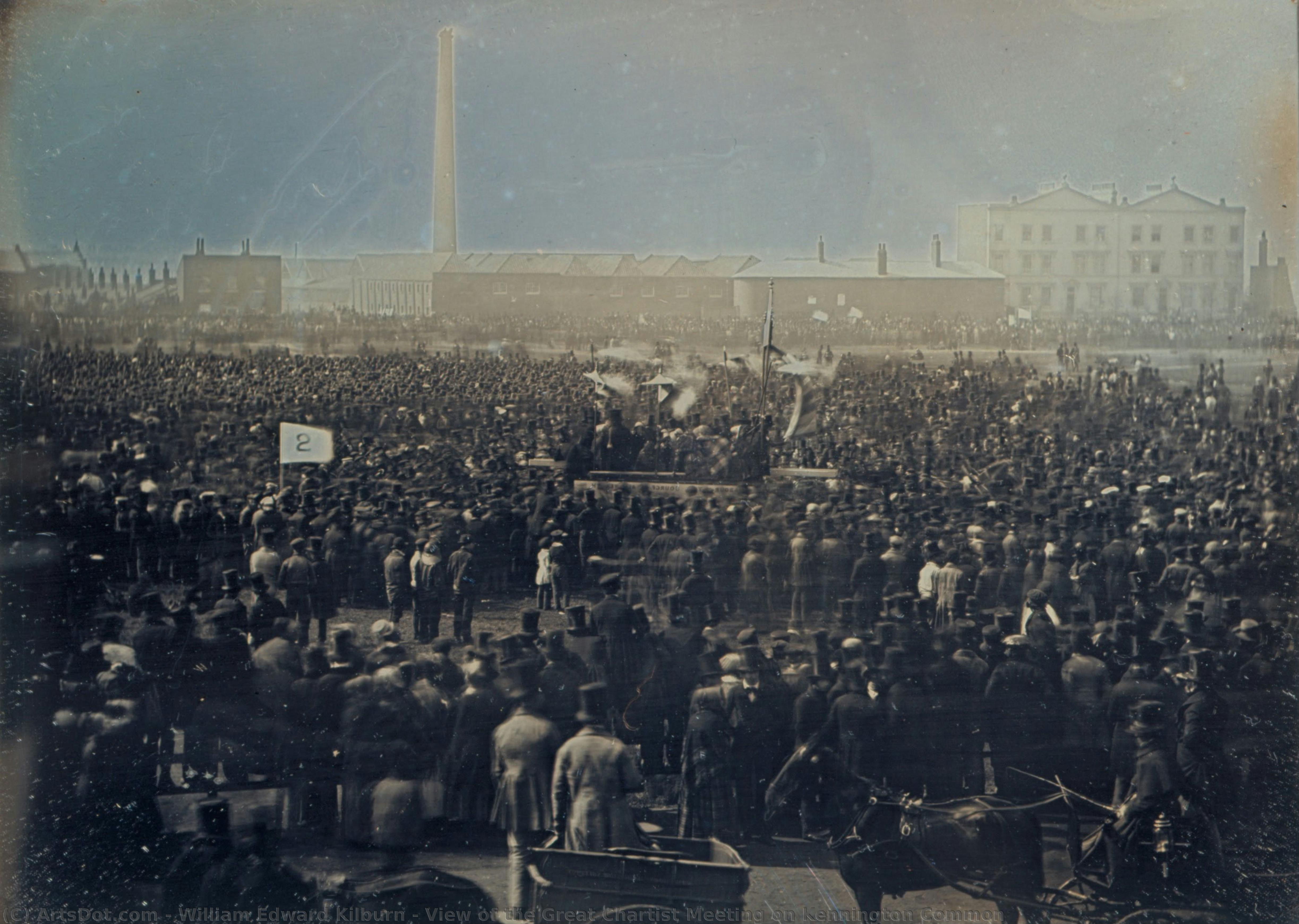
View of the Great Chartist Meeting on Kennington Common
 Romanticism
 1848
1848 14.0 x 10.0 cm
 ロイヤル・コレクション
 詳細を見る
詳細を見る
オンラインプレビューをはるかに凌ぐ、高解像度で鮮明なデジタル画像をご購入いただけます。
各ファイルは、社内の専門家が高度なツールと熟練した手作業によるレタッチを用いて、細心の注意を払って準備されています。すべての画像において、卓越した鮮明度、正確な色彩再現性、そして繊細なディテールを保証いたします。
最終ファイルは、プロフェッショナルな編集・印刷環境ですぐにご利用いただけるよう最適化された状態で、72時間以内にメールにてお届けいたします。これは、一流のデザインスタジオ、出版社、ギャラリーから信頼されているものと同等の品質です。
デジタル画像のご注文に付随する特典
高品質なデジタル画像配信を、確かな品質で。
ArtsDot.com を選ぶことは、単に画像を手に入れることではありません。それは、プロの手によって精密に仕上げられ、満足保証が付いた高品質なデジタルアートワークを受け取ることを意味します。ご注文いただいた際に自動的に付随する内容は、以下の通りです:

メールですぐにお届け
ご注文から72時間以内に、高解像度のデジタル画像ファイルがメールでお手元に届きます。すぐにそのままご利用いただけます。

AI技術で最適化されたデジタルファイル
お客様の作品は、高度なAIツールと専門家による手作業の編集を組み合わせてプロフェッショナルに最適化されており、細部のディテール、鮮明さ、そして正確な色再現性を最大限に引き出しています。

一生涯無料の再送サービス
ファイルを誤って削除したり、紛失してしまったりしましたか?ご安心ください。いつでも無料で再送いたします。

輸入手数料は一切かかりません
関税や手数料、配送料を気にすることなく、お気に入りのアートワークをすぐにお楽しみいただけます。デジタルダウンロードは常に免税です。

色彩再現の保証
プロ仕様のツールとカラーマネジメント技術を用いることで、デジタル画像が元の色を最大限に忠実に再現することを保証いたします。

60日間満足保証
ご購入いただいたデジタル画像にご満足いただけない場合は、60日以内であれば、修正または100%の返金(理由を問う必要はありません)をさせていただきます。

100% 返金保証
ご満足いただけない場合は、デジタルファイルを受け取ってから60日以内であれば、理由を問わず全額返金いたします。

まとめ買い割引
3枚購入で10%OFF - 5枚購入で15%OFF - 10枚以上購入で20%OFF。クリエイティブなプロジェクト、ギャラリー、エージェンシーに最適です。
作品の詳細
A Frozen Moment of Collective Resolve: The Chartist Meeting on Kennington Common
William Edward Kilburn’s daguerreotype, “View of the Great Chartist Meeting on Kennington Common,” isn't merely a snapshot; it’s a crystallized moment of fervent political energy. Captured in 1848 amidst the tumultuous backdrop of Victorian Britain, this remarkably preserved image offers an intimate glimpse into a pivotal event – the largest Chartist rally ever held. The scene unfolds on Kennington Common, a sprawling expanse transformed into a vibrant hub of dissent and hope, as thousands gathered to demand political reform. Kilburn’s masterful technique, utilizing the then-revolutionary process of the daguerreotype, delivers an astonishing level of detail, revealing individual faces etched with determination and a palpable sense of collective purpose. The sharp focus and metallic sheen of the image transport us directly into that charged atmosphere, capturing not just the visual spectacle but also the very essence of the Chartist movement’s passionate spirit.
The Context of Revolution: Chartism and its Roots
To fully appreciate “View of the Great Chartist Meeting,” one must understand the historical context in which it emerged. The mid-19th century was a period of profound social and economic upheaval in Britain, marked by rapid industrialization, widening inequality, and widespread poverty. The Chartist movement arose from this discontent, fueled by the desire for universal male suffrage, secret ballots, and parliamentary reform. Inspired by the February Revolution in France – a seemingly impossible dream for many at the time – Chartists sought to challenge the established order and demand representation for the working classes. Fear of revolution gripped the government, leading to draconian measures and ultimately culminating in the suppression of the rally depicted here. Kilburn’s photograph serves as a powerful testament to this moment of intense political mobilization, capturing the raw energy and urgency of a movement striving for fundamental change.
A Technical Marvel: The Daguerreotype Process and its Impact
Kilburn's skill as a photographer is undeniable. The daguerreotype process, invented by Louis Daguerre in 1839, was notoriously difficult to master, requiring meticulous precision and an understanding of light and chemistry. Unlike later photographic processes that produced negatives, the daguerreotype created a unique, positive image directly on a silvered copper plate. This meant that each daguerreotype was essentially a one-of-a-kind masterpiece, capturing the subject with astonishing clarity and detail. Kilburn’s ability to capture such a large crowd – an immense challenge for any photographer of the era – speaks volumes about his technical expertise and artistic vision. The image's remarkable sharpness and depth are particularly striking, revealing individual faces and expressions within the throng, offering a rare intimacy with this historical event.
Symbolism in the Crowd: Faces of Determination
Beyond its technical brilliance, “View of the Great Chartist Meeting” is rich in symbolic meaning. The densely packed crowd represents the collective voice of the working class – a diverse group united by their shared grievances and aspirations for a more just society. The figures are not idealized; they are ordinary people, reflecting the breadth of support for the movement. Notice the varied attire—working clothes, some with signs or banners—indicating the different trades and communities represented. The central figure in a horse-drawn cart, identified as Henry Cullingham, adds an element of everyday life to the scene, reminding us that these were not abstract political ideals but real people fighting for their rights. The image’s composition – the upward gaze of the crowd towards the distant buildings – suggests a yearning for progress and a challenge to the established power structures.
A Legacy Preserved: Reproduction and Artistic Resonance
Though originally created as a documentary record, Kilburn's daguerreotype has transcended its historical context to become an enduring symbol of social activism. Its rediscovery in the Royal Collection in the 1980s sparked renewed interest in Chartism and the struggles for democratic reform. Today, high-quality reproductions of this iconic image are prized by collectors and art enthusiasts alike. When displayed, it serves as a poignant reminder of the power of collective action and the enduring quest for social justice. The artwork’s ability to evoke both historical significance and emotional resonance makes it a compelling addition to any collection or interior space – a window into a pivotal moment in British history.
関連作品
作家の略歴
Thomas Prichard Rossiter: Bridging Romanticism and American Identity
Born in New Haven, Connecticut, in 1818, Thomas Prichard Rossiter’s artistic journey was one of constant evolution, marked by a deep engagement with both European artistic traditions and the burgeoning landscape painting scene in America. Initially trained as an engraver's assistant, he quickly recognized his passion for capturing the natural world, leading him to pursue formal studies under established artists like John Boyd and Nathaniel Jocelyn. This early foundation laid the groundwork for a career that would ultimately see him become a significant figure in the transition between Romanticism and the more idealized landscapes of the Hudson River School.
Rossiter’s formative years were spent traveling extensively throughout Europe, particularly in Italy, where he immersed himself in the artistic legacy of the Renaissance. This period profoundly shaped his style, instilling a meticulous attention to detail, a reverence for classical composition, and an understanding of light and shadow that would inform his later works. He wasn't merely copying masters; he was absorbing their techniques and translating them into his own unique vision. His time in Rome proved crucial, allowing him to study the works of Raphael and Michelangelo firsthand – influences readily apparent in the carefully rendered figures and architectural details found within many of his paintings.
- Early Works (1830s-1840s): Rossiter’s early career was characterized by portraiture and scenes of everyday life, often executed with a refined elegance. These works demonstrate an aptitude for capturing likenesses and conveying subtle emotional nuances.
- The Influence of the Hudson River School: As he returned to America in 1846, Rossiter found himself increasingly drawn to the landscape painting movement gaining momentum along the Hudson River. While maintaining his classical training, he began to incorporate elements of Romanticism – dramatic lighting, evocative atmosphere, and a focus on the sublime beauty of nature – into his compositions.
Landscapes of History and Myth
Rossiter’s most celebrated works are undoubtedly his historical paintings, which skillfully blended meticulous realism with allegorical storytelling. He wasn't simply depicting events; he was crafting narratives that explored themes of American identity, national pride, and the relationship between humanity and nature. His subjects often drew upon pivotal moments in early American history – Washington and Lafayette at Mount Vernon, scenes from the Continental Congress, and portraits of key figures like George Washington.
His meticulous research for these paintings is evident in his detailed depictions of historical settings and costumes. He spent considerable time studying primary sources, visiting significant locations like Mount Vernon, and consulting with historians to ensure accuracy. However, Rossiter wasn’t content with mere documentation; he imbued these scenes with a sense of drama and emotion, transforming them into powerful visual narratives. The “Course of Empire” series, for example, powerfully illustrates the cyclical nature of civilization – from its nascent beginnings to its eventual decline – using carefully chosen landscapes and symbolic figures.
A Shift Towards Romanticism and the Hudson River School
As Rossiter’s career progressed, his style underwent a subtle but significant transformation. While retaining his classical training, he increasingly embraced the atmospheric effects and dramatic lighting characteristic of the Hudson River School. His brushwork became looser and more expressive, and he began to prioritize capturing the mood and feeling of a scene over strict adherence to photographic realism. This shift is particularly evident in works like “Willy Lott’s House from the Stour,” where the hazy light and atmospheric perspective create a sense of mystery and tranquility.
His association with artists like Thomas Cole, who were at the forefront of the Hudson River School movement, undoubtedly influenced his artistic development. Rossiter's later works demonstrate a growing interest in capturing the grandeur and spiritual significance of the American landscape – a reflection of the broader trends shaping American art during this period.
Legacy and Historical Significance
Thomas Prichard Rossiter’s contribution to American painting is often understated, overshadowed by the more flamboyant figures of the Hudson River School. However, his meticulous technique, his ability to blend classical influences with Romantic sensibilities, and his skillful portrayal of historical subjects make him a significant artist in the development of American landscape painting. He bridged the gap between European artistic traditions and the emerging national identity, creating works that continue to resonate with viewers today.
Rossiter’s legacy extends beyond his individual paintings; he played a role in shaping the aesthetic standards and narrative conventions of American art during a crucial period of transition. His dedication to research, combined with his artistic talent, ensured that his work would serve as an important source for understanding the history and culture of early America.
william edward kilburn
1818 - 1891 , United Kingdom
プロフィール概要
- Artistic Movement Or Style: Hudson River School
- Artists Or Movements Influenced By This Artist: ['Thomas Cole']
- Artists Who Influenced This Artist:
- John Boyd
- Nathaniel Jocelyn
- Date Of Birth: 1818 New Haven, CT
- Date Of Death: 1871 Cold Spring, NY
- Full Name: Thomas Prichard Rossiter
- Nationality: American
- Notable Artworks:
- Washington & Lafayette
- Washington's Cabinet
- Mount Vernon Portrait
- Place Of Birth: New Haven, Connecticut

