

 プレビュー
プレビュー
 プリントを購入
 シェアする
シェアする シェアする
シェアする
 詳細を見る
詳細を見る

 ダウンロード
 似ている作品
 X線調査
X線調査 スライドショー
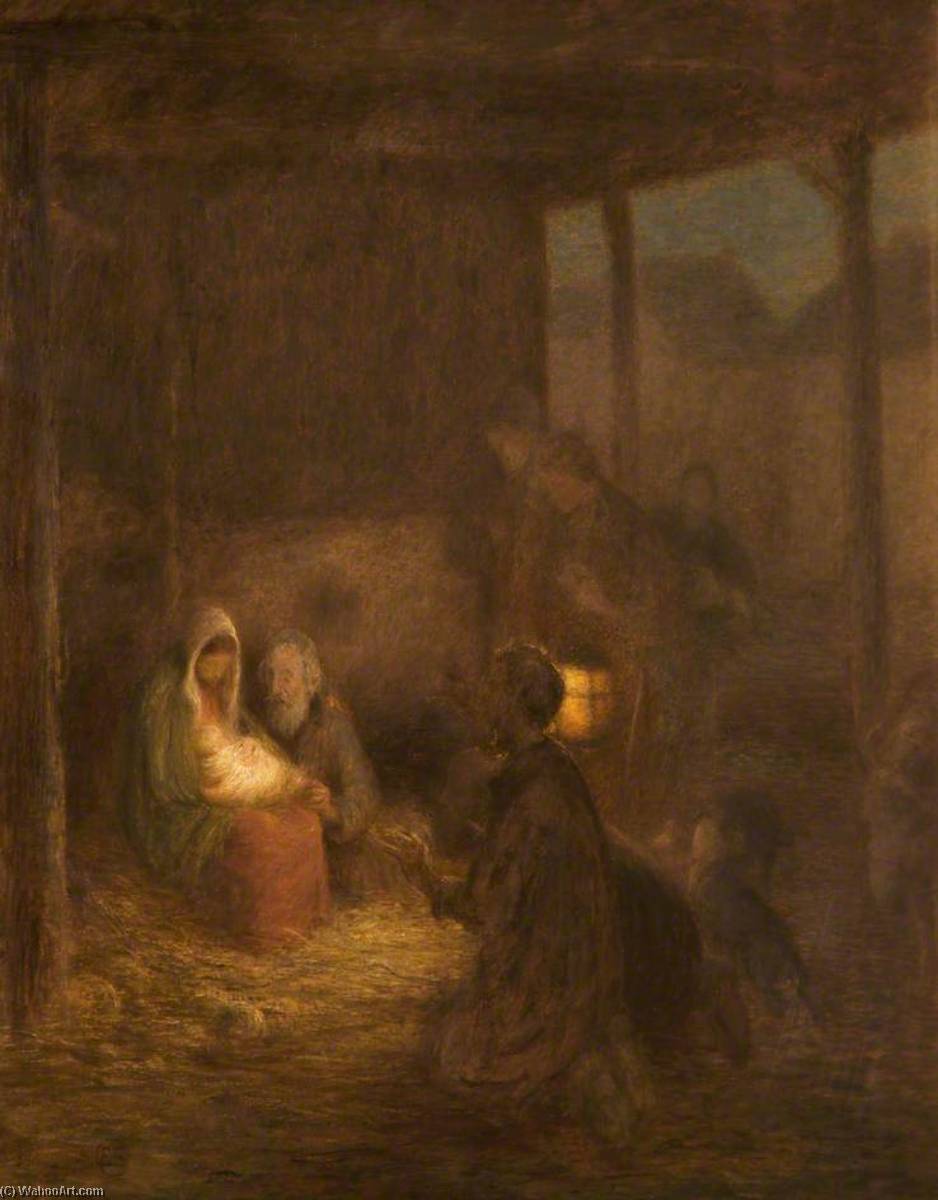
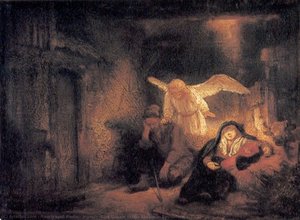
There Was No Room in the Inn
 Oil On Canvas
- WallArt
- Barbizon School
 1910
1910- 19th Century
 83.0 x 66.0 cm
 Touchstones Rochdale
 詳細を見る
詳細を見る
オンラインプレビューをはるかに凌ぐ、高解像度で鮮明なデジタル画像をご購入いただけます。
各ファイルは、社内の専門家が高度なツールと熟練した手作業によるレタッチを用いて、細心の注意を払って準備されています。すべての画像において、卓越した鮮明度、正確な色彩再現性、そして繊細なディテールを保証いたします。
最終ファイルは、プロフェッショナルな編集・印刷環境ですぐにご利用いただけるよう最適化された状態で、72時間以内にメールにてお届けいたします。これは、一流のデザインスタジオ、出版社、ギャラリーから信頼されているものと同等の品質です。
デジタル画像のご注文に付随する特典
高品質なデジタル画像配信を、確かな品質で。
ArtsDot.com を選ぶことは、単に画像を手に入れることではありません。それは、プロの手によって精密に仕上げられ、満足保証が付いた高品質なデジタルアートワークを受け取ることを意味します。ご注文いただいた際に自動的に付随する内容は、以下の通りです:

メールですぐにお届け
ご注文から72時間以内に、高解像度のデジタル画像ファイルがメールでお手元に届きます。すぐにそのままご利用いただけます。

AI技術で最適化されたデジタルファイル
お客様の作品は、高度なAIツールと専門家による手作業の編集を組み合わせてプロフェッショナルに最適化されており、細部のディテール、鮮明さ、そして正確な色再現性を最大限に引き出しています。

一生涯無料の再送サービス
ファイルを誤って削除したり、紛失してしまったりしましたか?ご安心ください。いつでも無料で再送いたします。

輸入手数料は一切かかりません
関税や手数料、配送料を気にすることなく、お気に入りのアートワークをすぐにお楽しみいただけます。デジタルダウンロードは常に免税です。

色彩再現の保証
プロ仕様のツールとカラーマネジメント技術を用いることで、デジタル画像が元の色を最大限に忠実に再現することを保証いたします。

60日間満足保証
ご購入いただいたデジタル画像にご満足いただけない場合は、60日以内であれば、修正または100%の返金(理由を問う必要はありません)をさせていただきます。

100% 返金保証
ご満足いただけない場合は、デジタルファイルを受け取ってから60日以内であれば、理由を問わず全額返金いたします。

まとめ買い割引
3枚購入で10%OFF - 5枚購入で15%OFF - 10枚以上購入で20%OFF。クリエイティブなプロジェクト、ギャラリー、エージェンシーに最適です。
作品の詳細
A Sacred Intimacy: The Soul of Stott’s Nativity
In the quiet, shadowed corners of William Edward Stott’s There Was No Room in the Inn, we find a moment frozen in time, where the weight of history meets the tenderness of a single breath. This evocative oil on canvas, dating from approximately 1910, invites the viewer into a rustic wooden stable that feels less like a mere setting and more like a sanctuary of profound humility. The composition is masterfully crowded, pulling the observer into an intimate circle of figures—Mary, Joseph, and the infant Jesus, surrounded by the weathered faces of onlookers. There is no vast, empty space here; instead, Stott utilizes a shallow depth of field to create a sense of closeness, as if we are kneeling in the straw alongside the holy family, witnessing a miracle unfolding amidst the mundane textures of rural life.
The technique employed by Stott is nothing short of visceral. Moving beyond simple representation, he utilizes a heavy impasto technique, where the oil paint is applied in thick, tactile layers that catch the light and create a physical topography on the canvas. This ruggedness serves the narrative perfectly; the visible, energetic brushstrokes mirror the coarse wooden beams of the stable and the weathered skin of the elderly figures present. The lighting is the true protagonist of the piece, reminiscent of the dramatic chiaroscuro found in Romanticism. A soft, divine glow illuminates the face of Mary and the small, precious form of the Christ child, cutting through the heavy shadows and casting long, contemplative silhouettes that dance across the earthen floor.
Symbolism and the Palette of Devotion
Every hue within this masterpiece has been chosen to evoke a sense of timelessness and reverence. The color palette is dominated by deep ochres, earthy browns, and muted, somber reds—tones that suggest the dust of the earth and the warmth of a flickering hearth. These colors do more than just ground the scene in reality; they symbolize the intersection of the divine with the earthly. The warmth of the light against the dark, muddy tones creates a visual metaphor for hope emerging from hardship. Symbolically, the painting captures the essence of the Nativity narrative: the idea that greatness and sanctity are often found in the most overlooked and impoverished of places.
For the discerning collector or interior designer, this artwork offers a profound emotional anchor. It is a piece that commands attention not through loudness, but through its quiet, melancholic beauty. The sense of peace intertwined with a touch of sorrow—the "melancholy" so characteristic of Stott’s English sensibility—makes it an ideal centerpiece for spaces designed for reflection, such as a study, a library, or a formal sitting room. A high-quality reproduction of this work allows the textured depth and the dramatic interplay of light to breathe within a modern home, bringing a sense of historical weight and spiritual tranquility to any curated collection.
関連作品


作家の略歴
A Vision of English Light: The Life and Legacy of William Edward Stott
In the tapestry of late Victorian art, few threads possess the quiet, evocative strength of William Edward Stott. Born in 1855 amidst the industrial landscape of Wardleworth, near Rochdale, Stott emerged from a world defined by the rhythmic toil of Lancashire’s cotton mills. While his father, Samuel Stott, presided over a successful mill, the young artist’s gaze was frequently drawn away from the smoke of industry toward the enduring beauty of the natural world. This early exposure to the stark contrasts between industrial progress and rural tradition would become a cornerstone of his artistic identity, instating in him a profound empathy for the lives of those tethered to the land.
Stott’s journey was one of significant geographical and stylistic evolution. His formal training took him to the heart of the art world in Paris, where he studied under the esteemed academic painter Carolus Duran. While this period provided him with a rigorous foundation in meticulous technique and classical composition, it also placed him at the epicenter of a burgeoning revolution. The whispers of Impressionism and the soulful, earth-bound realism of the Barbizon School began to permeate his consciousness. He found himself deeply moved by the work of Jules Bastien-Lepage, whose ability to marry naturalistic detail with an atmospheric, almost poetic sense of light offered Stott a new vocabulary for his own explorations.
The Art of Atmosphere and Rural Narrative
As his style matured, Stott transitioned from the rigid constraints of academicism toward a more fluid, emotive approach. His canvases became windows into a vanishing way of life, capturing the subtle shifts of light that define the English countryside. He did not merely paint landscapes; he painted atmospheres. Whether it was the soft, encroaching shadows in Approaching Night or the warm, sun-drenched serenity found in The Watering Place, Stott possessed a rare gift for rendering the ephemeral qualities of the air and the earth.
His subject matter often centered on the dignity of rural labor and the quiet rhythms of pastoral existence. In works such as Ploughing, Early Spring, one can sense the connection between the artist and his subjects—a shared understanding of the seasonal cycles and the physical reality of the landscape. His technique utilized a sophisticated palette to evoke mood, often employing:
- Naturalistic Color Palettes: Using earthy tones to ground his scenes in reality.
- Impressionistic Brushwork: Capturing the fleeting movement of light and wind.
- Tonal Depth: Creating a sense of space and melancholy through carefully managed shadows.
Historical Significance and Enduring Resonance
Though Stott may not have attained the global celebrity of his contemporaries like Monet or Renoir, his contribution to the British aesthetic remains vital. He stood at a pivotal historical crossroads, navigating the transition from the structured traditions of the 19th century to the more experimental sensibilities of the early 20th century. His work serves as a poignant historical record, preserving the essence of an English landscape and a social order that were rapidly being transformed by the very industrial forces he witnessed in his youth.
Today, Stott’s paintings continue to resonate with a modern audience, offering a sense of tranquility and a nostalgic connection to the pastoral. His ability to imbue ordinary scenes with extraordinary emotional weight ensures his place in the canon of British Naturalism. To view a Stott painting is to experience a moment of stillness—a chance to witness the quiet dignity of the earth and the enduring, beautiful melancholy of the passing light.
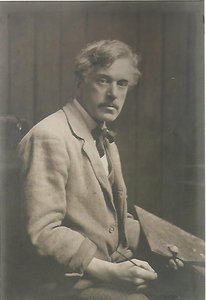
william edward stott
1918 -
プロフィール概要
- Artistic Movement Or Style: Naturalism, Barbizon, Impressionist
- Artists Or Movements Influenced By This Artist: ['New English Art Club']
- Artists Who Influenced This Artist:
- Bastien-Lepage
- Corot
- Millet
- Date Of Birth: April 25, 1855
- Date Of Death: March 19, 1918
- Full Name: William Edward Stott
- Nationality: British
- Notable Artworks:
- Approaching Night
- Rural Landscapes
- Place Of Birth: Wardleworth, Rochdale, UK

