 プレビュー
プレビュー
 プリントを購入
 シェアする
シェアする シェアする
シェアする
 詳細を見る
詳細を見る

 ダウンロード
 似ている作品
 X線調査
X線調査 スライドショー
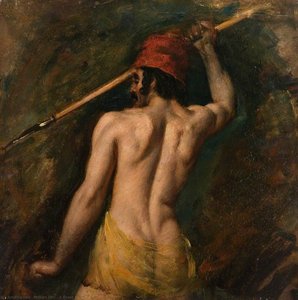
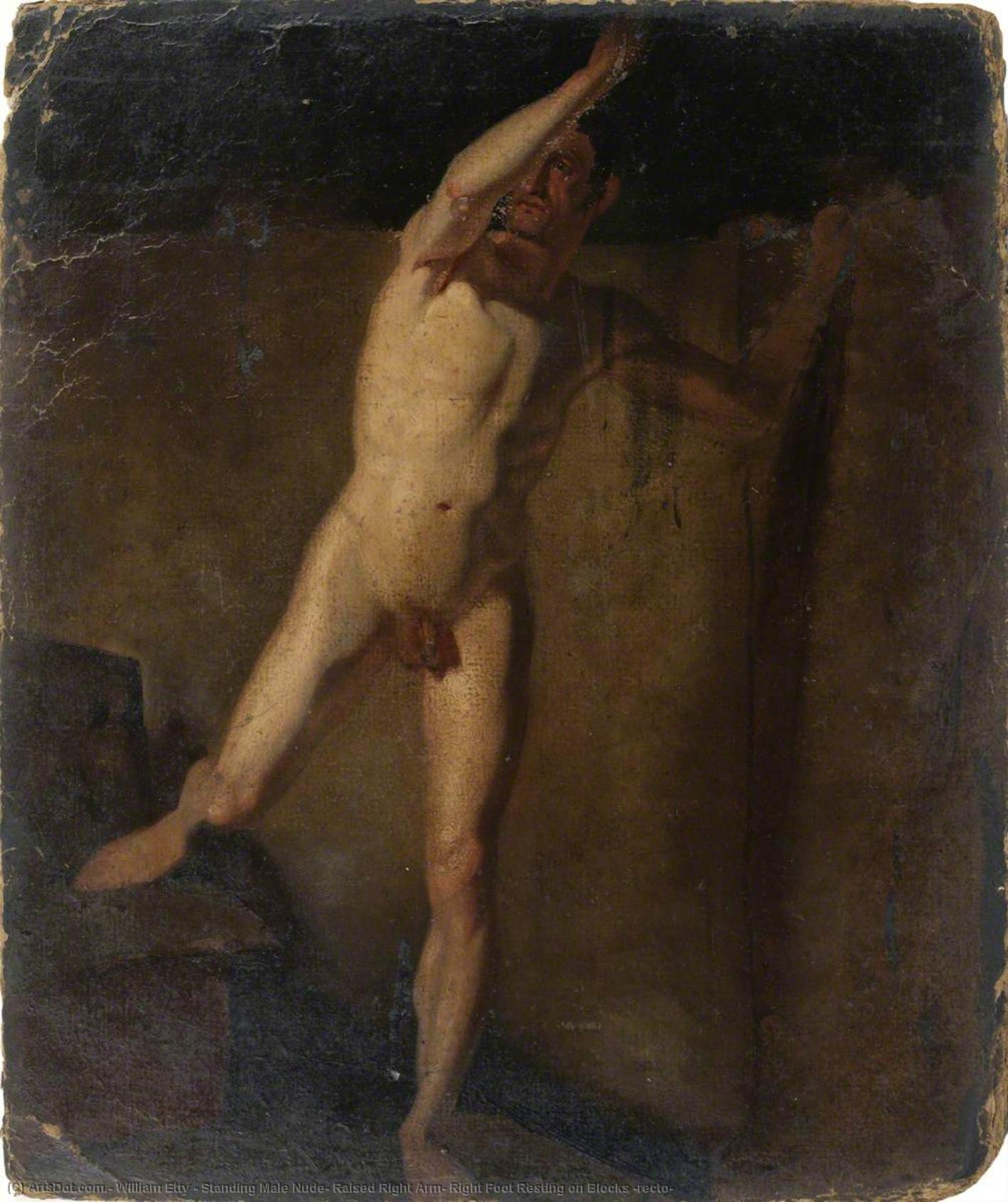
Standing Male Nude, Raised Right Arm, Right Foot Resting on Blocks (recto)
 Neoclassicism
 1845
1845 56.0 x 47.0 cm
 Courtauld Gallery
 詳細を見る
詳細を見る




P118B $10

P118H $10

P118W $10

P438Z $10

P508JH $12

P508YH $12

P805H $10

P805Z $10

P919BZ $10

P919G $10

P919XJ $10

P959ZH $10

P968JZ $12

W106C $8

W218G $10

W218JH $8

W218Y $10

W307PJ $10

W316G $10

W316PJ $8

W316Y $10

W398PJ $8

W4111J $10

W500HY $15

W500JH $15

W692G $12

W849H $8

W940BG $15

W953PJ $8




作品のオリジナル比率に合わせた、当店の規定サイズからお選びください。

特定のフレームやスペースに合わせて、ご希望のサイズをご入力いただけます。選択されたサイズが元の画像の比率と異なる場合、アートワークをトリミングするか、手描きで要素を追加して絵画を拡張いたします。デジタルモックアップ を制作し、制作開始前にご確認(承認)をいただきます。
画面上のプレビューは、実際のトリミングや拡張を正確に反映しているものではありません。最終的な構図は、モックアップによってのみ正確にご確認いただけます。
カスタムサイズもご利用いただけますが、元の比率を維持するためには、あらかじめ用意されたリストからサイズを選択することをお勧めいたします。
ご注文後、ArtsDot.com チームより詳細な指示をお送りするとともに、仕上がりイメージ(モックアップ)をご提供いたします。


 ガラスオプションは、110cm未満のサイズでのみご利用いただけます。

Standing Male Nude, Raised Right Arm, Right Foot Resting on Blocks (recto)
複製技法
複製画のサイズ
-


合計金額
$ 263
作品解説
The Figure Embodied: William Etty’s Masterpiece
William Etty's "Standing Male Nude, Raised Right Arm, Right Foot Resting on Blocks (recto)" is not merely a depiction of the human form; it’s a profound exploration of posture, gesture, and the very essence of being. Painted in 1845, this work stands as a pivotal moment in British art history – a bold assertion of the nude figure within a context where such subjects were often viewed with suspicion and constraint. Etty, a pioneer who defied convention, presented a powerfully sensual yet undeniably controlled male form, inviting viewers to contemplate his strength, vulnerability, and quiet intensity.

The painting’s composition is deceptively simple, yet meticulously constructed. The figure, bathed in a subtle, diffused light, occupies the central space of the canvas with an almost sculptural presence. His stance—a deliberate elevation of the right arm and foot—immediately draws the eye upward, creating a dynamic tension between earth and sky, groundedness and aspiration. Note the careful rendering of musculature; Etty’s mastery lies in his ability to capture not just the outline of the body but also the subtle nuances of texture and tone – the slight sheen on skin, the shadowed folds of muscle, the delicate suggestion of veins beneath the surface.
A Revolutionary Approach: Etty and the Nude
William Etty’s journey to prominence was anything but straightforward. Born in York in 1787, his early life involved a practical apprenticeship as a printer, a world far removed from the artistic pursuits he would eventually embrace. However, this grounding in craftsmanship undoubtedly informed his meticulous attention to detail and his deep understanding of form. Etty’s rise within the Royal Academy was marked by controversy; his depictions of nudes were often met with criticism for their perceived lack of idealization – a departure from the prevailing artistic norms championed by Reynolds. Yet, it was precisely this willingness to portray the human body with unflinching realism and emotional honesty that ultimately secured Etty’s place as a groundbreaking figure in British art.
The painting reflects the broader social and cultural shifts of the mid-19th century. While Victorian society remained largely conservative, there was a growing interest in classical antiquity and a renewed appreciation for the beauty of the human form. Etty’s work can be seen as a response to this evolving sensibility, offering a nuanced and deeply felt portrayal of male sensuality within a framework of restrained elegance.
Symbolism and Emotional Resonance
The raised arm and foot are not arbitrary gestures; they carry significant symbolic weight. The upward reach suggests a yearning for something beyond the immediate, perhaps an aspiration towards spiritual or intellectual heights. The placement of the foot on the blocks introduces a subtle element of vulnerability – a grounding force that simultaneously anchors the figure to the earth and elevates him above it. This duality—between earthly stability and transcendent desire—is central to the painting’s emotional impact.
Etty's use of color is restrained, favoring muted tones and subtle gradations of light and shadow. This deliberate restraint amplifies the figure’s presence, allowing his form to emerge from the darkness with a quiet dignity. The overall effect is one of profound contemplation—an invitation for the viewer to engage in a silent dialogue with this enigmatic subject.
A Timeless Masterpiece: Reproduction and Beyond
ArtsDot offers meticulously crafted hand-painted reproductions of William Etty’s “Standing Male Nude, Raised Right Arm, Right Foot Resting on Blocks (recto).” Each reproduction is created by skilled artists who painstakingly recreate Etty's technique and attention to detail, ensuring that the artwork retains its original power and beauty. Whether you are an art collector, interior designer, or simply a lover of fine art, this reproduction provides a stunning way to bring Etty’s masterpiece into your home or office.
関連作品
アーティストの略歴
英国美術の先駆者:ウィリアム・エティ、その生涯と芸術
ウィリアム・エティ(1787年3月10日 – 1849年11月13日)の名は、ターナーやコンスタブルといった同時代の巨匠ほど広く知られていないかもしれない。しかしながら、彼は19世紀のイギリス美術において極めて重要な位置を占めていることは疑いがない。ヨークシャー州ヨークで、パン屋の息子として生まれたエティは、その身分の低い生い立ちからロイヤル・アカデミーの会員へと上り詰めるまでの道のりは、並外れた献身、芸術的革新、そして少なからず批判を伴うものであった。幼少期には、彼が後に切り開くであろう道を示すものはほとんど見られなかった。12歳でハルの印刷会社に奉公し、7年間を活字の世界に費やした—それは彼の作品にその署名が記されることになるキャンバスとはかけ離れた世界である。しかしながら、機械的な仕事の合間にも、彼は熱心な描写への情熱を育み、それが最終的に彼をロンドンへと駆り立て、1807年にはロイヤル・アカデミー・スクールという名門校へと導いた。そこで、トーマス・ローレンスの指導のもと、彼は丹念な模写を通して技術を磨き上げ、その後のキャリアの基礎を築いた—それは、人間の形態の卓越した描写によって特徴づけられるキャリアであった。台頭と論争:ヌードと芸術的挑戦
エティの名が広く知られるようになったのは、1821年の『キリキアへのクレオパトラ』である。この作品は発表されるやいなや、賞賛とスキャンダルを巻き起こした。ヌードの描写が満載であったため、広範な称賛を得た一方で、同時に彼の不道徳な評判も高めたのである。この二面性は、彼のキャリア全体を特徴づけるものとなった。彼は単にヌードを描写していたのではなく、当時のイギリス人芸術家としては前例のないリアリズムと解剖学的精度で人間の形態を探求していたのだ。ヴェネツィアの巨匠ティツィアーノやルーベンスの研究から影響を受け、肉の色調、光、影を正確に表現することへの彼のこだわりは、彼を他の芸術家たちと一線を画させた。彼はその後も、古典神話や文学に基づいたヌードが描かれた歴史的場面を描き続けた—『セイレーンとウリセス』などがその例である。これらの作品は商業的に成功を収め、エティは主題に関する絶え間ない批判にもかかわらず、芸術家として生き延びることができた。1828年にはロイヤル・アカデミーの会員に選出され、物議を醸す評判とは裏腹に、確立された美術界における彼の地位を確固たるものとした。ヌードを超えて:肖像画と静物画への挑戦
エティが最も称賛されているのはヌード絵画であるが、彼の芸術的才能はそれだけに留まらない。より広範な支持を得る—そしておそらくより安定した収入を確保するために—彼は1830年代に肖像画にも挑戦した。彼のヌード絵画ほど革新的ではなかったものの、これらの肖像画は彼の技術力と人物の内面を捉える能力を示している。さらに、エティは英語の画家として初めて静物画に真剣に取り組んだ一人であり、オランダの巨匠たちを彷彿とさせる細部へのこだわりと質感に対する感受性を示した。この多様化は、市場の需要に適応しながらも、自身の芸術的原則に忠実であり続けるというエティの実用的な側面を反映している。しかしながら、彼は生涯を通じてヌードの形態へと繰り返し回帰し続け、その美しさに対する揺るぎない探究心と表現力への潜在力を追求したのである。遺産と再評価
ウィリアム・エティは1849年11月13日にヨークで死去し、当初は大きな人気を博した多くの作品を残したが、彼の死後数十年かけて、時代の変化とともにその評価は低下し、彼の作品は比較的忘れ去られていった。19世紀末には、かつて称賛されていた彼の作品は、時代遅れと見なされたり、あるいはヴィクトリア朝の感覚にあまりにも衝撃的であると単純に判断されたりしたのである。しかしながら、21世紀初頭に驚くべき再評価が始まり、『暴露:ヴィクトリア朝のヌード』という画期的なTate Britainの展覧会(2001年–2002年)への参加は、彼の芸術に対する新たな関心を呼び起こし、イギリス美術史における彼の位置づけを再検討するきっかけとなった。2010年の『セイレーンとウリセス』の修復は、彼の技術の卓越性と彼のビジョンの持続的な力を明らかにし、この復活をさらに確固たるものとした。今日、ウィリアム・エティは芸術的慣習に挑戦し、人間の形態を比類のないリアリズムで称賛し、イギリス美術の地平線に消えない足跡を残した先駆者として認識されている。彼の作品は、彼の技術、献身、そして人間の経験の美しさと複雑さを捉えることへの揺るぎないコミットメントの証となっている。主要な作品
- キリキアへのクレオパトラ (1821): エティのキャリアを打ち出し、ヌードを描写する彼の評判を確立した作品。
- セイレーンとウリセス (1837): ホメロスの叙事詩の劇的な描写であり、エティの構成力と解剖学への理解を示す。
- ウィリアム・ジェイ牧師 (c. 1836-40): 彼の肖像画の一例であり、人物の内面を捉える鋭い眼力を示している。
- 立つ女性ヌード (制作年不明): エティの卓越した肉の色調と形態をリアルに表現する能力を示す研究作品。
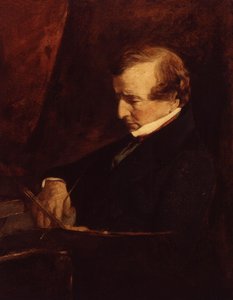
ウィリアム・エティ
1787 - 1849 , イギリス
基本情報
- フルネーム: ウィリアム・エティ
- 主な作品:
- クレオパトラのキリシアへの到着
- セイレーンとウリエス
- 立像の裸婦
- 出身地: ヨーク, イギリス
- 国籍: イギリス人
- 影響を受けたアーティスト: ['トーマス・ローレンス']
- 死亡年月日: 1849年11月13日
- 生年月日: 1787年3月10日
- 芸術運動またはスタイル: ロマン主義
関連記事
William Etty: Rediscovering Victorian Sensibility & the Sublime in Historical Painting
Explore the captivating world of William Etty, a pioneering Victorian artist famed for his dramatic historical paintings and groundbreaking nude figures. Discover his life, controversial reception, and enduring legacy with our expert analysis.

The Enduring Legacy of Oil on Canvas: Technique, History & Aesthetic Impact
Explore the rich history & techniques of oil painting – from Renaissance masters to Impressionism. Discover pigments, layering methods, and why this timeless medium endures. Expert insights for artists & art enthusiasts.

Oil on Canvas: A Historical & Technical Exploration of a Timeless Artistic Medium
Explore the rich history & enduring techniques of oil painting on canvas. Discover the science behind its longevity, conservation practices, and contemporary relevance. Expert insights for art enthusiasts.
The Enduring Allure of the Nude: A Historical & Artistic Exploration of the Human Form
Explore the captivating history of nude art! Discover iconic paintings & artists from classical to modern eras. Uncover symbolism, techniques & find museum-quality reproductions at ArtsDot.
19th Century Masterpieces: 10 Paintings That Defined an Era | ArtsDot
Journey through 19th century art with ArtsDot! Explore 10 iconic paintings – from Monet & Renoir to Courbet – and discover the stories behind Romanticism, Realism & Impressionism. Find museum-quality reproductions for your home decor. Explore the full collection online!