

 プリントを購入
 シェアする
シェアする シェアする
シェアする
 詳細を見る
詳細を見る

 ダウンロード
 似ている作品
 スライドショー
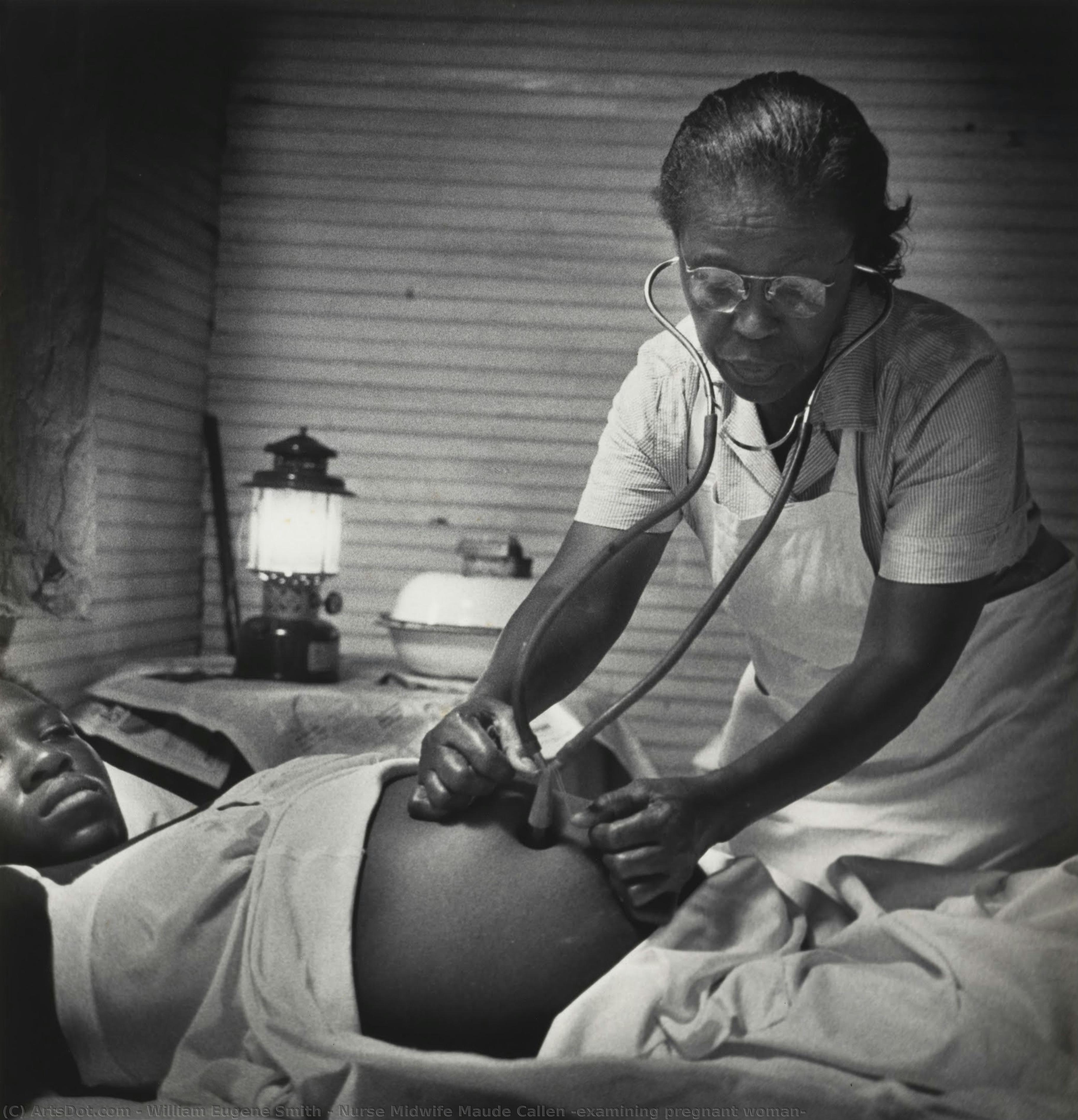
Nurse Midwife Maude Callen (examining pregnant woman)


 詳細を見る
詳細を見る




































作品のオリジナル比率に合わせた、当店の規定サイズからお選びください。

特定のフレームやスペースに合わせて、ご希望のサイズをご入力いただけます。選択されたサイズが元の画像の比率と異なる場合、アートワークをトリミングするか、手描きで要素を追加して絵画を拡張いたします。デジタルモックアップ を制作し、制作開始前にご確認(承認)をいただきます。
画面上のプレビューは、実際のトリミングや拡張を正確に反映しているものではありません。最終的な構図は、モックアップによってのみ正確にご確認いただけます。
カスタムサイズもご利用いただけますが、元の比率を維持するためには、あらかじめ用意されたリストからサイズを選択することをお勧めいたします。
ご注文後、ArtsDot.com チームより詳細な指示をお送りするとともに、仕上がりイメージ(モックアップ)をご提供いたします。


 ガラスオプションは、110cm未満のサイズでのみご利用いただけます。

Nurse Midwife Maude Callen (examining pregnant woman)
複製技法
複製画のサイズ
-


合計金額
$ 288
The Poignant Resonance of a Human Connection
In the quiet, shadowed corners of history, certain images emerge not merely as records of time, but as profound meditations on the human condition. William Eugene Smith’s 1951 masterpiece, Nurse Midwife Maude Callen (examining pregnant woman), is one such window into the soul of mid-century America. This evocative black and white photograph captures a moment of intense intimacy and professional devotion, as the nurse midwife leans into her work, her focus entirely consumed by the life she is tending to. The composition draws the viewer into a private, sacred space—a simple room where the weight of responsibility meets the tenderness of care. Through Smith’s lens, we do not just witness a medical procedure; we experience the quiet dignity of service and the universal vulnerability of new beginnings.
The power of this work lies in its masterful use of gelatin silver printing, a technique that allows for an extraordinary depth of tonal range. Smith utilizes dramatic lighting to sculpt the scene, casting deep, velvety shadows that contrast sharply with the luminous highlights on the subjects' skin and the textures of their surroundings. This chiaroscuro effect lends a sculptural quality to the figures, emphasizing the organic curves of the pregnant woman’s body and the weathered, experienced hands of Maude Callen. The graininess inherent in traditional film photography adds a layer of tactile reality, making the scene feel immediate and unvarnished, as if we are standing just at the edge of the room, holding our breath to avoid disturbing the sanctity of the encounter.
A Legacy of Social Realism and Empathy
To understand the emotional gravity of this photograph, one must look toward the historical currents that shaped Smith’s vision. Emerging from the humanist traditions of Alfred Stieglitz and Lewis Hine, Smith was a pioneer of the editorial photo essay, a format designed to provoke contemplation and inspire social action. Created during an era of profound societal shifts in the United States, this image serves as a cornerstone of social realism. It documents a time when healthcare was often a localized, deeply personal struggle, highlighting the vital role of figures like Maude Callen in providing care to marginalized communities. The stethoscope, resting as a symbol of medical expertise, acts as a bridge between the clinical and the compassionate, anchoring the image in a reality of necessity and resilience.
For the discerning collector or interior designer, this reproduction offers more than just a visual element; it provides a narrative anchor for a space. The photograph’s monochromatic palette and rich textures make it an exquisite addition to sophisticated, minimalist, or classic interiors, where it can serve as a focal point of quiet strength. It invites conversation about history, empathy, and the enduring importance of human connection. Owning a piece of Smith’s legacy means preserving a moment of unflinching honesty—a tribute to the unsung heroes of healthcare and a timeless celebration of the delicate, powerful bond between caregiver and patient.
関連作品
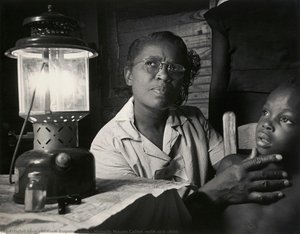
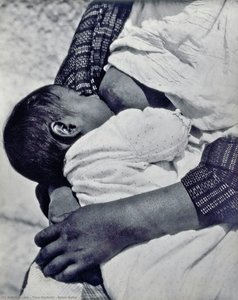
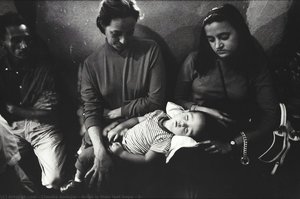
アーティストの略歴
The Architect of the Photo Essay: The Life and Legacy of W. Eugene Smith
In the vast landscape of twentieth-century photography, few figures loom as large or as compassionately as William Eugene Smith. Born in Wichita, Kansas, in 1918, Smith did not merely observe the world through a lens; he sought to translate the very heartbeat of human struggle and resilience into a visual language. Often hailed as perhaps the single most important American photographer in the development of the editorial photo essay, his work moved beyond the static boundaries of traditional journalism. He pioneered a method of storytelling that utilized the camera not just to record events, but to weave complex, multi-layered narratives that resonated with the profound depths of the human condition.
Smith’s artistic soul was shaped by the humanist traditions of his predecessors, drawing deep inspiration from the pioneering spirits of Alfred Stieglitz and Lewis Hine. From Stieglitz, he inherited a reverence for the expressive potential of the photographic medium, while from Hine, he adopted a fierce commitment to social advocacy. This fusion of aesthetic sensitivity and moral purpose became the cornerstone of his career. His early years were marked by a growing conviction that photography could serve as a powerful instrument for illuminating societal realities, a belief that would eventually lead him to the front lines of history's most poignant moments.
A Revolution in Narrative: The Birth of 'Country Doctor'
The year 1948 marked a seismic shift in the history of photojournalism with the publication of ‘Country Doctor’ in Life magazine. This collaborative masterpiece, created alongside writer Ron Hooker, redefined what a photographic assignment could achieve. Rather than presenting a series of disconnected snapshots, Smith constructed an extended narrative that breathed life into the rural landscapes of Iowa. Through his lens, the daily existence of Dr. John Henderson and his wife, Maude Callen, became a window into the triumphs and tribulations of healthcare in underserved communities. It was a work brimming with tenderness, yet it possessed the grit to confront the harsh realities of medical practice in isolation.
This breakthrough established the photo essay as a legitimate and potent genre, capable of conveying nuanced emotional arcs that text alone could never capture. Smith’s ability to find the universal within the particular allowed his subjects to transcend their geographic boundaries, inviting readers worldwide to empathize with the intimate struggles of the human spirit. His technique relied heavily on a masterful use of light and shadow, employing a dramatic black-and-white palette that heightened the emotional gravity of every frame.
The Humanist Lens: Compassion and Social Reform
As his career progressed, Smith’s lens turned toward the most vulnerable corners of society, championing human dignity through unflinching documentation. His legendary work featuring Nurse Midwife Maude Callen remains a pinnacle of documentary achievement. In series such as ‘Nurse Midwife (new dresses)’ and ‘Midwife Maude Callen (with sick child),’ Smith captured the profound intimacy of maternal care and the heavy responsibility of medical service in rural South Carolina. These images, characterized by their meticulous attention to detail and raw emotional honesty, serve as a testament to his ability to capture the vulnerability inherent in life and death.
Beyond the domestic and the clinical, Smith’s work expanded to address global crises and environmental catastrophes. His documentation of the devastating effects of mercury poisoning in Minamata stands as one of the most significant pieces of social documentary ever produced. Through his imagery, the invisible became visible, forcing a global audience to confront the consequences of industrial negligence. This unwavering commitment to social reform ensured that his work was never merely art for art's sake, but a vital, breathing part of the global conscience.
A Lasting Impression on Visual History
The legacy of W. Eugene Smith is etched into the very fabric of modern photojournalism. He taught the world that a photographer could be both an artist and an activist, a witness and a storyteller. His influence can be seen in every documentary project that seeks to find the soul within the struggle. By blending the technical mastery of composition with an unshakeable empathy, Smith transformed the photographic medium into a profound vessel for truth.
To look upon a Smith photograph is to encounter the weight of history and the lightness of hope simultaneously. His life’s work remains a monumental achievement, reminding us that even in the darkest chapters of human experience, there is a dignity worth capturing and a story worth telling.
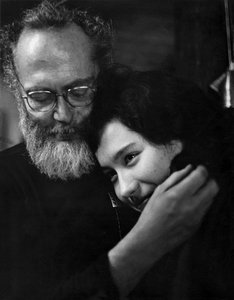
william eugene smith
1918 - 1978 , United States of America
基本情報
- Artistic Movement Or Style: Photojournalism
- Artists Who Influenced This Artist:
- Dorothea Lange
- Henri Cartier-Bresson
- Date Of Birth: December 30, 1918
- Date Of Death: October 15, 1978
- Full Name: William Eugene Smith
- Nationality: American
- Notable Artworks:
- Country Doctor
- Nurse Midwife Maude Callen
- Minamata
- Place Of Birth: Wichita, United States
関連記事
Witnessing History Through Lens & Light: Documentary Photography's Enduring Legacy
Explore the powerful history of documentary photography – from its origins to contemporary masters like Gordon Parks & W. Eugene Smith. Discover how this art form shapes our understanding of society and witness pivotal moments in time.
Beyond the Lens: Photography's Enduring Influence on Modern & Contemporary Art
Explore photography's pivotal role in shaping modern & contemporary art. Discover key movements, influential artists like Stieglitz, and expert collecting advice from ArtsDot.

Monochrome Visions: Exploring the Aesthetic & Historical Significance of Black & White Photography
Explore the rich history & artistic power of black and white photography. From early techniques to iconic masters like Ansel Adams, discover why monochrome continues to captivate art lovers today. Expert insights for collectors.

Pictorialism: A Search for Artistic Photography's Soul – Aesthetics, Techniques & Legacy
Explore the captivating world of Pictorialism – a pivotal movement that transformed photography into fine art. Discover key artists like Stieglitz & Käsebier, techniques, and collecting tips from experts.
Documentary Photography's Defining Moments: 10 Masterpieces for Your Home |
Explore 10 defining documentary photography masterpieces – from Dorothea Lange to Robert Capa. Discover powerful stories, iconic images & timeless art for your home. Museum-quality prints at .

