

 プレビュー
プレビュー
 プリントを購入
 シェアする
シェアする シェアする
シェアする
 詳細を見る
詳細を見る

 ダウンロード
 似ている作品
 X線調査
X線調査 スライドショー
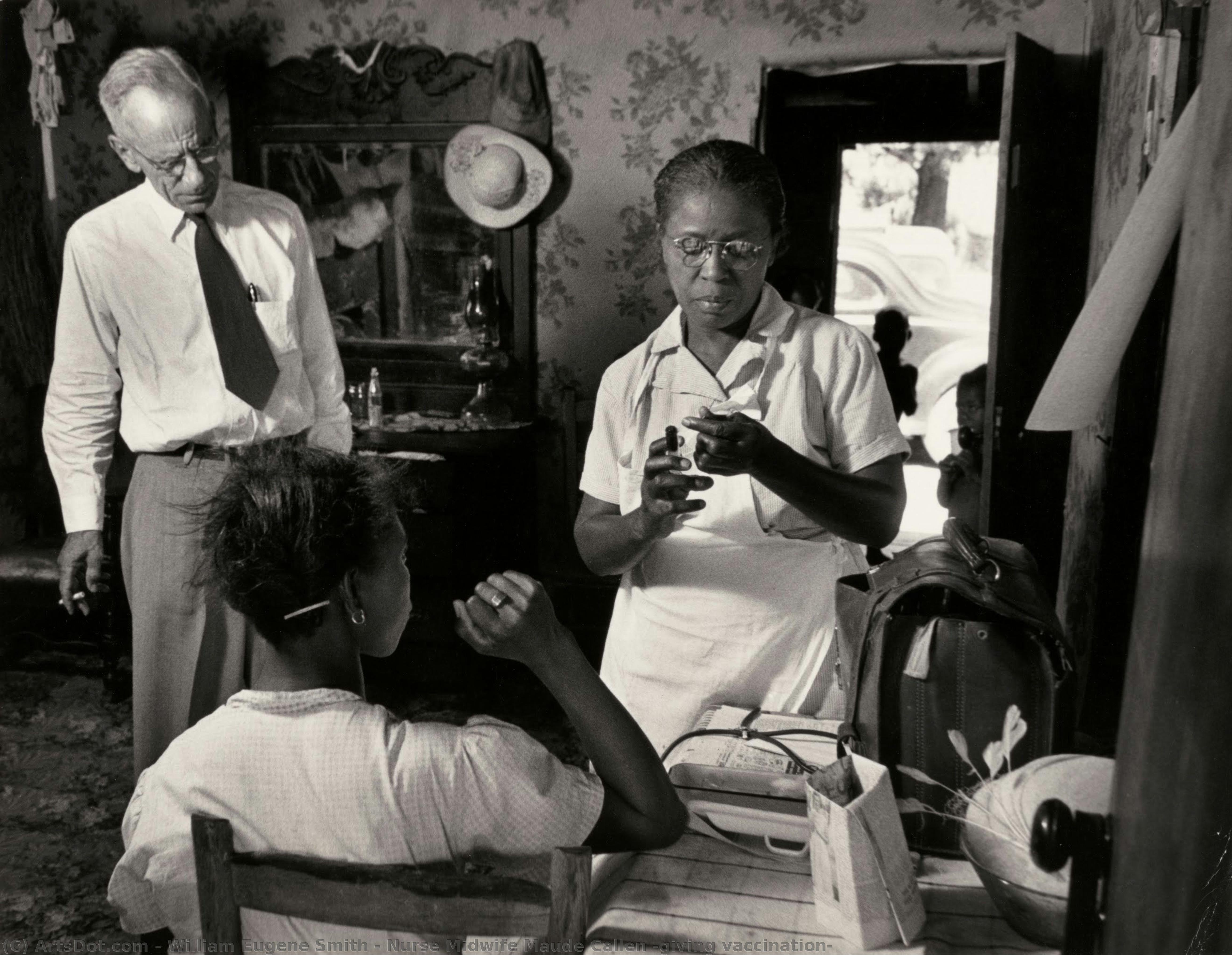
Nurse Midwife Maude Callen (giving vaccination)


 詳細を見る
詳細を見る
オンラインプレビューをはるかに凌ぐ、高解像度で鮮明なデジタル画像をご購入いただけます。
各ファイルは、社内の専門家が高度なツールと熟練した手作業によるレタッチを用いて、細心の注意を払って準備されています。すべての画像において、卓越した鮮明度、正確な色彩再現性、そして繊細なディテールを保証いたします。
最終ファイルは、プロフェッショナルな編集・印刷環境ですぐにご利用いただけるよう最適化された状態で、72時間以内にメールにてお届けいたします。これは、一流のデザインスタジオ、出版社、ギャラリーから信頼されているものと同等の品質です。
デジタル画像のご注文に付随する特典
高品質なデジタル画像配信を、確かな品質で。
ArtsDot.com を選ぶことは、単に画像を手に入れることではありません。それは、プロの手によって精密に仕上げられ、満足保証が付いた高品質なデジタルアートワークを受け取ることを意味します。ご注文いただいた際に自動的に付随する内容は、以下の通りです:

メールですぐにお届け
ご注文から72時間以内に、高解像度のデジタル画像ファイルがメールでお手元に届きます。すぐにそのままご利用いただけます。

AI技術で最適化されたデジタルファイル
お客様の作品は、高度なAIツールと専門家による手作業の編集を組み合わせてプロフェッショナルに最適化されており、細部のディテール、鮮明さ、そして正確な色再現性を最大限に引き出しています。

一生涯無料の再送サービス
ファイルを誤って削除したり、紛失してしまったりしましたか?ご安心ください。いつでも無料で再送いたします。

輸入手数料は一切かかりません
関税や手数料、配送料を気にすることなく、お気に入りのアートワークをすぐにお楽しみいただけます。デジタルダウンロードは常に免税です。

色彩再現の保証
プロ仕様のツールとカラーマネジメント技術を用いることで、デジタル画像が元の色を最大限に忠実に再現することを保証いたします。

60日間満足保証
ご購入いただいたデジタル画像にご満足いただけない場合は、60日以内であれば、修正または100%の返金(理由を問う必要はありません)をさせていただきます。

100% 返金保証
ご満足いただけない場合は、デジタルファイルを受け取ってから60日以内であれば、理由を問わず全額返金いたします。

まとめ買い割引
3枚購入で10%OFF - 5枚購入で15%OFF - 10枚以上購入で20%OFF。クリエイティブなプロジェクト、ギャラリー、エージェンシーに最適です。
関連作品
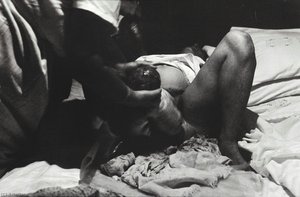
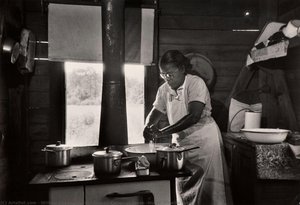
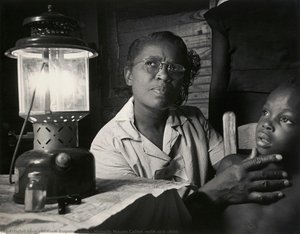
作家の略歴
The Architect of the Photo Essay: The Life and Legacy of W. Eugene Smith
In the vast landscape of twentieth-century photography, few figures loom as large or as compassionately as William Eugene Smith. Born in Wichita, Kansas, in 1918, Smith did not merely observe the world through a lens; he sought to translate the very heartbeat of human struggle and resilience into a visual language. Often hailed as perhaps the single most important American photographer in the development of the editorial photo essay, his work moved beyond the static boundaries of traditional journalism. He pioneered a method of storytelling that utilized the camera not just to record events, but to weave complex, multi-layered narratives that resonated with the profound depths of the human condition.
Smith’s artistic soul was shaped by the humanist traditions of his predecessors, drawing deep inspiration from the pioneering spirits of Alfred Stieglitz and Lewis Hine. From Stieglitz, he inherited a reverence for the expressive potential of the photographic medium, while from Hine, he adopted a fierce commitment to social advocacy. This fusion of aesthetic sensitivity and moral purpose became the cornerstone of his career. His early years were marked by a growing conviction that photography could serve as a powerful instrument for illuminating societal realities, a belief that would eventually lead him to the front lines of history's most poignant moments.
A Revolution in Narrative: The Birth of 'Country Doctor'
The year 1948 marked a seismic shift in the history of photojournalism with the publication of ‘Country Doctor’ in Life magazine. This collaborative masterpiece, created alongside writer Ron Hooker, redefined what a photographic assignment could achieve. Rather than presenting a series of disconnected snapshots, Smith constructed an extended narrative that breathed life into the rural landscapes of Iowa. Through his lens, the daily existence of Dr. John Henderson and his wife, Maude Callen, became a window into the triumphs and tribulations of healthcare in underserved communities. It was a work brimming with tenderness, yet it possessed the grit to confront the harsh realities of medical practice in isolation.
This breakthrough established the photo essay as a legitimate and potent genre, capable of conveying nuanced emotional arcs that text alone could never capture. Smith’s ability to find the universal within the particular allowed his subjects to transcend their geographic boundaries, inviting readers worldwide to empathize with the intimate struggles of the human spirit. His technique relied heavily on a masterful use of light and shadow, employing a dramatic black-and-white palette that heightened the emotional gravity of every frame.
The Humanist Lens: Compassion and Social Reform
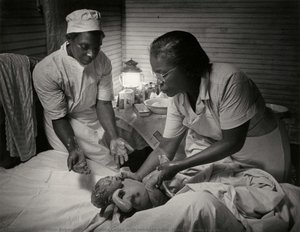
As his career progressed, Smith’s lens turned toward the most vulnerable corners of society, championing human dignity through unflinching documentation. His legendary work featuring Nurse Midwife Maude Callen remains a pinnacle of documentary achievement. In series such as ‘Nurse Midwife (new dresses)’ and ‘Midwife Maude Callen (with sick child),’ Smith captured the profound intimacy of maternal care and the heavy responsibility of medical service in rural South Carolina. These images, characterized by their meticulous attention to detail and raw emotional honesty, serve as a testament to his ability to capture the vulnerability inherent in life and death.
Beyond the domestic and the clinical, Smith’s work expanded to address global crises and environmental catastrophes. His documentation of the devastating effects of mercury poisoning in Minamata stands as one of the most significant pieces of social documentary ever produced. Through his imagery, the invisible became visible, forcing a global audience to confront the consequences of industrial negligence. This unwavering commitment to social reform ensured that his work was never merely art for art's sake, but a vital, breathing part of the global conscience.
A Lasting Impression on Visual History
The legacy of W. Eugene Smith is etched into the very fabric of modern photojournalism. He taught the world that a photographer could be both an artist and an activist, a witness and a storyteller. His influence can be seen in every documentary project that seeks to find the soul within the struggle. By blending the technical mastery of composition with an unshakeable empathy, Smith transformed the photographic medium into a profound vessel for truth.
To look upon a Smith photograph is to encounter the weight of history and the lightness of hope simultaneously. His life’s work remains a monumental achievement, reminding us that even in the darkest chapters of human experience, there is a dignity worth capturing and a story worth telling.
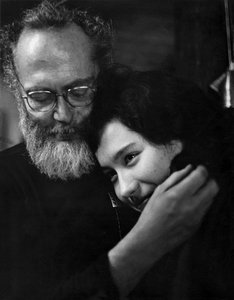
william eugene smith
1918 - 1978 , United States of America
プロフィール概要
- Artistic Movement Or Style: Photojournalism
- Artists Who Influenced This Artist:
- Dorothea Lange
- Henri Cartier-Bresson
- Date Of Birth: December 30, 1918
- Date Of Death: October 15, 1978
- Full Name: William Eugene Smith
- Nationality: American
- Notable Artworks:
- Country Doctor
- Nurse Midwife Maude Callen
- Minamata
- Place Of Birth: Wichita, United States

