

 プレビュー
プレビュー
 シェアする
シェアする シェアする
シェアする
 詳細を見る
詳細を見る

 ダウンロード
 似ている作品
 X線調査
X線調査 スライドショー
 Stats
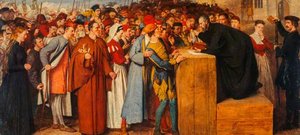
StatsThe Summons to the Secret Tribunal
 Pre-Raphaelite
 1860
1860 107.0 x 146.0 cm
 詳細を見る
詳細を見る
ジークレー/アートプリント
迅速な制作と多彩な仕上げオプションを備えた、ミュージアムクオリティのジークレーまたはキャンバスプリント。 ( 手描きの絵画を購入 Switch to Digital Image)




































作品のオリジナル比率に合わせた、当店の規定サイズからお選びください。

特定のフレームやスペースに合わせて、ご自身でサイズを指定することも可能です。選択されたサイズが元の画像の比率と一致しない場合、作品をトリミングするか、鏡面反射または単色での塗りつぶしによって画像を拡張いたします。制作を開始する前に、ご確認用のデジタルモックアップをお送りいたします。
画面上のプレビューには、実際のトリミングや拡張は反映されませんのでご注意ください。最終的な構図を正確に確認できるのは、モックアップのみとなります。
カスタムサイズも承っておりますが、元の比率を維持するためには、あらかじめ用意されたリストからサイズを選択することをお勧めいたします。


 ガラスオプションは、110cm未満のサイズでのみご利用いただけます。

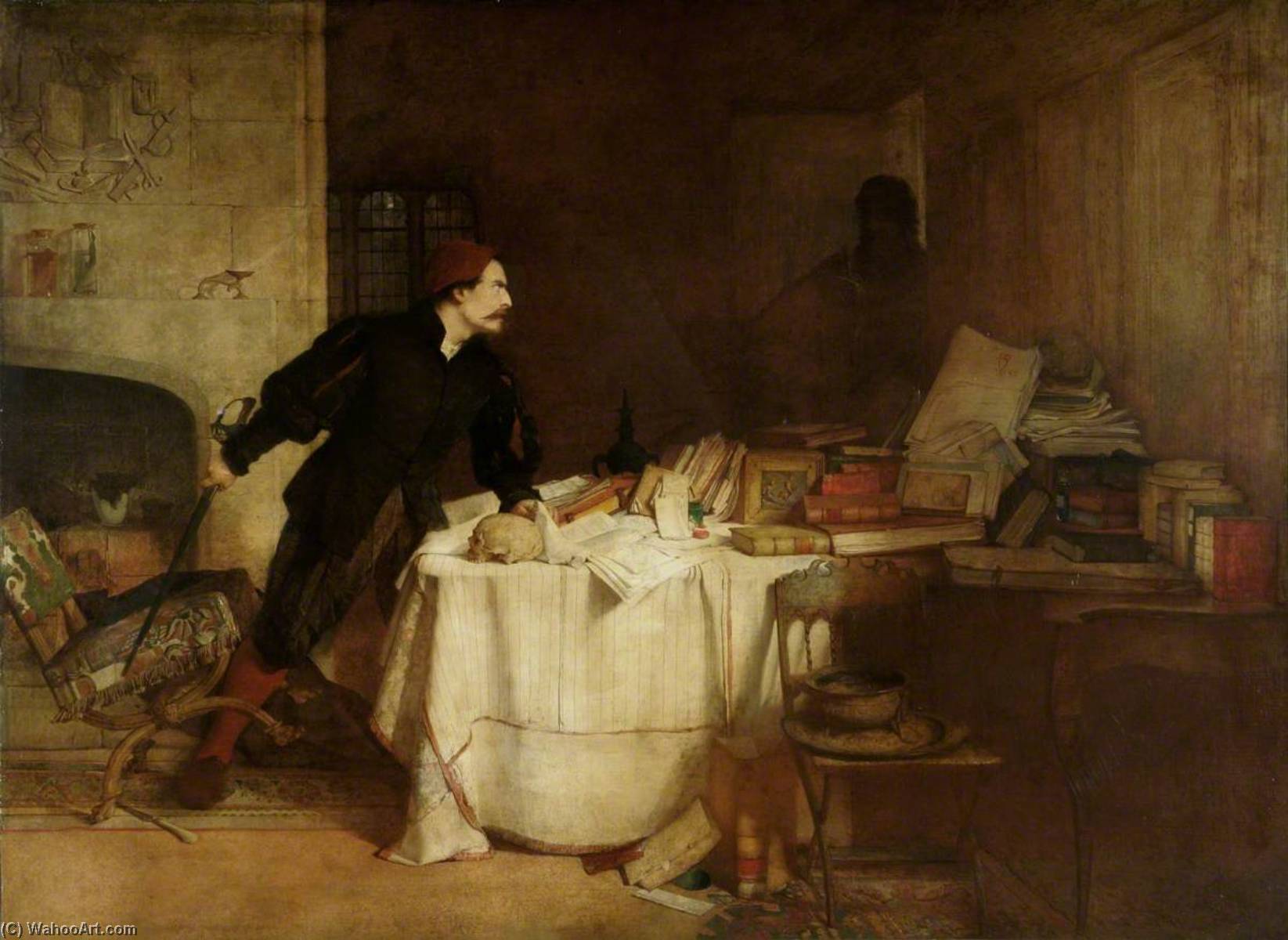
The Summons to the Secret Tribunal
ジークレー/アートプリント
複製画のサイズ
-


合計金額
$ 62
Composition and Symbolism
The painting depicts a man standing in a room surrounded by books, papers, and clocks, evoking a sense of mystery and intrigue. The use of light and shadow creates a dramatic effect, drawing the viewer's eye to the central figure. The presence of two clocks in the scene adds to the sense of urgency and importance, hinting at the significance of the summons.Artistic Style and Influences
William Fettes Douglas' style is characterized by his attention to detail and ability to capture the subtleties of human emotion. His work is often compared to that of other notable artists, such as Eugène Louis Boudin, who was known for his seascapes and landscapes. The National Galleries of Scotland has an impressive collection of Douglas' works, including The Spell, which showcases his mastery of oil on canvas.- Handmade oil painting reproductions of The Summons to the Secret Tribunal are available at ArtsDot.com, allowing art lovers to own a piece of history.
- The Holy Trinity Chapel in Biggar, United Kingdom, is another notable example of Douglas' work, with its stunning architecture and beautiful artwork.
The Summons to the Secret Tribunal is a masterpiece that continues to fascinate art enthusiasts, offering a glimpse into the world of 19th-century art and the creative genius of William Fettes Douglas.
関連作品

アーティストの略歴
The Visionary of Edinburgh: The Life and Legacy of Sir William Fettes Douglas
In the heart of nineteenth-century Edinburgh, a period defined by both industrial progress and a deep reverence for the arcane, Sir William Fettes Douglas emerged as a painter of profound spiritual and intellectual depth. Born on March 12th, 1822, Douglas was a man whose very lineage whispered of tradition and prestige. As the son of James Douglas, an esteemed accountant for the Commercial Bank of Scotland, and the grand-nephew of the illustrious Sir William Fettes, his upbringing was steeped in the cultural fabric of Scotland’s elite. Yet, beneath this veneer of aristocratic stability lay a restless, searching spirit that would eventually lead him away from the ledger books of banking and toward the ethereal realms of the Pre-Raphaelite aesthetic.
Douglas’s path to mastery was notably unconventional. Eschewing the rigid confines of formal academic training in his early years, he embraced a more intimate, self-directed method of discovery. His education at the High School of Edinburgh provided the foundation, but it was through diligent sketching and the mentorship of fellow artists like Alexander Fraser and even the legendary James Abbott MacKenzie Whistler that his draughtsmanship began to flourish. This period of independent study instilled in him a lifelong commitment to meticulous observation—a trait that would become his hallmark. He did not merely seek to paint what he saw, but to capture the atmospheric subtleties and the hidden, often mystical, truths residing within the physical world.
A Tapestry of Myth, Mystery, and Meticulous Detail
The true ascent of Douglas’s career began in 1845 with his debut at the Royal Scottish Academy. It was here that the art world first encountered his unique ability to imbue canvas with a palpable spiritual resonance. Heavily influenced by the aesthetic philosophies of John Ruskin and the evocative imagery of Dante Gabriel Rossetti, Douglas turned his gaze toward themes of mythology, folklore, and biblical narrative. His work became a bridge between the tangible and the transcendent, where every brushstroke served to explore complex notions of mortality, symbolism, and psychological depth.
His masterpieces from the mid-nineteenth century serve as windows into a world of enchantment and scholarly intrigue. Consider his evocative works such as:
- The Ruby Ring (1853): A piece that exemplifies his ability to weave narrative tension with jewel-like precision.
- The Alchemist (1855): A profound exploration of transformation and the esoteric pursuit of knowledge.
- The Spell (1864): Currently housed in the National Galleries of Scotland, this work showcases his mastery of light and shadow, depicting a scene of quiet, ritualistic intensity that leaves the viewer suspended in a moment of magic.
- The Summons to the Secret Tribunal (1860): A captivating composition where books, clocks, and papers create an atmosphere of heavy mystery and intellectual weight.
In these paintings, Douglas utilized a technique characterized by an unwavering commitment to accuracy. His ability to render textures—the cold gleam of metal, the weathered grain of ancient wood, or the soft glow of candlelight—created a sense of hyper-reality that heightened the supernatural elements of his subjects.
Ascension and Historical Significance
As his reputation grew, so too did his influence within the Scottish art establishment. Douglas was not merely a practitioner of his craft but a true connoisseur and leader of his era. His rise to the position of President of the Royal Scottish Academy marked the pinnacle of his professional achievements, signaling the respect he commanded among his peers. He became a central figure in the Victorian intellectual landscape, representing a movement that sought to find meaning and beauty in the shadows of history and the depths of the human psyche.
The historical significance of Sir William Fettes Douglas lies in his role as a bridge between the classical traditions of Scotland and the burgeoning romanticism of the Pre-Raphaelite Brotherhood. He brought a uniquely Scottish sensibility—one of scholarly rigor and atmospheric gloom—to the broader European movement. Even today, his works remain vital touchstones for those studying the intersection of art, mysticism, and the Victorian obsession with the archaeological and the ancient. Through his meticulous hand, Douglas ensured that the ephemeral whispers of myth and folklore were etched permanently into the annals of art history.

William Fettes Douglas
1822 - 1881
基本情報
- Artistic Movement Or Style: Pre-Raphaelite
- Artists Or Movements Influenced By This Artist: ['Romanticism']
- Artists Who Influenced This Artist:
- John Ruskin
- Edward Burne-Jones
- Date Of Birth: 1822
- Date Of Death: 1891
- Full Name: William Fettes Douglas
- Nationality: Scottish
- Notable Artworks:
- The Summons to the Secret Tribunal
- Stonehaven Harbour
- Place Of Birth: Edinburgh, Scotland
関連記事
ダンテ・ガブリエル・ロセッティ傑作25選:美と象徴が織りなす芸術の世界 | ArtsDot
ダンテ・ガブリエル・ロセッティの傑作25選。プレラファエライトの象徴主義、美しい女性画の世界へ。油絵やアートプリントで、リビングや寝室を彩るインテリアアートを見つけましょう。ArtsDot.comで名画コレクションを探索。

The Pre-Raphaelite Brotherhood: Rebellion, Romance & Medieval Revival
Explore the captivating world of the Pre-Raphaelite Brotherhood! Discover their rebellious spirit, iconic masterpieces & lasting influence on art history. Learn about Rossetti, Millais & more.

John William Waterhouse: Pre-Raphaelite Mythmaker & Poetic Depictions of Female Identity
Explore the captivating world of John William Waterhouse, a master of Pre-Raphaelite painting. Discover his iconic depictions of mythology and female identity in this expert guide.
The Pre-Raphaelite Brotherhood: A Rebellion of Beauty & Medieval Revival
Explore the captivating world of the Pre-Raphaelite Brotherhood! Discover their rebellion against academic art, iconic masterpieces, and lasting influence on Victorian aesthetics. Learn about Rossetti, Burne-Jones & more.
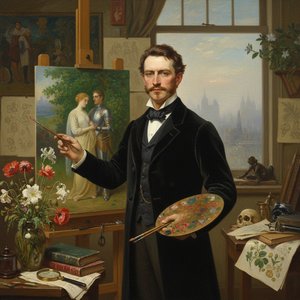
Sir John Everett Millais: Pre-Raphaelite Rebellion & Victorian Narrative Detail
Explore the revolutionary art of Sir John Everett Millais & the Pre-Raphaelite Brotherhood. Discover their radical realism, symbolic narratives, and lasting impact on Victorian aesthetics. A deep dive into 19th-century masterpieces.