

 プレビュー
プレビュー
 プリントを購入
 シェアする
シェアする シェアする
シェアする
 詳細を見る
詳細を見る

 ダウンロード
 似ている作品
 X線調査
X線調査 スライドショー
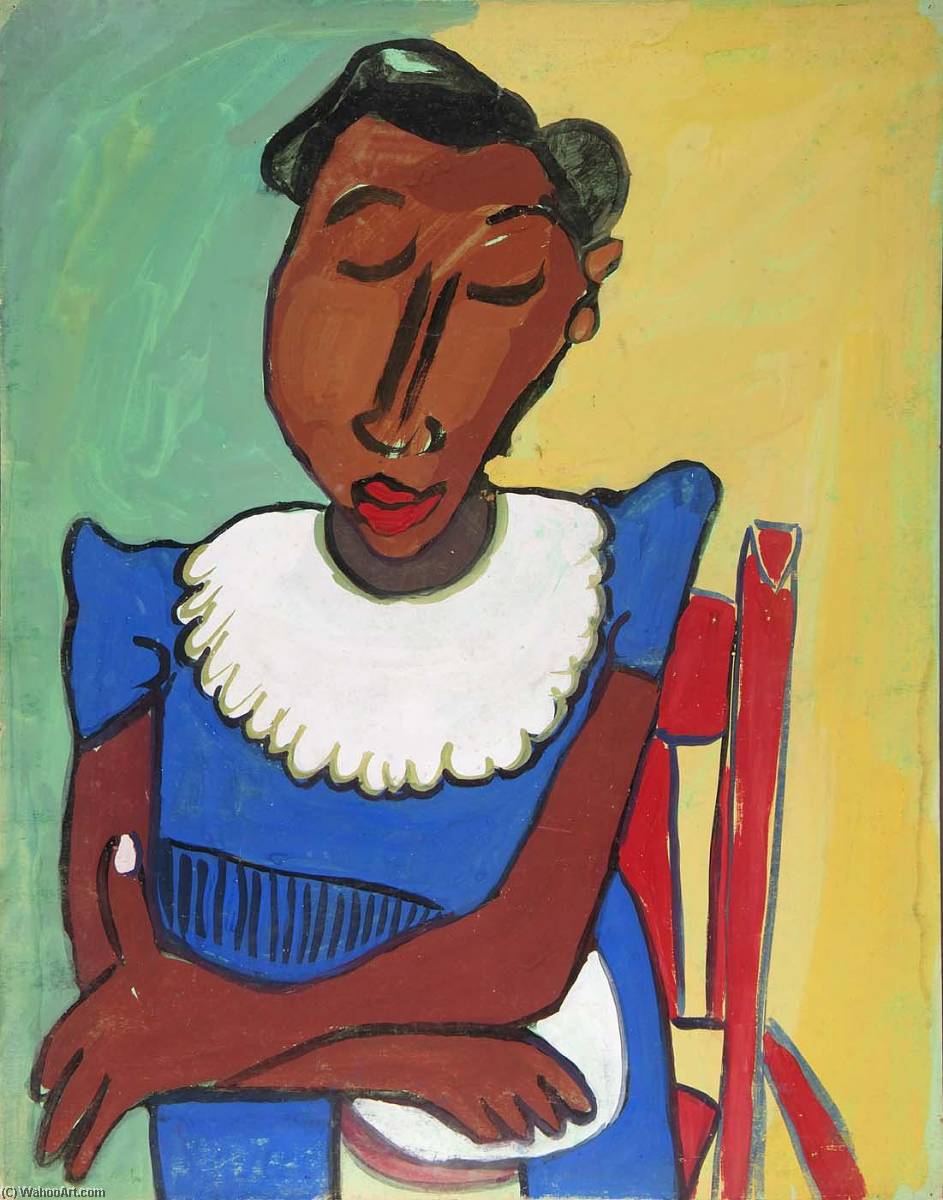
Woman in Blue Dress with White Collar in Red Chair
 Harlem Renaissance
 1940
1940- Modern
 71.0 x 56.0 cm
 詳細を見る
詳細を見る




P118B $10

P118H $10

P118W $10

P438Z $10

P508JH $12

P508YH $12

P805H $10

P805Z $10

P919BZ $10

P919G $10

P919XJ $10

P959ZH $10

P968JZ $12

W106C $8

W218G $10

W218JH $8

W218Y $10

W307PJ $10

W316G $10

W316PJ $8

W316Y $10

W398PJ $8

W4111J $10

W500HY $15

W500JH $15

W692G $12

W849H $8

W940BG $15

W953PJ $8




作品のオリジナル比率に合わせた、当店の規定サイズからお選びください。

特定のフレームやスペースに合わせて、ご希望のサイズをご入力いただけます。選択されたサイズが元の画像の比率と異なる場合、アートワークをトリミングするか、手描きで要素を追加して絵画を拡張いたします。デジタルモックアップ を制作し、制作開始前にご確認(承認)をいただきます。
画面上のプレビューは、実際のトリミングや拡張を正確に反映しているものではありません。最終的な構図は、モックアップによってのみ正確にご確認いただけます。
カスタムサイズもご利用いただけますが、元の比率を維持するためには、あらかじめ用意されたリストからサイズを選択することをお勧めいたします。
ご注文後、ArtsDot.com チームより詳細な指示をお送りするとともに、仕上がりイメージ(モックアップ)をご提供いたします。


 ガラスオプションは、110cm未満のサイズでのみご利用いただけます。

Woman in Blue Dress with White Collar in Red Chair
複製技法
複製画のサイズ
-


合計金額
$ 263
A Moment of Quietude: The Soulful Presence of William H. Johnson
In the quiet intersection of modernist abstraction and soulful folk tradition, "Woman in Blue Dress with White Collar in Red Chair" emerges as a profound testament to the mastery of William H. Johnson. Painted in 1940, this evocative portrait captures more than just a seated figure; it captures a state of being. The subject, draped in a striking cerulean blue dress that commands the viewer's attention, sits with eyes closed, lost in a moment of deep introspection or perhaps spiritual repose. There is an undeniable intimacy in her posture, a stillness that invites the observer to pause and breathe alongside her. Johnson, a pivotal figure of the Harlem Renaissance, possessed a unique ability to translate the weight of human experience into vibrant, rhythmic compositions that resonate with both simplicity and immense emotional depth.
The technical execution of this piece showcases Johnson’s signature ability to balance bold color palettes with a deliberate, almost rhythmic application of paint. The contrast between the cool, luminous blue of the woman's attire and the warm, commanding red accents of her chair creates a visual tension that is both stimulating and harmonious. This interplay of primary colors serves to anchor the subject within the frame, while the crisp white of her collar provides a point of light that draws the eye toward her serene facial expression. The artist utilizes a flattened perspective characteristic of his later style, which strips away unnecessary ornamentation to focus entirely on the essence of the sitter’s presence and the symbolic weight of her solitude.
Beyond its aesthetic brilliance, the painting serves as a window into the cultural consciousness of the mid-20th century. As an artist deeply influenced by the spiritual and oral traditions of his South Carolina roots, Johnson often infused his work with a sense of resilience and dignity. In this portrait, the downward tilt of the head and the closed eyes suggest a retreat from the external world into a sanctuary of the mind. For the collector or interior designer, this piece offers more than mere decoration; it provides a focal point of contemplative energy. Whether placed in a sunlit gallery or a sophisticated contemporary living space, the painting acts as an anchor of tranquility, bringing a sense of historical gravity and timeless grace to any environment.
For those seeking to adorn their homes with art that speaks of heritage and human emotion, this reproduction offers a magnificent opportunity. It is a piece that rewards long gazes, revealing new layers of texture and mood each time it is viewed. To possess such a work is to hold a fragment of the Harlem Renaissance—a period defined by the reclamation of identity and the celebration of the human spirit through the transformative power of color and form.
関連作品
アーティストの略歴
生い立ちとハーレム・ルネサンスにおける台頭
ウィリアム・ヘンリー・Johnson(1901-1970)は、アメリカ美術史において重要な位置を占める人物であり、特に活気に満ちたハーレム・ルネサンスの時代にその才能を開花させました。サウスカロライナ州フローレンスで生まれた彼は、ジム・クロウ時代の複雑な状況の中で芸術家としての道を歩み始め、彼の世界観は深く形成され、今日でも共鳴し続ける独特の視覚言語—モダニズム抽象と根強い民俗伝統の融合—を育みました。 幼少期からアフリカ系アメリカ人の文化や精神性との深い繋がりが培われました。ゴスペル音楽、世代を超えて受け継がれた語り伝えの伝統、そしてヨルバ宗教の象徴主義といった影響を取り込み、彼の芸術的プロセスに不可欠な要素となりました。この口承伝承への根ざしは、苦難、忍耐、精神的な超越を描いたキャンバス—精霊、動物、幾何学模様で満たされた象徴的なイメージ—へと翻訳されました。ヨーロッパとメキシコでの芸術的探求
彼の芸術的発達はヨーロッパ大陸からメキシコへと広がり、油絵、水彩画、コラージュなど様々なメディアを実験し、技術を磨きました。彼は厚い顔料を塗るインパスト技法を取り入れ、絵画に触覚的な質感と感情的な強度を与えました。このアプローチは表現主義の特徴的な熱意を反映していましたが、Johnsonは自身の個人的な遺産に根ざした独自の美学を維持しました。 ヨーロッパでの経験は、彼の芸術的視野を広げ、アフリカ美術やプリミティブアートへの関心を深めました。メキシコでは、壁画運動の影響を受け、社会的なテーマと民衆の生活を描くことへの意識を高めました。これらの国際的な経験は、Johnsonの作品に多様な影響をもたらし、彼のユニークなスタイルを形成する上で重要な役割を果たしました。表現主義的スタイルと象徴主義
Johnsonの作品は驚くほど多様な主題で構成されています—アフリカ系アメリカ人の個人を描いた肖像画、サウスカロライナの田園地帯の美しさを描いた風景画、神話や精神性を探求する幻想的なビジョン。彼の絵画の特徴は、鮮やかな色彩、大胆な構図、そして象徴主義的なイメージの使用です。 「黒いキリスト」(1938) は、ヨルバの象徴主義が込められた壮大なキャンバスであり、信仰と慈悲を力強く伝えています。「偉大なる精霊」(1964)は、シャーマン的なイメージを探求し、精神的な探求を体現しています。また、「黒い少年」(1937) は、逆境に直面する若者の無邪気さを描いた感動的な作品です。 彼の絵画における動物のモチーフは、しばしば精霊や祖先の象徴として解釈され、アフリカの精神世界との繋がりを示唆しています。幾何学模様は、宇宙の秩序と人間の魂の複雑さを表現するために用いられました。これらの象徴主義的な要素は、Johnsonの作品に深みと多層的な意味を与え、観る者に深い感動と考察を促します。教育者としての側面と遺産
芸術的功績を超えて、ウィリアム・ヘンリー・Johnsonの遺産は、教育者および指導者としての彼の役割にまで及びます。彼は若いアーティストの才能を育成し、同様の様式的な探求を受け入れた世代に影響を与えました。彼の作品は、スミソニアンアメリカ美術博物館やハンプトン大学美術館など、世界中の著名な美術館に収蔵されており、その永続する芸術的価値と歴史的重要性—ハーレム・ルネサンスが黒人の生活を正直かつ尊厳をもって描くというコミットメントの象徴として—を証明しています。アメリカ美術史における意義
ウィリアム・ヘンリー・Johnsonは、アフリカ系アメリカ人の経験と文化を描いた作品を通じて、アメリカ美術史に重要な足跡を残しました。彼の絵画は、人種差別や社会的不公正といった問題に対する鋭い洞察を提供し、観る者に黒人の生活の複雑さと多様性を認識させます。 表現主義の影響を受けながらも、Johnsonは自身の個人的な遺産と精神世界に根ざした独自のスタイルを確立しました。彼の作品は、モダニズム抽象と民俗伝統の融合であり、アメリカ美術における革新的な試みとして高く評価されています。今日、Johnsonの絵画は、ハーレム・ルネサンスの代表的な作品として広く認知されており、その影響力は後世のアーティストにも及んでいます。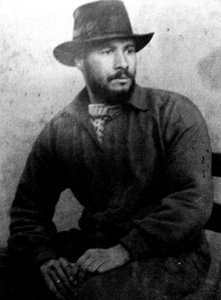
ウィリアム・H・ジョンソン
1901 - 1970 , アメリカ合衆国
基本情報
- Artistic Movement Or Style: ハーレム・ルネサンス;表現主義
- Artists Or Movements Influenced By This Artist: ['表現主義']
- Artists Who Influenced This Artist: ['ジョン・ウォラストン']
- Date Of Birth: 1901年
- Date Of Death: 1970年
- Full Name: ウィリアム・ヘンリー・ジョンソン
- Nationality: アメリカ人
- Notable Artworks (List Of Titles):
- 黒いキリスト
- 大霊
- 黒人少年
- Place Of Birth (City And Country): フロレンス、アメリカ合衆国
関連記事
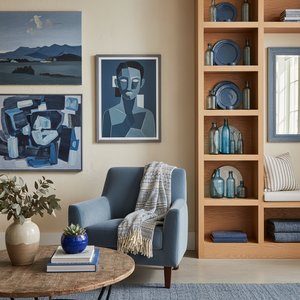
Slate Blue Masterpieces: 10 Iconic Paintings & Timeless Home Decor Ideas
Immerse yourself in the captivating world of slate blue! Explore 10 iconic paintings by Monet, Van Gogh & Renoir. Discover their stories, techniques & find museum-quality art reproductions for your home at .

Crimson Threads of Narrative: Exploring Symbolism & Representation in Artworks Featuring the Red Dress
Explore the rich symbolism of the red dress in art history! From ancient power displays to iconic portraits like Cézanne’s 'Madame Cezanne', discover the cultural and artistic significance behind this captivating color. Expert analysis & insights.
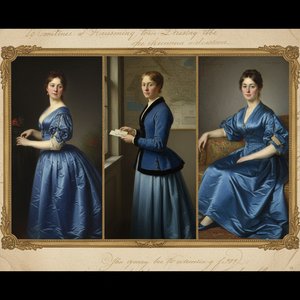
Azure Visions: Exploring Representations of the Blue Dress in Western Art History
Explore the rich history of the blue dress in Western art! Discover its symbolism, from Renaissance masterpieces to modern interpretations by artists like Martin & Schiele. Uncover cultural meanings and artistic techniques.
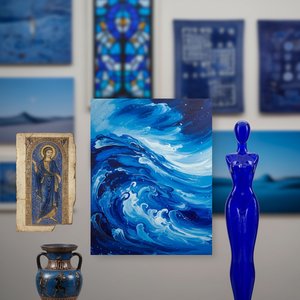
The Allure of Azure: Exploring the Symbolic & Aesthetic Depths of Blue in Art History
Explore the rich history of blue in art! Discover its symbolism, from ancient pigments to modern masterpieces by Kandinsky & Seurat. Uncover the psychological impact and cultural meanings behind this captivating hue.

アンリ・マティスの傑作25選:色彩と情熱の軌跡|ArtsDot
アンリ・マティスの傑作25選🎨 色彩と情熱が織りなす世界を旅する。フォーヴィスム代表の巨匠、マティスの絵画の魅力と歴史を紐解きます。ArtsDotで高品質なアートプリントや複製画を見つけ、インテリアに芸術的な輝きを✨ Explore the full collection online

