

 プレビュー
プレビュー
 プリントを購入
 シェアする
シェアする シェアする
シェアする
 詳細を見る
詳細を見る

 ダウンロード
 似ている作品
 X線調査
X線調査 スライドショー
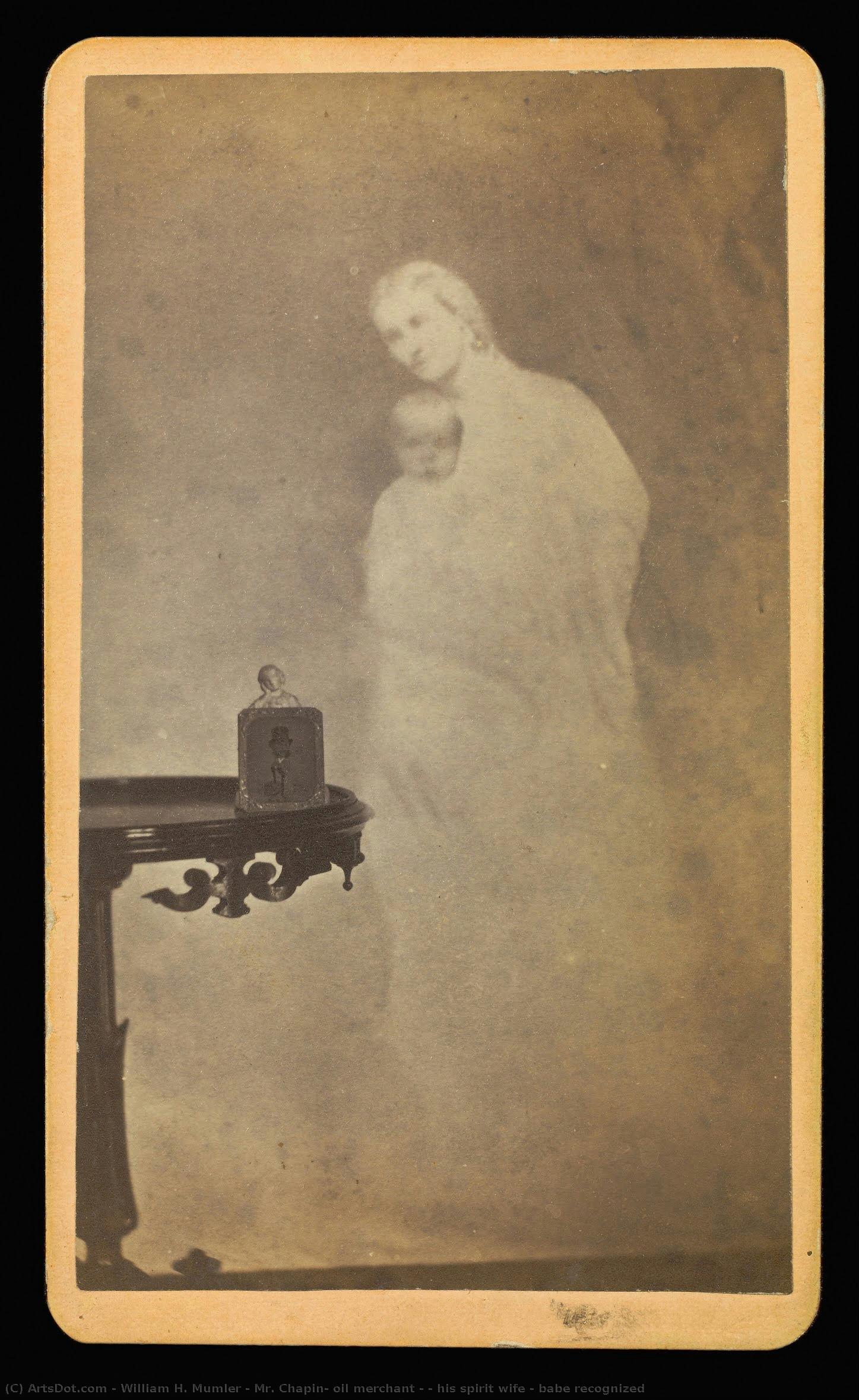
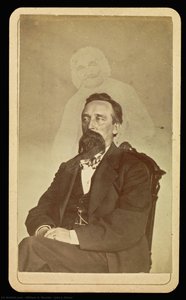
Mr. Chapin, oil merchant - & his spirit wife & babe recognized
 Oil
Oil- WallArt
- Spirit Photography
 1875
1875 9.0 x 5.0 cm
 J・ポール・ゲティ美術館
 詳細を見る
詳細を見る
オンラインプレビューをはるかに凌ぐ、高解像度で鮮明なデジタル画像をご購入いただけます。
各ファイルは、社内の専門家が高度なツールと熟練した手作業によるレタッチを用いて、細心の注意を払って準備されています。すべての画像において、卓越した鮮明度、正確な色彩再現性、そして繊細なディテールを保証いたします。
最終ファイルは、プロフェッショナルな編集・印刷環境ですぐにご利用いただけるよう最適化された状態で、72時間以内にメールにてお届けいたします。これは、一流のデザインスタジオ、出版社、ギャラリーから信頼されているものと同等の品質です。
デジタル画像のご注文に付随する特典
高品質なデジタル画像配信を、確かな品質で。
ArtsDot.com を選ぶことは、単に画像を手に入れることではありません。それは、プロの手によって精密に仕上げられ、満足保証が付いた高品質なデジタルアートワークを受け取ることを意味します。ご注文いただいた際に自動的に付随する内容は、以下の通りです:

メールですぐにお届け
ご注文から72時間以内に、高解像度のデジタル画像ファイルがメールでお手元に届きます。すぐにそのままご利用いただけます。

AI技術で最適化されたデジタルファイル
お客様の作品は、高度なAIツールと専門家による手作業の編集を組み合わせてプロフェッショナルに最適化されており、細部のディテール、鮮明さ、そして正確な色再現性を最大限に引き出しています。

一生涯無料の再送サービス
ファイルを誤って削除したり、紛失してしまったりしましたか?ご安心ください。いつでも無料で再送いたします。

輸入手数料は一切かかりません
関税や手数料、配送料を気にすることなく、お気に入りのアートワークをすぐにお楽しみいただけます。デジタルダウンロードは常に免税です。

色彩再現の保証
プロ仕様のツールとカラーマネジメント技術を用いることで、デジタル画像が元の色を最大限に忠実に再現することを保証いたします。

60日間満足保証
ご購入いただいたデジタル画像にご満足いただけない場合は、60日以内であれば、修正または100%の返金(理由を問う必要はありません)をさせていただきます。

100% 返金保証
ご満足いただけない場合は、デジタルファイルを受け取ってから60日以内であれば、理由を問わず全額返金いたします。

まとめ買い割引
3枚購入で10%OFF - 5枚購入で15%OFF - 10枚以上購入で20%OFF。クリエイティブなプロジェクト、ギャラリー、エージェンシーに最適です。
The Haunting Portrait: William H. Mumler’s “Mr. Chapin”
William H. Mumler's "Mr. Chapin, oil merchant – & his spirit wife & babe recognized," a diminutive albumen print measuring just 9 x 5 centimeters, isn’t merely a photograph; it’s a portal into the burgeoning world of Victorian spiritualism and photographic experimentation. Created in 1862-1875, this seemingly simple image—depicting a man identified as Mr. Chapin alongside his spectral wife and infant child—holds within it layers of intrigue, controversy, and a profound reflection on grief, belief, and the very nature of reality. The photograph’s power lies not just in its ghostly figures but in the meticulous detail with which Mumler rendered them, utilizing techniques that were at the cutting edge (and often debated) for his time.
Mumler's work emerged during a period of intense mourning following the American Civil War. Families across the nation sought solace and connection with deceased loved ones, fueling a widespread interest in mediums and spiritual communication. Mumler capitalized on this yearning, employing a process he termed “spirit photography,” claiming to capture images of spirits through the medium of his camera. While modern analysis suggests that Mumler skillfully manipulated photographs – utilizing double exposures, strategically placed objects, and careful lighting – the emotional resonance of these images remains undeniable. The photograph’s composition—the couple seated at a table laden with bottles and a child nestled in the mother's arms—evokes a sense of domestic tranquility juxtaposed against the unsettling presence of the spectral figures.
Decoding the Symbolism: Ghosts, Objects, and Victorian Values
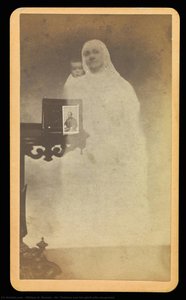
The objects within the scene are crucial to understanding the photograph’s layered meaning. The bottles on the table – likely representing wine or spirits – hint at a connection to the afterlife and the rituals of spiritualism. The small statuette, positioned prominently on the side table, is often interpreted as a conduit for the spirit world, acting as a focal point for communication. The positioning of the figures themselves speaks volumes about Victorian values: piety, family, and domesticity are all subtly conveyed. The mother’s gentle embrace of her child underscores the sanctity of family life, while the father's presence suggests a connection to earthly responsibilities. However, the spectral overlay disrupts this idealized image, introducing an element of melancholy and reminding viewers of the inescapable reality of loss.
The ghostly figures themselves are rendered with remarkable subtlety. They aren’t dramatically illuminated or overtly frightening; instead, they possess a delicate translucence, blending seamlessly into the background. This understated approach reinforces the idea that these spirits are not malevolent entities but rather echoes of loved ones who remain connected to the living world. Mumler's skill lies in his ability to create an atmosphere of quiet contemplation and profound sadness—a testament to the enduring power of memory and the human desire for connection beyond death.
Technique and Context: A Pioneer of Photographic Illusion
William H. Mumler was a true innovator, pushing the boundaries of photographic technique in his pursuit of capturing spirits. He experimented with various methods, including double exposures, using darkened rooms to create silhouettes, and employing techniques to simulate the appearance of light emanating from the spirit world. His process involved carefully controlling the exposure time and utilizing a darkroom to manipulate the image—a far cry from the instant photography of later eras. The albumen print itself, a popular medium at the time, produced a soft, creamy tone that lent itself well to capturing subtle details and creating an ethereal effect.
The photograph’s creation coincided with a period of intense scientific debate surrounding photography's ability to truly capture reality. Some considered it merely a mechanical reproduction of light, while others believed it possessed the potential to reveal hidden truths—including glimpses into the spirit world. Mumler’s work fueled this debate, attracting both ardent believers and skeptical critics. The controversy surrounding his photographs ultimately led to his trial in 1869, where he was acquitted due to the prosecution's inability to prove his fraud.
A Legacy of Mystery: The Enduring Appeal of “Mr. Chapin”
“Mr. Chapin, oil merchant – & his spirit wife & babe recognized” remains a captivating and enigmatic work of art. It’s a poignant reminder of the Victorian fascination with death, mourning, and the possibility of communication beyond the grave. More than just a photographic illusion, it's a powerful meditation on grief, memory, and the enduring human need for connection. Today, reproductions of this iconic image continue to fascinate viewers, prompting questions about the nature of belief, the power of photography, and the mysteries that lie at the intersection of science and spirituality.
関連作品
作家の略歴
early life and career
william h. mumler, an american spirit photographer, was born in 1832 in the united states. before venturing into photography, mumler worked as a jewellery engraver in boston. his interest in photography led him to develop a self-portrait that unexpectedly featured the apparition of his deceased cousin, marking the beginning of his spirit photography career.rise to fame and notable works
mumler's most famous images include:- photograph of mary todd lincoln with the ghost of her husband abraham lincoln
- portrait of master herrod, a medium, with three spirit guides
controversy and trial
mumler was taken to court in 1869, accused of fraud and larceny. noted showman p. t. barnum testified against him. however, mumler was acquitted due to the prosecution's inability to prove his guilt beyond a doubt.legacy and contributions
despite the controversy, mumler continued his photography career, discovering the "mumler process" for producing photo-electrotype plates. his work, featured in various museums, including the j. paul getty museum (los angeles, united states), remains a subject of interest in the realm of parapsychology. key takeaways: * mumler's spirit photography career was marked by both innovation and controversy. * his most famous images continue to fascinate audiences on ArtsDot.com. * the "mumler process" remains a notable contribution to the field of photography. learn more about william h. mumler's life and work on wikipedia.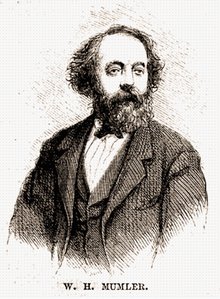
William H. Mumler
1832 - 1884 , United States of America
プロフィール概要
- Artistic Movement Or Style: Spirit Photography
- Date Of Birth: 1832
- Date Of Death: 1884
- Full Name: William H. Mumler
- Nationality: American
- Notable Artworks:
- Photograph of Mary Todd Lincoln with the ghost of Abraham Lincoln
- Portrait of Master Herrod
- Place Of Birth: Boston, United States

