 プレビュー
プレビュー
 プリントを購入
 シェアする
シェアする シェアする
シェアする
 詳細を見る
詳細を見る

 ダウンロード
 似ている作品
 X線調査
X線調査 スライドショー
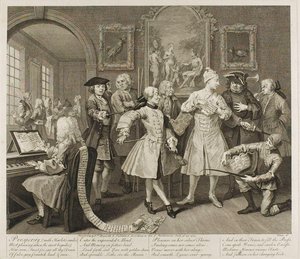
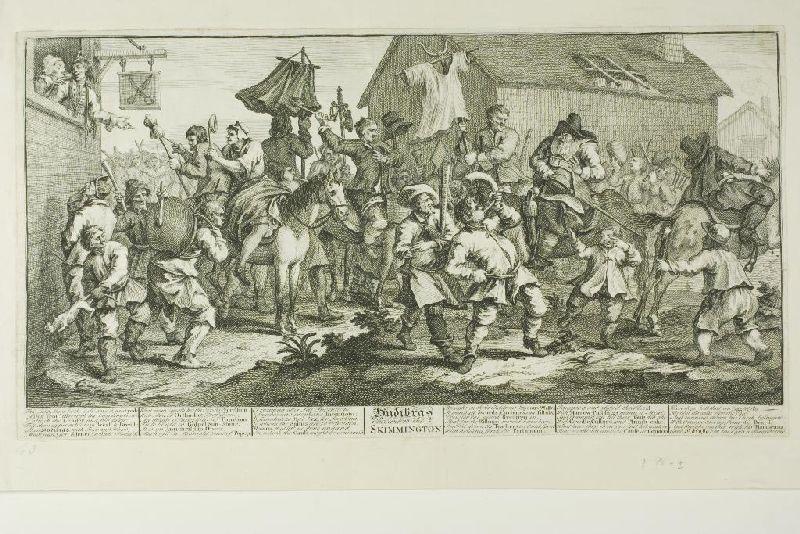
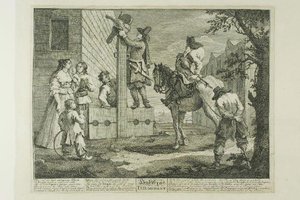
Hudibras and the Skimmington, plate seven from Hudibras


 詳細を見る
詳細を見る




P118B $10

P118H $10

P118W $10

P438Z $10

P508JH $12

P508YH $12

P805H $10

P805Z $10

P919BZ $10

P919G $10

P919XJ $10

P959ZH $10

P968JZ $12

W106C $8

W218G $10

W218JH $8

W218Y $10

W307PJ $10

W316G $10

W316PJ $8

W316Y $10

W398PJ $8

W4111J $10

W500HY $15

W500JH $15

W692G $12

W849H $8

W940BG $15

W953PJ $8




作品のオリジナル比率に合わせた、当店の規定サイズからお選びください。

特定のフレームやスペースに合わせて、ご希望のサイズをご入力いただけます。選択されたサイズが元の画像の比率と異なる場合、アートワークをトリミングするか、手描きで要素を追加して絵画を拡張いたします。デジタルモックアップ を制作し、制作開始前にご確認(承認)をいただきます。
画面上のプレビューは、実際のトリミングや拡張を正確に反映しているものではありません。最終的な構図は、モックアップによってのみ正確にご確認いただけます。
カスタムサイズもご利用いただけますが、元の比率を維持するためには、あらかじめ用意されたリストからサイズを選択することをお勧めいたします。
ご注文後、ArtsDot.com チームより詳細な指示をお送りするとともに、仕上がりイメージ(モックアップ)をご提供いたします。


 ガラスオプションは、110cm未満のサイズでのみご利用いただけます。

Hudibras and the Skimmington, plate seven from Hudibras
複製技法
複製画のサイズ
-


合計金額
$ 263
The Genesis of a Scandalous Scene
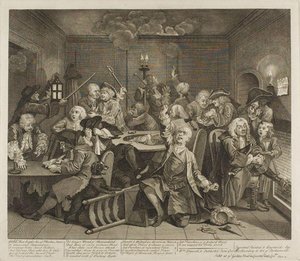
William Hogarth’s “Hudibras and the Skimmington,” plate seven from his sprawling series *Hudibras*, is far more than a mere illustration; it's a meticulously crafted tableau vivant, a snapshot of 18th-century London teeming with social commentary and biting satire. Born in 1697 amidst the burgeoning dynamism and underlying anxieties of Georgian England, Hogarth was a visual chronicler, driven by an insatiable curiosity for human behavior and a keen eye for exposing hypocrisy. This particular plate, part of a twelve-part series based on Samuel Butler’s satirical poem, captures a chaotic moment – a drunken brawl erupting around a horse-drawn carriage, fueled by mistaken identity and escalating folly. The scene unfolds with a frenetic energy, a visual representation of the poem's themes of religious fanaticism, social disorder, and the perils of misplaced judgment.

A Masterclass in Printmaking Technique
Hogarth’s genius lay not just in his subject matter but also in his masterful execution as a printmaker. “Hudibras and the Skimmington” exemplifies his innovative approach to engraving, a medium he elevated beyond mere mechanical reproduction. He employed a technique known as ‘stipple,’ utilizing tiny dots of ink to create tonal variations and subtle textures – particularly evident in the depiction of fabrics, skin tones, and the chaotic spray of wine and oranges. The use of cream paper, meticulously toned, adds depth and richness to the image, enhancing the sense of realism and immediacy. Notice how he uses cross-hatching to define forms and create a strong sense of perspective, pulling the viewer into this lively scene. The composition itself is carefully orchestrated; the diagonal lines created by the carriage and the figures contribute to the dynamic movement, while the placement of key elements guides the eye through the narrative.
Symbolism and Social Critique
Beyond its immediate visual appeal, “Hudibras and the Skimmington” is laden with symbolic meaning. The mistaken identity at the heart of the brawl – a parade of wives being misinterpreted as a satanic procession – directly references Butler’s poem and satirizes the Puritanical zealotry that gripped England during the 17th century. The figures themselves represent various facets of London society: the drunken squire, the opportunistic thief, the bewildered onlookers, all caught in the vortex of chaos. The scattering of oranges, a symbol of wealth and indulgence, further underscores the scene’s underlying critique of social excess and moral decay. Hogarth wasn't simply depicting an event; he was offering a pointed commentary on the values – or lack thereof – prevalent within his society.
A Window into Georgian London
To truly appreciate “Hudibras and the Skimmington,” it’s essential to understand the context in which it was created. 18th-century London was a city of immense contrasts: glittering wealth alongside grinding poverty, religious fervor colliding with social unrest. Hogarth meticulously documented this world through his prints, offering a remarkably detailed and often unflinching portrayal of everyday life. This particular plate provides a vibrant glimpse into the bustling streets, the boisterous taverns, and the complex social dynamics of Georgian London – a city that was both captivating and chaotic, virtuous and corrupt. Reproductions allow us to experience this world with remarkable clarity, offering a unique connection to a pivotal moment in British art history.
関連作品
アーティストの略歴
A London Life in Ink and Paint: The World of William Hogarth
William Hogarth, born into the bustling heart of 18th-century London in 1697, was more than just an artist; he was a visual historian, a keen observer of human nature, and a satirical commentator on the societal currents of his age. His life story is inextricably linked to the very fabric of England during a period of significant transformation – its burgeoning ambitions, underlying anxieties, and pervasive hypocrisies all finding potent expression in his remarkably detailed and often biting works. The son of a struggling Latin schoolmaster, Hogarth’s early experiences instilled within him both a love for learning and a sharp awareness of social inequalities, a foundation that would prove crucial to shaping his artistic vision. Initially apprenticed to an engraver, he quickly demonstrated a talent extending beyond mere technical skill; he possessed an innate ability to observe the nuances of human behavior and translate them into compelling visual narratives. However, he chafed against the constraints of traditional engraving, seeking a more expressive outlet for his burgeoning creativity. This led him to studies at both St Martin’s Lane Academy and under Sir James Thornhill, where he honed his skills in painting and composition, absorbing influences that would later inform his unique style.The Birth of Modern Moral Subjects
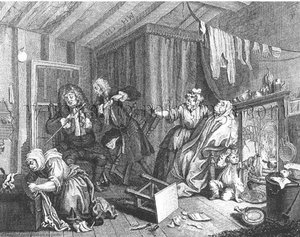
Hogarth's true innovation lay not simply *what* he painted, but *how*. He pioneered what he termed “modern moral subjects” – series of pictures designed to tell a story, often imbued with a strong satirical edge. These weren’t isolated portraits or landscapes; they were visual novels unfolding before the viewer’s eyes, offering pointed commentary on contemporary society. A Harlot's Progress, created in 1742, stands as perhaps his most famous example. This series of six paintings meticulously follows the tragic downfall of Mary, a young woman arriving in London full of hope but quickly succumbing to the temptations and dangers of city life. Each scene is rendered with painstaking detail, filled with symbolic elements that reveal the moral decay surrounding her. The figures are portrayed with unflinching realism, capturing every gesture and expression with remarkable accuracy—a deliberate departure from idealized depictions prevalent at the time. Similarly, A Rake's Progress, begun in 1733, charts the reckless decline of Tom Rakewell, a man who squanders his inheritance on gambling, debauchery, and ultimately, madness. These weren’t merely cautionary tales; they were unflinching portraits of a society grappling with issues of class, morality, and social mobility. Hogarth's genius resided in his ability to elevate everyday scenes – the bustling streets of London, the opulent interiors of the wealthy, the squalid lives of the poor – into works of art that resonated deeply with his audience. He didn’t shy away from depicting the harsh realities of life, presenting them with a blend of humor and pathos that forced viewers to confront uncomfortable truths about themselves and their society.Technique and Influences: A Synthesis of Styles
Hogarth's artistic style was a unique amalgamation of diverse influences. He greatly admired the realism and narrative detail found in the works of Dutch genre painters like Pieter de Hooch, evident in his meticulous depictions of interiors and everyday life. The expressive dynamism of Rembrandt’s portraits also captivated him—a testament to his ability to convey emotion through subtle shading and composition. Furthermore, Hogarth was profoundly impacted by the writings of Jonathan Swift and Henry Fielding, whose satirical wit served as inspiration for his own social observations. He believed that art should not merely be beautiful but should also serve a moral purpose, challenging viewers to think critically about the world around them and their place within it. His technique was characterized by a masterful use of line and shading, particularly evident in his engravings. He employed a distinctive cross-hatching technique—a painstaking process of intersecting lines—that created depth and texture, bringing his scenes to life with remarkable clarity. This method allowed him to capture the nuances of light and shadow, conveying atmosphere and emotion with unparalleled precision. Beyond visual art, Hogarth’s intellectual curiosity extended into various fields, fostering a broader understanding of human psychology and social dynamics.Major Achievements and Legacy
Hogarth achieved considerable renown during his lifetime for his groundbreaking series of paintings and engravings—most notably *A Harlot's Progress* and *A Rake's Progress*. These works established him as a pioneer of “modern moral subjects,” transforming the genre of visual storytelling and influencing generations of artists to come. His unflinching portrayal of social ills—corruption, poverty, hypocrisy—challenged prevailing societal norms and provoked considerable debate among intellectuals and critics alike. He is widely regarded as one of the most important figures in British art history, celebrated for his innovative style, his masterful technique, and his enduring contribution to the visual arts. As Charles Lamb famously remarked, Hogarth’s images were “like books to be read rather than merely looked at”—a testament to their narrative power and intellectual depth. His legacy continues to inspire artists today who strive to engage audiences with thought-provoking stories that illuminate both beauty and truth. He demonstrated that art could serve as a catalyst for social reform, prompting viewers to confront uncomfortable realities and fostering a deeper appreciation for human dignity.Historical Significance: Reflecting the Enlightenment
Hogarth’s artistic output embodies the spirit of the Enlightenment—a period characterized by intellectual curiosity, rational inquiry, and a commitment to humanist values. He rejected idealized representations of virtue and beauty, favoring instead unflinching depictions of human flaws and failings. This bold stance reflected the broader cultural shift toward questioning traditional authority and embracing empirical observation—a hallmark of the era’s philosophical advancements. By confronting viewers with uncomfortable truths about society, Hogarth challenged them to engage in critical reflection and strive for moral improvement—values that resonated deeply with Enlightenment thinkers and contributed to shaping the intellectual landscape of his time. His work stands as a powerful reminder that art can serve as a vehicle for social commentary and inspire transformative change—a legacy that continues to endure centuries after his death.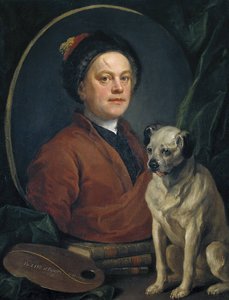
ウィリアム・ホガース
1697 - 1764 , イギリス
基本情報
- Artistic Movement Or Style: 諷刺、写実主義
- Artists Or Movements Influenced By This Artist: ['ジェイムズ・ギルレイ']
- Artists Who Influenced This Artist:
- ピエートル・デ・フーク
- ジョナサン・スウィフト
- Date Of Birth: 1697年
- Date Of Death: 1764年
- Full Name: William Hogarth
- Nationality: イギリス人
- Notable Artworks:
- ヘイラートの進行記
- ラースペルスの進行記
- 結婚式
- Place Of Birth: ロンドン、イギリス
関連記事
William Hogarth: Satire, Social Commentary & the Birth of Modern British Art
Explore the satirical world of William Hogarth, pioneering British painter & engraver. Discover his iconic works like *A Rake's Progress* and insightful social commentary on 18th-century London life.
Engraving's Golden Age: 10 Masterpieces That Redefined Art | ArtsDot
Journey through art history with our Top 10 Legendary Engravings! Explore masterpieces by Dürer, Rembrandt & Goya. Discover the stories behind these iconic prints and find museum-quality reproductions for your home at ArtsDot.com.
Engraving: A Historical Survey of Technique, Artistic Expression & Enduring Legacy
Explore the rich history of engraving with ArtsDot. Discover techniques, iconic artists like Dürer & Callot, collecting tips, and expert guidance for preserving your art investment. Learn about intaglio printing & more!

Giclée Prints: Archival Quality & Aesthetic Nuances for the Discerning Collector
Explore the world of giclée prints with ArtsDot. Learn about archival quality, aesthetic nuances & investment potential. Expert guidance for discerning art collectors seeking museum-quality reproductions and lasting value.
The Intricate World of Engraving: A Historical Survey of Technique, Artistic Expression & Enduring Legacy
Explore the rich history of engraving with ArtsDot. Discover techniques, iconic artists like Dürer & Callot, collecting tips, and expert guidance for preserving your art investment. Learn about intaglio printing & more!