

 プレビュー
プレビュー
 シェアする
シェアする シェアする
シェアする
 詳細を見る
詳細を見る

 ダウンロード
 似ている作品
 X線調査
X線調査 スライドショー
 統計情報
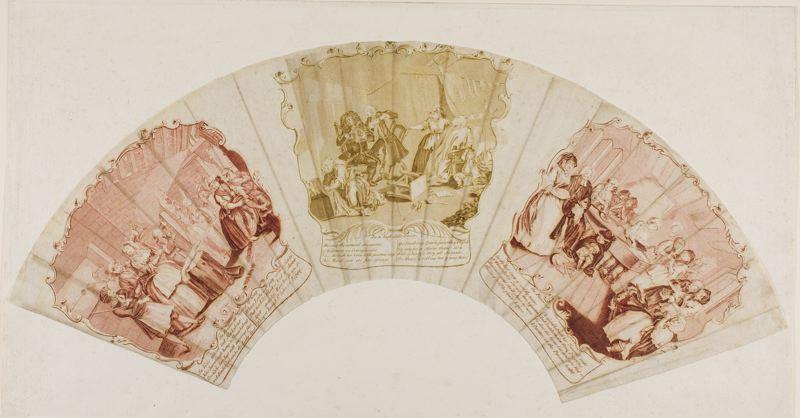
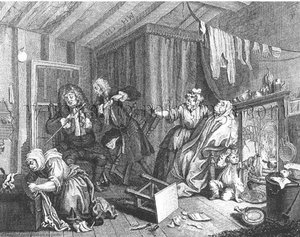
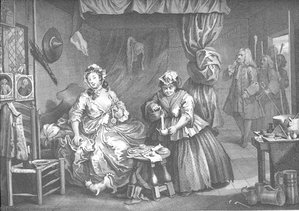
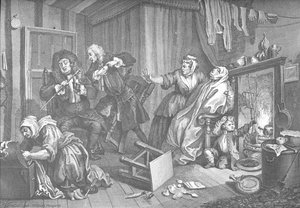
統計情報Plates four, five, and six from A Harlot's Progress


 詳細を見る
詳細を見る
オンラインプレビューをはるかに凌ぐ、高解像度で鮮明なデジタル画像をご購入いただけます。
各ファイルは、社内の専門家が高度なツールと熟練した手作業によるレタッチを用いて、細心の注意を払って準備されています。すべての画像において、卓越した鮮明度、正確な色彩再現性、そして繊細なディテールを保証いたします。
最終ファイルは、プロフェッショナルな編集・印刷環境ですぐにご利用いただけるよう最適化された状態で、72時間以内にメールにてお届けいたします。これは、一流のデザインスタジオ、出版社、ギャラリーから信頼されているものと同等の品質です。
デジタルアート
個人での鑑賞、印刷、クリエイティブなプロジェクト用に、高解像度ファイルをダウンロードできます。 ( プリント版に切り替え 手描きの絵画を購入)
デジタル画像のご注文に付随する特典
高品質なデジタル画像配信を、確かな品質で。
ArtsDot.com を選ぶことは、単に画像を手に入れることではありません。それは、プロの手によって精密に仕上げられ、満足保証が付いた高品質なデジタルアートワークを受け取ることを意味します。ご注文いただいた際に自動的に付随する内容は、以下の通りです:

メールですぐにお届け
ご注文から72時間以内に、高解像度のデジタル画像ファイルがメールでお手元に届きます。すぐにそのままご利用いただけます。

AI技術で最適化されたデジタルファイル
お客様の作品は、高度なAIツールと専門家による手作業の編集を組み合わせてプロフェッショナルに最適化されており、細部のディテール、鮮明さ、そして正確な色再現性を最大限に引き出しています。

一生涯無料の再送サービス
ファイルを誤って削除したり、紛失してしまったりしましたか?ご安心ください。いつでも無料で再送いたします。

輸入手数料は一切かかりません
関税や手数料、配送料を気にすることなく、お気に入りのアートワークをすぐにお楽しみいただけます。デジタルダウンロードは常に免税です。

色彩再現の保証
プロ仕様のツールとカラーマネジメント技術を用いることで、デジタル画像が元の色を最大限に忠実に再現することを保証いたします。

100日間満足保証
ご購入いただいたデジタル画像にご満足いただけない場合は、100日以内であれば、理由を問わず修正または100%の返金対応をさせていただきます。

100% 返金保証
ご満足いただけない場合は、デジタルファイルを受け取ってから100日以内であれば、理由を問わず全額返金いたします。

まとめ買い割引
3枚購入で10%OFF - 5枚購入で15%OFF - 10枚以上購入で20%OFF。クリエイティブなプロジェクト、ギャラリー、エージェンシーに最適です。
A Descent into Moral Decay: Examining Hogarth’s “Plate Six” from ‘A Harlot’s Progress’
William Hogarth's "Plate Six" from his monumental series, 'A Harlot’s Progress,' stands as a chilling testament to the societal anxieties of Enlightenment England. Completed in 1732, this engraving—one of six meticulously crafted prints—captures a scene fraught with pathos and condemnation, cementing Hogarth’s reputation as a pioneer of social satire and a masterful manipulator of visual storytelling. Unlike its predecessors which charted the woman's journey from youthful folly to prostitution, Plate Six delves into the grim aftermath: the funeral wake of her deceased lover, exposing the hollowness of societal rituals and highlighting the corrosive influence of vice upon human relationships. The engraving’s stark monochrome palette—a deliberate choice reflecting the artistic conventions of the time—amplifies its emotional impact. Hogarth employs a masterful chiaroscuro technique, skillfully manipulating light and shadow to sculpt figures and create dramatic depth. The composition is meticulously arranged; the deceased lover lies on a bier draped in black cloth, surrounded by mourners who appear largely indifferent to his passing. A woman, presumably the harlot’s companion, stares blankly ahead, her gaze devoid of emotion—a poignant reflection of the spiritual emptiness that characterizes this segment of society. The inclusion of two umbrellas adds an element of visual complexity and subtly underscores the vulnerability of human beings exposed to the harsh realities of life. Beyond its technical brilliance, Plate Six resonates powerfully with symbolic meaning. Hogarth utilizes imagery rooted in biblical tradition – specifically the lamentation over Lazarus – to convey a profound critique of religious hypocrisy. The mourners’ lack of genuine grief speaks volumes about their superficial piety and their inability to confront uncomfortable truths. Furthermore, the scene serves as an indictment of societal norms that prioritize appearances over substance, rewarding moral failings with social acceptance. Hogarth's intention wasn’t merely to depict a single event; he aimed to provoke contemplation on the broader implications of human behavior and the pervasive corruption of virtue. The historical context surrounding ‘A Harlot’s Progress’ is crucial to understanding its significance. Published during a period marked by rapid urbanization and social upheaval, Hogarth's series confronted the moral dilemmas posed by burgeoning capitalism and the decline of traditional values. He skillfully employed printmaking—a relatively accessible medium at the time—to disseminate his satirical observations widely throughout London society. The engraving’s enduring power lies in its ability to transcend its immediate historical setting, continuing to provoke discussion about themes of grief, loss, and the consequences of moral compromise.- Artist: William Hogarth
- Year Created: 1732
- Medium: Engraving
- Style: Baroque Influence, Social Satire
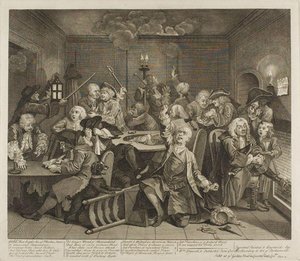
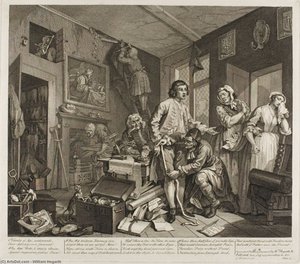
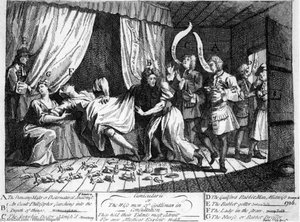
関連作品
作家の略歴
A London Life in Ink and Paint: The World of William Hogarth
William Hogarth, born into the bustling heart of 18th-century London in 1697, was more than just an artist; he was a visual historian, a keen observer of human nature, and a satirical commentator on the societal currents of his age. His life story is inextricably linked to the very fabric of England during a period of significant transformation – its burgeoning ambitions, underlying anxieties, and pervasive hypocrisies all finding potent expression in his remarkably detailed and often biting works. The son of a struggling Latin schoolmaster, Hogarth’s early experiences instilled within him both a love for learning and a sharp awareness of social inequalities, a foundation that would prove crucial to shaping his artistic vision. Initially apprenticed to an engraver, he quickly demonstrated a talent extending beyond mere technical skill; he possessed an innate ability to observe the nuances of human behavior and translate them into compelling visual narratives. However, he chafed against the constraints of traditional engraving, seeking a more expressive outlet for his burgeoning creativity. This led him to studies at both St Martin’s Lane Academy and under Sir James Thornhill, where he honed his skills in painting and composition, absorbing influences that would later inform his unique style.The Birth of Modern Moral Subjects
Hogarth's true innovation lay not simply *what* he painted, but *how*. He pioneered what he termed “modern moral subjects” – series of pictures designed to tell a story, often imbued with a strong satirical edge. These weren’t isolated portraits or landscapes; they were visual novels unfolding before the viewer’s eyes, offering pointed commentary on contemporary society. A Harlot's Progress, created in 1742, stands as perhaps his most famous example. This series of six paintings meticulously follows the tragic downfall of Mary, a young woman arriving in London full of hope but quickly succumbing to the temptations and dangers of city life. Each scene is rendered with painstaking detail, filled with symbolic elements that reveal the moral decay surrounding her. The figures are portrayed with unflinching realism, capturing every gesture and expression with remarkable accuracy—a deliberate departure from idealized depictions prevalent at the time. Similarly, A Rake's Progress, begun in 1733, charts the reckless decline of Tom Rakewell, a man who squanders his inheritance on gambling, debauchery, and ultimately, madness. These weren’t merely cautionary tales; they were unflinching portraits of a society grappling with issues of class, morality, and social mobility. Hogarth's genius resided in his ability to elevate everyday scenes – the bustling streets of London, the opulent interiors of the wealthy, the squalid lives of the poor – into works of art that resonated deeply with his audience. He didn’t shy away from depicting the harsh realities of life, presenting them with a blend of humor and pathos that forced viewers to confront uncomfortable truths about themselves and their society.Technique and Influences: A Synthesis of Styles
Hogarth's artistic style was a unique amalgamation of diverse influences. He greatly admired the realism and narrative detail found in the works of Dutch genre painters like Pieter de Hooch, evident in his meticulous depictions of interiors and everyday life. The expressive dynamism of Rembrandt’s portraits also captivated him—a testament to his ability to convey emotion through subtle shading and composition. Furthermore, Hogarth was profoundly impacted by the writings of Jonathan Swift and Henry Fielding, whose satirical wit served as inspiration for his own social observations. He believed that art should not merely be beautiful but should also serve a moral purpose, challenging viewers to think critically about the world around them and their place within it. His technique was characterized by a masterful use of line and shading, particularly evident in his engravings. He employed a distinctive cross-hatching technique—a painstaking process of intersecting lines—that created depth and texture, bringing his scenes to life with remarkable clarity. This method allowed him to capture the nuances of light and shadow, conveying atmosphere and emotion with unparalleled precision. Beyond visual art, Hogarth’s intellectual curiosity extended into various fields, fostering a broader understanding of human psychology and social dynamics.Major Achievements and Legacy
Hogarth achieved considerable renown during his lifetime for his groundbreaking series of paintings and engravings—most notably *A Harlot's Progress* and *A Rake's Progress*. These works established him as a pioneer of “modern moral subjects,” transforming the genre of visual storytelling and influencing generations of artists to come. His unflinching portrayal of social ills—corruption, poverty, hypocrisy—challenged prevailing societal norms and provoked considerable debate among intellectuals and critics alike. He is widely regarded as one of the most important figures in British art history, celebrated for his innovative style, his masterful technique, and his enduring contribution to the visual arts. As Charles Lamb famously remarked, Hogarth’s images were “like books to be read rather than merely looked at”—a testament to their narrative power and intellectual depth. His legacy continues to inspire artists today who strive to engage audiences with thought-provoking stories that illuminate both beauty and truth. He demonstrated that art could serve as a catalyst for social reform, prompting viewers to confront uncomfortable realities and fostering a deeper appreciation for human dignity.Historical Significance: Reflecting the Enlightenment
Hogarth’s artistic output embodies the spirit of the Enlightenment—a period characterized by intellectual curiosity, rational inquiry, and a commitment to humanist values. He rejected idealized representations of virtue and beauty, favoring instead unflinching depictions of human flaws and failings. This bold stance reflected the broader cultural shift toward questioning traditional authority and embracing empirical observation—a hallmark of the era’s philosophical advancements. By confronting viewers with uncomfortable truths about society, Hogarth challenged them to engage in critical reflection and strive for moral improvement—values that resonated deeply with Enlightenment thinkers and contributed to shaping the intellectual landscape of his time. His work stands as a powerful reminder that art can serve as a vehicle for social commentary and inspire transformative change—a legacy that continues to endure centuries after his death.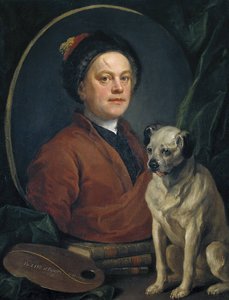
ウィリアム・ホガース
1697 - 1764 , イギリス
プロフィール概要
- Artistic Movement Or Style: 諷刺、写実主義
- Artists Or Movements Influenced By This Artist: ['ジェイムズ・ギルレイ']
- Artists Who Influenced This Artist:
- ピエートル・デ・フーク
- ジョナサン・スウィフト
- Date Of Birth: 1697年
- Date Of Death: 1764年
- Full Name: William Hogarth
- Nationality: イギリス人
- Notable Artworks:
- ヘイラートの進行記
- ラースペルスの進行記
- 結婚式
- Place Of Birth: ロンドン、イギリス