 プレビュー
プレビュー
 プリントを購入
 シェアする
シェアする シェアする
シェアする
 詳細を見る
詳細を見る

 ダウンロード
 似ている作品
 X線調査
X線調査 スライドショー
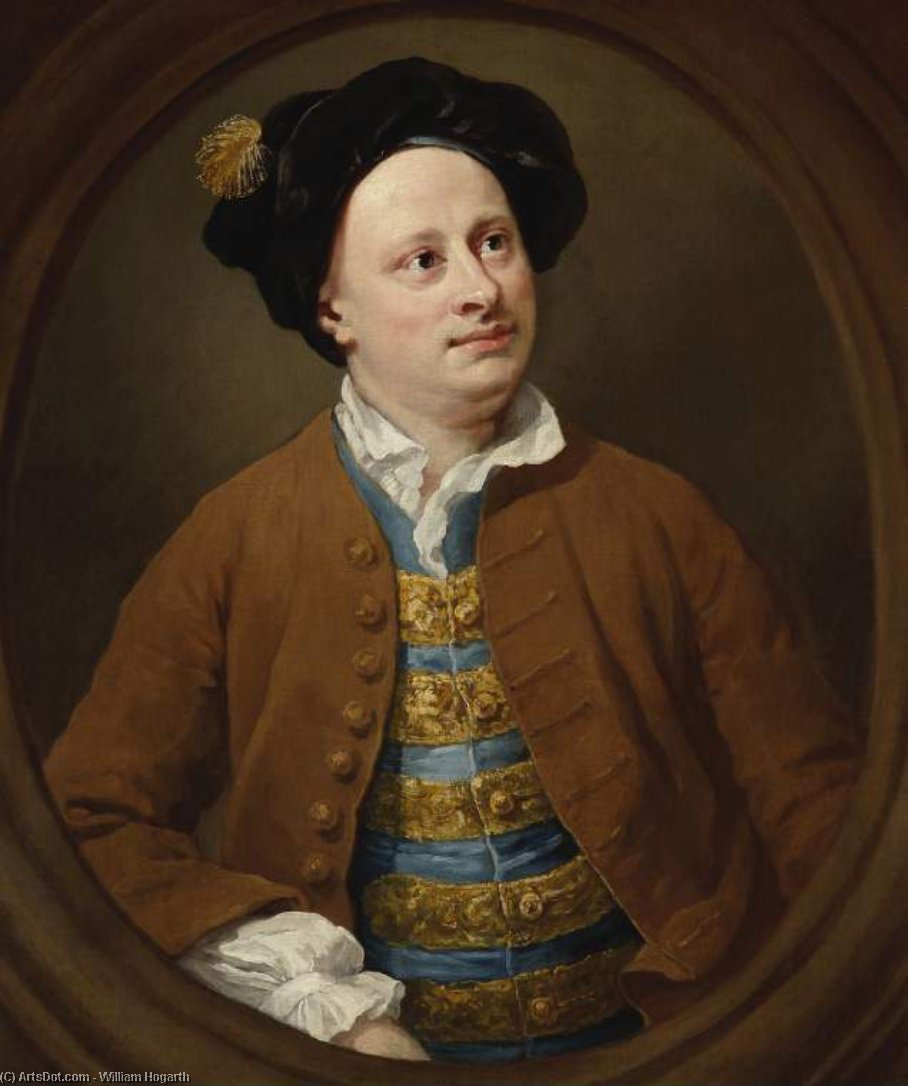
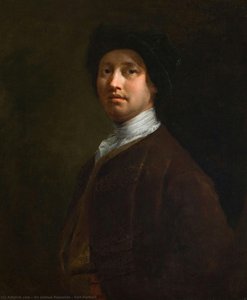
Portrait of Richard James of the Middle Temple


 詳細を見る
詳細を見る




P118B $10

P118H $10

P118W $10

P438Z $10

P508JH $12

P508YH $12

P805H $10

P805Z $10

P919BZ $10

P919G $10

P919XJ $10

P959ZH $10

P968JZ $12

W106C $8

W218G $10

W218JH $8

W218Y $10

W307PJ $10

W316G $10

W316PJ $8

W316Y $10

W398PJ $8

W4111J $10

W500HY $15

W500JH $15

W692G $12

W849H $8

W940BG $15

W953PJ $8




作品のオリジナル比率に合わせた、当店の規定サイズからお選びください。

特定のフレームやスペースに合わせて、ご希望のサイズをご入力いただけます。選択されたサイズが元の画像の比率と異なる場合、アートワークをトリミングするか、手描きで要素を追加して絵画を拡張いたします。デジタルモックアップ を制作し、制作開始前にご確認(承認)をいただきます。
画面上のプレビューは、実際のトリミングや拡張を正確に反映しているものではありません。最終的な構図は、モックアップによってのみ正確にご確認いただけます。
カスタムサイズもご利用いただけますが、元の比率を維持するためには、あらかじめ用意されたリストからサイズを選択することをお勧めいたします。
ご注文後、ArtsDot.com チームより詳細な指示をお送りするとともに、仕上がりイメージ(モックアップ)をご提供いたします。


 ガラスオプションは、110cm未満のサイズでのみご利用いただけます。

Portrait of Richard James of the Middle Temple
複製技法
複製画のサイズ
-


合計金額
$ 263
A Window into 18th-Century London: William Hogarth’s Portrait of Richard James
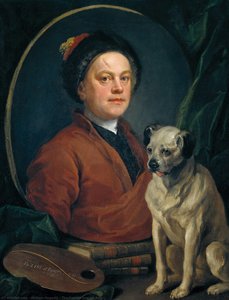
William Hogarth's "Portrait of Richard James of the Middle Temple" is more than just a likeness; it’s a meticulously crafted snapshot of a specific time and place, offering a rare glimpse into the world of English law and social standing in the mid-18th century. Painted in 1735, this oil on canvas work transcends mere portraiture, revealing Hogarth's masterful ability to capture not only physical appearance but also character, profession, and the subtle nuances of societal expectation. The painting resides within the collection of the Fitzwilliam Museum in Cambridge (PD.116-1992), a testament to its enduring artistic merit and historical significance.The Man and His Profession
Richard James himself was a prominent figure within the Middle Temple, one of the four prestigious Inns of Court that governed the training and licensing of barristers in London. The portrait immediately establishes his status through several key elements: the formal attire – the crisp white wig, the dark robe signifying membership, and the carefully arranged black coat – all speak to respectability and authority within the legal profession. Hogarth doesn’t simply depict a man; he presents an embodiment of the ideal barrister, projecting an image of diligence, intellect, and adherence to established norms. The inclusion of books and legal documents surrounding James subtly reinforces his role as a learned scholar and practitioner of law – a profession deeply rooted in education and precedent.Hogarth’s Signature Style: Satire and Observation
To understand the full impact of “Portrait of Richard James,” it's crucial to recognize William Hogarth’s distinctive artistic approach. He wasn’t merely a painter of likenesses; he was a keen social observer, employing his art as a form of satirical commentary on contemporary life. While this particular portrait leans towards a more traditional representation than some of his earlier, overtly critical works, the underlying principles of Hogarthian observation are still evident. He meticulously details every element – the texture of the fabric, the sheen of the wig, the arrangement of objects – to create a remarkably realistic and engaging scene. His use of light and shadow adds depth and drama, drawing the viewer’s eye to James's face and conveying a sense of quiet dignity. The composition itself is carefully considered, guiding the viewer’s gaze across the portrait and reinforcing the subject’s importance.Rococo Roots and London’s Social Fabric
Stylistically, the portrait aligns with the Rococo period, characterized by its elegance, ornamentation, and emphasis on beauty and refinement. However, Hogarth subtly infuses this style with his own unique vision. The background, though relatively simple, provides context – a suggestion of a study or office space—reflecting James’s professional environment. The painting also offers a valuable window into the social fabric of 18th-century London. The Middle Temple itself was a vital institution, shaping legal precedent and influencing the course of English law. By immortalizing Richard James within this setting, Hogarth provides a tangible link to a pivotal period in British history.A Reproduction Worth Cherishing
At ArtsDot.com, we are proud to offer meticulously crafted hand-painted reproductions of “Portrait of Richard James of the Middle Temple.” Our artists replicate Hogarth’s techniques and materials with painstaking attention to detail, ensuring that each reproduction captures the essence of the original painting – its realism, its subtle nuances, and its historical significance. Whether you're an art collector, a history enthusiast, or simply seeking a stunning piece for your home, this reproduction offers a beautiful and authentic representation of a remarkable work of art. Explore our collection today to bring this captivating portrait into your space.関連作品
アーティストの略歴
A London Life in Ink and Paint: The World of William Hogarth
William Hogarth, born into the bustling heart of 18th-century London in 1697, was more than just an artist; he was a visual historian, a keen observer of human nature, and a satirical commentator on the societal currents of his age. His life story is inextricably linked to the very fabric of England during a period of significant transformation – its burgeoning ambitions, underlying anxieties, and pervasive hypocrisies all finding potent expression in his remarkably detailed and often biting works. The son of a struggling Latin schoolmaster, Hogarth’s early experiences instilled within him both a love for learning and a sharp awareness of social inequalities, a foundation that would prove crucial to shaping his artistic vision. Initially apprenticed to an engraver, he quickly demonstrated a talent extending beyond mere technical skill; he possessed an innate ability to observe the nuances of human behavior and translate them into compelling visual narratives. However, he chafed against the constraints of traditional engraving, seeking a more expressive outlet for his burgeoning creativity. This led him to studies at both St Martin’s Lane Academy and under Sir James Thornhill, where he honed his skills in painting and composition, absorbing influences that would later inform his unique style.The Birth of Modern Moral Subjects
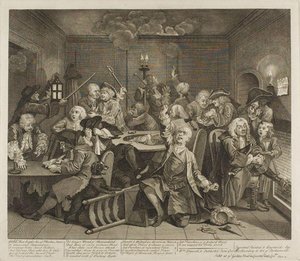
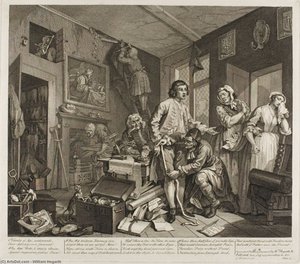
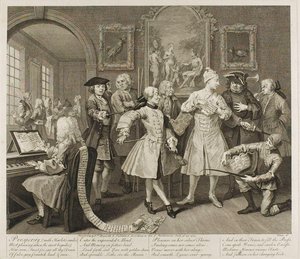
Hogarth's true innovation lay not simply *what* he painted, but *how*. He pioneered what he termed “modern moral subjects” – series of pictures designed to tell a story, often imbued with a strong satirical edge. These weren’t isolated portraits or landscapes; they were visual novels unfolding before the viewer’s eyes, offering pointed commentary on contemporary society. A Harlot's Progress, created in 1742, stands as perhaps his most famous example. This series of six paintings meticulously follows the tragic downfall of Mary, a young woman arriving in London full of hope but quickly succumbing to the temptations and dangers of city life. Each scene is rendered with painstaking detail, filled with symbolic elements that reveal the moral decay surrounding her. The figures are portrayed with unflinching realism, capturing every gesture and expression with remarkable accuracy—a deliberate departure from idealized depictions prevalent at the time. Similarly, A Rake's Progress, begun in 1733, charts the reckless decline of Tom Rakewell, a man who squanders his inheritance on gambling, debauchery, and ultimately, madness. These weren’t merely cautionary tales; they were unflinching portraits of a society grappling with issues of class, morality, and social mobility. Hogarth's genius resided in his ability to elevate everyday scenes – the bustling streets of London, the opulent interiors of the wealthy, the squalid lives of the poor – into works of art that resonated deeply with his audience. He didn’t shy away from depicting the harsh realities of life, presenting them with a blend of humor and pathos that forced viewers to confront uncomfortable truths about themselves and their society.Technique and Influences: A Synthesis of Styles
Hogarth's artistic style was a unique amalgamation of diverse influences. He greatly admired the realism and narrative detail found in the works of Dutch genre painters like Pieter de Hooch, evident in his meticulous depictions of interiors and everyday life. The expressive dynamism of Rembrandt’s portraits also captivated him—a testament to his ability to convey emotion through subtle shading and composition. Furthermore, Hogarth was profoundly impacted by the writings of Jonathan Swift and Henry Fielding, whose satirical wit served as inspiration for his own social observations. He believed that art should not merely be beautiful but should also serve a moral purpose, challenging viewers to think critically about the world around them and their place within it. His technique was characterized by a masterful use of line and shading, particularly evident in his engravings. He employed a distinctive cross-hatching technique—a painstaking process of intersecting lines—that created depth and texture, bringing his scenes to life with remarkable clarity. This method allowed him to capture the nuances of light and shadow, conveying atmosphere and emotion with unparalleled precision. Beyond visual art, Hogarth’s intellectual curiosity extended into various fields, fostering a broader understanding of human psychology and social dynamics.Major Achievements and Legacy
Hogarth achieved considerable renown during his lifetime for his groundbreaking series of paintings and engravings—most notably *A Harlot's Progress* and *A Rake's Progress*. These works established him as a pioneer of “modern moral subjects,” transforming the genre of visual storytelling and influencing generations of artists to come. His unflinching portrayal of social ills—corruption, poverty, hypocrisy—challenged prevailing societal norms and provoked considerable debate among intellectuals and critics alike. He is widely regarded as one of the most important figures in British art history, celebrated for his innovative style, his masterful technique, and his enduring contribution to the visual arts. As Charles Lamb famously remarked, Hogarth’s images were “like books to be read rather than merely looked at”—a testament to their narrative power and intellectual depth. His legacy continues to inspire artists today who strive to engage audiences with thought-provoking stories that illuminate both beauty and truth. He demonstrated that art could serve as a catalyst for social reform, prompting viewers to confront uncomfortable realities and fostering a deeper appreciation for human dignity.Historical Significance: Reflecting the Enlightenment
Hogarth’s artistic output embodies the spirit of the Enlightenment—a period characterized by intellectual curiosity, rational inquiry, and a commitment to humanist values. He rejected idealized representations of virtue and beauty, favoring instead unflinching depictions of human flaws and failings. This bold stance reflected the broader cultural shift toward questioning traditional authority and embracing empirical observation—a hallmark of the era’s philosophical advancements. By confronting viewers with uncomfortable truths about society, Hogarth challenged them to engage in critical reflection and strive for moral improvement—values that resonated deeply with Enlightenment thinkers and contributed to shaping the intellectual landscape of his time. His work stands as a powerful reminder that art can serve as a vehicle for social commentary and inspire transformative change—a legacy that continues to endure centuries after his death.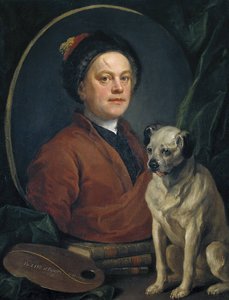
ウィリアム・ホガース
1697 - 1764 , イギリス
基本情報
- Artistic Movement Or Style: 諷刺、写実主義
- Artists Or Movements Influenced By This Artist: ['ジェイムズ・ギルレイ']
- Artists Who Influenced This Artist:
- ピエートル・デ・フーク
- ジョナサン・スウィフト
- Date Of Birth: 1697年
- Date Of Death: 1764年
- Full Name: William Hogarth
- Nationality: イギリス人
- Notable Artworks:
- ヘイラートの進行記
- ラースペルスの進行記
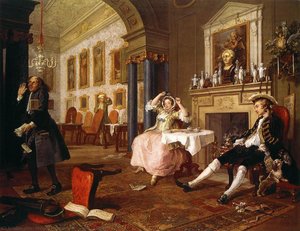
- 結婚式
- Place Of Birth: ロンドン、イギリス
関連記事

Sir Alfred Munnings' Masterpieces: 25 Paintings That Define Equine Art | ArtsDot
Explore 25 iconic Sir Alfred Munnings paintings! Discover the beauty of British Impressionism, equine art & rural England. Find museum-quality reproductions and elevate your home decor with ArtsDot. Explore the full collection online.
ジェームズ・マクニール・ホイストラー:至高の25選 - 美と調和を求めた芸術家の軌跡 | ArtsDot
ジェームズ・マクニール・ホイストラーの至高の25選。ノクターン、印象派、美しい色彩に満ちた作品群を紐解きます。ArtsDotで高品質なアートプリントとインテリアをお楽しみください。名画の世界へ – ArtsDot.com
William Hogarth: Satire, Social Commentary & the Birth of Modern British Art
Explore the satirical world of William Hogarth, pioneering British painter & engraver. Discover his iconic works like *A Rake's Progress* and insightful social commentary on 18th-century London life.
William Trost Richards: Luminism, Spirituality & the American Landscape Tradition
Explore the captivating landscapes of William Trost Richards, a master of Luminism associated with both the Hudson River School & American Pre-Raphaelite movements. Discover his spiritual connection to nature and lasting influence on American art.
James Ward: A Study in British Romantic Landscape and Animal Painting
Explore the captivating world of James Ward (1769-1859), a master of British Romantic landscape & animal painting. Discover his iconic 'Gordale Scar' and exquisite portraits – a timeless art investment. Learn about his influences, style, and enduring legacy.