


 プレビュー
プレビュー
 プリントを購入
 シェアする
シェアする シェアする
シェアする
 詳細を見る
詳細を見る

 ダウンロード
 似ている作品
 X線調査
X線調査 スライドショー
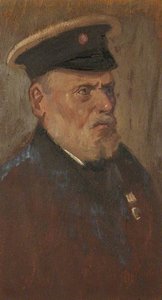
A Burmese Priest The Call to Prayer
 85.0 x 65.0 cm
 Bristol Museum - Art Gallery
 詳細を見る
詳細を見る
オンラインプレビューをはるかに凌ぐ、高解像度で鮮明なデジタル画像をご購入いただけます。
各ファイルは、社内の専門家が高度なツールと熟練した手作業によるレタッチを用いて、細心の注意を払って準備されています。すべての画像において、卓越した鮮明度、正確な色彩再現性、そして繊細なディテールを保証いたします。
最終ファイルは、プロフェッショナルな編集・印刷環境ですぐにご利用いただけるよう最適化された状態で、72時間以内にメールにてお届けいたします。これは、一流のデザインスタジオ、出版社、ギャラリーから信頼されているものと同等の品質です。
デジタル画像のご注文に付随する特典
高品質なデジタル画像配信を、確かな品質で。
ArtsDot.com を選ぶことは、単に画像を手に入れることではありません。それは、プロの手によって精密に仕上げられ、満足保証が付いた高品質なデジタルアートワークを受け取ることを意味します。ご注文いただいた際に自動的に付随する内容は、以下の通りです:

メールですぐにお届け
ご注文から72時間以内に、高解像度のデジタル画像ファイルがメールでお手元に届きます。すぐにそのままご利用いただけます。

AI技術で最適化されたデジタルファイル
お客様の作品は、高度なAIツールと専門家による手作業の編集を組み合わせてプロフェッショナルに最適化されており、細部のディテール、鮮明さ、そして正確な色再現性を最大限に引き出しています。

一生涯無料の再送サービス
ファイルを誤って削除したり、紛失してしまったりしましたか?ご安心ください。いつでも無料で再送いたします。

輸入手数料は一切かかりません
関税や手数料、配送料を気にすることなく、お気に入りのアートワークをすぐにお楽しみいただけます。デジタルダウンロードは常に免税です。

色彩再現の保証
プロ仕様のツールとカラーマネジメント技術を用いることで、デジタル画像が元の色を最大限に忠実に再現することを保証いたします。

60日間満足保証
ご購入いただいたデジタル画像にご満足いただけない場合は、60日以内であれば、修正または100%の返金(理由を問う必要はありません)をさせていただきます。

100% 返金保証
ご満足いただけない場合は、デジタルファイルを受け取ってから60日以内であれば、理由を問わず全額返金いたします。

まとめ買い割引
3枚購入で10%OFF - 5枚購入で15%OFF - 10枚以上購入で20%OFF。クリエイティブなプロジェクト、ギャラリー、エージェンシーに最適です。
関連作品








作家の略歴
A Chronicler of a Changing Bristol: The Life and Art of William Holt Yates Titcomb
William Holt Yates Titcomb, often signing his works as W.H.Y. Titcomb or simply Titcombe, remains a fascinating figure in the pantheon of Victorian and Edwardian British artists. Born in 1858, Titcomb dedicated his artistic career to documenting the bustling life of Bristol, England – a city undergoing rapid industrialization and social transformation. While not widely known outside of regional collections and enthusiasts, his paintings offer an invaluable visual record of a specific time and place, imbued with both meticulous detail and a palpable sense of atmosphere. He wasn’t merely painting *what* he saw; he was capturing the very spirit of Bristol's evolution, from its maritime heritage to the rise of steam power and the everyday lives of its inhabitants.Early Life and Artistic Training
Details regarding Titcomb’s early life are somewhat scarce, a common fate for artists who prioritized production over self-promotion. However, it is known that he received formal artistic training, though the exact institutions remain undocumented. His style suggests an academic grounding, evident in his precise draftsmanship and understanding of light and shadow. He quickly gravitated towards watercolor as his preferred medium, a choice perfectly suited to capturing the nuances of Bristol’s often-misty climate and the reflective surfaces of its docks and waterways. The influence of earlier topographical artists is discernible in his early works, but Titcomb soon developed a distinctive voice, moving beyond mere documentation to embrace a more narrative approach. He wasn't simply recording buildings; he was illustrating the stories unfolding within them.Bristol as Muse: Themes and Techniques
Titcomb’s artistic output is overwhelmingly focused on Bristol and its surrounding areas. His paintings depict scenes of the docks teeming with activity, the iconic Clifton Suspension Bridge shrouded in fog, bustling streetscapes filled with horse-drawn carriages and pedestrians, and the grand architecture of the city's historic buildings. A recurring theme in his work is the impact of industrialization. He frequently depicted steam engines – particularly those used in the Wills Tobacco factories – not as symbols of progress alone, but also as powerful forces reshaping the urban landscape and the lives of working people. His technique is characterized by a remarkable level of detail, achieved through careful layering of watercolor washes and precise brushwork. He possessed an exceptional ability to render light reflecting off water, glass, and metal surfaces, creating a sense of realism that draws the viewer into the scene. Beyond technical skill, Titcomb’s paintings are notable for their atmospheric quality – he masterfully captured the mood and character of Bristol, from the bright sunshine of summer days to the gloom of winter evenings. He often included figures in his compositions, adding a human element to his depictions of urban life. These aren't portraits, but rather glimpses into the everyday routines of Bristolians.Beyond Industry: Historical and Religious Subjects
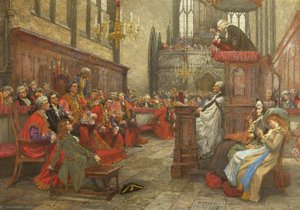
While best known for his industrial scenes, Titcomb also explored historical and religious subjects, often with a local connection. One notable example is his painting depicting John Wesley preaching in Bristol, capturing a pivotal moment in the city’s Methodist history. This work demonstrates his ability to handle larger-scale compositions and portray human drama effectively. He wasn't limited to contemporary scenes; he actively engaged with Bristol’s past, seeking to visually represent its rich heritage. These historical paintings often served as commissions for local institutions or private collectors, further solidifying his reputation within the community.Legacy and Historical Significance
William Holt Yates Titcomb died in 1930, leaving behind a substantial body of work that provides a unique window into the life of Victorian and Edwardian Bristol. Though he never achieved widespread fame during his lifetime, his paintings have gained increasing recognition in recent years as historians and art enthusiasts appreciate their historical value and artistic merit. His works are now held in numerous public and private collections, including those of the Bristol Museum & Art Gallery.- A Visual Archive: Titcomb’s paintings serve as an invaluable visual archive of a city undergoing rapid change, documenting buildings, industries, and social customs that have since disappeared.
- Social Commentary: His depictions of industrial life offer subtle but insightful commentary on the impact of technology on working-class communities.
- Local Pride: Titcomb’s unwavering focus on Bristol reflects a deep sense of local pride and a commitment to preserving the city’s unique character.
- Atmospheric Realism: His masterful use of watercolor and his ability to capture atmospheric effects continue to captivate viewers today.
william holt yates titcomb
1858 - 1930

