

 プレビュー
プレビュー
 プリントを購入
 シェアする
シェアする シェアする
シェアする
 詳細を見る
詳細を見る

 ダウンロード
 似ている作品
 X線調査
X線調査 スライドショー
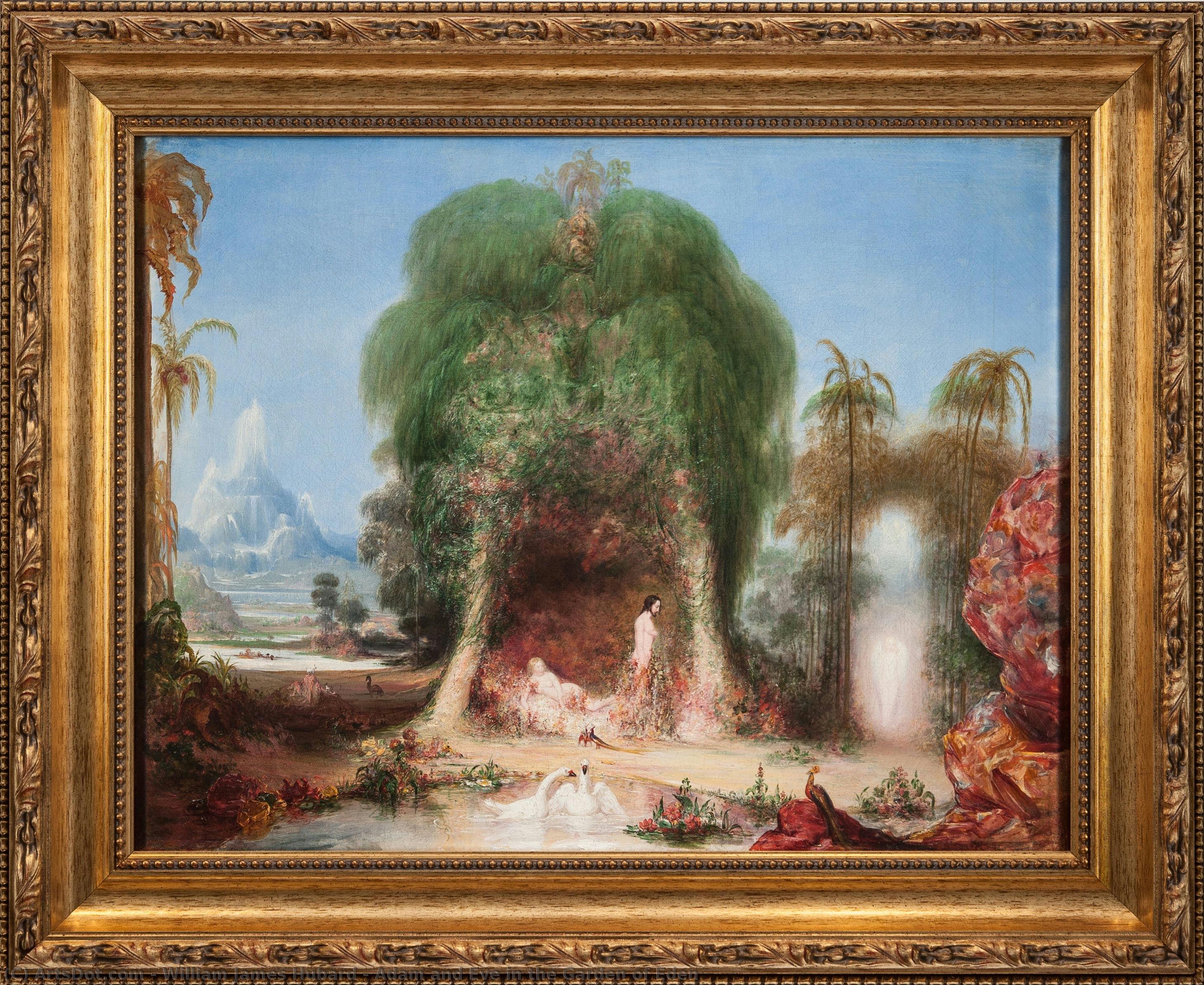
Adam and Eve in the Garden of Eden


 詳細を見る
詳細を見る
オンラインプレビューをはるかに凌ぐ、高解像度で鮮明なデジタル画像をご購入いただけます。
各ファイルは、社内の専門家が高度なツールと熟練した手作業によるレタッチを用いて、細心の注意を払って準備されています。すべての画像において、卓越した鮮明度、正確な色彩再現性、そして繊細なディテールを保証いたします。
最終ファイルは、プロフェッショナルな編集・印刷環境ですぐにご利用いただけるよう最適化された状態で、72時間以内にメールにてお届けいたします。これは、一流のデザインスタジオ、出版社、ギャラリーから信頼されているものと同等の品質です。
デジタル画像のご注文に付随する特典
高品質なデジタル画像配信を、確かな品質で。
ArtsDot.com を選ぶことは、単に画像を手に入れることではありません。それは、プロの手によって精密に仕上げられ、満足保証が付いた高品質なデジタルアートワークを受け取ることを意味します。ご注文いただいた際に自動的に付随する内容は、以下の通りです:

メールですぐにお届け
ご注文から72時間以内に、高解像度のデジタル画像ファイルがメールでお手元に届きます。すぐにそのままご利用いただけます。

AI技術で最適化されたデジタルファイル
お客様の作品は、高度なAIツールと専門家による手作業の編集を組み合わせてプロフェッショナルに最適化されており、細部のディテール、鮮明さ、そして正確な色再現性を最大限に引き出しています。

一生涯無料の再送サービス
ファイルを誤って削除したり、紛失してしまったりしましたか?ご安心ください。いつでも無料で再送いたします。

輸入手数料は一切かかりません
関税や手数料、配送料を気にすることなく、お気に入りのアートワークをすぐにお楽しみいただけます。デジタルダウンロードは常に免税です。

色彩再現の保証
プロ仕様のツールとカラーマネジメント技術を用いることで、デジタル画像が元の色を最大限に忠実に再現することを保証いたします。

60日間満足保証
ご購入いただいたデジタル画像にご満足いただけない場合は、60日以内であれば、修正または100%の返金(理由を問う必要はありません)をさせていただきます。

100% 返金保証
ご満足いただけない場合は、デジタルファイルを受け取ってから60日以内であれば、理由を問わず全額返金いたします。

まとめ買い割引
3枚購入で10%OFF - 5枚購入で15%OFF - 10枚以上購入で20%OFF。クリエイティブなプロジェクト、ギャラリー、エージェンシーに最適です。
The Genesis of Innocence and Fall
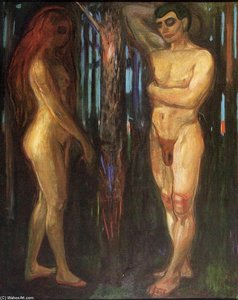
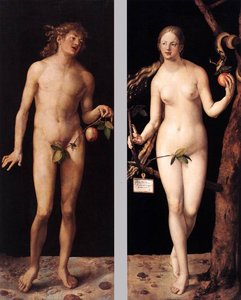
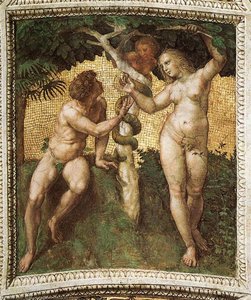
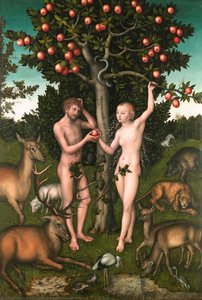
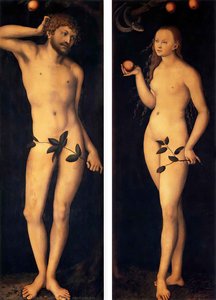
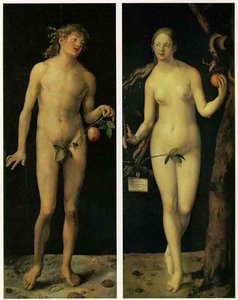
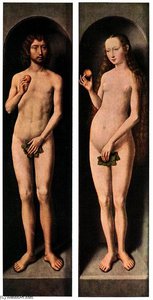
Adam and Eve in the Garden of Eden is a profound visual meditation on one of humanity's most enduring narratives. Painted by the skilled British artist William James Hubard in 1847, this large-scale oil on canvas captures the pivotal moment of transition from divine grace to mortal consequence. The composition centers on the first man and woman, positioned with an intimate closeness that suggests both their shared destiny and the heavy weight of their impending exile. As they stand amidst a lush, verdant landscape, the painting breathes life into the biblical account of Genesis, inviting the viewer to witness the precise second where curiosity overcomes obedience. The surrounding flora is not merely a backdrop but a living, breathing participant in the drama, with dense foliage and sprawling trees creating a sanctuary that feels both infinite and claustrophobic as the shadow of the serpent looms.Mastery of Light and Naturalistic Detail
Hubard, often celebrated for his precision and ability to capture likeness, employs a masterful technique here to evoke the tranquil yet tension-filled atmosphere of Eden. The artist utilizes a rich palette of deep greens, earthy browns, and soft, ethereal light to build a sense of profound depth. Through careful brushwork, the textures of the skin, the delicate veins of leaves, and the rugged bark of ancient trees are rendered with such clarity that the scene feels tangibly real. This naturalistic approach serves a higher purpose: by grounding the mythological figures in a believable, tactile world, Hubard heightens the emotional stakes of the narrative. The balance of the composition—where the central figures act as an anchor for the swirling, intricate details of the garden—guides the eye through a labyrinth of botanical beauty, discovering smaller creatures and hidden elements that suggest a world teeming with life before the arrival of sin.A Timeless Symbolism for the Modern Collector
For the discerning collector or interior designer, this piece offers much more than mere decoration; it provides a window into the human condition. The symbolism embedded within the canvas—the forbidden fruit, the serpent's subtle presence, and the burgeoning shame reflected in the figures' posture—resonates across centuries. It is a work that speaks to themes of temptation, loss, and the enduring complexity of morality. Incorporating a high-quality reproduction of this masterpiece into a curated space adds a layer of intellectual and emotional depth. Whether placed in a grand library or a contemplative study, the painting serves as a powerful focal point that invites conversation and reflection. Its ability to evoke both the serenity of a lost paradise and the gravity of human choice makes it an incomparable addition to any collection seeking to blend historical significance with profound aesthetic beauty.
作家の略歴
The Scissors Artist: The Extraordinary Life of William James Hubard
In the flickering candlelight of the early nineteenth century, a new kind of magic was unfolding in the galleries of Boston and London—a magic born not from a brush, but from the sharp, decisive edge of a pair of scissors. At the heart of this phenomenon was William James Hubard, an artist whose name became synonymous with a breathtakingly precise form of portraiture known as silhouette cutting. Born in 1807 in Warwick, England, Hubard was a child prodigy whose destiny was shaped by an uncanny ability to translate the human profile into delicate paper cutouts. By the age of twelve, his talent had already begun to garner attention, and by seventeen, he was recognized as a master of his craft, possessing a dexterity that allowed him to capture a likeness with such speed and accuracy that spectators often mistook his paper works for fine paintings.
Hubard’s journey was one of movement and transformation, spanning the Atlantic and bridging the gap between different artistic disciplines. His arrival in the United States in 1824 marked the beginning of a sensational period in American art history. Establishing the Hubard Gallery in Boston, he presented a collection that defied the conventional boundaries of the era. Visitors were mesmerized by his ability to produce intricate profiles—ranging from animals to landscapes and caricatures—all executed without the aid of complex machinery. This period of his life was defined by a sense of wonder; the press frequently raved about his skill, noting that he could procure an accurate profile in mere seconds, a feat of manual precision that felt almost supernatural to the Victorian observer.
From Silhouette to Canvas: An Artistic Evolution
While the world first fell in love with Hubard the silhouettist, the artist himself harbored deeper ambitions that reached beyond the limits of paper and blade. As his career progressed, particularly after a period spent in London between 1826 and 1828, Hubard began to transition toward more traditional mediums. Influenced by the grander traditions of oil painting and sculpture, he sought to expand his repertoire to include historical scenes and full-scale portraits. There is much debate among historians regarding his influences during this formative time, with suggestions that he may have studied under luminaries such as Gilbert Stuart or Thomas Sully. This evolution saw him moving away from the rapid-fire precision of the scissors toward the more deliberate, textured world of canvas and pigment.
This transition was not without its challenges. While his silhouettes were celebrated for their unerring accuracy, his later works in oil painting were sometimes viewed through a more critical lens, with some contemporary critics finding his execution more ordinary than his earlier, miraculous paper cuts. Yet, this shift represents the true spirit of Hubard’s artistry: a restless pursuit of growth and a refusal to be confined by the very fame that had initially crowned him. He moved through cities like New York, Philadelphia, and Baltimore, leaving behind a trail of works that reflected a maturing artist grappling with the complexities of light, shadow, and historical narrative.
A Lasting Legacy in the Victorian Era
The significance of William James Hubard extends far beyond the technical mastery of his silhouettes. He was a pivotal figure in the cultural landscape of the nineteenth century, embodying the era's fascination with precision, observation, and the democratization of portraiture. Through his gallery, he provided a way for the public to see themselves reflected in art, creating a sense of intimacy that traditional oil portraiture could rarely achieve. His work remains a vital window into the social fabric of both England and America during the Federal and Victorian periods.
Today, Hubard’s contributions are preserved in some of the most prestigious institutions in the world, ensuring that his "scissors magic" is never forgotten. His legacy can be seen in:
- The National Portrait Gallery (Washington, D.C.): Housing significant works that capture the essence of early American figures.
- The Smithsonian Institution: Preserving the historical context of his multifaceted career as a painter and sculptor.
- The Valentine Museum (Richmond, VA): Maintaining collections that highlight his impact on the Southern art scene.
Ultimately, William James Hubard remains a singular figure—a man who could capture the soul of a person with a single, swift movement of a blade, and who spent the rest of his life trying to capture the grandeur of the world through the much more difficult medium of paint.
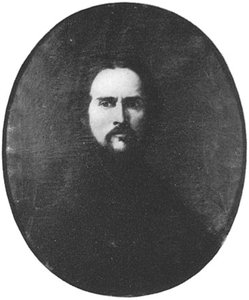
William James Hubard
1807 - 1862 , United Kingdom
プロフィール概要
- Artistic Movement Or Style: Romantic Realism
- Artists Or Movements Influenced By This Artist: ['Silhouette']
- Artists Who Influenced This Artist: ['Jean Houdon']
- Date Of Birth: 1807
- Full Name: William James Hubard
- Nationality: British
- Notable Artworks:
- Adam and Eve in the Garden of Eden
- Knole House
- Place Of Birth: England

