

 プレビュー
プレビュー
 プリントを購入
 シェアする
シェアする シェアする
シェアする
 詳細を見る
詳細を見る

 ダウンロード
 似ている作品
 X線調査
X線調査 スライドショー
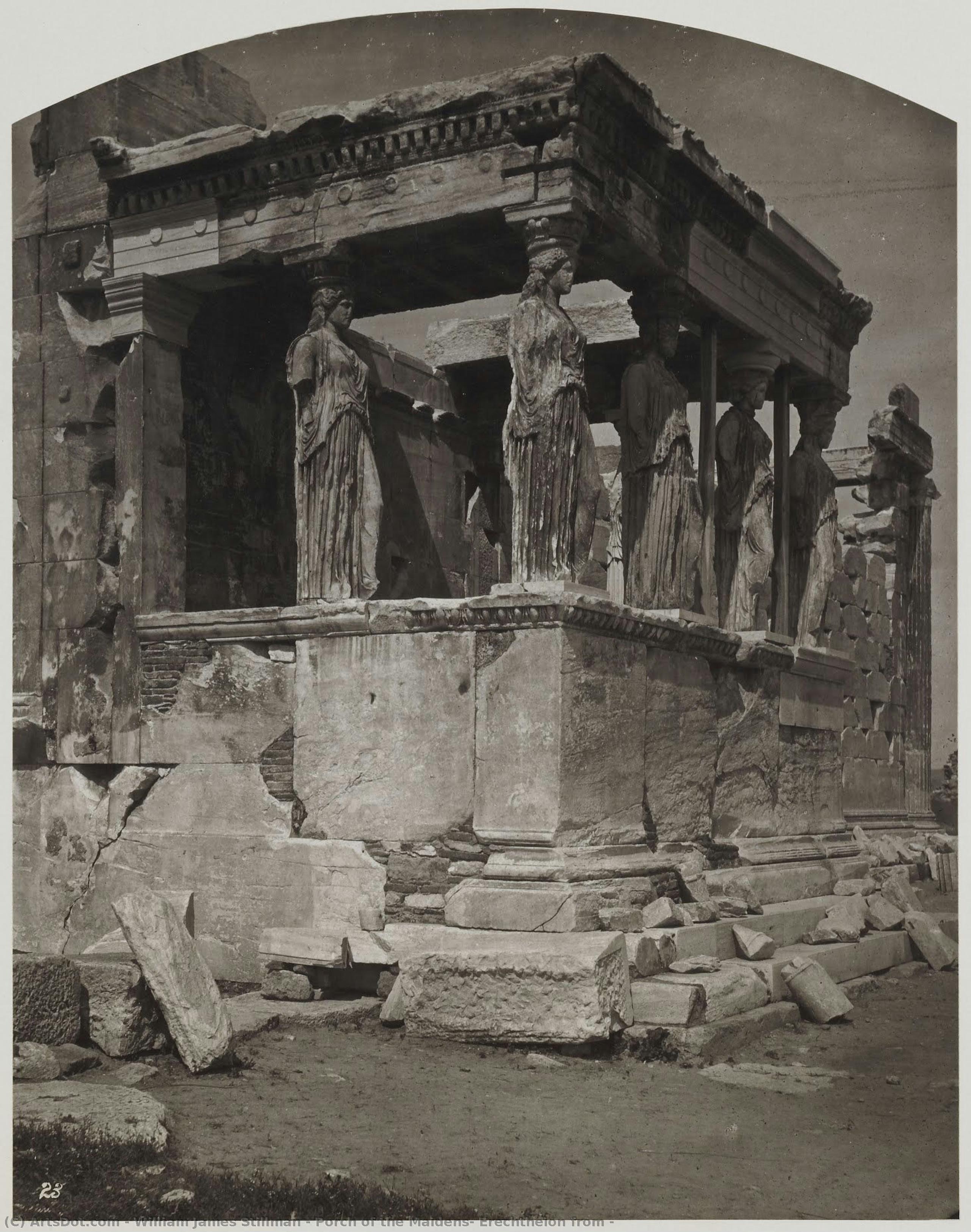
Porch of the Maidens, Erechtheion from
 Documentary Photography
 24.0 x 18.0 cm
 Michael C. Carlos Museum
 詳細を見る
詳細を見る




































作品のオリジナル比率に合わせた、当店の規定サイズからお選びください。

特定のフレームやスペースに合わせて、ご希望のサイズをご入力いただけます。選択されたサイズが元の画像の比率と異なる場合、アートワークをトリミングするか、手描きで要素を追加して絵画を拡張いたします。デジタルモックアップ を制作し、制作開始前にご確認(承認)をいただきます。
画面上のプレビューは、実際のトリミングや拡張を正確に反映しているものではありません。最終的な構図は、モックアップによってのみ正確にご確認いただけます。
カスタムサイズもご利用いただけますが、元の比率を維持するためには、あらかじめ用意されたリストからサイズを選択することをお勧めいたします。
ご注文後、ArtsDot.com チームより詳細な指示をお送りするとともに、仕上がりイメージ(モックアップ)をご提供いたします。


 ガラスオプションは、110cm未満のサイズでのみご利用いただけます。

Porch of the Maidens, Erechtheion from
複製技法
複製画のサイズ
-


合計金額
$ 263
関連作品
アーティストの略歴
A Life Interwoven with Art, Journalism, and Vision
William James Stillman, born in Schenectady, New York, in 1828, was a figure of remarkable versatility—a painter who became a pioneering photographer, a journalist embedded in the heart of political upheaval, and a diplomat navigating the complexities of international relations. His life wasn’t confined to a single discipline; rather, it was a dynamic interplay between artistic sensibility, intellectual curiosity, and a deep engagement with the world around him. Raised within the strict confines of a Seventh-day Baptist upbringing, Stillman's early exposure to religious thought instilled in him a profound sense of moral purpose that would permeate his later endeavors. His formal education at Union College provided a foundation for his diverse pursuits, but it was his subsequent artistic training under Frederic Edwin Church that initially set him on a path toward creative expression. However, this path soon diverged, leading him to England and an encounter with the Pre-Raphaelite movement—a pivotal moment that would indelibly shape his aesthetic vision.The Embrace of Pre-Raphaelitism and Early Artistic Explorations
England in the 1850s proved transformative for Stillman. Immersed in the artistic ferment surrounding figures like John Ruskin, J.M.W. Turner, Dante Gabriel Rossetti, and John Everett Millais, he became known as the “American Pre-Raphaelite.” This wasn’t merely a stylistic adoption; it was an embrace of the movement's core tenets—a rejection of academic convention in favor of meticulous detail, vibrant color, and a return to the perceived purity of art before Raphael. Stillman’s early paintings reflect this influence, demonstrating a commitment to naturalism and a romantic sensibility. Yet, even as he explored painting, his interests were broadening. A seemingly improbable assignment from Lajos Kossuth in 1852—described by some as a “fool's errand” to Hungary—marked the beginning of his journalistic career. This foray into reportage ignited a passion for witnessing and documenting events firsthand, a skill that would define much of his subsequent life. He briefly studied art further in Paris under Yvon before returning to the United States and establishing *The Crayon*, one of America’s first art magazines, which attracted contributions from prominent literary figures like Henry Wadsworth Longfellow and Charles Eliot Norton.Diplomacy, Conflict, and a Pioneer's Lens
Stillman’s life took another unexpected turn with his appointment as United States Consul in Rome in 1861. This diplomatic posting provided him access to the rich artistic heritage of Italy, but it was short-lived; he resigned following a disagreement with his government. His subsequent assignment to Crete during the Cretan insurrections proved far more challenging and deeply impactful. He became an outspoken advocate for Christian rights and Cretan independence, placing himself in direct opposition to both Muslim populations and Turkish authorities. This period solidified his role as not just an observer but an active participant in the political landscape. It was also during this time that Stillman began to seriously explore photography, recognizing its potential as a tool for documentation and artistic expression. He pioneered art photography, particularly through his meticulous documentation of the Athenian Acropolis. His series of photographs, first published privately in 1870 and rephotographed in 1882 with the assistance of John Henry Haynes, were remarkable for their artistic sensibility and technical skill—a testament to his Ruskinian ideals, scientific perspective, and deep appreciation for Greek landscape and ancient ruins.A Multifaceted Legacy: Words, Images, and Mentorship
In later life, Stillman continued to blend his diverse interests. He served as editor of *Scribner's Magazine* and as a correspondent for *The Times*, reporting from Athens and Rome for extended periods. His literary output was prolific, encompassing books on the Cretan insurrection, photography, Ulysses’ journey, and Italian history—including biographies of figures like Francesco Crispi. Though he often considered himself primarily a writer, his photographic work remains arguably his most enduring legacy. He trained the young Arthur Evans, who would become a renowned archaeologist famed for his excavations at Knossos, forging a lifelong friendship and mentorship that profoundly influenced Evans’ career. Stillman's ability to seamlessly integrate artistic vision with journalistic observation and diplomatic service was unique. He died in Frimley Green, England, in 1901, leaving behind a body of work that reflects the breadth of his intellectual curiosity and unwavering commitment to documenting the world around him. His photographs are celebrated for their aesthetic quality and modern perspective, while his writings offer invaluable insights into the political and cultural landscape of the 19th century. He stands as a testament to the power of interdisciplinary exploration and the enduring impact of a life lived with passion and purpose.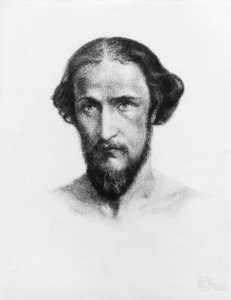
William James Stillman
1828 - 1901 , United States of America
基本情報
- Artistic Movement Or Style: Pre-Raphaelite
- Artists Or Movements Influenced By This Artist: ['Arthur Evans']
- Artists Who Influenced This Artist:
- Ruskin
- Turner
- Rossetti
- Millais
- Date Of Birth: 1828
- Date Of Death: 1901
- Full Name: William James Stillman
- Nationality: American
- Notable Artworks:
- Porch of the Maidens
- Western Facade Parthenon
- Interior Parthenon Gate
- Place Of Birth: Schenectady, USA
関連記事
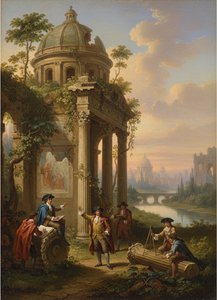
Hubert Robert: Picturing Ruins, Preserving Memory – A Study of Romantic Antiquarianism & Artistic Innovation
Explore the captivating world of Hubert Robert, master of Romantic landscape painting & 'capriccio' ruins. Discover his historical context, artistic innovations, and collecting insights with ArtsDot.
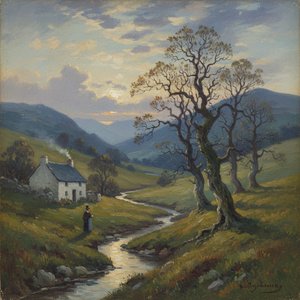
Penry Williams: Evoking Welsh Nostalgia Through Impressionistic Landscapes
Explore the captivating world of Penry Williams (1802-1885), a Welsh artist renowned for his evocative Impressionistic landscapes and scenes of Italy. Discover his life, style & legacy with ArtsDot.
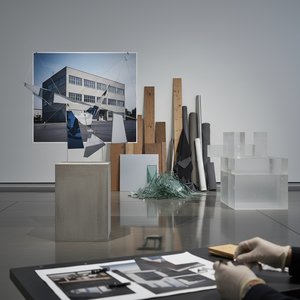
Christopher Williams: Deconstructing Representation & Materiality in Contemporary Art
Explore the groundbreaking work of Christopher Williams, a pivotal figure in contemporary art. This analysis delves into his deconstruction of representation, materiality, and institutional critique – essential reading for serious collectors.

William Blake: Romantic Visionary & Mystical Genius of the Imagination
Explore the mystical art & poetic genius of William Blake (1757-1827). Discover his revolutionary illuminated printing, rich symbolism, and lasting influence on Romanticism. Find handmade reproductions at ArtsDot.
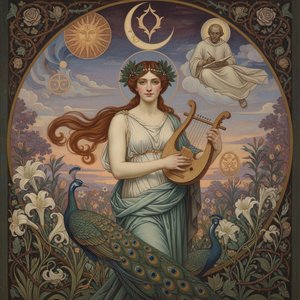
Sir William Blake Richmond: A Visionary of Aestheticism & Symbolism
Explore the life & art of Sir William Blake Richmond, a pivotal figure bridging Pre-Raphaelitism and Aestheticism. Discover his stunning portraits, mosaics at St Paul's Cathedral, and lasting influence on Victorian art.

