

 プレビュー
プレビュー
 プリントを購入
 シェアする
シェアする シェアする
シェアする
 詳細を見る
詳細を見る

 ダウンロード
 似ている作品
 X線調査
X線調査 スライドショー
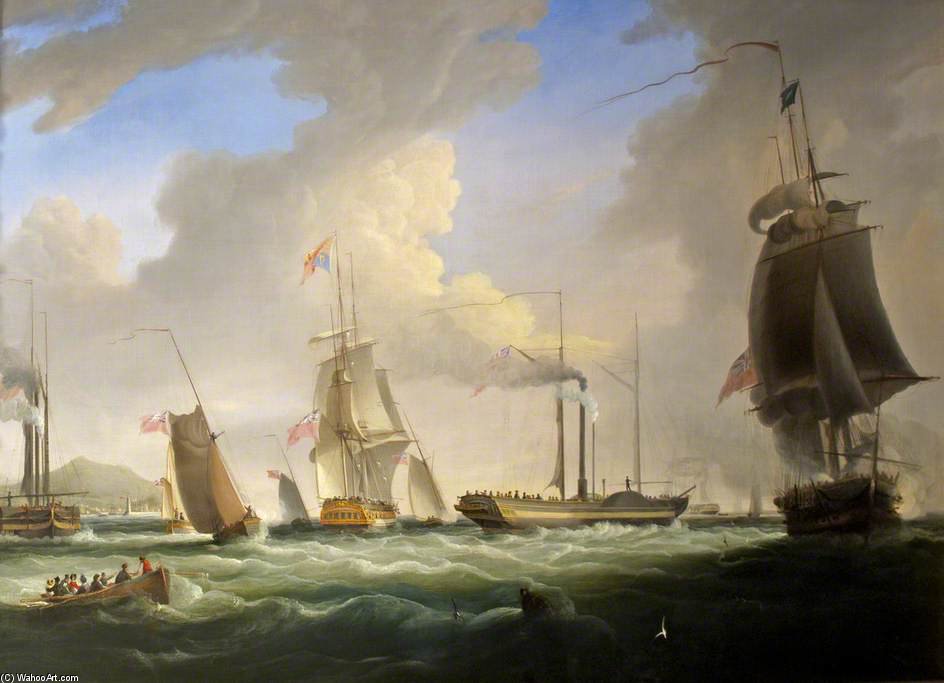
George Iv On Board The 'lightning', The First Post Office Steam Packet To Dublin

 詳細を見る
詳細を見る




































作品のオリジナル比率に合わせた、当店の規定サイズからお選びください。

特定のフレームやスペースに合わせて、ご希望のサイズをご入力いただけます。選択されたサイズが元の画像の比率と異なる場合、アートワークをトリミングするか、手描きで要素を追加して絵画を拡張いたします。デジタルモックアップ を制作し、制作開始前にご確認(承認)をいただきます。
画面上のプレビューは、実際のトリミングや拡張を正確に反映しているものではありません。最終的な構図は、モックアップによってのみ正確にご確認いただけます。
カスタムサイズもご利用いただけますが、元の比率を維持するためには、あらかじめ用意されたリストからサイズを選択することをお勧めいたします。
ご注文後、ArtsDot.com チームより詳細な指示をお送りするとともに、仕上がりイメージ(モックアップ)をご提供いたします。


 ガラスオプションは、110cm未満のサイズでのみご利用いただけます。

George Iv On Board The 'lightning', The First Post Office Steam Packet To Dublin
複製技法
複製画のサイズ
-


合計金額
$ 263
関連作品
アーティストの略歴
Benjamin West: Bridging America and the Neoclassical Ideal
Born in Springfield, Pennsylvania, in 1738 – a location now encompassed within the borough of Swarthmore – Benjamin West’s life was one of remarkable transatlantic movement and artistic evolution. His early years were marked by a self-taught apprenticeship, nurtured by his parents who recognized and encouraged his nascent talent for drawing. This unconventional upbringing, devoid of formal schooling, nonetheless laid the foundation for a career that would ultimately transcend national boundaries and establish him as a pivotal figure in both American and European art history. West’s story is not simply one of an artist; it's a testament to ambition, adaptability, and the profound impact of cultural exchange.
West’s initial success stemmed from his portraiture skills in New York, a period that honed his observational abilities and established him as a respected local artist. However, a pivotal decision – a journey to Italy commencing in 1760 – irrevocably altered the trajectory of his artistic development. This sojourn wasn't merely a vacation; it was an immersive experience within the heart of the Neoclassical movement, a style that would profoundly shape his future work. He sought guidance from influential figures like Gavin Hamilton and Anton Raphael Mengs, absorbing their techniques and embracing the ideals of classical antiquity. The Roman landscape itself became his studio, providing endless inspiration for compositions rooted in historical narrative and imbued with an idealized sense of beauty.
The Rise to Prominence: London and Royal Patronage
Returning to England in 1763, West swiftly established himself as a leading artist. His success wasn’t solely based on technical skill; his American origins, coupled with his charm and social grace, proved remarkably advantageous within the aristocratic circles of London. Crucially, he secured the patronage of King George III, an appointment that elevated him to the position of historical painter to the Royal Court – a status rarely afforded to artists at the time. This royal favor opened doors to prestigious commissions and provided unparalleled access to influential collectors and galleries.
West’s most celebrated achievement, *The Death of Nelson* (1789), epitomizes his artistic prowess and strategic understanding of public taste. This monumental painting, depicting the heroic demise of the British naval hero, was a resounding success, not merely for its dramatic composition but also for its innovative use of contemporary costume – a bold departure from the prevailing Neoclassical style. The painting’s popularity spurred West to create multiple replicas, demonstrating his astute awareness of market demand and solidifying his position as a leading figure in the British art world.
A Bridge Between Traditions: Style and Influence
West's artistic style evolved significantly throughout his career, reflecting both his initial Neoclassical training and his growing engagement with Romantic sensibilities. His early works are characterized by a polished elegance and meticulous attention to detail, often depicting historical scenes with a sense of idealized grandeur. However, as he matured, his compositions became increasingly dramatic, infused with heightened emotion and a looser brushstroke – hallmarks of the burgeoning Romantic movement. His depiction of *Saul and the Witch of Endor* (1777), for example, showcases this shift towards a more expressive and emotionally charged style.
West’s influence extended far beyond his own artistic output. He served as a mentor to numerous young American artists who traveled to London to study under him, including John Copley, Gilbert Stuart, and Thomas Sully. These students benefited immensely from West's guidance, adopting his techniques and ultimately establishing their own successful careers – cementing West’s legacy as the ‘father of American painting’. His generosity and willingness to share his knowledge profoundly shaped the development of American art in the late 18th and early 19th centuries.
Legacy and Historical Significance
Benjamin West died in London in 1820, leaving behind a substantial body of work that continues to be studied and admired. While some critics have questioned the artistic merit of his later works, there is no denying his historical significance as a pioneer who bridged the gap between American and European art. He was one of the first American artists to achieve international recognition, paving the way for future generations of American painters. His story exemplifies the transformative power of cultural exchange and the enduring impact of an artist’s vision.
West's legacy is not simply confined to his paintings; it resides in the countless artists he inspired and the broader artistic dialogue he fostered. His life serves as a compelling reminder that artistic achievement can emerge from unexpected sources, shaped by ambition, circumstance, and a willingness to embrace new possibilities.
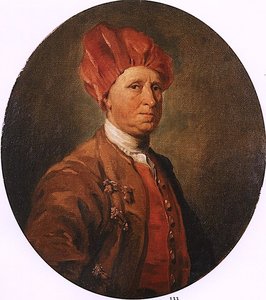
william john huggins
1820 - 1884 , United Kingdom
基本情報
- Artistic Movement Or Style: Neoclassical, Romantic
- Artists Or Movements Influenced By This Artist:
- Copley
- Delacroix
- Artists Who Influenced This Artist: ['Benjamin West']
- Date Of Birth: 10 Oct 1738
- Date Of Death: 11 Mar 1820
- Full Name: Benjamin West
- Nationality: American
- Notable Artworks:
- Death of Wolfe
- Treaty of Paris
- Agrippina Landing
- Place Of Birth: Springfield, PA
関連記事

ジョルジュ・ブラック傑作25選:革新的なキュビスムの世界と装飾への誘い
ジョルジュ・ブラックの傑作25選。キュビスムを代表する画家、その革新的な色彩と技法に迫ります。名画から知られざる逸品まで、美術史に残る作品群をArtsDot.comで鑑賞。お部屋を彩るアートプリントも多数ご用意。今すぐオンラインでコレクションをご覧ください。

ジョルジュ・スーラ傑作25選:光と色彩の科学が織りなす芸術の世界|ArtsDot
ジョルジュ・スーラの傑作25選。点描画の光と色彩、印象派から新印象派へ—ArtsDotで美術史を紐解き、リビングやダイニングを彩る高品質なアートプリントを見つけましょう。セーラ作品集をオンラインで鑑賞ください。

ジョン・シンガー・サージェント:至高の25選 - 美と光の肖像画の世界 | ArtsDot
ジョン・シンガー・サージェントの至高の25選。肖像画、写実主義、光と影の表現が美しい作品群を紐解きます。マダムXや少女の肖像など、時代を超えて愛される名作をArtsDotで鑑賞。高品質なアート複製で、お部屋に美術館のような空間を。今すぐコレクションをご覧ください。

ジョン・コンスタブルの傑作25選:英国風景画の巨匠が描く自然と光の詩 | ArtsDot
ジョン・コンスタブルの傑作25選。英国風景画の巨匠が描く自然と光の詩の世界へ。ロマン主義を代表する絵画、デダム・ヴェールやヘイ・ウェインなど、ArtsDotで高品質なアートプリントをお楽しみください。インテリアに深みと感動を。コレクションはこちら。
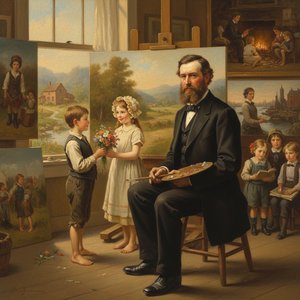
John George Brown: Capturing American Life & Sentiment in 19th-Century Genre Painting
Explore the captivating genre paintings of John George Brown, celebrated for his realistic depictions of 19th-century American life. Discover his legacy & find museum-quality reproductions at ArtsDot.

