

 プレビュー
プレビュー
 プリントを購入
 シェアする
シェアする シェアする
シェアする
 詳細を見る
詳細を見る

 ダウンロード
 似ている作品
 X線調査
X線調査 スライドショー
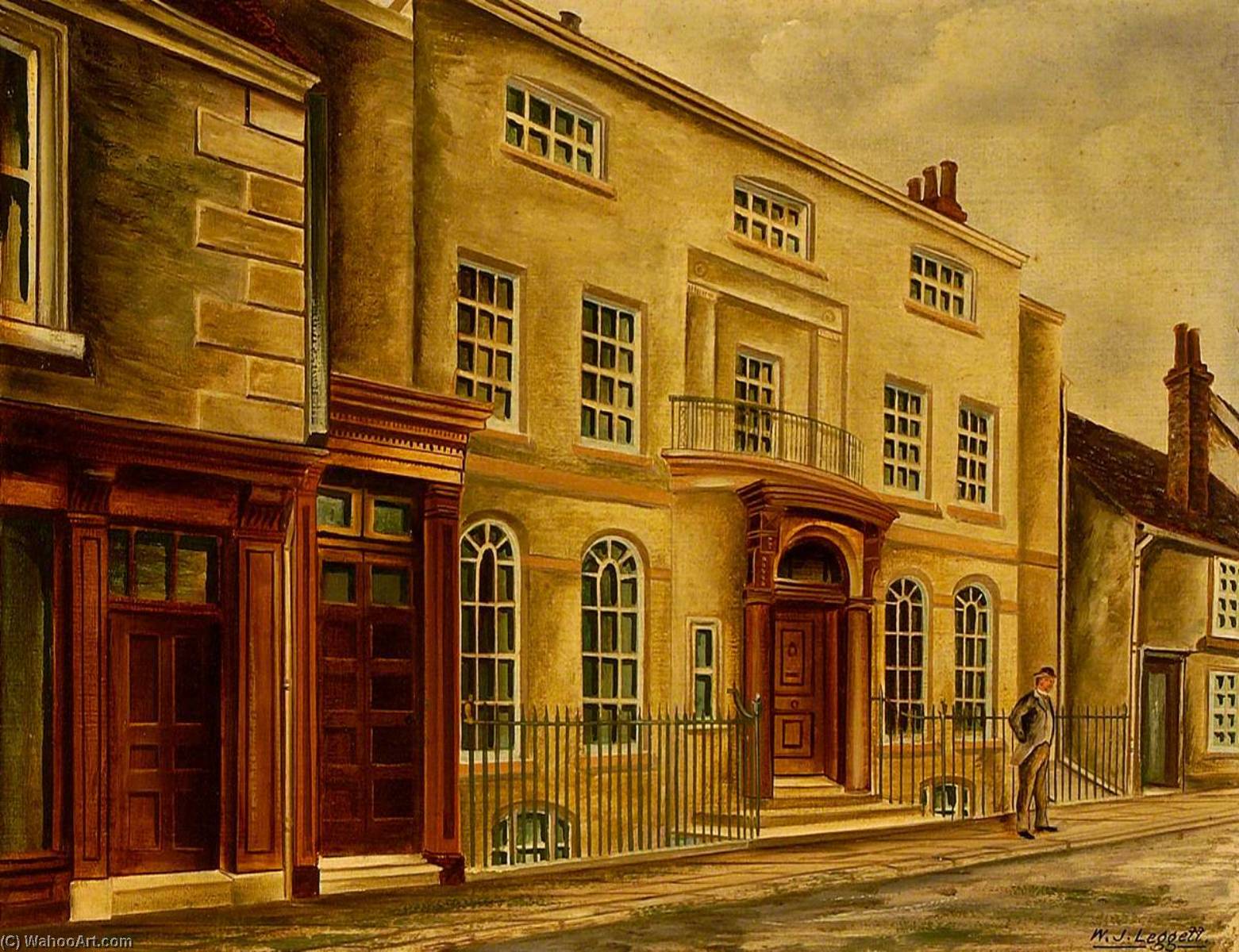
St Peter's Street, Ipswich
 54.0 x 51.0 cm
 詳細を見る
詳細を見る
オンラインプレビューをはるかに凌ぐ、高解像度で鮮明なデジタル画像をご購入いただけます。
各ファイルは、社内の専門家が高度なツールと熟練した手作業によるレタッチを用いて、細心の注意を払って準備されています。すべての画像において、卓越した鮮明度、正確な色彩再現性、そして繊細なディテールを保証いたします。
最終ファイルは、プロフェッショナルな編集・印刷環境ですぐにご利用いただけるよう最適化された状態で、72時間以内にメールにてお届けいたします。これは、一流のデザインスタジオ、出版社、ギャラリーから信頼されているものと同等の品質です。
デジタル画像のご注文に付随する特典
高品質なデジタル画像配信を、確かな品質で。
ArtsDot.com を選ぶことは、単に画像を手に入れることではありません。それは、プロの手によって精密に仕上げられ、満足保証が付いた高品質なデジタルアートワークを受け取ることを意味します。ご注文いただいた際に自動的に付随する内容は、以下の通りです:

メールですぐにお届け
ご注文から72時間以内に、高解像度のデジタル画像ファイルがメールでお手元に届きます。すぐにそのままご利用いただけます。

AI技術で最適化されたデジタルファイル
お客様の作品は、高度なAIツールと専門家による手作業の編集を組み合わせてプロフェッショナルに最適化されており、細部のディテール、鮮明さ、そして正確な色再現性を最大限に引き出しています。

一生涯無料の再送サービス
ファイルを誤って削除したり、紛失してしまったりしましたか?ご安心ください。いつでも無料で再送いたします。

輸入手数料は一切かかりません
関税や手数料、配送料を気にすることなく、お気に入りのアートワークをすぐにお楽しみいただけます。デジタルダウンロードは常に免税です。

色彩再現の保証
プロ仕様のツールとカラーマネジメント技術を用いることで、デジタル画像が元の色を最大限に忠実に再現することを保証いたします。

60日間満足保証
ご購入いただいたデジタル画像にご満足いただけない場合は、60日以内であれば、修正または100%の返金(理由を問う必要はありません)をさせていただきます。

100% 返金保証
ご満足いただけない場合は、デジタルファイルを受け取ってから60日以内であれば、理由を問わず全額返金いたします。

まとめ買い割引
3枚購入で10%OFF - 5枚購入で15%OFF - 10枚以上購入で20%OFF。クリエイティブなプロジェクト、ギャラリー、エージェンシーに最適です。
関連作品



作家の略歴
William John Leggett: A Suffolk Streetscape in Oil
The Ipswich artist William John Leggett (1856-1936) wasn’t a name widely celebrated during his lifetime, yet his meticulous paintings of Victorian Suffolk offer an invaluable window into the daily life and architectural details of a rapidly changing England. More than just topographical records, Leggett's works—particularly his street scenes—capture a specific mood, a sense of quiet observation mingled with a keen eye for detail and a subtle understanding of light and shadow. He wasn’t striving for grand romanticism; instead, he presented the familiar rhythms of Ipswich life – the bustle of market days, the shadows lengthening on cobbled streets, the weathered faces of its inhabitants – with remarkable precision and understated charm.
Born in 1856 into a family of modest means, Leggett’s early life was shaped by the industrial landscape of Ipswich. His father worked as a maltster, and young William began his working life as a foundry labourer. However, he possessed an innate artistic sensibility, nurtured perhaps by his parents' involvement in local literary circles. He transitioned into decorative painting, eventually establishing himself as a respected artist known for his ability to render the nuances of urban environments with remarkable accuracy. His career unfolded largely within Ipswich, and it was here that he developed his signature style – detailed, realistic depictions of everyday scenes, often imbued with a melancholic beauty.
Leggett’s artistic development can be traced through his prolific output during the late 19th and early 20th centuries. He wasn't formally trained in the traditional sense; he was largely self-taught, honing his skills through diligent observation and practice. His technique is characterized by a meticulous approach to rendering surfaces – the rough texture of brickwork, the sheen of polished metal, the folds of clothing. He employed a limited palette, favoring muted earth tones and subtle gradations of color, creating a sense of atmospheric depth and realism. A key influence on his work was likely the rise of Realism in art, which emphasized depicting subjects truthfully and without idealization. However, Leggett’s style transcends mere imitation; he imbued his scenes with a distinct emotional resonance.
Key Works and Locations
Leggett's most celebrated works depict street scenes within Ipswich, offering a remarkably detailed record of the town’s Victorian architecture and social life. “Corner, Brook Street, Old Buttermarket, Ipswich” (1906) is perhaps his most iconic painting – a vibrant snapshot of a bustling market day, complete with vendors, shoppers, and the distinctive signage of ‘Wonders of Lyon’. The inclusion of this foreign advertisement speaks volumes about Ipswich’s place within the wider British economy. “Dog's Head Street, Suffolk” (circa 1890) captures a quieter moment, showcasing the town’s historic buildings and the everyday routines of its residents. “Upper Orwell Street Shops, Ipswich” (circa 1900) provides an intimate view of the local commerce, with details like the shop fronts and the figures engaged in business transactions.
These paintings aren't simply records of physical locations; they are imbued with a sense of place. Leggett’s meticulous attention to detail—the arrangement of goods on stalls, the expressions on people’s faces, the play of light and shadow—transport the viewer back in time, offering a tangible connection to Ipswich’s Victorian past. The “Wonders of Lyon” sign, for example, is not just a commercial element; it's a symbol of global trade and the town’s role within the larger world.
The Suffolk Record
What distinguishes Leggett’s work from that of many other Victorian artists is his dedication to documenting local history. His paintings are essentially visual diaries, capturing the essence of Ipswich life at a specific moment in time. He wasn't interested in grand historical narratives; instead, he focused on the small details—the architecture, the trades, the social interactions—that collectively shaped the town’s identity. The Ipswich Museum holds several examples of his work, and they are now recognized as invaluable resources for historians and researchers seeking to understand the town’s past.
His paintings offer a unique perspective on the lives of ordinary people – shopkeepers, laborers, merchants, and housewives—who formed the backbone of Ipswich society. They provide insights into their daily routines, their social customs, and their economic activities. Leggett's work is therefore not just an artistic achievement; it’s also a crucial historical document.
Legacy and Influence
While Leggett didn't achieve widespread fame during his lifetime, his paintings have gained increasing recognition in recent years as valuable contributions to the history of Ipswich art. His meticulous realism and keen observation are particularly noteworthy, and his works offer a unique perspective on Victorian life. His legacy lies not only in his artistic skill but also in his dedication to documenting local history.
Today, Leggett’s paintings can be found in public collections and private hands, and they continue to inspire artists and historians alike. They serve as a reminder of the importance of preserving our cultural heritage and celebrating the everyday lives of those who came before us. His work stands as a testament to the power of art to capture not just images but also memories, emotions, and the spirit of a place.
william john leggett
1856 - 1936
プロフィール概要
- Artistic Movement Or Style: Street scenes
- Artists Or Movements Influenced By This Artist: ['']
- Artists Who Influenced This Artist: ['']
- Date Of Birth: 1856
- Date Of Death: 1936
- Full Name: William John Leggett
- Nationality: British
- Notable Artworks:
- Corner, Brook Street
- Dog's Head Street
- Upper Orwell Street Shops
- Place Of Birth: Ipswich, England

