

 プレビュー
プレビュー
 シェアする
シェアする シェアする
シェアする
 詳細を見る
詳細を見る

 ダウンロード
 似ている作品
 X線調査
X線調査 スライドショー
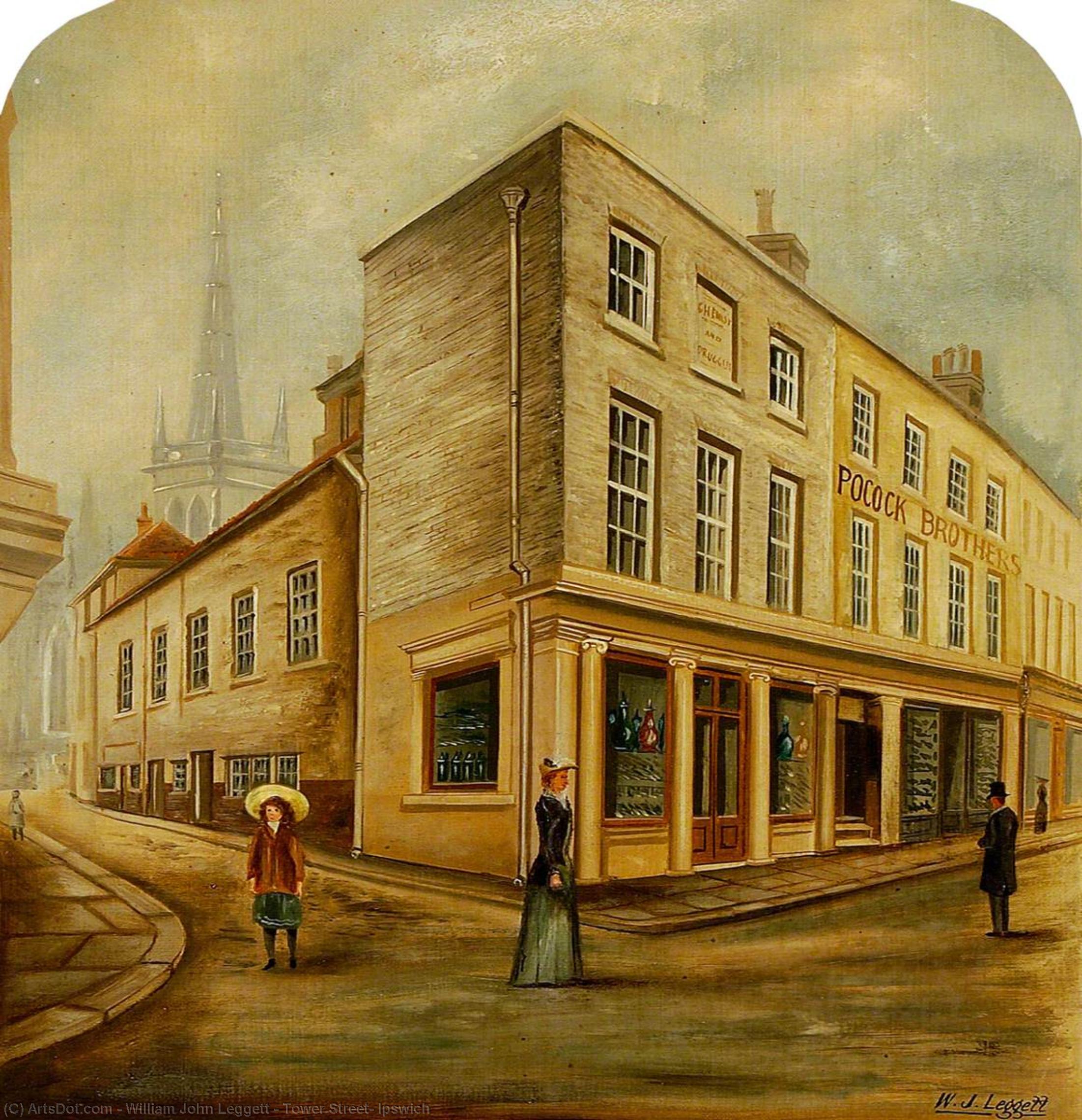
Tower Street, Ipswich
 54.0 x 51.0 cm
 詳細を見る
詳細を見る
ジークレー/アートプリント
迅速な制作と多彩な仕上げオプションを備えた、ミュージアムクオリティのジークレーまたはキャンバスプリント。 ( 手描きの絵画を購入 画像を購入)




































作品のオリジナル比率に合わせた、当店の規定サイズからお選びください。

特定のフレームやスペースに合わせて、ご自身でサイズを指定することも可能です。選択されたサイズが元の画像の比率と一致しない場合、作品をトリミングするか、鏡面反射または単色での塗りつぶしによって画像を拡張いたします。制作を開始する前に、ご確認用のデジタルモックアップをお送りいたします。
画面上のプレビューには、実際のトリミングや拡張は反映されませんのでご注意ください。最終的な構図を正確に確認できるのは、モックアップのみとなります。
カスタムサイズも承っておりますが、元の比率を維持するためには、あらかじめ用意されたリストからサイズを選択することをお勧めいたします。


 ガラスオプションは、110cm未満のサイズでのみご利用いただけます。

Tower Street, Ipswich
ジークレー/アートプリント
複製画のサイズ
-


合計金額
$ 62
関連作品

アーティストの略歴
William John Leggett: A Suffolk Streetscape in Oil
The Ipswich artist William John Leggett (1856-1936) wasn’t a name widely celebrated during his lifetime, yet his meticulous paintings of Victorian Suffolk offer an invaluable window into the daily life and architectural details of a rapidly changing England. More than just topographical records, Leggett's works—particularly his street scenes—capture a specific mood, a sense of quiet observation mingled with a keen eye for detail and a subtle understanding of light and shadow. He wasn’t striving for grand romanticism; instead, he presented the familiar rhythms of Ipswich life – the bustle of market days, the shadows lengthening on cobbled streets, the weathered faces of its inhabitants – with remarkable precision and understated charm.
Born in 1856 into a family of modest means, Leggett’s early life was shaped by the industrial landscape of Ipswich. His father worked as a maltster, and young William began his working life as a foundry labourer. However, he possessed an innate artistic sensibility, nurtured perhaps by his parents' involvement in local literary circles. He transitioned into decorative painting, eventually establishing himself as a respected artist known for his ability to render the nuances of urban environments with remarkable accuracy. His career unfolded largely within Ipswich, and it was here that he developed his signature style – detailed, realistic depictions of everyday scenes, often imbued with a melancholic beauty.
Leggett’s artistic development can be traced through his prolific output during the late 19th and early 20th centuries. He wasn't formally trained in the traditional sense; he was largely self-taught, honing his skills through diligent observation and practice. His technique is characterized by a meticulous approach to rendering surfaces – the rough texture of brickwork, the sheen of polished metal, the folds of clothing. He employed a limited palette, favoring muted earth tones and subtle gradations of color, creating a sense of atmospheric depth and realism. A key influence on his work was likely the rise of Realism in art, which emphasized depicting subjects truthfully and without idealization. However, Leggett’s style transcends mere imitation; he imbued his scenes with a distinct emotional resonance.
Key Works and Locations
Leggett's most celebrated works depict street scenes within Ipswich, offering a remarkably detailed record of the town’s Victorian architecture and social life. “Corner, Brook Street, Old Buttermarket, Ipswich” (1906) is perhaps his most iconic painting – a vibrant snapshot of a bustling market day, complete with vendors, shoppers, and the distinctive signage of ‘Wonders of Lyon’. The inclusion of this foreign advertisement speaks volumes about Ipswich’s place within the wider British economy. “Dog's Head Street, Suffolk” (circa 1890) captures a quieter moment, showcasing the town’s historic buildings and the everyday routines of its residents. “Upper Orwell Street Shops, Ipswich” (circa 1900) provides an intimate view of the local commerce, with details like the shop fronts and the figures engaged in business transactions.
These paintings aren't simply records of physical locations; they are imbued with a sense of place. Leggett’s meticulous attention to detail—the arrangement of goods on stalls, the expressions on people’s faces, the play of light and shadow—transport the viewer back in time, offering a tangible connection to Ipswich’s Victorian past. The “Wonders of Lyon” sign, for example, is not just a commercial element; it's a symbol of global trade and the town’s role within the larger world.
The Suffolk Record
What distinguishes Leggett’s work from that of many other Victorian artists is his dedication to documenting local history. His paintings are essentially visual diaries, capturing the essence of Ipswich life at a specific moment in time. He wasn't interested in grand historical narratives; instead, he focused on the small details—the architecture, the trades, the social interactions—that collectively shaped the town’s identity. The Ipswich Museum holds several examples of his work, and they are now recognized as invaluable resources for historians and researchers seeking to understand the town’s past.
His paintings offer a unique perspective on the lives of ordinary people – shopkeepers, laborers, merchants, and housewives—who formed the backbone of Ipswich society. They provide insights into their daily routines, their social customs, and their economic activities. Leggett's work is therefore not just an artistic achievement; it’s also a crucial historical document.
Legacy and Influence
While Leggett didn't achieve widespread fame during his lifetime, his paintings have gained increasing recognition in recent years as valuable contributions to the history of Ipswich art. His meticulous realism and keen observation are particularly noteworthy, and his works offer a unique perspective on Victorian life. His legacy lies not only in his artistic skill but also in his dedication to documenting local history.
Today, Leggett’s paintings can be found in public collections and private hands, and they continue to inspire artists and historians alike. They serve as a reminder of the importance of preserving our cultural heritage and celebrating the everyday lives of those who came before us. His work stands as a testament to the power of art to capture not just images but also memories, emotions, and the spirit of a place.
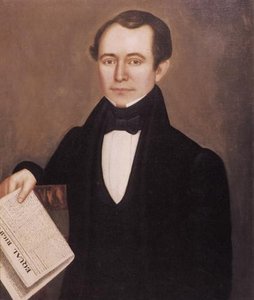
william john leggett
1856 - 1936
基本情報
- Artistic Movement Or Style: Street scenes
- Artists Or Movements Influenced By This Artist: ['']
- Artists Who Influenced This Artist: ['']
- Date Of Birth: 1856
- Date Of Death: 1936
- Full Name: William John Leggett
- Nationality: British
- Notable Artworks:
- Corner, Brook Street
- Dog's Head Street
- Upper Orwell Street Shops
- Place Of Birth: Ipswich, England

