

 プレビュー
プレビュー
 プリントを購入
 シェアする
シェアする シェアする
シェアする
 詳細を見る
詳細を見る

 ダウンロード
 似ている作品
 X線調査
X線調査 スライドショー
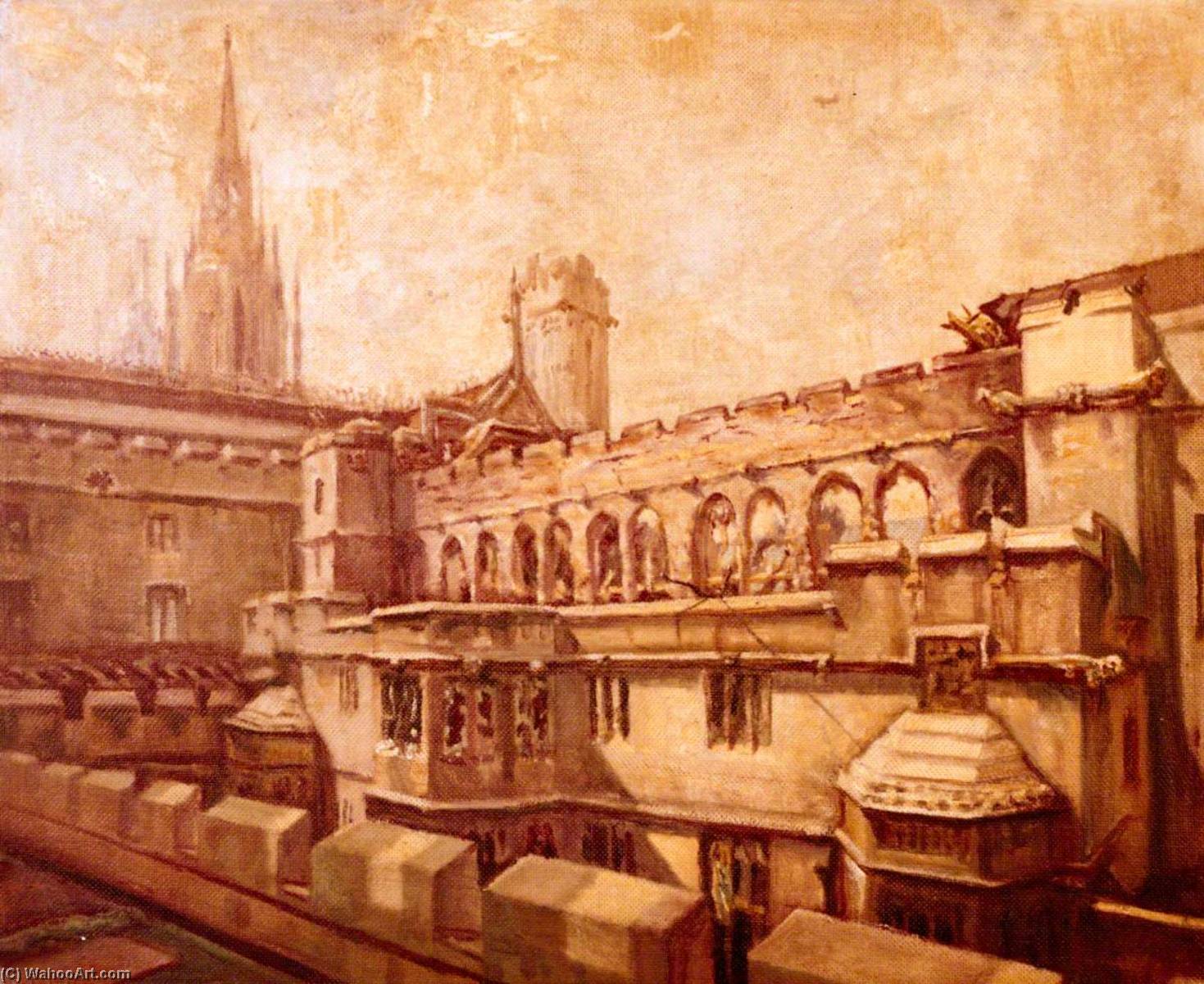
Houses of Parliament, East Side of the Debating Chamber, View from the Roofs
 Impressionism
 1941
1941 58.0 x 72.0 cm
 詳細を見る
詳細を見る
オンラインプレビューをはるかに凌ぐ、高解像度で鮮明なデジタル画像をご購入いただけます。
各ファイルは、社内の専門家が高度なツールと熟練した手作業によるレタッチを用いて、細心の注意を払って準備されています。すべての画像において、卓越した鮮明度、正確な色彩再現性、そして繊細なディテールを保証いたします。
最終ファイルは、プロフェッショナルな編集・印刷環境ですぐにご利用いただけるよう最適化された状態で、72時間以内にメールにてお届けいたします。これは、一流のデザインスタジオ、出版社、ギャラリーから信頼されているものと同等の品質です。
デジタル画像のご注文に付随する特典
高品質なデジタル画像配信を、確かな品質で。
ArtsDot.com を選ぶことは、単に画像を手に入れることではありません。それは、プロの手によって精密に仕上げられ、満足保証が付いた高品質なデジタルアートワークを受け取ることを意味します。ご注文いただいた際に自動的に付随する内容は、以下の通りです:

メールですぐにお届け
ご注文から72時間以内に、高解像度のデジタル画像ファイルがメールでお手元に届きます。すぐにそのままご利用いただけます。

AI技術で最適化されたデジタルファイル
お客様の作品は、高度なAIツールと専門家による手作業の編集を組み合わせてプロフェッショナルに最適化されており、細部のディテール、鮮明さ、そして正確な色再現性を最大限に引き出しています。

一生涯無料の再送サービス
ファイルを誤って削除したり、紛失してしまったりしましたか?ご安心ください。いつでも無料で再送いたします。

輸入手数料は一切かかりません
関税や手数料、配送料を気にすることなく、お気に入りのアートワークをすぐにお楽しみいただけます。デジタルダウンロードは常に免税です。

色彩再現の保証
プロ仕様のツールとカラーマネジメント技術を用いることで、デジタル画像が元の色を最大限に忠実に再現することを保証いたします。

60日間満足保証
ご購入いただいたデジタル画像にご満足いただけない場合は、60日以内であれば、修正または100%の返金(理由を問う必要はありません)をさせていただきます。

100% 返金保証
ご満足いただけない場合は、デジタルファイルを受け取ってから60日以内であれば、理由を問わず全額返金いたします。

まとめ買い割引
3枚購入で10%OFF - 5枚購入で15%OFF - 10枚以上購入で20%OFF。クリエイティブなプロジェクト、ギャラリー、エージェンシーに最適です。
関連作品
作家の略歴
William John Macleod: A Life Bridging Art, Journalism, and the Soul of Australia
Born in Kirkcaldy, Fife, in 1891, William John Macleod’s life was a remarkable tapestry woven from diverse threads – a career as an artist, a pivotal role in shaping Australian journalism, and a deep engagement with the spiritual currents of his time. His story isn't one easily confined to a single category; he was, fundamentally, a polymath, a man who moved seamlessly between the tangible world of paint and canvas and the intangible realms of ideas and emotion. Macleod’s journey began not in the quiet solitude of an artist’s studio but within the bustling commercial landscape of his father's tobacco business, a stark contrast to the artistic pursuits that would ultimately define him.
Early hardship shaped his formative years. The sudden death of his father at a young age plunged his family into financial difficulty, forcing his mother to relocate to Sydney and seek remarriage. This experience instilled in Macleod a resilience and pragmatism that would later inform his approach to both art and journalism. He began his artistic education as an assistant to a professional photographer, a crucial apprenticeship that provided him with invaluable technical skills and an understanding of composition and visual storytelling. Simultaneously, he enrolled at the Sydney School of Arts, laying the foundation for his burgeoning talent.
Macleod’s early work demonstrated a keen eye for detail and a fascination with urban landscapes – particularly those imbued with a sense of history and atmosphere. His paintings of buildings, streets, and people captured not just their physical appearance but also the spirit of the places they inhabited. This interest in documenting the everyday world would later translate into his journalistic endeavors. However, it was his involvement with The Bulletin magazine that truly cemented his place in Australian cultural history. Initially contributing drawings to the publication’s first edition in 1880, Macleod quickly became a regular contributor, showcasing his versatility and wit. His illustrations were renowned for their sharp observations of Australian society and their often satirical commentary on its foibles.
The partnership with Samuel Begg proved pivotal. Together, they acquired a third share in The Bulletin, a bold move that ultimately led to Macleod’s departure from the magazine after two years. This experience highlighted his business acumen and demonstrated his ability to navigate the complexities of publishing. Following this period, he embarked on a prolific career as an illustrator for publications such as The Sydney Mail, The Illustrated Sydney News, and The Town and Country Journal, establishing himself as one of Australia’s most sought-after artists. His work during this time included numerous portraits, capturing the likenesses of prominent figures in Australian society – politicians, businessmen, and cultural luminaries.
Beyond his artistic and journalistic pursuits, Macleod possessed a deep spiritual curiosity. He became an integral part of The Bulletin’s editorial staff, contributing significantly to its intellectual and social commentary. His involvement extended beyond mere illustration; he actively participated in shaping the magazine's content and direction. This engagement with contemporary ideas led him to explore esoteric philosophies and mystical traditions, influencing his artistic style and thematic concerns. Notably, Macleod’s work during this period reflects a growing interest in symbolism and allegory, evident in paintings such as “Houses of Parliament,” where he masterfully captures the grandeur of the building while simultaneously hinting at deeper meanings.
The Pictorial Atlas of Australasia: A Monumental Undertaking
Perhaps Macleod’s most significant artistic achievement was his work on the Pictorial Atlas of Australasia, a vast and ambitious project that spanned several years. Commissioned by J.F. Archibald, the atlas required hundreds of illustrations depicting the diverse landscapes, people, and cultures of Australia and New Zealand. This undertaking demanded not only technical skill but also an extensive knowledge of geography, history, and anthropology. Macleod’s contributions to the atlas were particularly notable for their accuracy, detail, and artistic merit. He produced a remarkable series of portraits, capturing the essence of Australian identity through his skillful rendering of faces and expressions.
The scale of this project demanded a significant shift in Macleod's professional life. In 1926, Archibald, recognizing Macleod’s business acumen and editorial skills, invited him to join the staff of The Bulletin as business manager. This marked a turning point in Macleod’s career, providing him with greater creative control and financial stability. He remained with the magazine until his retirement in 1970, overseeing its operations and contributing to its continued success.
A Dual Life: Art and Pseudonymity
Interestingly, Macleod led a double life as a writer under the pseudonym Fiona Macleod. This carefully constructed persona allowed him to explore themes of spirituality and mysticism that he might have hesitated to address publicly under his own name. As Fiona Macleod, he penned poetry and short stories imbued with Celtic mythology and esoteric symbolism. The creation of this distinct literary voice provided a creative outlet for his intellectual and spiritual interests, offering a fascinating glimpse into the complexities of his artistic personality.
The relationship between William John Macleod and Fiona Macleod remains a subject of scholarly debate. While the precise nature of their connection is still debated, it’s clear that Macleod drew inspiration from Fiona Macleod's work, and vice versa. This dual identity highlights his willingness to embrace multiple creative expressions and explore different facets of his artistic vision.
Legacy and Influence
William John Macleod died in 1970, leaving behind a rich legacy as an artist, journalist, and cultural commentator. His paintings continue to be admired for their technical skill, evocative atmosphere, and insightful portrayal of Australian life. His work on the Pictorial Atlas of Australasia remains a significant contribution to Australian art history, while his contributions to The Bulletin cemented his place as a key figure in shaping Australian journalism and cultural discourse. Macleod’s influence extends beyond his individual achievements; he helped to establish a vibrant artistic community in Sydney and contributed significantly to the development of Australian identity.
His work, particularly “Houses of Parliament,” is now held in various collections, offering a tangible connection to this remarkable man and his enduring contribution to Australian culture. Macleod’s life serves as a testament to the power of artistic exploration, intellectual curiosity, and the ability to seamlessly blend diverse passions into a singular, compelling narrative.
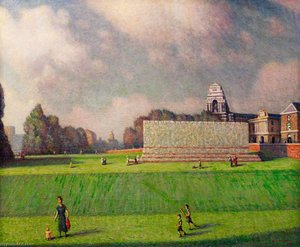
william john macleod
1891 - 1970
プロフィール概要
- Artistic Movement Or Style: Impressionism, Illustration
- Artists Or Movements Influenced By This Artist:
- The Bulletin
- Celtic Revival
- Artists Who Influenced This Artist:
- Samuel Begg
- James Anderson
- Date Of Birth: 1891
- Date Of Death: 1970
- Full Name: William John Macleod
- Nationality: Australian/British
- Notable Artworks:
- Houses of Parliament
- London Wall & St Giles
- Place Of Birth: Kirkcaldy, Fife, UK

