 プレビュー
プレビュー
 プリントを購入
 シェアする
シェアする シェアする
シェアする
 詳細を見る
詳細を見る

 ダウンロード
 似ている作品
 X線調査
X線調査 スライドショー
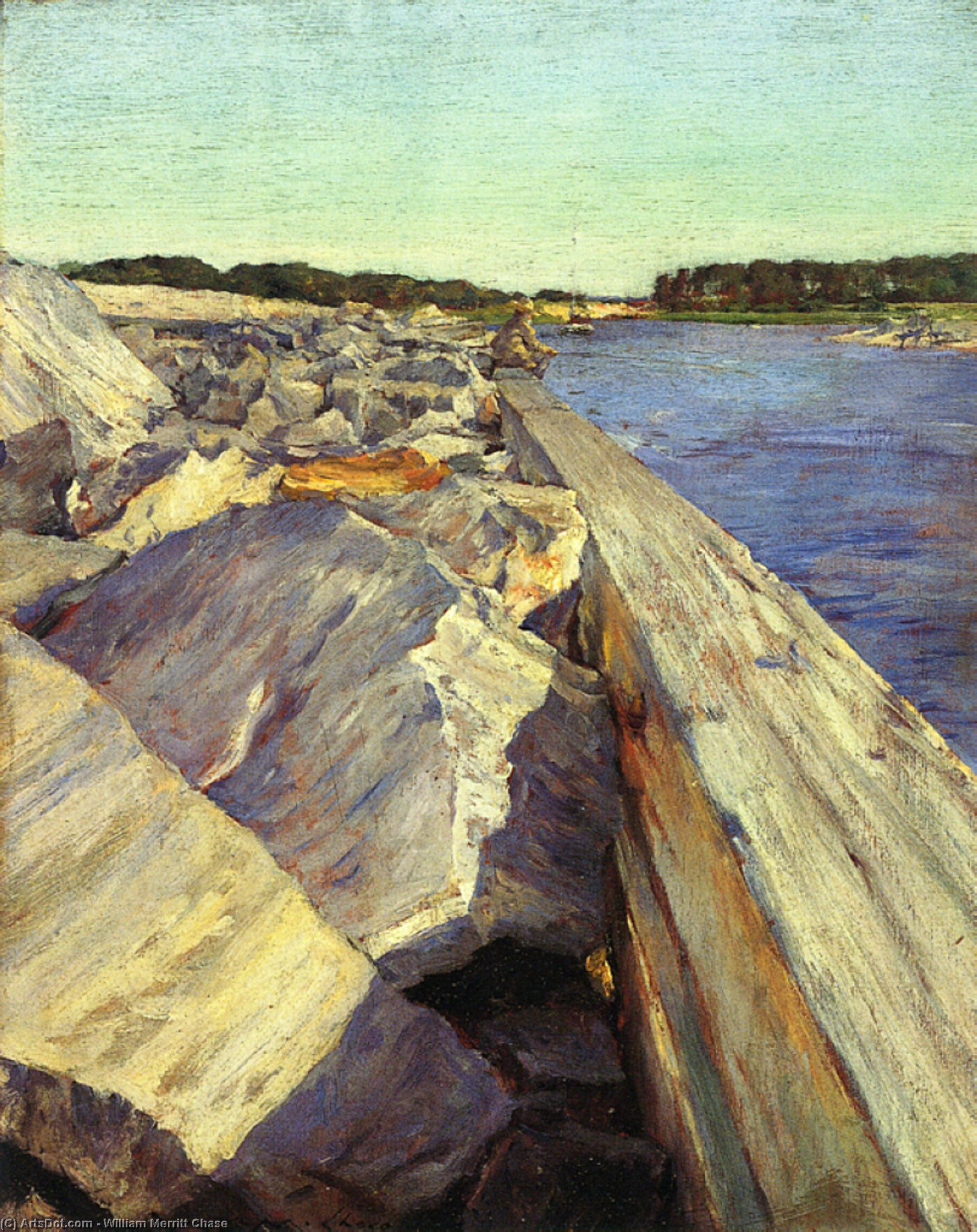
The Lone Fisherman
 Oil On Canvas
- WallArt
- Impressionist Style
 1890
1890 96.0 x 76.0 cm
 詳細を見る
詳細を見る




P118B $10

P118H $10

P118W $10

P438Z $10

P508JH $12

P508YH $12

P805H $10

P805Z $10

P919BZ $10

P919G $10

P919XJ $10

P959ZH $10

P968JZ $12

W106C $8

W218G $10

W218JH $8

W218Y $10

W307PJ $10

W316G $10

W316PJ $8

W316Y $10

W398PJ $8

W4111J $10

W500HY $15

W500JH $15

W692G $12

W849H $8

W940BG $15

W953PJ $8




作品のオリジナル比率に合わせた、当店の規定サイズからお選びください。

特定のフレームやスペースに合わせて、ご希望のサイズをご入力いただけます。選択されたサイズが元の画像の比率と異なる場合、アートワークをトリミングするか、手描きで要素を追加して絵画を拡張いたします。デジタルモックアップ を制作し、制作開始前にご確認(承認)をいただきます。
画面上のプレビューは、実際のトリミングや拡張を正確に反映しているものではありません。最終的な構図は、モックアップによってのみ正確にご確認いただけます。
カスタムサイズもご利用いただけますが、元の比率を維持するためには、あらかじめ用意されたリストからサイズを選択することをお勧めいたします。
ご注文後、ArtsDot.com チームより詳細な指示をお送りするとともに、仕上がりイメージ(モックアップ)をご提供いたします。


 ガラスオプションは、110cm未満のサイズでのみご利用いただけます。

The Lone Fisherman
複製技法
複製画のサイズ
-


合計金額
$ 263
作品解説
A Moment Frozen in Light: Exploring William Merritt Chase’s “The Lone Fisherman”
“The Lone Fisherman,” painted by William Merritt Chase in 1890, stands as a quintessential embodiment of Impressionist aesthetics—a serene tableau capturing the fleeting beauty of coastal life and imbued with subtle symbolic resonance. Measuring 96 x 76 cm and currently residing within the Hood Museum of Art’s collection, this canvas offers more than just a picturesque seascape; it invites contemplation on themes of solitude, perseverance, and the harmonious relationship between humanity and nature.The Impressionist Technique: Capturing Ephemeral Light
Chase's masterful application of Impressionist technique is immediately apparent upon observation. Departing from academic realism—the dominant artistic style of his time—he prioritized capturing the transient effects of light and color rather than meticulously rendering detail. Bold, expressive brushstrokes dance across the canvas surface, conveying a palpable sense of movement as waves crash against rocky shores. The artist eschewed blending colors to create smooth gradations, opting instead for juxtaposed hues that vibrate with vibrancy. This deliberate disregard for traditional methods resulted in an artwork that pulsates with life—a testament to Chase’s commitment to portraying the sensory experience of a particular moment in time.A Symbolic Landscape: Reflections on Isolation and Resilience
Beyond its technical brilliance, “The Lone Fisherman” possesses significant symbolic depth. The solitary figure perched atop the rocks represents resilience and introspection – an individual confronting the vastness of the ocean and accepting its inherent challenges. The fisherman’s gaze outward symbolizes a yearning for connection with something larger than oneself, yet simultaneously underscores the importance of inner contemplation. Furthermore, the presence of the dog—a loyal companion—suggests companionship and steadfast support amidst solitude. Even the bird circling overhead serves as a visual metaphor for freedom and aspiration, reinforcing the painting's overarching message of perseverance and optimism.Historical Context: The Dawn of American Impressionism
Painted during a period of burgeoning artistic innovation in America, “The Lone Fisherman” aligns itself squarely with the movement’s core tenets. Chase was among the vanguard of artists pushing boundaries against established conventions, influenced by luminaries like Claude Monet and Pierre-Auguste Renoir who had pioneered Impressionist principles in France. The painting reflects the broader cultural shift toward valuing subjective experience and prioritizing artistic expression over didactic representation—a hallmark of the era’s intellectual ferment. Its creation coincided with a growing fascination for plein air painting – working outdoors directly from observation – furthering the movement's commitment to capturing the immediacy of natural beauty.Emotional Resonance: Tranquility and Contemplation
Ultimately, “The Lone Fisherman” succeeds in evoking profound emotional resonance. The muted blues and greens dominate the palette, fostering a feeling of calm serenity—a balm for the anxieties of Victorian society. Yet, beneath this surface tranquility lies an underlying current of contemplation – prompting viewers to consider questions of identity, purpose, and our connection to the natural world. Chase’s artwork transcends mere visual depiction; it invites us into a meditative space where we can appreciate the quiet grandeur of coastal landscapes and contemplate the enduring human spirit.関連作品
アーティストの略歴
ウィリアム・メリット・チェイス:光に描かれた生涯
ウィリアム・メリット・チェイスの名は、アメリカ印象派の隆盛を象徴する存在として知られています。しかし彼が画家であるだけでなく、20世紀初頭のアメリカ美術のアイデンティティを形作る上で重要な役割を果たした指導者でもありました。1849年11月1日、インディアナ州ウィリアムズバーグ(後にナインベフと改名)という質素な環境で生まれたチェイスは、田舎出身から著名な芸術家、そして影響力のある教育者へと至る道のりは、揺るぎない献身と生まれながらの才能の証です。幼少期を過ごした彼は、1861年に家族と共にインディアナポリスに移り住み、当初は父親のビジネスを手伝っていました。しかし、実務的な義務の中でも芸術への情熱が育まれ、地元の指導者バートン・S・ヘイズやヤコブ・コックスの研究を通して培われました。この基礎的な訓練は、さらなる探求への欲求を刺激し、一時的に海軍に所属した後、1869年に活気あるニューヨークの美術界へと導きました。そこで彼は国立アカデミー・オブ・デザインでジョセフ・オリエル・イートン氏の指導を受け、さらにジャン=レオン・ジェローム氏の弟子であるルミュエル・ウィルマース氏のもとで技術を磨き、アメリカ絵画史を再定義するキャリアへの礎を築きました。一時的な財政的苦難により1870年にセントルイスに移住しましたが、この試練さえも彼にとって有益なものであり、地元の美術界に定着し、その芽生えつつある才能が認められるようになりました。学術的基盤から印象派への輝きへ
チェイスの芸術的発展は、印象派への突飛な転換ではなく、厳格な学術的な訓練と広範な海外旅行によって培われた段階的な進化でした。重要な転換点となったのは、1872年にミュンヘンを訪れたことであり、そこでアレクサンダー・フォン・ヴァグナー氏とカール・フォン・ピロティ氏のもとで美術アカデミーで学びました。この時期は、彼に伝統的な技術の習得と劇的な構成への傾倒を植え付けましたが、その後のイタリアの風景との出会いを通して、より自由なアプローチへと進むきっかけとなりました。ヴェネツィアの輝かしい光と鮮やかな色彩に触発され、彼はより緩やかな筆致と大気効果に対する感受性を高めながら実験を始めました。1878年にニューヨークに戻ったチェイスは、印象派の原則を完全に受け入れ、大胆な筆遣いとダイナミックな構成を通して、現代生活の一瞬を捉えました。『キーイング・アップ – コートジャスター』(1876)は、ボストン美術クラブやフィラデルフィア万博で高い評価を得て、彼の動きと個性を表現する能力を示す作品となりました。彼はまた、バージニア・ガーソン氏の肖像、ゴワナス湾(別名:霧の日、ゴワナス湾)などの印象的な風景画など、多様な主題を探求し続けました。その他の注目すべき作品には、「フレンドリーな呼び出し」、「曲線研究」、「セントラルパークのテラス」があります。教育者:芸術家の世代を形作る
画家としての業績に加えて、ウィリアム・メリット・チェイスは教育への献身を通してアメリカ美術に消えない足跡を残しました。革新的な美術教育の必要性を認識し、彼は1896年にニューヨーク市でチェイス学校を設立しました。この学校は後にパーソンズ・ザ・ニュー・スクール・フォー・デザインへと発展し、芸術的才能の温床となりました。直接観察、技術的な熟練度、創造的な実験を重視していました。多くの同業者とは異なり、チェイスは生徒たちがそれぞれの個性を育み、多様なスタイルを探求することを奨励しました。彼はペンシルベニア美術アカデミー、アート・スチューデンツ・リーグ、ブルックリン美術協会で教鞭を執り、その芸術的哲学を広く普及させました。彼の影響は、ウェイマン・エルブリッジ・アダムスをはじめとする多くのアーティストに及び、彼をメンターとして公然と認めています。プレインエール(屋外での直接的な自然からの絵画)という絵画手法が彼の教育アプローチの要となり、生徒たちが主題とのより深い繋がりを育むことを促進しました。遺産と歴史的意義
ウィリアム・メリット・チェイスのアメリカ美術史における地位は確立されています。彼は確立された学術的な伝統と新興の印象派運動の間の架け橋となり、アメリカ独自の芸術的アイデンティティの発展に大きく貢献しました。彼の現代生活の本質を捉えることへの献身—その時代の賑やかな都市景観、親密な家庭環境、そして余暇活動—は、新しい視覚言語を切望する聴衆に共鳴しました。彼の晩年は批評的な評価が一時的に低下しましたが、近年、彼の作品が見直され、アメリカで最も重要かつ影響力のある芸術家の一人としての評判を確固たるものにしています。彼は単なる風景を描写していたのではなく、印象派の鮮やかなレンズを通して進化する国の精神を解釈していました。彼の遺産はキャンバスを超えて広がり、無数のアーティストにインスピレーションを与え続け、彼の革新的な絵画アプローチが世代を超えてアメリカ美術の地平線を形作り続けています。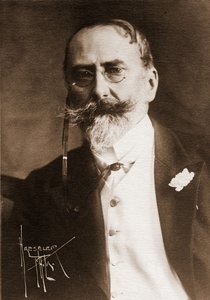
ウィリアム・メリット・チェイス
1849 - 1916 , アメリカ合衆国
基本情報
- フルネーム: ウィリアム・メリット・チェイス
- 主な作品:
- キーイング・アップ – コート・ジェスター
- アリス・フェルナンデス
- ゴワナス湾
- 出生地: インディアナ州ナインベ
- 国籍: アメリカ合衆国
- 影響を与えたアーティスト: ['ウェイマン・エルブリッジ・アダムス']
- 影響を受けたアーティスト: ['ジャン=レオン・ジェローム']
- 死亡年月日: 1916年10月25日
- 生年月日: 1849年11月1日
- 芸術運動またはスタイル: 印象派、写実主義
関連記事
William Merritt Chase: A Study in American Impressionism & Artistic Luminosity
Explore the life & work of William Merritt Chase, a leading American Impressionist painter and influential art educator. Discover his vibrant portraits, landscapes, and lasting legacy with ArtsDot.
Capturing a Nation's Light: Exploring the American Impressionist Movement
Explore the captivating world of American Impressionism! Discover key artists, techniques & its lasting impact on art history. Find museum-quality reproductions and expert guidance at ArtsDot.

The Enduring Legacy of Oil on Canvas: Technique, History & Aesthetic Impact
Explore the rich history & techniques of oil painting – from Renaissance masters to Impressionism. Discover pigments, layering methods, and why this timeless medium endures. Expert insights for artists & art enthusiasts.
American Realism's Defining Works: 10 Masterpieces for Your Home
Explore 10 defining American Realism masterpieces – Hopper, Homer & more. Discover the stories behind these iconic paintings and bring timeless art to your home with ArtsDot's museum-quality reproductions. Explore the full collection online.
Frederick Childe Hassam: American Impressionism's Chronicler of Light & Modern Life
Explore the captivating world of Frederick Childe Hassam, a pioneer of American Impressionism. Discover his iconic paintings capturing light, urban life & coastal beauty. Learn about his legacy and influence on American art history.