

 プレビュー
プレビュー
 シェアする
シェアする シェアする
シェアする
 詳細を見る
詳細を見る

 ダウンロード
 似ている作品
 X線調査
X線調査 スライドショー
 統計情報
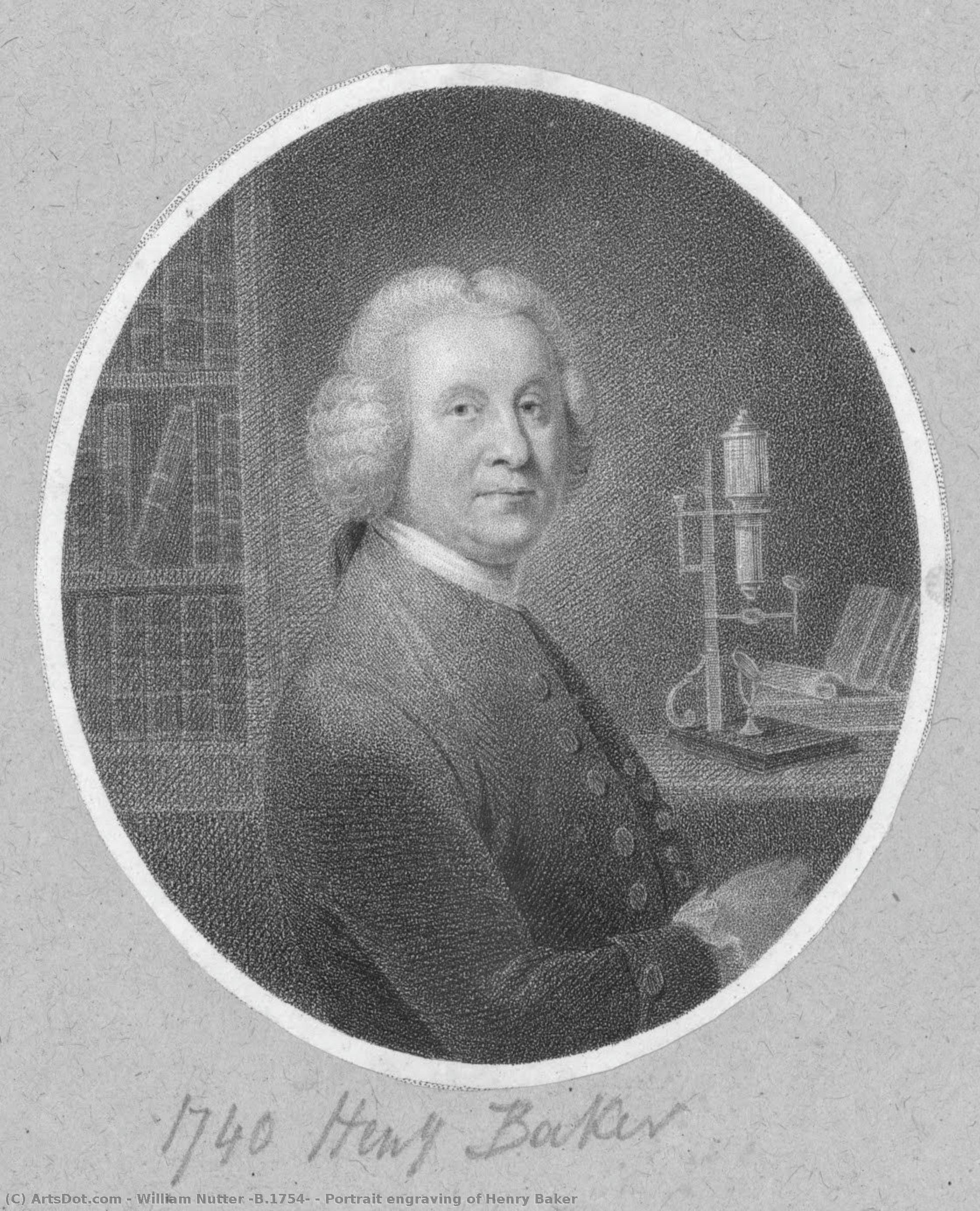
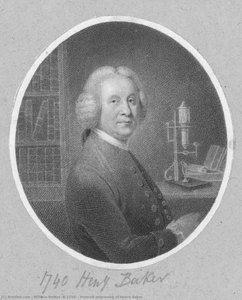
統計情報Portrait engraving of Henry Baker


 詳細を見る
詳細を見る
手描き油彩複製画
当社のアーティストが、お客様のご希望のサイズと額縁に合わせて、キャンバスに手描きで制作する油彩画です。 ( プリント版に切り替え デジタル画像販売へ切り替え)




































作品のオリジナル比率に合わせた、当店の規定サイズからお選びください。

特定のフレームやスペースに合わせて、ご希望のサイズをご入力いただけます。選択されたサイズが元の画像の比率と異なる場合、アートワークをトリミングするか、手描きで要素を追加して絵画を拡張いたします。デジタルモックアップ を制作し、制作開始前にご確認(承認)をいただきます。
画面上のプレビューは、実際のトリミングや拡張を正確に反映しているものではありません。最終的な構図は、モックアップによってのみ正確にご確認いただけます。
カスタムサイズもご利用いただけますが、元の比率を維持するためには、あらかじめ用意されたリストからサイズを選択することをお勧めいたします。
ご注文後、ArtsDot.com チームより詳細な指示をお送りするとともに、仕上がりイメージ(モックアップ)をご提供いたします。


 ガラスオプションは、110cm未満のサイズでのみご利用いただけます。

Portrait engraving of Henry Baker
複製技法
複製画のサイズ
-


合計金額
$ 263
関連作品
アーティストの略歴
The Delicate Precision of a Master Engraver
In the vibrant, bustling landscape of Georgian Britain, where the pursuit of classical beauty met the burgeoning era of print culture, William Nutter emerged as a master of subtle nuance. While history often shines its brightest spotlight on the grand portraitists and painters of the late eighteenth century, Nutter occupied a specialized and vital niche. He was an artist of the needle and the dot, a practitioner of stipple engraving whose work breathed life into the fine details of the era's most celebrated compositions. Born around 1759 in London, Nutter’s career was defined by a meticulous devotion to a technique that demanded far more patience than bravado, allowing him to translate the soft textures of skin and fabric into the permanent medium of print.
Nutter’s artistic identity was deeply rooted in the lineage of great engravers. His training under the renowned John Raphael Smith provided him with a foundational mastery of draughtsmanship and an intimate understanding of the neoclassical aesthetic. Through this mentorship, Nutter learned to navigate the complexities of light and shadow, eventually honing a style that echoed the delicate, tonal elegance pioneered by Francesco Bartoliente. This connection to the stipple method—a process involving the painstaking application of tiny dots to create gradations of tone—allowed Nutter to achieve a softness in his work that traditional line engraving often lacked. His hands were capable of capturing the ephemeral quality of a blush or the gentle drape of silk, making him an essential collaborator for the era's most prominent painters.
A Collaborative Legacy and Artistic Vision
The true brilliance of Nutter’s oeuvre lies in his ability to act as a visual translator. He did not merely copy existing works; he reinterpreted them through the unique lens of stipple engraving, preserving the soul of the original miniature or painting while adapting it for the wider public. His professional life was characterized by significant collaborations with the leading artistic voices of his day. Nutter worked extensively with the likes of Samuel Shelley, translating delicate miniatures into widely distributable engravings that brought high art into the homes of the growing middle class. His repertoire also included works after the celebrated Henry Singleton and Thomas Stothard, demonstrating a versatility that spanned from narrative scenes to allegorical designs.
His contributions to the Royal Academy exhibitions in 1782 and 1783 marked significant milestones in his professional ascent. In these showcases, Nutter presented allegorical compositions that demonstrated not only his technical prowess but also his command of classical iconography. These works were more than mere reproductions; they were intellectual exercises in symbolism, reflecting the Enlightenment-era fascination with myth, virtue, and classical history. Whether he was rendering a portrait of a notable figure or an evocative scene like The Ale House Door, Nutter’s work remained anchored in a profound respect for the structural integrity and emotional resonance of his subjects.
The Enduring Impression of an Eighteenth-Century Craftsman
Though his active period was relatively concentrated between 1780 and 1800, the impact of Nutter’s craftsmanship left a lasting mark on the history of British printmaking. He lived through a transformative era in which the accessibility of art was expanding, and his ability to produce high-quality, tonally rich engravings played a crucial role in this democratization of beauty. His death in 1802 at the young age of approximately 44 marked the end of a prolific period of innovation within the stipple medium.
Today, Nutter is remembered as a vital link in the chain of English engravers who bridged the gap between fine painting and mass-produced print. His legacy survives in the exquisite textures of his surviving plates, which continue to offer a window into the refined sensibilities of the Georgian age. To study a Nutter engraving is to witness a master at work, navigating the delicate balance between the precision of the tool and the softness of the subject, ensuring that the light and shadow of the eighteenth century remain vividly preserved for future generations.
william nutter (b.1754)
1754 - 1802 , United Kingdom
基本情報
- Artistic Movement Or Style: Stipple engraving
- Artists Or Movements Influenced By This Artist: Francesco Bartolozzi
- Artists Who Influenced This Artist: John Raphael Smith
- Date Of Birth: c. 1759?
- Date Of Death: 1802
- Full Name: William Nutter
- Nationality: British
- Notable Artworks:
- The Ale House Door
- Coming from Market
- Place Of Birth: United Kingdom
関連記事
アンリ・マティスの傑作25選:色彩と情熱の軌跡|ArtsDot
アンリ・マティスの傑作25選🎨 色彩と情熱が織りなす世界を旅する。フォーヴィスム代表の巨匠、マティスの絵画の魅力と歴史を紐解きます。ArtsDotで高品質なアートプリントや複製画を見つけ、インテリアに芸術的な輝きを✨ Explore the full collection online
Engraving: A Historical Survey of Technique, Artistic Expression & Enduring Legacy
Explore the rich history of engraving with ArtsDot. Discover techniques, iconic artists like Dürer & Callot, collecting tips, and expert guidance for preserving your art investment. Learn about intaglio printing & more!
18th Century Masters: 10 Artworks That Define an Era | ArtsDot
Journey through 18th century art! Explore 10 iconic paintings – from Rococo elegance to Neoclassical grandeur. Discover Fragonard, David & more. Find museum-quality reproductions and elevate your home decor on ArtsDot.com.
Engraving's Golden Age: 10 Masterpieces That Redefined Art | ArtsDot
Journey through art history with our Top 10 Legendary Engravings! Explore masterpieces by Dürer, Rembrandt & Goya. Discover the stories behind these iconic prints and find museum-quality reproductions for your home at ArtsDot.com.
The Intricate World of Engraving: A Historical Survey of Technique, Artistic Expression & Enduring Legacy
Explore the rich history of engraving with ArtsDot. Discover techniques, iconic artists like Dürer & Callot, collecting tips, and expert guidance for preserving your art investment. Learn about intaglio printing & more!