

 プレビュー
プレビュー
 シェアする
シェアする シェアする
シェアする
 詳細を見る
詳細を見る

 ダウンロード
 似ている作品
 X線調査
X線調査 スライドショー
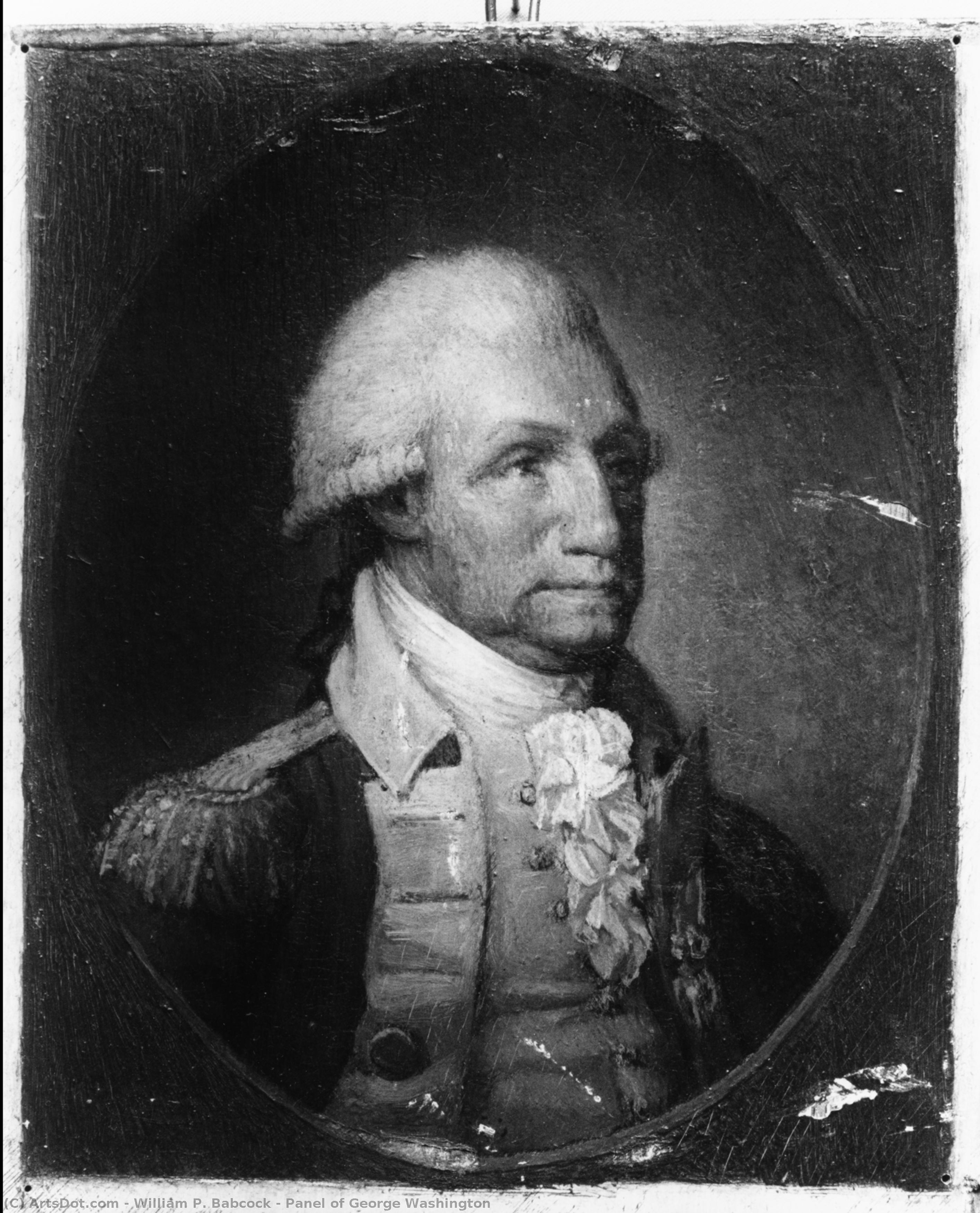
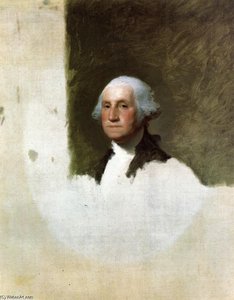
Panel of George Washington
 Neoclassicism
 1846
1846 14.0 x 11.0 cm
 詳細を見る
詳細を見る
ジークレー/アートプリント
迅速な制作と多彩な仕上げオプションを備えた、ミュージアムクオリティのジークレーまたはキャンバスプリント。 ( 手描きの絵画を購入 画像を購入)




































作品のオリジナル比率に合わせた、当店の規定サイズからお選びください。

特定のフレームやスペースに合わせて、ご自身でサイズを指定することも可能です。選択されたサイズが元の画像の比率と一致しない場合、作品をトリミングするか、鏡面反射または単色での塗りつぶしによって画像を拡張いたします。制作を開始する前に、ご確認用のデジタルモックアップをお送りいたします。
画面上のプレビューには、実際のトリミングや拡張は反映されませんのでご注意ください。最終的な構図を正確に確認できるのは、モックアップのみとなります。
カスタムサイズも承っておりますが、元の比率を維持するためには、あらかじめ用意されたリストからサイズを選択することをお勧めいたします。


 ガラスオプションは、110cm未満のサイズでのみご利用いただけます。

Panel of George Washington
ジークレー/アートプリント
複製画のサイズ
-


合計金額
$ 62
関連作品
アーティストの略歴
William P. Babcock: Bridging Barbizon and American Portraiture
Born in Boston in 1826, William Perkins Babcock’s artistic journey represents a fascinating confluence of European artistic movements and the burgeoning identity of American painting. Initially drawn to Paris in 1847 under the tutelage of Thomas Couture, Babcock quickly became captivated by the Barbizon School – a revolutionary movement that prioritized direct observation of nature and a rejection of the rigid academic styles dominating the Salon. This encounter proved pivotal, forging a lifelong connection with Jean-François Millet, a leading figure within the Barbizon circle, and profoundly influencing Babcock’s artistic approach.
Babcock's early training instilled in him a deep appreciation for *plein air* painting – working directly from nature. Unlike the studio-bound traditions of earlier generations, the Barbizon painters sought to capture the fleeting effects of light and atmosphere on the landscape. This commitment to observation is immediately evident in his later works, particularly his landscapes which possess a remarkable sense of immediacy and authenticity. However, Babcock’s artistic sensibilities weren't solely defined by the Barbizon School; he also absorbed elements from other European traditions, including Venetian color palettes and classical composition – a testament to his broad cultural awareness.
- Early Influences: Couture’s instruction provided a foundation in academic technique, while Millet’s work demonstrated the power of capturing the essence of rural life.
- Barbizon Principles: Babcock embraced *plein air* painting and sought to depict nature with directness and honesty.
- Cross-Cultural Synthesis: His art blended Barbizon techniques with elements of Venetian color and classical composition.
A Portraitist in the American Grain
While his landscapes are captivating, Babcock’s most enduring legacy lies in his portraiture. He quickly established himself as a skilled portraitist, capturing the dignity and character of his subjects with remarkable sensitivity. His portraits weren't merely likenesses; they were imbued with personality and emotion – reflecting the sitter’s inner life through subtle gestures, expressions, and carefully chosen details.
Babcock’s early American commissions included notable figures such as George Washington and Marquis de Lafayette, cementing his reputation within the elite circles of Boston society. These portraits demonstrate a mastery of classical technique combined with an ability to convey both formal dignity and personal warmth. His meticulous attention to detail – evident in works like “Panel of George Washington” – showcases a dedication to realism that was highly valued during this period.
- Notable Portraits: He painted portraits of prominent figures including George Washington and Marquis de Lafayette.
- Classical Technique: Babcock skillfully blended classical portraiture techniques with an understanding of American identity.
- Emotional Depth: His portraits captured the essence of his subjects, conveying their personalities and inner lives.
Life in France and a Lasting Connection
Babcock spent much of his life residing in France, primarily in Barbizon and later Bois d’Arcy, immersing himself in the artistic community he had discovered there. This period was marked by a deep friendship with Jean-François Millet, who served as a significant mentor and inspiration. Babcock's time in these villages allowed him to fully embrace the Barbizon aesthetic – painting directly from nature and capturing the beauty of the surrounding landscape.
He established a home surrounded by roses, creating an idyllic setting for his artistic practice. His collection of paintings by Barbizon artists became legendary, showcasing his deep appreciation for their work and solidifying his position as a leading authority on the movement. Babcock’s dedication to preserving and promoting the legacy of Millet and other Barbizon painters is a testament to his commitment to artistic heritage.
- Residence in France: Babcock spent most of his life in France, particularly in Barbizon and Bois d'Arcy.
- Friendship with Millet: He developed a close relationship with Jean-François Millet, who served as a mentor.
- Collection of Barbizon Paintings: Babcock amassed a significant collection of works by Barbizon artists.
Auction Records and Historical Significance
Despite his considerable talent and influence, Babcock’s work remained relatively obscure during his lifetime. However, in recent decades, his paintings have achieved increasing recognition and value on the international art market. Pieces such as “Panel of George Washington” have commanded prices ranging from $1,000 to $100,000 at auction, reflecting a growing appreciation for his unique artistic vision.
Babcock’s significance extends beyond his individual achievements. He played a crucial role in introducing the Barbizon School to American artists, fostering a new approach to landscape painting and portraiture. His work stands as a bridge between European artistic traditions and the developing identity of American art – a testament to the power of cross-cultural exchange and the enduring appeal of capturing the beauty of nature.
- Rising Market Value: Babcock’s paintings have achieved increasing recognition and value on the international art market.
- Influence on American Art: He introduced the Barbizon School to American artists, shaping a new approach to painting.
- Bridging Traditions: His work represents a synthesis of European and American artistic influences.
Further Resources
For more information about William P. Babcock, please visit these resources:
William P. Babcock
1826 - 1899 , United States of America
基本情報
- Artistic Movement Or Style: Barbizon school
- Artists Or Movements Influenced By This Artist: ['William Morris Hunt']
- Artists Who Influenced This Artist: ['Jean-François Millet']
- Date Of Birth: 1826
- Date Of Death: 1899
- Full Name: William P. Babcock
- Nationality: American
- Notable Artworks:
- Panel of George Washington
- Still life flowers
- Place Of Birth: Boston, USA
関連記事

ジョルジュ・ブラック傑作25選:革新的なキュビスムの世界と装飾への誘い
ジョルジュ・ブラックの傑作25選。キュビスムを代表する画家、その革新的な色彩と技法に迫ります。名画から知られざる逸品まで、美術史に残る作品群をArtsDot.comで鑑賞。お部屋を彩るアートプリントも多数ご用意。今すぐオンラインでコレクションをご覧ください。

ジョルジュ・スーラ傑作25選:光と色彩の科学が織りなす芸術の世界|ArtsDot
ジョルジュ・スーラの傑作25選。点描画の光と色彩、印象派から新印象派へ—ArtsDotで美術史を紐解き、リビングやダイニングを彩る高品質なアートプリントを見つけましょう。セーラ作品集をオンラインで鑑賞ください。
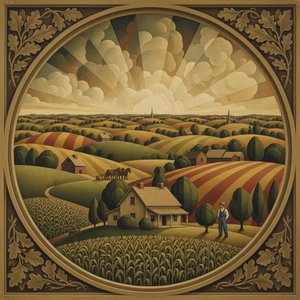
Grant Wood & American Regionalism: Identity, Myth & the Rural Landscape
Explore the world of Grant Wood & American Regionalism with ArtsDot. Discover the symbolism behind 'American Gothic', recurring themes, and the movement's lasting impact on art history. High-quality reproductions available.
American Realism's Defining Works: 10 Masterpieces for Your Home
Explore 10 defining American Realism masterpieces – Hopper, Homer & more. Discover the stories behind these iconic paintings and bring timeless art to your home with ArtsDot's museum-quality reproductions. Explore the full collection online.
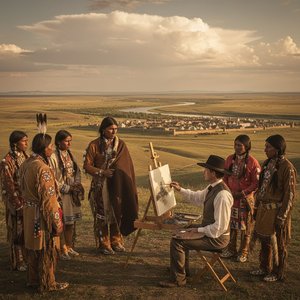
George Catlin: Witnessing & Representing Indigenous Life on the American Frontier
Explore the captivating art of George Catlin, renowned for his vivid portraits & landscapes documenting Native American life on the frontier. Discover a vanishing world through stunning paintings and historical context.

