

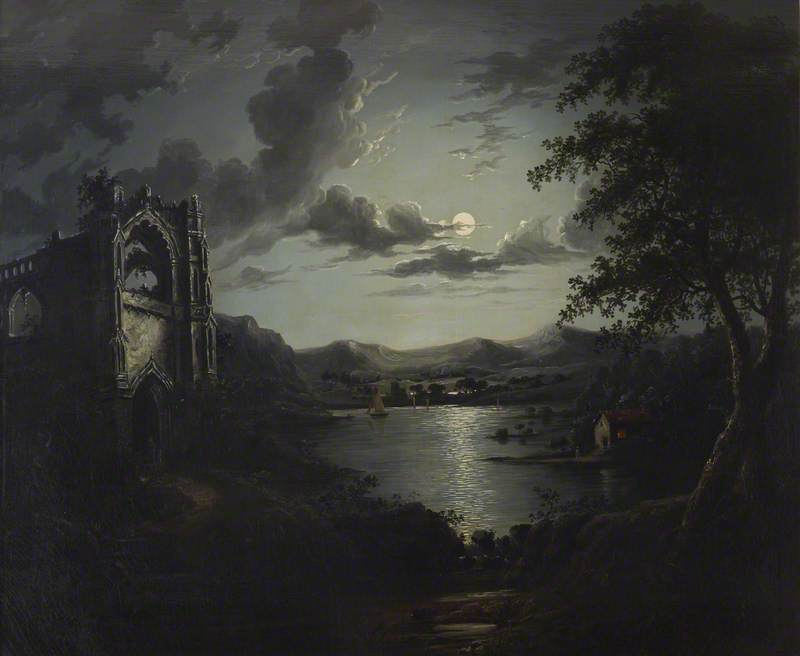
 プレビュー
プレビュー
 シェアする
シェアする シェアする
シェアする
 詳細を見る
詳細を見る

 ダウンロード
 似ている作品
 X線調査
X線調査 スライドショー
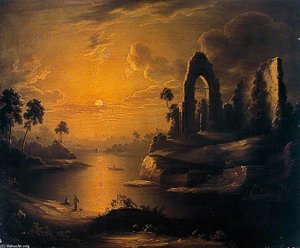
Moonlit Lake, with a Ruined Abbey and a Cottage with an Illuminated Window
 Romanticism
 61.0 x 74.0 cm
 National Trust
 詳細を見る
詳細を見る
ジークレー/アートプリント
迅速な制作と多彩な仕上げオプションを備えた、ミュージアムクオリティのジークレーまたはキャンバスプリント。 ( 手描きの絵画を購入 画像を購入)




P118B $10

P118H $10

P118W $10

P438Z $10

P508JH $12

P508YH $12

P805H $10

P805Z $10

P919BZ $10

P919G $10

P919XJ $10

P959ZH $10

P968JZ $12

W106C $8

W218G $10

W218JH $8

W218Y $10

W307PJ $10

W316G $10

W316PJ $8

W316Y $10

W398PJ $8

W4111J $10

W500HY $15

W500JH $15

W692G $12

W849H $8

W940BG $15

W953PJ $8




作品のオリジナル比率に合わせた、当店の規定サイズからお選びください。

特定のフレームやスペースに合わせて、ご自身でサイズを指定することも可能です。選択されたサイズが元の画像の比率と一致しない場合、作品をトリミングするか、鏡面反射または単色での塗りつぶしによって画像を拡張いたします。制作を開始する前に、ご確認用のデジタルモックアップをお送りいたします。
画面上のプレビューには、実際のトリミングや拡張は反映されませんのでご注意ください。最終的な構図を正確に確認できるのは、モックアップのみとなります。
カスタムサイズも承っておりますが、元の比率を維持するためには、あらかじめ用意されたリストからサイズを選択することをお勧めいたします。


 ガラスオプションは、110cm未満のサイズでのみご利用いただけます。

Moonlit Lake, with a Ruined Abbey and a Cottage with an Illuminated Window
ジークレー/アートプリント
複製画のサイズ
-


合計金額
$ 62
関連作品
アーティストの略歴
Benjamin West: Bridging Worlds, Painting History
Born in Springfield, Pennsylvania, in 1738, Benjamin West’s life was a remarkable confluence of transatlantic experience and artistic ambition. His early years were steeped in the rhythms of his family's inn – the Square Tavern in Newtown Square – a setting that instilled in him an appreciation for storytelling and observation, skills he would later translate into his celebrated paintings. Unlike many artists of his time who received formal training, West was entirely self-taught, a testament to his innate talent and relentless dedication. This unconventional path, coupled with his American origins, set him apart and ultimately propelled him to international acclaim.
West’s journey began with portraits in Philadelphia, quickly establishing him as a respected artist within the burgeoning colonial society. However, it was his decision to travel to Europe at the age of 25 that truly defined his career trajectory. He embarked on a three-year sojourn, meticulously studying the masterpieces of Titian, Raphael, and other giants of the Renaissance and Baroque periods in Rome. This immersive experience profoundly shaped his artistic sensibilities, instilling in him a deep understanding of composition, color theory, and classical ideals – principles he would later synthesize into his own distinctive style. Crucially, West’s time abroad wasn't merely observational; he actively sought patronage, cultivating relationships with influential figures like Cardinal Albani and Gavin Hamilton, who provided invaluable guidance and access to the artistic circles of the era.
The Rise to Royal Favor
West’s arrival in London in 1763 marked a pivotal moment. He swiftly adapted to the sophisticated art world of the capital, leveraging his charm, social skills, and burgeoning reputation to secure commissions from wealthy patrons. His early works reflected the prevailing Neoclassical style, characterized by meticulous detail and an emphasis on classical themes. However, it was his groundbreaking painting, *The Death of General Wolfe* (1770), that catapulted him to international fame. This monumental canvas, depicting the heroic demise of British General James Wolfe during the Battle of Quebec, broke with convention by portraying the scene in a manner reminiscent of ancient history paintings – a bold move considering the relatively recent date of the event. The depiction of the figures in contemporary military uniforms, rather than the traditional classical robes, was revolutionary and immediately captivated audiences.
The success of *The Death of Wolfe* earned West immediate recognition within the Royal Academy, which was then being established. He became a founding member and, in 1792, ascended to the presidency – a position he held until 1805. King George III, deeply impressed by West’s artistic talent and his ability to bridge the cultural divide between Britain and America, appointed him historical painter to the court, further solidifying his status as one of the most influential artists in England. This appointment brought with it significant responsibilities, including the creation of numerous portraits of royalty and dignitaries, as well as grand historical paintings that adorned the walls of Buckingham Palace.
A Legacy of Historical Narrative
West’s artistic output spanned a diverse range of subjects – from biblical scenes and mythological narratives to depictions of American history. He was particularly drawn to works that explored themes of courage, sacrifice, and national identity. *The Treaty of Paris* (1785), depicting the signing of the treaty that officially ended the American Revolutionary War, stands as a prime example of his ability to capture dramatic moments in history with both technical skill and emotional resonance. His painting *Penn’s Treaty With The Indians*, commissioned by William Penn, is another notable work, reflecting his interest in exploring the relationship between European settlers and Native Americans.
Beyond his individual achievements, West played a crucial role in shaping the course of American art. He served as a mentor to numerous young artists who traveled to London to study under him, including Charles Willson Peale, Gilbert Stuart, and John Trumbull. These students, inspired by West’s artistic vision and his commitment to classical ideals, went on to establish their own careers in America, carrying forward the legacy of his training and influence. His dedication to fostering talent within the American art community cemented his place as a pivotal figure in the development of the nation's artistic identity.
Later Years and Artistic Evolution
Despite his continued success, West’s later years were marked by personal challenges and professional setbacks. His relationship with King George III deteriorated following a trip to France, resulting in the cancellation of his annual stipend and a prestigious commission. However, West remained active as an artist until his death in 1820, producing works that reflected a shift towards greater emotional intensity and dramatic flair. He continued to experiment with new techniques and styles, embracing elements of Romanticism while retaining his commitment to historical narrative. His final masterpiece, *Death on the Pale Horse* (1817), exemplifies this evolution, capturing the horror and drama of biblical scenes with unprecedented power and emotion.
Benjamin West’s life and work represent a remarkable synthesis of transatlantic influences – a testament to his artistic talent, his adaptability, and his enduring legacy as one of the most important figures in 18th- and 19th-century art. His paintings continue to captivate audiences today, offering a glimpse into a pivotal era of cultural exchange and artistic innovation.
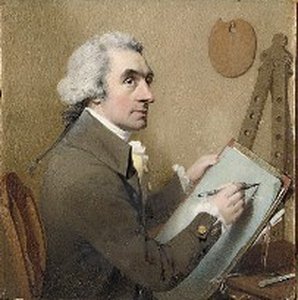
william pether
1738 - 1821
基本情報
- Artistic Movement Or Style: Neoclassical, History Painting
- Artists Or Movements Influenced By This Artist:
- Copley
- Romanticism
- Artists Who Influenced This Artist:
- Titian
- Raphael
- Mengs
- Date Of Birth: Oct 10, 1738
- Date Of Death: Mar 11, 1820
- Full Name: Benjamin West
- Nationality: American
- Notable Artworks:
- Death of Nelson
- Wolfe's Death
- Paris Treaty
- Place Of Birth: Springfield, PA
関連記事

ロマン派ランドスケープ:時代を彩る巨匠の10選|アートとインテリアの世界
ロマン派絵画の時代を彩る10選。巨匠たちの風景が織りなす感動の世界へ。ターナー、ルーベンスなど、名作の裏話と高精細複製でアートをお部屋に。ArtsDot.comで至福のアート体験を。
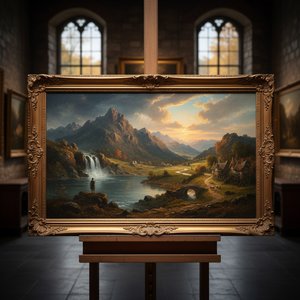
The Sublime and the Picturesque: Exploring Emotion & Nature in Romantic Landscape Painting
Explore the emotional power of Romantic landscape painting! Discover the sublime & picturesque traditions, key artists like Friedrich & Cole, and find your perfect artwork at ArtsDot.
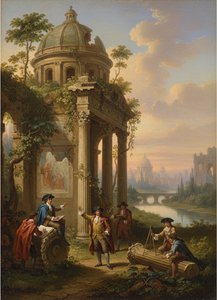
Hubert Robert: Picturing Ruins, Preserving Memory – A Study of Romantic Antiquarianism & Artistic Innovation
Explore the captivating world of Hubert Robert, master of Romantic landscape painting & 'capriccio' ruins. Discover his historical context, artistic innovations, and collecting insights with ArtsDot.

Evocations of Place: A Historical Journey Through Landscape Art
Explore the rich history of landscape art with ArtsDot. Discover renowned artists, movements like Impressionism & Romanticism, and expert guidance for collecting timeless pieces. Find your perfect serene escape today!
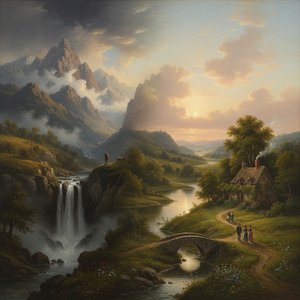
The Sublime and the Picturesque: Exploring Emotion & Nature in Romantic Landscape Painting
Explore the emotional power of Romantic landscape painting! Discover the sublime & picturesque aesthetics, key artists like Friedrich & Cole, and lasting influence on art history. Find your perfect piece at ArtsDot.

