

 プレビュー
プレビュー
 プリントを購入
 シェアする
シェアする シェアする
シェアする
 詳細を見る
詳細を見る

 ダウンロード
 似ている作品
 X線調査
X線調査 スライドショー
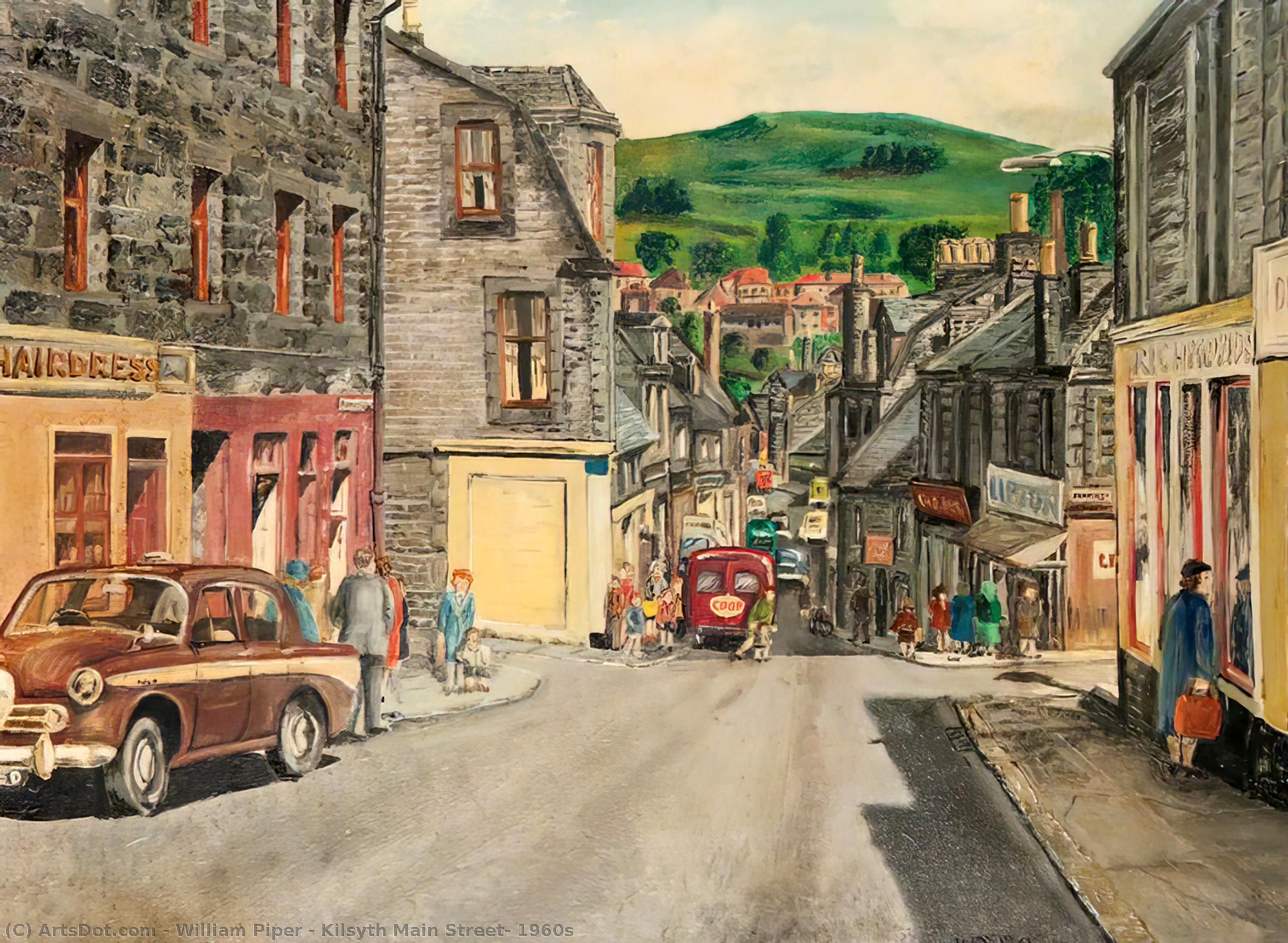
Kilsyth Main Street, 1960s
 Contemporary Realism
 Modern
 35.0 x 49.0 cm
 Culturenl
 詳細を見る
詳細を見る




P118B $10

P118H $10

P118W $10

P438Z $10

P508JH $12

P508YH $12

P805H $10

P805Z $10

P919BZ $10

P919G $10

P919XJ $10

P959ZH $10

P968JZ $12

W106C $8

W218G $10

W218JH $8

W218Y $10

W307PJ $10

W316G $10

W316PJ $8

W316Y $10

W398PJ $8

W4111J $10

W500HY $15

W500JH $15

W692G $12

W849H $8

W940BG $15

W953PJ $8




作品のオリジナル比率に合わせた、当店の規定サイズからお選びください。

特定のフレームやスペースに合わせて、ご希望のサイズをご入力いただけます。選択されたサイズが元の画像の比率と異なる場合、アートワークをトリミングするか、手描きで要素を追加して絵画を拡張いたします。デジタルモックアップ を制作し、制作開始前にご確認(承認)をいただきます。
画面上のプレビューは、実際のトリミングや拡張を正確に反映しているものではありません。最終的な構図は、モックアップによってのみ正確にご確認いただけます。
カスタムサイズもご利用いただけますが、元の比率を維持するためには、あらかじめ用意されたリストからサイズを選択することをお勧めいたします。
ご注文後、ArtsDot.com チームより詳細な指示をお送りするとともに、仕上がりイメージ(モックアップ)をご提供いたします。


 ガラスオプションは、110cm未満のサイズでのみご利用いただけます。

Kilsyth Main Street, 1960s
複製技法
複製画のサイズ
-


合計金額
$ 263
A Window into a Vanished Era
In the evocative monochrome of Kilsyth Main Street, 1960s, we are invited to step through a temporal portal, leaving the frenetic pace of the modern world for the rhythmic, nostalgic pulse of mid-century Scotland. This captivating work serves as more than just a visual record; it is a soulful meditation on community and the quiet dignity of everyday life. Through the masterful use of light and shadow, the painting captures a moment in time when the streets of Kilsyth were alive with the gentle choreography of local commerce and social connection. The composition draws the eye through a bustling thoroughfare, where the presence of vintage automobiles and sturdy trucks provides a structural anchor to the scene, grounding the ephemeral movement of the crowd in the tangible reality of a developing era.
The artistry lies in the delicate balance between stillness and motion. As we gaze upon the figures navigating the pavement—some clustered in intimate conversation, others drifting solo with handbags in hand—we feel the palpable energy of a town in its prime. The artist utilizes a sophisticated grayscale palette to emphasize texture and form, allowing the play of light on metallic car bumpers and the soft silhouettes of pedestrians to create a sense of depth that feels almost three-dimensional. This monochromatic approach strips away the distractions of color, forcing the viewer to confront the raw, atmospheric essence of the scene, much like a cherished memory surfacing from the depths of the subconscious.
The Art of Nostalgia and Interior Elegance
For the discerning collector or interior designer, this piece offers a profound sense of "place" and "time" that can anchor an entire room. The historical weight of the 1960s setting provides a sophisticated narrative layer to any curated space, making it an ideal centerpiece for libraries, study halls, or classic living areas. Because the work relies on the timeless elegance of black and white, it possesses a versatile aesthetic quality that complements both contemporary minimalist decor and traditional, richly textured interiors. It does not merely decorate a wall; it commands attention by inviting contemplation.
Beyond its visual appeal, the painting carries a deep emotional resonance. There is a bittersweet beauty in witnessing this bustling streetscape—a celebration of a way of life that has since evolved beyond recognition. To possess a reproduction of this work is to hold a fragment of history, a tribute to the enduring spirit of Scottish town life. It serves as a poignant reminder of the beauty found in the mundane and the extraordinary stories woven into the fabric of our streets. Whether used to evoke a sense of heritage or to provide a sophisticated focal point in a modern gallery-style home, Kilsyth Main Street, 1960s remains an enduring testament to the power of observational art.
関連作品



アーティストの略歴
The Soul of the Scottish Landscape: The Life and Art of William Piper
To wander through the canvases of William Piper is to embark on a quiet, profound journey through the heart of rural Scotland. Born in Edinburgh in 1774, Piper emerged as a singular voice in British landscape painting, a master who eschewed the grand, sweeping vistas favored by his contemporaries in favor of something far more intimate and enduring. While others sought to idealize nature or capture the dramatic sublime, Piper turned his gaze toward the subtle, often overlooked nuances of the land—specifically the rolling landscapes of Kilsyth, where he spent much of his life. His work serves as a tender, meticulous record of a world defined by its atmosphere, its light, and its deep-rooted connection to the local soil.
The foundation of Piper’s artistic precision can be traced back to his early formal education at Eton College and Oxford University, yet it was his apprenticeship under John Ramsay, Scotland’s preeminent portrait painter, that truly forged his technical identity. From Ramsay, Piper inherited a disciplined devotion to accuracy and the delicate mastery of tonal gradation. This training instilled in him a commitment to realism that would become the hallmark of his career; he did not merely paint what he saw, but sought to capture the very essence of the subject through a scientific curiosity paired with an artist's empathy. His method was one of patience, often spending hours sketching from life to ensure that every interplay of shadow and every flicker of light was recorded with absolute fidelity.
Technique, Light, and the Art of Observation
Piper’s preferred medium, watercolor, allowed him to achieve a luminous quality that few of his peers could replicate. He utilized the transparency of the medium to layer subtle washes of color, creating atmospheric effects that suggest the dampness of a Scottish morning or the soft glow of a fading afternoon. His landscapes are far more than mere topographical records; they are living, breathing environments populated by remarkably detailed flora and fauna. This meticulous attention to detail suggests an artist who viewed the natural world as a complex tapestry of interconnected lives, where even the smallest leaf or stone held significance within the larger composition.
His stylistic evolution is marked by a transition from pure observation to a more evocative, almost nostalgic, storytelling. In his later works and those inspired by his legacy, one can see a profound ability to balance stillness with motion. Whether capturing the quiet dignity of a village street or the rhythmic pulse of local commerce, Piper’s compositions guide the viewer's eye through a carefully orchestrated landscape of light and shadow. His work possesses a unique ability to strip away the distractions of the modern world, forcing a confrontation with the raw, atmospheric essence of a moment in time.
Legacy and Historical Significance
The historical significance of William Piper lies in his role as a chronicler of a vanishing era. Through his eyes, we witness the transition of the Scottish landscape from a purely pastoral existence to one touched by the creeping influence of industry and change. His paintings act as temporal portals, preserving the textures, architectures, and social rhythms of 19th-century Scotland for future generations. His ability to imbue local scenes with a sense of universal emotion ensures that his work remains relevant far beyond the borders of Kilsyth.
Today, Piper is remembered not just as a skilled technician, but as an artist who possessed the rare gift of seeing the extraordinary within the ordinary. His legacy continues to inspire those who find beauty in the quiet corners of the world, reminding us that true artistic mastery lies in the ability to capture the soul of a place.
Key Highlights of William Piper's Career:
- Mastery of Atmosphere: Renowned for using watercolor to achieve unparalleled luminous and atmospheric effects.
- Commitment to Realism: Developed a disciplined, precise style under the mentorship of portraitist John Ramsay.
- Local Chronicler: Dedicated much of his life to documenting the subtle beauty and changing landscape of Kilsyth and rural Scotland.
- Scientific Precision: Blended artistic talent with a meticulous, almost scientific observation of flora and fauna.
william piper
1774 - 1852
基本情報
- Artistic Movement Or Style: Scottish Landscape Art
- Artists Or Movements Influenced By This Artist: ['Romanticism']
- Artists Who Influenced This Artist:
- George Caleb Bingham
- Hudson River School
- Date Of Birth: 1774
- Date Of Death: 1852
- Full Name: William Piper
- Nationality: British
- Notable Artworks:
- Kilsyth Landscapes
- Rural Scottish Scenes
- Place Of Birth: Scotland
関連記事

White on Canvas: 10 Masterpieces & Timeless Elegance for Your Home Decor
Explore 10 iconic white paintings by Monet, Whistler & Rothko! Discover the stories behind these serene masterpieces and their impact on art history. Find museum-quality reproductions for your home decor at .

Dark Masterpieces: 10 Iconic Paintings Dominated by Black Tones |
Explore 10 iconic paintings dominated by black tones, from Rembrandt’s chiaroscuro to Goya's dark expressions. Discover the stories behind these masterpieces & find museum-quality art reproductions for your home at .

Monochrome Visions: Exploring the Aesthetic & Historical Significance of Black & White Photography
Explore the rich history & artistic power of black and white photography. From early techniques to iconic masters like Ansel Adams, discover why monochrome continues to captivate art lovers today. Expert insights for collectors.

Mars Black Masterpieces: 10 Iconic Paintings & Timeless Art Decor Ideas
Delve into the power of 'Mars Black' with 10 iconic paintings by masters like Rembrandt & Caravaggio. Explore dramatic chiaroscuro, gothic art, and timeless beauty. Find museum-quality reproductions & elevate your home decor on .
The Subtleties of White: Exploring Absence, Light & Symbolism in Art History
Explore the profound symbolism & history of white in art! From ancient purity to modern abstraction, discover how artists have used absence & light. Expert insights from ArtsDot.