

 プレビュー
プレビュー
 シェアする
シェアする シェアする
シェアする
 詳細を見る
詳細を見る

 ダウンロード
 似ている作品
 X線調査
X線調査 スライドショー
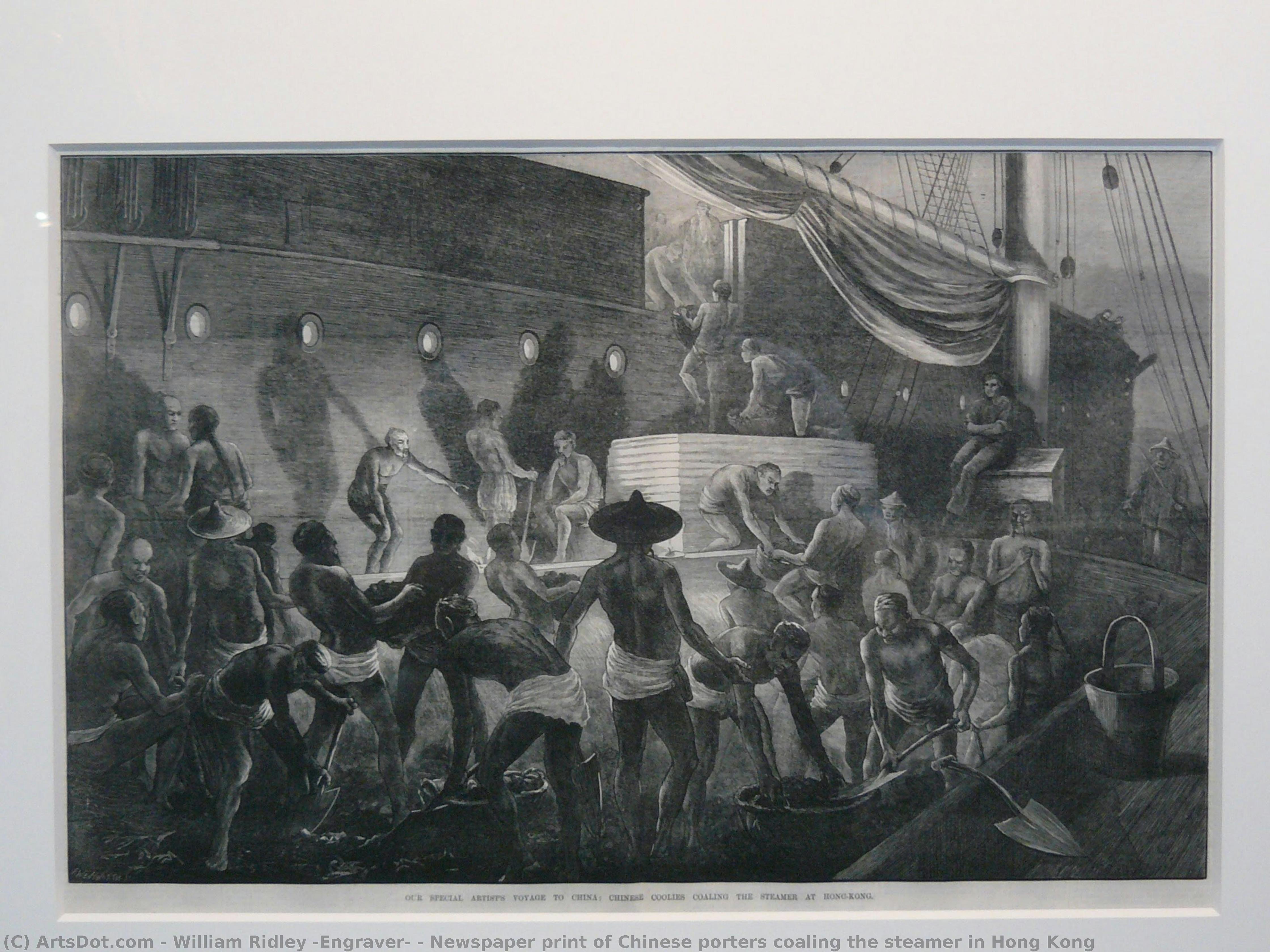
Newspaper print of Chinese porters coaling the steamer in Hong Kong


 詳細を見る
詳細を見る
ジークレー/アートプリント
迅速な制作と多彩な仕上げオプションを備えた、ミュージアムクオリティのジークレーまたはキャンバスプリント。 ( 手描きの絵画を購入 画像を購入)




































作品のオリジナル比率に合わせた、当店の規定サイズからお選びください。

特定のフレームやスペースに合わせて、ご自身でサイズを指定することも可能です。選択されたサイズが元の画像の比率と一致しない場合、作品をトリミングするか、鏡面反射または単色での塗りつぶしによって画像を拡張いたします。制作を開始する前に、ご確認用のデジタルモックアップをお送りいたします。
画面上のプレビューには、実際のトリミングや拡張は反映されませんのでご注意ください。最終的な構図を正確に確認できるのは、モックアップのみとなります。
カスタムサイズも承っておりますが、元の比率を維持するためには、あらかじめ用意されたリストからサイズを選択することをお勧めいたします。


 ガラスオプションは、110cm未満のサイズでのみご利用いただけます。

Newspaper print of Chinese porters coaling the steamer in Hong Kong
ジークレー/アートプリント
複製画のサイズ
-


合計金額
$ 62
関連作品









アーティストの略歴
The Delicate Precision of William Ridley
In the vibrant landscape of late eighteenth-century British printmaking, few names resonate with the quiet, meticulous elegance of William Ridley. Born in London in 1764, Ridley emerged during a golden age of portraiture, a period when the demand for high-quality, reproducible imagery was surging alongside the rise of periodical literature and magazine culture. As a master of stipple engraving, Ridley possessed the rare ability to translate the soft textures of skin, the luster of silk, and the subtle nuances of human expression into a language of infinite tiny dots. His career was not merely one of technical execution but of profound connection to the great masters of his era, acting as a vital bridge between the original oil paintings of the British aristocracy and the wider public who consumed his works through widely circulated illustrations.
The essence of Ridley’s artistry lies in the specialized technique of stipple engraving. Unlike traditional line engraving, which relies on sharp, continuous strokes, stipple engraving utilizes a delicate accumulation of minute dots to build tone and shadow. This method allowed Ridley to achieve a painterly softness that mimicked the tonal gradations found in fine oil portraits. Through this painstaking process, he was able to capture the very essence of his subjects, imbuing each print with a lifelike vitality. His work often featured collaborations with other esteemed engravers, such as William Holl the Elder, creating a synergy of skill that defined the high standards of British printmaking during this transformative period.
A Legacy of Portraits and Collaborations
Ridley’s professional life was characterized by an extraordinary prolificacy and an impressive roster of subjects. He served as a premier illustrator for various magazines, where his ability to render recognizable likenesses made him a sought-after talent. His portfolio is a testament to his versatility, as he successfully engraved over 400 portraits, many of which were based on the original works of the most celebrated painters of the age. To study Ridley’s work is to walk through a gallery of British history, encountering the legacies of:
- Sir Joshua Reynolds, whose grand manner of portraiture provided Ridley with profound subjects for tonal exploration.
- Thomas Gainsborough, whose fluid grace was translated into the precise dot-work of the stipple technique.
- George Romney and Henry Raeburn, masters of character and light.
- John Hoppner and William Beechey, whose aristocratic commissions demanded the highest level of fidelity.
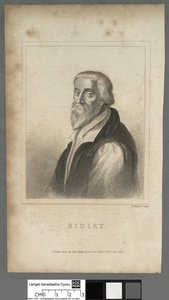
Beyond his technical mastery, Ridley’s historical significance is cemented by the preservation of these likenesses in some of the world's most prestigious institutions. The National Portrait Gallery in London holds several of his engravings, ensuring that his contribution to the visual record of British identity remains accessible to scholars and art lovers alike. His self-portrait, an engraving of himself, stands as a poignant reminder of the man behind the needle, showcasing both his technical prowess and his place within the artistic community of London.
As we reflect on the life of William Ridley, we see more than just a skilled craftsman; we see an artist who helped shape the visual consciousness of an era. Through the rhythmic application of stipple, he transformed cold metal plates into windows of human emotion and historical grandeur. His work remains a vital chapter in the history of British printmaking, representing a moment when technology and artistry converged to bring the faces of greatness to the hands of the many.
william ridley (engraver)
1764 - 1838 , United Kingdom
基本情報
- Artistic Movement Or Style: Stipple engraving
- Artists Who Influenced This Artist:
- Beechey
- Gainsborough
- Lawrence
- Opie
- Raeburn
- Reynolds
- Date Of Birth: 1764
- Date Of Death: 1838
- Full Name: William Ridley
- Nationality: British
- Notable Artworks:
- Portrait of a lady
- Portrait of a gentleman
- Engraving of William Ridley
- Place Of Birth: London, United Kingdom